
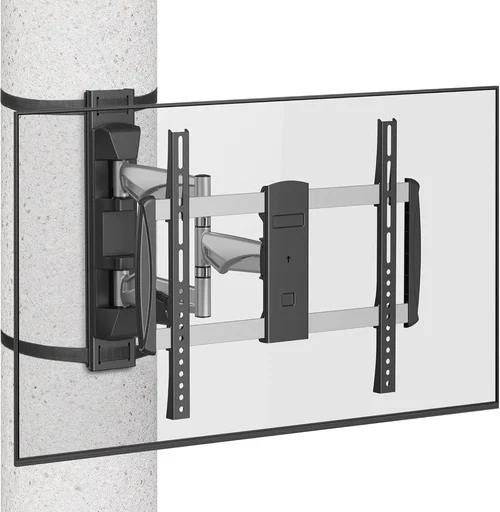
Outdoor living spaces have evolved far beyond simple patios and grills. Today’s homeowners are transforming their backyards into full-fledged entertainment zones—complete with outdoor kitchens, fire pits, and yes, even televisions. Among the most popular additions is the patio TV for pergola setups, a stylish and functional way to enjoy your favorite shows, sports, or movies under the open sky. Whether you’re hosting a summer barbecue, watching the big game with friends, or unwinding after a long day, a well-chosen outdoor TV can elevate your outdoor experience to new heights.
But buying a patio TV isn’t as simple as picking up any old flat-screen from the electronics store. Outdoor environments present unique challenges: intense sunlight, fluctuating temperatures, humidity, rain, dust, and even pests. A standard indoor TV simply won’t cut it. That’s where this comprehensive guide comes in. We’ll walk you through everything you need to know to make a smart, informed decision when shopping for a patio TV designed specifically for pergola installation. From understanding key performance specs to avoiding costly mistakes, this guide is your go-to resource for 2026 and beyond.
The market for outdoor TVs has grown significantly in recent years, driven by advances in display technology, weatherproofing, and consumer demand for year-round outdoor entertainment. Major brands like Samsung, LG, Sony, and specialized outdoor manufacturers such as SunBriteTV, Seura, and Peerless have stepped up their game, offering models that blend durability with stunning picture quality. Whether you’re looking for a budget-friendly option or a premium 4K HDR beast built to withstand the elements, there’s never been a better time to invest in an outdoor TV. This guide will help you navigate the options, compare features, and choose the perfect model for your pergola setup.
What to Look for When Buying Buying Guide
1. Weather Resistance & IP Rating
One of the most critical factors when choosing a patio TV for your pergola is its ability to withstand outdoor conditions. Unlike indoor TVs, outdoor models must be built to resist moisture, dust, extreme temperatures, and UV exposure. The first thing to check is the TV’s Ingress Protection (IP) rating—a two-digit code that indicates how well the device is protected against solids and liquids. For outdoor use, look for a minimum IP55 rating, which means the TV is protected against dust and low-pressure water jets from any direction. Higher ratings like IP65 or IP66 offer even better protection, making them ideal for areas with heavy rain or snow.
Beyond the IP rating, consider the TV’s operating temperature range. Most outdoor TVs are designed to function between -22°F and 122°F (-30°C to 50°C), which covers most climates. However, if you live in an area with extreme winters or scorching summers, verify that the model you’re considering can handle those conditions. Also, check whether the TV includes a built-in heater or cooling system—some premium models feature thermal management to prevent overheating in direct sunlight or freezing in cold weather.
Another often-overlooked aspect is the screen’s anti-reflective coating. Sunlight can wash out even the brightest displays, so a high-gloss or anti-glare screen is essential for daytime viewing. Some outdoor TVs use optical bonding—a process that fuses the screen layers to reduce internal reflections and improve clarity in bright conditions. This technology significantly enhances visibility and is worth the extra cost if you plan to watch TV during the day.
2. Display Brightness & Picture Quality
Brightness is arguably the most important spec for an outdoor TV. Indoor TVs typically range from 300 to 600 nits (a measure of luminance), but outdoor models need to be much brighter to compete with ambient light. For a pergola setup—especially one that’s partially shaded—you’ll want a TV with at least 700 nits, but ideally 1,000 nits or higher. Some top-tier models now offer 2,000+ nits, delivering stunning clarity even in direct sunlight.
In addition to brightness, consider the TV’s resolution and HDR support. Most outdoor TVs now come in 4K UHD (3840 x 2160), which provides four times the detail of Full HD. If you’re watching sports, movies, or streaming content in 4K, this resolution ensures a crisp, immersive experience. High Dynamic Range (HDR) further enhances picture quality by expanding the range of colors and contrast, making bright skies and dark shadows look more realistic. Look for support for HDR10, Dolby Vision, or HLG (Hybrid Log-Gamma) depending on your content sources.
Panel technology also plays a role. OLED screens offer superior contrast and deeper blacks, but they’re less common in outdoor models due to cost and brightness limitations. Most outdoor TVs use high-brightness LED or QLED panels, which provide excellent color accuracy and brightness. QLED, in particular, uses quantum dots to produce vibrant colors and is a great choice for outdoor use. Avoid standard LCD panels unless they’re specifically rated for outdoor brightness.
3. Size & Viewing Distance
Choosing the right screen size is crucial for both comfort and visual impact. A TV that’s too small will be hard to see from a distance, while one that’s too large can overwhelm your space and strain your eyes. For pergola installations, consider the typical viewing distance—the space between the seating area and the TV. A general rule of thumb is to multiply the viewing distance (in inches) by 0.84 to get the ideal screen size in inches. For example, if you’re sitting 10 feet (120 inches) away, a 100-inch screen (120 x 0.84) would be ideal.
However, outdoor environments often allow for larger screens due to the open space and reduced need for wall mounting. Many homeowners opt for 65-inch to 85-inch models for pergolas, especially if the seating area is spacious. Keep in mind that larger screens require more power and may need reinforced mounting hardware. Also, ensure your pergola structure can support the weight—some outdoor TVs can weigh over 100 pounds, especially with weatherproof enclosures.
Another factor is aspect ratio. Most modern TVs use a 16:9 widescreen format, which is perfect for movies and TV shows. However, if you plan to use the TV for digital signage or displaying panoramic content, consider a 21:9 ultrawide model, though these are rare in outdoor setups. Stick with standard 16:9 for the best compatibility with streaming services and broadcast content.
4. Build Quality & Durability
Outdoor TVs are built to last, but not all are created equal. Look for models with rugged, powder-coated aluminum or stainless-steel casings that resist rust and corrosion. Avoid plastic housings, which can degrade over time when exposed to UV rays and moisture. The internal components should also be sealed to prevent dust and water ingress—check for gaskets, sealed ports, and ventless designs.
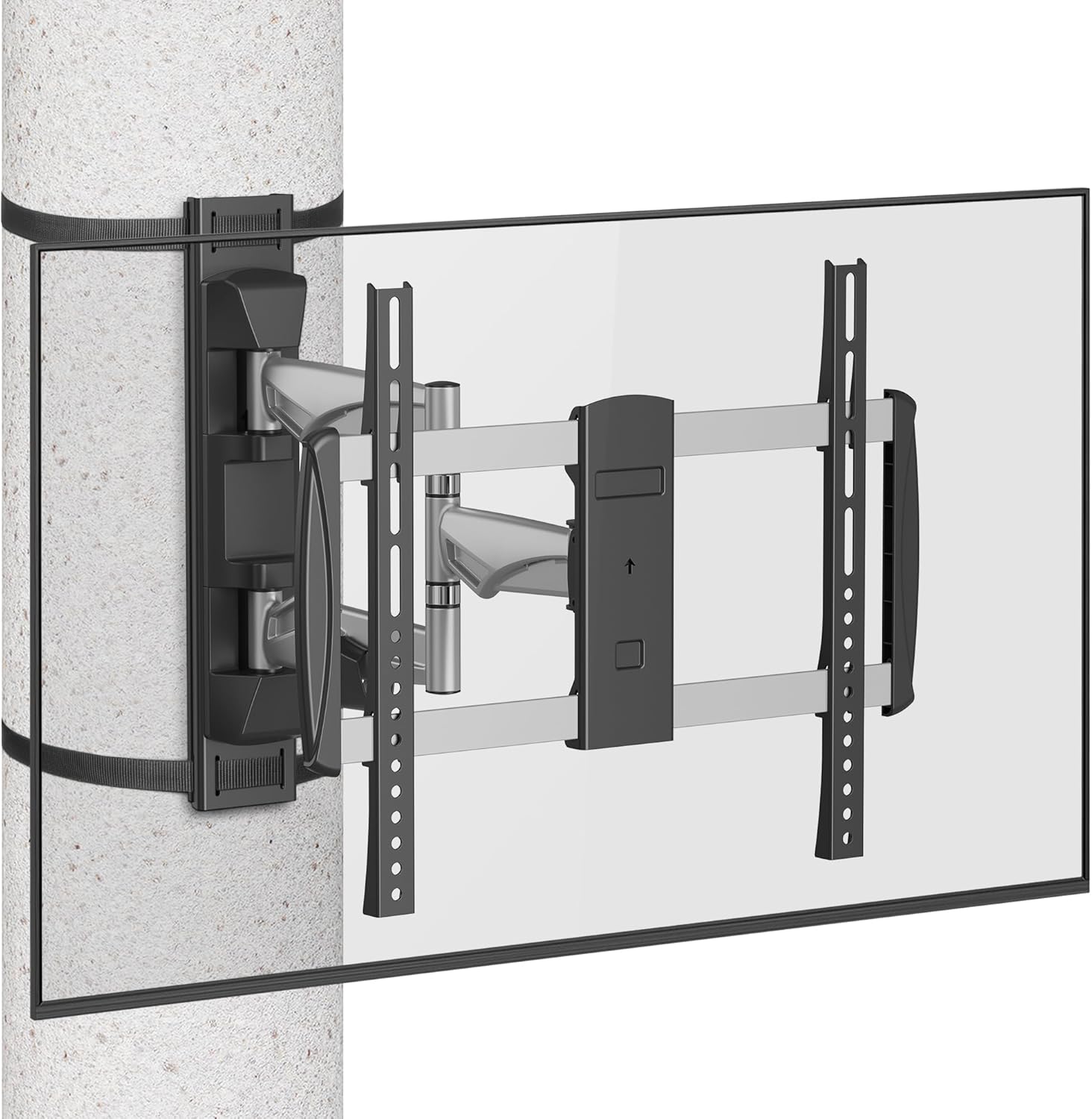
Pay attention to the mounting system. Most outdoor TVs come with VESA-compatible mounting patterns, but you’ll need a weatherproof outdoor mount designed for your specific model. Some manufacturers offer proprietary mounting kits that include tilt, swivel, and extension features, allowing you to adjust the viewing angle. Ensure the mount is rated for outdoor use and can support the TV’s weight and size.
Durability also extends to the remote control and input ports. Look for a weather-resistant remote with a long range (at least 30 feet) and backlit buttons for nighttime use. Input ports (HDMI, USB, Ethernet) should be covered with rubberized flaps or located in a sealed compartment to prevent water damage. Some models include built-in cable management systems to keep wires tidy and protected.
5. Audio Performance & Sound Solutions
While picture quality is paramount, audio is equally important for an immersive experience. Most outdoor TVs come with built-in speakers, but they’re often underpowered and lack depth, especially in open-air environments where sound dissipates quickly. A TV with 20W to 40W of audio output is typical, but it may not be enough for larger patios or noisy settings like near a pool or busy street.
To enhance sound, consider pairing your TV with outdoor speakers. Weather-resistant wireless speakers (like those from Sonos, Bose, or Polk Audio) can be mounted around the pergola or placed on nearby tables. For a more integrated solution, some outdoor TVs support Bluetooth or Wi-Fi audio streaming, allowing you to connect to external sound systems seamlessly. Alternatively, look for models with optical audio output or HDMI ARC (Audio Return Channel) to connect to a soundbar or AV receiver.
If you’re building a dedicated outdoor theater, investing in a full surround sound system with subwoofers can transform your space. Just ensure all audio equipment is rated for outdoor use and properly protected from the elements. Some homeowners even install in-ground or rock-shaped speakers for a discreet, natural look.
6. Smart Features & Connectivity
Modern outdoor TVs come packed with smart features, but not all are equally useful in an outdoor setting. Look for models with built-in Wi-Fi and support for popular streaming platforms like Netflix, YouTube, Hulu, and Disney+. Android TV, Roku TV, and webOS (LG) are common operating systems, each with its own app ecosystem and user interface. Choose one that aligns with your existing devices and preferences.
Voice control is another handy feature. Many outdoor TVs support Google Assistant or Amazon Alexa, allowing you to change channels, adjust volume, or search for content using voice commands. This is especially useful when your hands are full with food or drinks. Ensure the microphone is weather-resistant and positioned to pick up your voice clearly.
Connectivity options are also important. At a minimum, look for multiple HDMI ports (preferably HDMI 2.1 for 4K/120Hz support), USB ports for media playback, and an Ethernet port for a stable wired connection. Some models include built-in tuners for over-the-air broadcasts, which is great for watching local news or sports without a cable subscription. For gaming, check for low input lag and support for variable refresh rate (VRR) if you plan to connect a console.
7. Brand Reputation & Reliability
Not all outdoor TV brands are equal. While big names like Samsung and LG offer reliable indoor models, they may not have the same level of expertise in outdoor durability. Specialized brands like SunBriteTV, Seura, and Peerless have spent years perfecting weatherproof designs and are often the go-to choice for serious outdoor enthusiasts. These companies conduct rigorous testing in real-world conditions, including salt spray, humidity chambers, and UV exposure.
Research customer reviews and professional ratings from sources like CNET, Wirecutter, or Outdoor Living Today. Look for feedback on long-term reliability, customer service, and how the TV performs in extreme weather. A brand with a strong warranty and responsive support team can save you headaches down the line. Avoid unknown or generic brands that offer low prices but lack proven track records.
Also, consider the availability of replacement parts and service centers. If your TV needs repair, you’ll want a brand with accessible support and authorized technicians. Some manufacturers offer on-site service or extended warranties that cover labor and parts for several years.
8. Warranty & Support
A solid warranty is a sign of a manufacturer’s confidence in their product. Most reputable outdoor TV brands offer at least a 2-year warranty, with some extending to 3 or even 5 years. Check what’s covered—does it include parts, labor, and on-site service? Are there exclusions for weather damage or improper installation? A comprehensive warranty can provide peace of mind, especially given the investment involved.
Support is just as important. Look for brands with dedicated customer service lines, online chat, and detailed installation guides. Some offer free consultation services to help you choose the right model and mounting solution. Avoid companies with poor communication or long response times—you don’t want to be left hanging if something goes wrong.
Finally, consider extended warranty options. While they add to the upfront cost, they can be worth it for high-end models or if you live in a harsh climate. Some retailers also offer protection plans that cover accidental damage or power surges, which can be useful in areas with unstable electricity.
Different Types of Buying Guide

Common Buying Mistakes to Avoid
❌ Mistake: Buying an Indoor TV for Outdoor Use
Why it’s bad: Indoor TVs are not designed to handle moisture, temperature swings, or UV exposure. Even under a pergola, they can suffer from screen burn-in, overheating, or electrical failure. The warranty will likely be voided if used outdoors.
What to do instead: Invest in a TV specifically rated for outdoor use. Look for models with IP55 or higher ratings and weatherproof casings. If budget is tight, consider a weatherproof enclosure for an indoor TV, but understand the limitations.
❌ Mistake: Ignoring Brightness Requirements
Why it’s bad: A dim screen will be washed out in daylight, making it impossible to see details or enjoy HDR content. You’ll end up squinting or only watching at night.
What to do instead: Choose a TV with at least 1,000 nits of brightness for pergola use. Test the screen in similar lighting conditions if possible, or read reviews that mention daytime visibility.
❌ Mistake: Overlooking Audio Needs
Why it’s bad: Built-in speakers on outdoor TVs are often weak and lack bass. In an open space, sound can get lost, leading to a frustrating viewing experience.
What to do instead: Plan for external audio from the start. Invest in weather-resistant speakers or a soundbar. Use Bluetooth or wired connections to enhance sound quality.
❌ Mistake: Choosing the Wrong Size
Why it’s bad: A TV that’s too small won’t fill the space, while one that’s too large can be overwhelming and strain your neck from constant tilting.
What to do instead: Measure your viewing distance and use the 0.84 rule to determine ideal screen size. Consider the pergola’s dimensions and seating layout before purchasing.
❌ Mistake: Skipping Professional Installation
Why it’s bad: Improper mounting can lead to instability, water leakage, or even the TV falling. DIY mistakes can also void warranties.
What to do instead: Hire a certified installer familiar with outdoor AV setups. They’ll ensure proper mounting, cable management, and weatherproofing.
❌ Mistake: Not Planning for Power and Connectivity
Why it’s bad: Running power and HDMI cables through walls or under decks requires planning. Last-minute installations can be messy and unsafe.
What to do instead: Work with an electrician to install outdoor-rated outlets and conduit. Use weatherproof cable covers and label all connections for easy maintenance.
❌ Mistake: Forgetting About Maintenance
Why it’s bad: Dust, pollen, and bird droppings can accumulate on the screen and vents, affecting performance and longevity.
What to do instead: Clean the TV regularly with a microfiber cloth and mild cleaner. Check seals and ports periodically for damage or debris.
Budget Guidelines: How Much Should You Spend?
- Entry-Level ($800 – $1,500): These are typically indoor TVs in weatherproof enclosures or basic partial-shade models. Expect lower brightness (500-700 nits), limited smart features, and shorter warranties. Best for covered pergolas with minimal sun exposure.
- Mid-Range ($1,500 – $3,500): The sweet spot for most homeowners. These TVs offer 1,000+ nits brightness, 4K HDR, smart platforms, and solid build quality. Ideal for pergolas with partial shade and moderate weather.
- Premium ($3,500 – $6,000): High-end all-weather models with 2,000+ nits, advanced thermal management, and premium audio. Perfect for full sun exposure and year-round use.
- Luxury ($6,000+): Commercial-grade displays with ultra-bright screens, 24/7 operation, and custom mounting. Designed for large venues or discerning homeowners who want the best.
Expert Tips for Getting the Best Deal
- Buy During Off-Season: Prices drop in late fall and winter when demand is low. Look for holiday sales around Black Friday or end-of-year clearances.
- Shop at Specialty Retailers: Stores like Crutchfield, Abt, or Outdoor Living Today often have better selection and expert advice than big-box retailers.
- Compare Total Cost of Ownership: Factor in warranty, energy efficiency, and potential repair costs. A cheaper TV may cost more long-term.
- Check for Bundles: Some retailers offer TV + mount + speaker packages at a discount. These can save you hundreds.
- Read the Fine Print: Ensure the warranty covers outdoor use and includes on-site service. Avoid plans that exclude weather damage.
- Test Before You Buy: If possible, visit a showroom to see the TV in bright conditions. Online reviews can’t fully capture screen visibility.
- Negotiate: Don’t hesitate to ask for a discount, especially on high-end models. Many retailers have flexibility on pricing.
Frequently Asked Questions
Q: Can I use a regular TV under a pergola?
A: Technically yes, but it’s not recommended. Without proper weatherproofing, moisture and temperature changes can damage the internal components. Use a weatherproof enclosure or choose a dedicated outdoor model for safety and longevity.
Q: How do I protect my outdoor TV from rain?
A: Ensure the TV has an IP55 or higher rating and is mounted under a covered area. Use a weatherproof cover when not in use, and avoid direct exposure to heavy downpours.
Q: Do outdoor TVs use more electricity?
A: They can, especially high-brightness models. Look for ENERGY STAR ratings and consider LED backlighting, which is more efficient than older technologies.
Q: Can I mount an outdoor TV on a pergola beam?
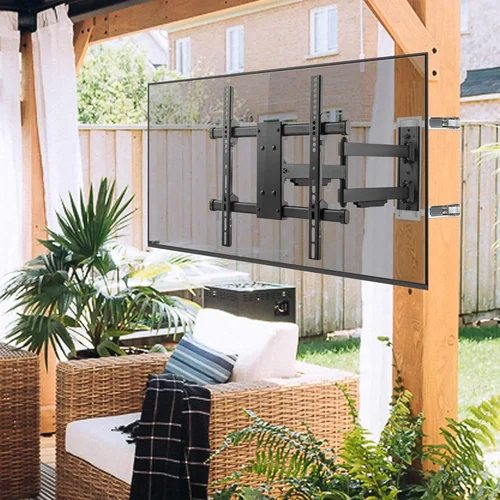
A: Yes, but ensure the beam is structurally sound and can support the weight. Use a reinforced outdoor mount and consult a professional if unsure.
Q: What’s the difference between partial-shade and all-weather TVs?
A: Partial-shade models are designed for covered areas with indirect light, while all-weather TVs can handle direct sun, rain, and snow. Choose based on your pergola’s exposure.
Q: How long do outdoor TVs last?
A: With proper care, most last 7–10 years. Higher-end models with better build quality may last even longer.
Q: Can I connect gaming consoles to an outdoor TV?
A: Absolutely. Look for HDMI 2.1 ports, low input lag, and VRR support for the best gaming experience.
Q: Do I need a special remote?
A: Most outdoor TVs come with weather-resistant remotes. If yours doesn’t, consider a universal remote with a protective case.
Q: Can I stream content without Wi-Fi?
A: Some models support USB media playback or have built-in tuners for over-the-air broadcasts. For streaming, Wi-Fi or Ethernet is required.
Q: What if my TV gets damaged by weather?
A: Check your warranty—many outdoor TVs are covered for weather-related damage. If not, contact the manufacturer or consider a protection plan.
Our Final Recommendations
- Best for Budget-Conscious Buyers: SunBriteTV Veranda Series – Offers excellent value with 1,000 nits brightness, 4K HDR, and solid weather resistance under $2,500.
- Best Overall Value: Seura Shade Series – Combines high brightness (1,500 nits), smart features, and sleek design for around $3,000.
- Best Premium Option: Peerless-AV Xtreme – A commercial-grade beast with 2,500 nits, thermal management, and 5-year warranty, priced at $5,500+.
- Best for Beginners: LG Outdoor TV (Partial-Shade) – User-friendly webOS interface, good brightness, and reliable performance for under $2,000.
- Best for Advanced Users: Samsung The Terrace – Full sun compatibility, 2,000 nits, and seamless integration with Samsung ecosystems, starting at $4,000.
Conclusion: Making the Right Choice
Choosing the right patio TV for your pergola is about balancing performance, durability, and budget. Start by assessing your environment—how much sun and rain your pergola gets—and match that to a TV with the appropriate weather rating and brightness. Don’t skimp on audio or installation, as these can make or break your outdoor entertainment experience. Remember, this is an investment in your lifestyle, not just a purchase.
Take your time, read reviews, and consult with experts. Whether you’re watching a sunset movie night or the championship game, the right TV will bring your outdoor space to life. With the insights from this guide, you’re now equipped to make a confident, informed decision. Happy viewing!

