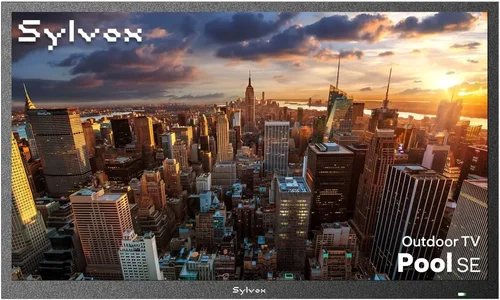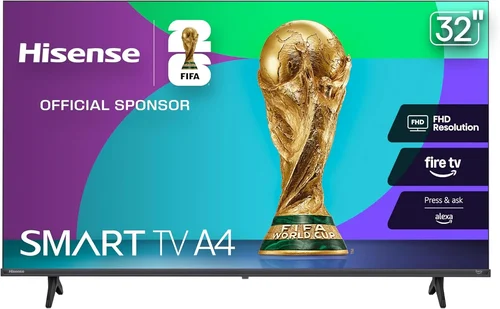
Living in an apartment doesn’t mean you have to sacrifice the joy of outdoor entertainment. In fact, with the right setup, your small balcony or compact backyard can become a cozy outdoor cinema, a game-day hub, or the perfect spot to unwind with a movie under the stars. But choosing the best backyard TV for apartments isn’t as simple as picking any old screen and mounting it outside. Space constraints, weather exposure, noise ordinances, and power access all play a role in determining what will work—and what won’t.
That’s where this comprehensive buying guide comes in. Whether you’re streaming Netflix on your rooftop patio, catching the big game from your 6th-floor balcony, or hosting a summer movie night in a shared courtyard, we’ll walk you through every critical factor to consider before making your purchase. From understanding display technologies and weather resistance to navigating budget limitations and installation logistics, this guide is designed to help you make a smart, informed decision—no matter how limited your outdoor space might be.
The market for outdoor and semi-outdoor TVs has evolved significantly in recent years. While full-fledged outdoor TVs are built to withstand rain, snow, and extreme temperatures, many apartment dwellers don’t need—or can’t justify—the high cost of fully weatherproof models. Instead, a growing number of consumers are opting for indoor TVs used in covered or sheltered outdoor areas, paired with protective enclosures or strategic placement. This shift has opened up more affordable, flexible options, but it also requires a deeper understanding of what truly matters when using a TV outside. By the end of this guide, you’ll know exactly what to look for, what to avoid, and how to get the most value from your investment—all tailored to the unique realities of apartment living.
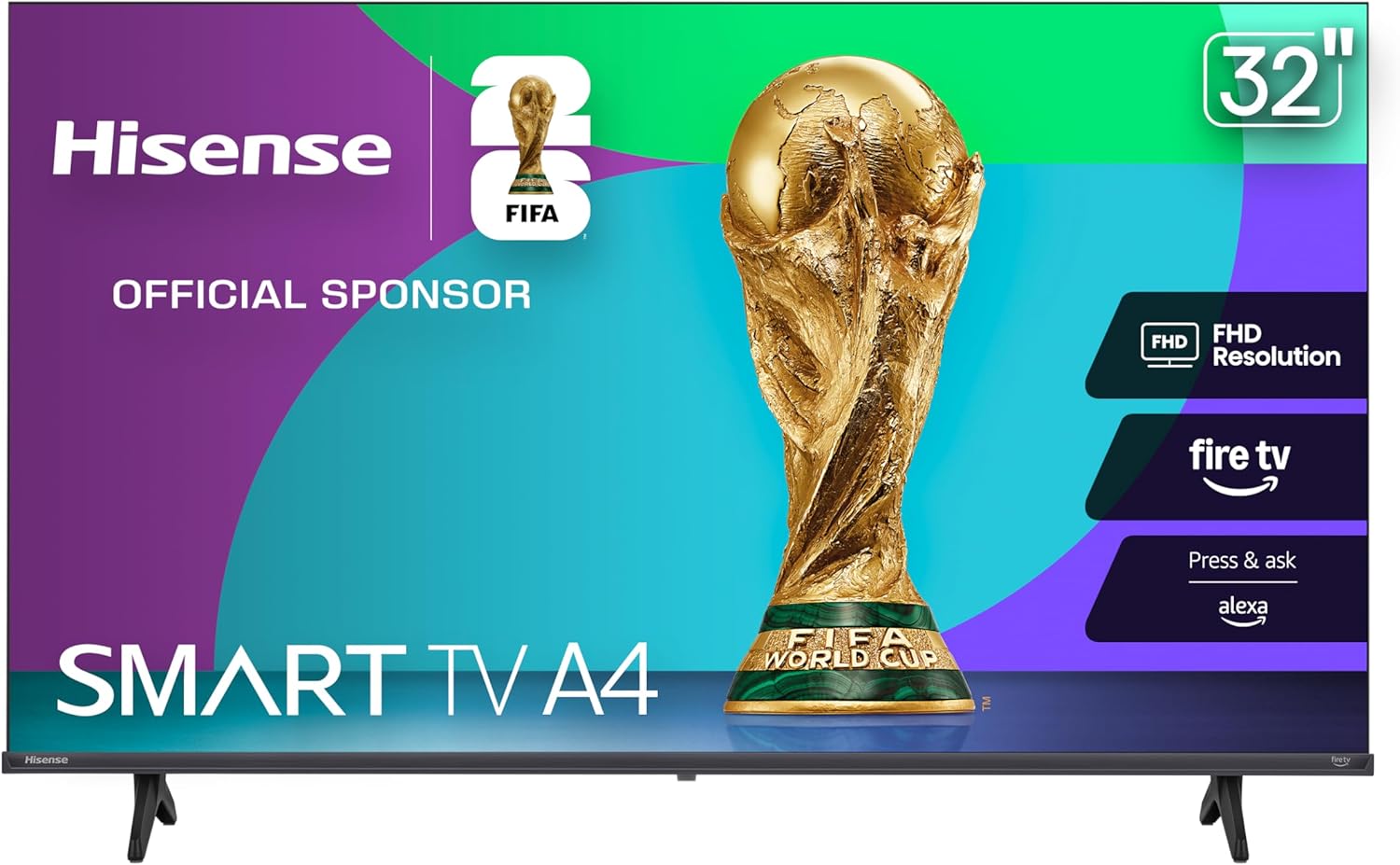
What to Look for When Buying Buying Guide
1. Budget & Price Range
Your budget is the foundation of your entire decision-making process. Apartment-friendly backyard TVs span a wide price spectrum—from under $300 for basic indoor models used in sheltered areas to over $3,000 for fully weatherized outdoor displays. The key is aligning your spending with your actual needs, not marketing hype.
For most apartment residents, a mid-range indoor TV (around $400–$800) used under a covered balcony or awning offers the best balance of performance and affordability. These models deliver excellent picture quality, smart features, and durability for light outdoor use—especially when paired with a protective cover or enclosure. Fully outdoor-rated TVs, while impressive, often come with a premium price tag that may not be justified unless you live in a region with harsh weather or lack any form of overhead protection.
It’s also worth considering hidden costs: mounting hardware, extension cords, surge protectors, and potential enclosure purchases can add $50–$200 to your total. Always factor these into your budget from the start to avoid surprises.
2. Performance Specifications
Picture quality remains paramount—even outdoors. However, performance metrics take on new importance when viewing conditions change. Brightness, measured in nits, is especially critical. Standard indoor TVs typically range from 250 to 400 nits, which may struggle in direct sunlight or bright daylight. For semi-outdoor use, aim for at least 500 nits; for brighter areas, 700+ nits is ideal.
Resolution is another key spec. While 4K UHD is now the standard for most new TVs, ensure your chosen model supports HDR (High Dynamic Range) for better contrast and color accuracy. Technologies like Dolby Vision or HDR10+ enhance outdoor viewing by preserving detail in both shadows and highlights—important when ambient light varies.
Refresh rate matters too, especially for sports or fast-paced content. A 60Hz panel is sufficient for casual viewing, but 120Hz models offer smoother motion and are worth the upgrade if you plan to watch live sports or play video games outdoors. Input lag under 20ms is ideal for gaming.
3. Build Quality & Duridity
Even if your TV isn’t fully exposed to the elements, apartment balconies and patios can still expose electronics to humidity, temperature swings, dust, and occasional splashes. Look for TVs with robust construction—metal frames, sealed ports, and minimal ventilation gaps help protect internal components.
While most indoor TVs aren’t rated for outdoor use, some manufacturers offer “weather-resistant” or “semi-outdoor” models with enhanced durability. These often feature anti-corrosion coatings, wider operating temperature ranges (-4°F to 122°F or better), and improved sealing around buttons and ports. Brands like SunBrite and Samsung’s The Terrace line specialize in this category, but again, they come at a premium.
If you’re using a standard indoor TV, consider investing in a weatherproof enclosure. These protective cases, made from polycarbonate or aluminum, shield the screen from rain, UV rays, and debris while allowing remote control signals to pass through. Just ensure the enclosure is properly ventilated to prevent overheating.
4. Features & Functionality
Smart capabilities are non-negotiable in 2024. Nearly every new TV comes with built-in streaming platforms like Roku, Android TV, or webOS, allowing direct access to Netflix, YouTube, Disney+, and more—no external box needed. This is especially convenient for outdoor setups where cable management is already a challenge.
Voice control via Alexa, Google Assistant, or Siri adds convenience, letting you change channels or adjust volume without fumbling for a remote. Bluetooth connectivity enables wireless audio to outdoor speakers or headphones—perfect for late-night viewing without disturbing neighbors.
Other useful features include HDMI-CEC (for controlling multiple devices with one remote), multiple HDMI ports (for gaming consoles or streaming sticks), and USB playback for local media. Some models even offer ambient light sensors that automatically adjust brightness based on surroundings—a subtle but helpful touch for outdoor use.
5. Brand Reputation
Not all TV brands are created equal—especially when it comes to reliability and long-term support. Stick with established names known for quality and customer service: Samsung, LG, Sony, TCL, and Hisense consistently rank high in consumer reports and professional reviews.
Samsung and LG lead in OLED and QLED technology, offering superior contrast and color. TCL and Hisense deliver exceptional value, often matching premium specs at lower prices. Sony excels in processing power and motion handling, ideal for sports fans.
Avoid unknown or off-brand manufacturers, particularly those selling ultra-cheap “outdoor TVs” online. These often cut corners on components, lack proper certifications, and offer minimal warranty coverage. A reputable brand may cost more upfront but saves money and frustration down the line.
6. Warranty & Support
Warranty terms can make or break your experience—especially when using a TV in less-than-ideal conditions. Standard indoor TVs typically come with a 1-year limited warranty, but this may void if used outdoors without proper protection. Always check the fine print.
Outdoor-specific models often include extended warranties (2–3 years) and cover weather-related damage. Some brands even offer on-site repair services for outdoor units. If you’re using an indoor TV outside, consider purchasing an extended warranty or third-party protection plan that covers accidental damage or environmental exposure.
Customer support responsiveness matters too. Look for brands with 24/7 phone support, online chat, and local service centers. Reading user forums and Reddit threads can reveal which companies stand behind their products—and which don’t.
7. Size & Portability
In apartment settings, space is at a premium. A 75-inch TV might be tempting, but it’s impractical for a 6-foot-wide balcony. Measure your available wall or stand space carefully before buying. Most experts recommend a screen size where the viewing distance is 1.5 to 2.5 times the diagonal screen size. For a 4–6 foot viewing distance, a 43–55 inch TV is ideal.
Portability is another consideration. If you rent and may move, a lighter, easier-to-disassemble TV is preferable. Wall mounts with quick-release mechanisms simplify relocation. Some users even opt for portable outdoor projectors as an alternative—though image quality and brightness usually lag behind TVs.
Weight also affects mounting options. Heavier TVs require stronger brackets and secure anchoring, which may not be feasible on thin balcony railings or rental-unit walls. Always verify your mounting surface can support the TV’s weight plus any enclosure.
8. User Reviews & Ratings
Never rely solely on manufacturer specs or flashy ads. Real-world user feedback reveals quirks, failures, and hidden strengths that specs sheets miss. Check Amazon, Best Buy, and specialized forums like AVS Forum or Reddit’s r/televisions for honest reviews.
Pay attention to comments about brightness in daylight, remote responsiveness through enclosures, and long-term reliability. Look for patterns: if multiple users report overheating after a few months outdoors, that’s a red flag. Conversely, consistent praise for ease of setup or smart features signals a solid choice.
Also consider professional reviews from trusted sources like RTINGS.com, CNET, or Wirecutter. These sites conduct rigorous testing on color accuracy, input lag, viewing angles, and more—giving you a data-driven foundation for comparison.
Different Types of Buying Guide

Common Buying Mistakes to Avoid
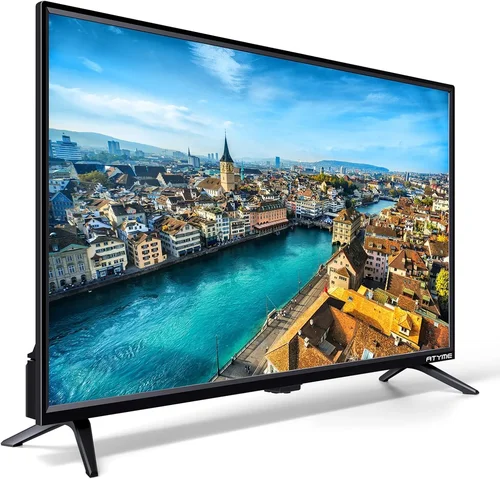
❌ Mistake: Using a Standard Indoor TV Fully Exposed to Weather
Why it’s bad: Most indoor TVs aren’t designed to handle moisture, temperature extremes, or UV exposure. Even brief rain can cause short circuits, and prolonged sun exposure can degrade the screen and internal components, leading to premature failure.
What to do instead: Only use indoor TVs under solid cover—like a roof, awning, or pergola with side shielding. If there’s any risk of direct exposure, invest in a certified weatherproof enclosure or choose a semi-outdoor model.
❌ Mistake: Ignoring Brightness Requirements
Why it’s bad: A dim TV washed out by sunlight ruins the viewing experience. Many buyers assume “4K” means “bright enough,” but resolution and brightness are unrelated. A 4K TV with 300 nits will look terrible in daylight.
What to do instead: Prioritize brightness (nits) over resolution alone. Aim for at least 500 nits for shaded areas and 700+ for brighter spots. Look for TVs with anti-reflective coatings to reduce glare.
❌ Mistake: Overlooking Power and Cable Management
Why it’s bad: Running extension cords across balconies creates tripping hazards and looks messy. Exposed cables can degrade from sun and rain, posing electrical risks.
What to do instead: Use outdoor-rated extension cords with GFCI protection. Conceal wires in cable raceways or under outdoor rugs. Consider wireless streaming devices to minimize cord clutter.
❌ Mistake: Choosing the Wrong Size for the Space
Why it’s bad: A TV too large overwhelms a small balcony; one too small forces squinting from close range. Both scenarios ruin comfort and usability.
What to do instead: Measure your space and calculate ideal screen size using the 1.5–2.5x rule. For most apartment balconies, 43–50 inches is the sweet spot.
❌ Mistake: Skipping the Mount or Using Weak Hardware
Why it’s bad: Improper mounting can lead to TVs falling, damaging property or injuring someone. Balcony railings and thin walls often can’t support heavy loads.
What to do instead: Use a sturdy, VESA-compatible wall mount rated for your TV’s weight. Anchor into structural studs or use concrete anchors for masonry. Test stability before finalizing.
❌ Mistake: Forgetting About Noise and Neighbors
Why it’s bad: Loud audio from outdoor TVs can disturb neighbors, especially in dense apartment complexes. Many buildings have quiet hours or noise ordinances.
What to do instead: Use wireless Bluetooth speakers pointed inward or invest in outdoor soundbars with directional audio. Keep volume moderate and consider headphones for late-night viewing.
❌ Mistake: Not Checking Rental Agreement Restrictions
Why it’s bad: Some landlords prohibit wall mounting, drilling, or permanent modifications. Violating lease terms can result in fines or eviction.
What to do instead: Review your lease or consult your landlord before installing. Use non-damaging mounts like tension rods or freestanding stands if drilling isn’t allowed.
Budget Guidelines: How Much Should You Spend?
- Entry-Level ($300–$500): Perfect for covered balconies with minimal exposure. Look for 43–50 inch 4K smart TVs from TCL or Hisense with 400–500 nits brightness. Expect basic HDR support and standard smart platforms. Great for casual streaming and movies.
- Mid-Range ($500–$900): The sweet spot for most apartment dwellers. Offers 50–55 inch screens with 500–700 nits, better HDR performance, and improved processing. Models from Samsung, LG, or higher-end TCLs include features like voice control, multiple HDMI ports, and smoother motion handling.
- Premium ($900–$1,800): Ideal for those wanting near-outdoor durability without full weatherproofing. Includes semi-outdoor rated TVs or high-brightness indoor models with enclosures. Expect 65-inch screens, Dolby Vision, 120Hz refresh rates, and robust build quality.
- Luxury ($1,800+): Reserved for fully exposed areas or enthusiasts. Fully outdoor TVs from SunBrite, Samsung The Terrace, or Seura offer all-weather resilience, extreme brightness (1,500+ nits), and professional-grade components. Overkill for most apartments but unmatched in performance.

Expert Tips for Getting the Best Deal
- Buy During Seasonal Sales: Major discounts occur during Black Friday, Cyber Monday, Amazon Prime Day, and post-holiday clearance events. Outdoor TVs often see steeper markdowns in late winter as demand drops.
- Shop Refurbished or Open-Box: Certified refurbished TVs from manufacturers or retailers like Best Buy offer near-new performance at 20–40% off. Ensure they include full warranties.
- Compare Online and In-Store: Online retailers often have lower prices and wider selection, but in-store purchases let you inspect build quality and test remotes. Use price-matching policies when possible.
- Check Return Policies: Outdoor use can reveal issues not apparent indoors. Choose retailers with generous return windows (30+ days) and free return shipping.
- Bundle with Accessories: Some sellers offer discounts when you buy a TV with a mount or streaming device. Look for package deals to save overall.
- Negotiate with Local Installers: If hiring a professional for mounting, ask about bundled rates for TV + installation. Many offer discounts for first-time customers.
- Monitor Price Tracking Tools: Use apps like Honey, CamelCamelCamel, or Keepa to track price history and get alerts when your desired TV drops.
- Consider Energy Efficiency: Look for ENERGY STAR-certified models to reduce long-term electricity costs—especially important if leaving the TV on frequently.

Frequently Asked Questions
Q: Can I use a regular indoor TV on my apartment balcony?
A: Yes—but only if it’s fully covered and protected from rain, direct sunlight, and extreme temperatures. Use a weatherproof enclosure for added safety, and avoid mounting it where wind or splashes could reach it.
Q: What’s the minimum brightness needed for outdoor viewing?
A: At least 500 nits for shaded areas; 700+ nits for brighter spots. Anything below 400 nits will likely appear washed out in daylight.
Q: Do I need a special mount for outdoor use?
A: Not necessarily, but the mount must be sturdy, corrosion-resistant, and properly anchored. Stainless steel or powder-coated aluminum mounts are best for outdoor environments.
Q: Will using an indoor TV outside void the warranty?
A: Possibly. Most manufacturers void warranties if the TV is used in conditions it wasn’t designed for. Check the warranty terms carefully before installation.
Q: Are outdoor TVs worth the high cost for apartment use?
A: Only if your space is fully exposed to weather. For covered balconies, a protected indoor TV offers better value and similar performance at a fraction of the cost.
Q: How do I hide cables on a balcony?
A: Use outdoor cable raceways, adhesive cord covers, or run wires through hollow balcony railings. Avoid loose cords that can trip people or degrade in sunlight.
Q: Can I stream content wirelessly to an outdoor TV?
A: Absolutely. Most smart TVs support Wi-Fi streaming via apps like Netflix, YouTube, and Disney+. For non-smart TVs, use a streaming stick like Roku or Fire TV.
Q: What’s the best size TV for a small balcony?
A: For viewing distances of 4–6 feet, a 43–50 inch TV is ideal. Larger screens may overwhelm the space and require closer viewing than recommended.
Q: Do outdoor TVs consume more power?
A: Not necessarily. Brightness and screen technology matter more than location. LED-backlit TVs are generally energy-efficient regardless of use case.
Q: Can I use a projector instead of a TV?
A: Yes, but projectors require darkness for good image quality and lack the brightness and convenience of TVs. They’re better for occasional use or movie nights.
Our Final Recommendations
- Best for Budget-Conscious Buyers: TCL 5-Series 50S555 – A 50-inch 4K QLED with 600 nits brightness, Dolby Vision, and Roku TV built-in. Priced under $500, it delivers exceptional value for covered outdoor use.
- Best Overall Value: Samsung QN50Q60C – This 50-inch QLED offers 700 nits, excellent color accuracy, and robust smart features. At around $700, it’s a versatile choice for most apartment setups.
- Best Premium Option: SunBrite Veranda Series 55-inch – Fully outdoor-rated with 1,000+ nits brightness, anti-glare screen, and all-weather durability. Ideal for uncovered rooftops or high-exposure areas.
- Best for Beginners: Hisense U6H 55U6H – User-friendly Google TV interface, 500 nits brightness, and solid 4K performance under $600. Great for first-time outdoor TV users.
- Best for Advanced Users: LG OLED55C3PUA – While not outdoor-rated, its infinite contrast, perfect blacks, and 800 nits peak brightness make it stunning in covered, dimly lit patios. Pair with a quality enclosure for best results.
Conclusion: Making the Right Choice
Choosing the best backyard TV for your apartment is about balancing practicality, performance, and protection. You don’t need to break the bank on a fully outdoor model if your space is sheltered—but you also can’t cut corners on brightness, build quality, or safety. By prioritizing your specific environment, understanding key specs like nits and HDR, and avoiding common pitfalls like improper mounting or weather exposure, you can create an outdoor entertainment oasis that enhances your lifestyle without compromising your lease or your wallet.
Remember: the goal isn’t to replicate a living room setup—it’s to adapt smart technology to your unique space. Whether you’re watching sunset dramas from your 4th-floor balcony or hosting friends for a game night under string lights, the right TV can transform a small outdoor area into a personal retreat. Take your time, do your research, and invest wisely. Your future self—and your neighbors—will thank you.