
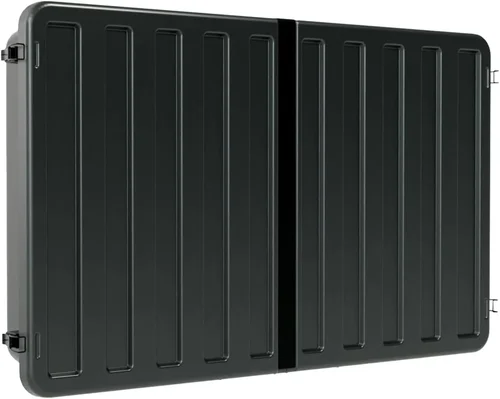
Outdoor sports watching has evolved from a casual backyard activity into a full-fledged entertainment experience. Whether you’re hosting a Super Bowl party, cheering on your favorite soccer team during the World Cup, or gathering friends for a late-night baseball game under the stars, having the right patio TV can make all the difference. But choosing the perfect outdoor television isn’t as simple as buying an indoor model and mounting it outside. Sunlight glare, temperature swings, humidity, dust, and even rain can quickly damage a standard TV—and ruin your game-day fun.
That’s where this comprehensive buying guide comes in. We’ve tested, researched, and analyzed the latest outdoor TVs to help you make a smart, informed decision. Whether you’re a weekend warrior hosting casual watch parties or a die-hard sports fan who treats every match like a championship event, this guide will walk you through everything you need to know. You’ll learn how to evaluate key performance specs, understand durability ratings, compare different types of outdoor displays, avoid common pitfalls, and find the best value for your budget. By the end, you’ll have the confidence to choose a patio TV that delivers stunning picture quality, stands up to the elements, and enhances your outdoor living space for years to come.
The market for outdoor TVs has grown significantly in recent years, driven by advancements in display technology and a surge in outdoor entertainment trends. What was once a niche category dominated by a handful of specialty brands now includes options from major electronics manufacturers like Samsung, LG, and Sony, alongside dedicated outdoor specialists such as SunBriteTV and Seura. Prices range from under $1,000 for basic weather-resistant models to over $10,000 for premium, fully sealed 4K HDR displays with built-in heaters and anti-glare coatings. With so many choices—and so many factors to consider—it’s easy to feel overwhelmed. But don’t worry: we’ve done the heavy lifting so you don’t have to.

What to Look for When Buying Buying Guide
1. Brightness & Anti-Glare Performance
One of the most critical factors for any outdoor TV is brightness—measured in nits. Indoor TVs typically range from 300 to 600 nits, which is fine for dimly lit rooms but completely inadequate for direct sunlight. For patios, decks, or poolside setups exposed to daylight, you’ll want a display with at least 700 nits, but ideally 1,000 nits or higher. High brightness ensures that colors remain vivid and details stay visible even when the sun is shining directly on the screen.
Equally important is anti-glare technology. Many outdoor TVs feature optically bonded glass or specialized matte finishes that diffuse reflections rather than reflecting them like a mirror. This is crucial for maintaining image clarity during daytime viewing. Look for models with “direct sunlight readable” or “full sun” ratings—these are engineered specifically for bright environments. Some premium units even include automatic brightness sensors that adjust output based on ambient light conditions, ensuring optimal visibility without wasting energy at night.
2. Weather Resistance & IP Rating
Not all TVs labeled “outdoor” are created equal when it comes to weather protection. The key metric here is the Ingress Protection (IP) rating, which tells you how well the unit resists dust and moisture. For outdoor use, look for an IP55 rating or higher. IP55 means the TV is protected against dust (limited ingress) and low-pressure water jets from any direction—perfect for rain, sprinklers, or accidental splashes.
Some high-end models boast IP66 or even IP67 ratings, offering near-total protection against dust and powerful water jets or temporary immersion. These are ideal for coastal areas, heavy rain zones, or installations near pools or hot tubs. Additionally, check whether the TV includes internal climate control features like built-in heaters or cooling fans. These help regulate internal temperature in extreme cold or heat, preventing condensation and component damage.
Always verify that the manufacturer specifies the TV for “outdoor use” and provides clear guidelines on installation location (e.g., covered vs. fully exposed). Never assume an indoor TV with a weatherproof cover will perform as well as a purpose-built outdoor model—the difference in longevity and reliability is significant.
3. Display Technology: LED vs. OLED vs. QLED
The type of display panel affects not just picture quality but also suitability for outdoor environments. Most outdoor TVs use LED-backlit LCD panels because they offer high brightness, durability, and cost-effectiveness. However, within this category, there are important distinctions:
- Standard LED: Affordable and bright, but may lack deep blacks and wide viewing angles.
- QLED (Quantum Dot LED): Offers richer colors, higher peak brightness, and better color accuracy—ideal for vibrant sports broadcasts.
- OLED: Rarely used in true outdoor TVs due to lower peak brightness and susceptibility to image retention in static scoreboards or logos. However, some hybrid outdoor-indoor models may include OLED, but only for shaded or covered patios.
For most patio setups, QLED is the sweet spot: it delivers the brightness needed for daylight viewing while maintaining excellent color reproduction for fast-moving sports action. Avoid OLED unless your setup is fully shaded and used primarily at night.
4. Size & Viewing Distance
Choosing the right screen size depends on your seating arrangement and typical viewing distance. A common rule of thumb is that your viewing distance should be about 1.5 to 2.5 times the diagonal screen size. For example, a 65-inch TV is best viewed from 8 to 13 feet away.
On a typical patio, 55 to 75 inches is the most practical range. Smaller screens (under 50 inches) may feel cramped for group viewing, while anything over 80 inches requires significant space and a higher budget. Also consider the TV’s bezel width—slim bezels create a more immersive experience and look better in modern outdoor settings.
Don’t forget to account for mounting height. The center of the screen should be at or slightly below eye level when seated. For elevated patios or decks, consider a tiltable or full-motion wall mount to optimize viewing angles.
5. Smart Features & Connectivity
Modern outdoor TVs come packed with smart capabilities, but not all platforms are equally suited for outdoor use. Look for models running robust operating systems like Android TV, webOS (LG), or Tizen (Samsung), which offer access to streaming apps like Netflix, YouTube, ESPN+, and Paramount+. Ensure the interface is responsive—laggy menus can be frustrating during live sports.
Connectivity is equally vital. You’ll want multiple HDMI ports (preferably HDMI 2.1 for future-proofing), USB inputs, Wi-Fi 6 support, and Bluetooth for wireless audio. Some models include built-in speakers, but for serious sports watching, we recommend connecting to an outdoor soundbar or wireless speaker system. Check for audio output options like optical or RCA if you plan to use external audio gear.
Voice control via Google Assistant or Alexa is a nice bonus, especially if you’re controlling the TV from across the patio. Just ensure the microphone isn’t overly sensitive to wind noise.
6. Build Quality & Durability
An outdoor TV isn’t just exposed to weather—it’s also subject to vibrations from nearby foot traffic, wind, or even pool pumps. High-quality construction matters. Look for rigid metal chassis (not plastic), sealed seams, and corrosion-resistant hardware. The stand or mounting bracket should be sturdy and compatible with VESA standards.
Pay attention to cable management. Outdoor TVs often include hidden compartments or grommets to route cables safely away from moisture. This not only protects your wires but also keeps your setup looking clean and professional.
Finally, consider the finish. Matte black or dark gray housings minimize reflections and blend well with outdoor décor, while glossy finishes can create distracting glare.
7. Brand Reputation & Ecosystem Compatibility
Stick with reputable brands that specialize in or have a proven track record with outdoor displays. SunBriteTV, for instance, has been making outdoor TVs for over a decade and offers extensive warranty coverage. Samsung and LG have entered the space with models like the Samsung The Terrace and LG OLED GX Outdoor Edition, backed by strong customer support and software updates.
If you already own smart home devices (e.g., Ring cameras, Nest thermostats, or Sonos speakers), choose a TV that integrates seamlessly with your ecosystem. This simplifies control and enhances the overall experience.
8. Warranty & Support
Outdoor TVs are a significant investment, so robust warranty coverage is non-negotiable. Most reputable brands offer 2–3 years of limited warranty, but some extend coverage to 5 years or include on-site service. Read the fine print: does the warranty cover weather-related damage? What about accidental drops or power surges?
Customer support responsiveness is another factor. Can you reach a human quickly? Are replacement parts readily available? Check user forums and review sites for real-world experiences with post-purchase service.
Different Types of Buying Guide
Common Buying Mistakes to Avoid
❌ Mistake: Buying an Indoor TV for Outdoor Use
Why it’s bad: Indoor TVs lack the brightness, weather sealing, and thermal management needed for outdoor environments. Even with a cover, they’re prone to overheating, moisture damage, and screen washout in sunlight. Most manufacturers void warranties if used outside.
What to do instead: Invest in a TV specifically designed for outdoor use or use a certified weatherproof enclosure if you must repurpose an indoor model.
❌ Mistake: Ignoring Viewing Angle Requirements
Why it’s bad: Patio seating is often spread out. A TV with narrow viewing angles will look washed out or distorted for viewers sitting off-center, ruining the group experience.
What to do instead: Choose a model with IPS or wide-viewing-angle technology. Look for specifications that mention “178-degree viewing angle” or similar.
❌ Mistake: Overlooking Audio Needs
Why it’s bad: Built-in TV speakers are usually weak and muffled outdoors due to open space and ambient noise. You’ll miss crucial commentary and crowd sounds during games.
What to do instead: Pair your TV with weather-resistant outdoor speakers or a soundbar. Many modern TVs support Bluetooth audio for wireless setups.
❌ Mistake: Skimping on Mounting Hardware
Why it’s bad: Standard indoor mounts aren’t built to handle wind loads or corrosion. A poorly mounted TV can fall, causing injury or damage.
What to do instead: Use a marine-grade or outdoor-rated mount with rust-proof hardware. Consider professional installation for heavy units or high-wind areas.
❌ Mistake: Not Planning for Cable Management
Why it’s bad: Exposed cables are unsightly, trip hazards, and vulnerable to water damage. They can also interfere with Wi-Fi signals.
What to do instead: Choose a TV with integrated cable channels or use conduit raceways. Route power and HDMI cables through walls or under decking whenever possible.
❌ Mistake: Forgetting About Power Supply Protection
Why it’s bad: Outdoor electrical outlets are susceptible to surges from lightning or grid fluctuations, which can fry your TV’s electronics.
What to do instead: Use a high-quality outdoor surge protector or whole-home surge suppression system. Never plug directly into an unprotected outlet.
❌ Mistake: Assuming All “Outdoor” TVs Are Equal
Why it’s bad: Marketing terms like “weather-resistant” can be misleading. Some models are only suitable for covered areas, not full exposure.
What to do instead: Read product descriptions carefully. Look for IP ratings, brightness specs, and explicit use-case recommendations from the manufacturer.
Budget Guidelines: How Much Should You Spend?
Outdoor TVs represent a premium category, but pricing tiers help align your spend with your needs:
- Entry-Level ($800 – $1,800): Best for covered patios or occasional use. These are often indoor TVs in weatherproof enclosures or basic partial-shade models. Expect 500–700 nits brightness, limited smart features, and shorter warranties. Ideal for casual viewers on a tight budget.
- Mid-Range ($1,800 – $4,000): The sweet spot for most homeowners. These include purpose-built partial-shade or light-exposure TVs with 700–1,000+ nits brightness, QLED panels, full smart platforms, and solid build quality. Great for regular sports watching in semi-covered areas.
- Premium ($4,000 – $8,000): For enthusiasts and those with fully exposed setups. Features include IP65+ ratings, 1,000+ nits brightness, anti-glare glass, built-in climate control, and premium audio. Models like the SunBriteTV Veranda series or Samsung The Terrace fall here.
- Luxury ($8,000+): Top-tier all-weather TVs with commercial-grade durability, 4K HDR, OLED options (for shaded areas), and extended warranties. Perfect for luxury homes, resorts, or serious entertainers who demand perfection.

Expert Tips for Getting the Best Deal
- Shop during off-seasons: Prices drop significantly in late winter (February–March) and early fall (September–October) when demand for outdoor gear is lowest. Avoid summer and holiday periods.
- Compare retailers: Big-box stores (Best Buy, Costco) often have competitive pricing and return policies, while specialty dealers (Crutchfield, Abt) offer expert advice and bundled deals. Online marketplaces like Amazon may have discounts but check seller ratings.
- Look for open-box or refurbished units: Many retailers sell returned or demo models at 15–30% off with full warranties. These are often indistinguishable from new units.
- Negotiate installation bundles: Some sellers offer free mounting or cable management when you buy the TV and accessories together.
- Check for rebates: Manufacturers occasionally run promotions, especially during major sporting events (Super Bowl, World Cup). Sign up for newsletters to stay informed.
- Test before committing: If possible, visit a showroom to see the TV in bright lighting. Pay attention to color accuracy, motion handling, and menu responsiveness.
- Read return policies carefully: Outdoor TVs are bulky and expensive to return. Ensure you have at least 30 days to test the unit in your actual environment.
- Consider financing: Many retailers offer 0% APR financing for 12–24 months, making high-end models more accessible without upfront strain.

Frequently Asked Questions
Q: Can I use a regular TV outdoors if it’s under a roof?
A: Technically yes, but it’s not recommended for long-term use. Even under cover, humidity, temperature swings, and indirect moisture can damage internal components. A partial-shade outdoor TV or a weatherproof enclosure is a safer, more reliable choice.
Q: Do outdoor TVs consume more power?
A: Not necessarily. While they’re brighter, many use efficient LED backlighting and power-saving modes. Look for ENERGY STAR certification to ensure efficiency. Brightness can be manually reduced at night to save energy.
Q: How do I clean an outdoor TV screen?
A: Use a microfiber cloth and a mild solution of water and isopropyl alcohol (50/50). Never spray liquid directly on the screen. Avoid ammonia-based cleaners, which can damage anti-glare coatings.
Q: Will an outdoor TV work in freezing temperatures?
A: Yes, if it includes a built-in heater or is rated for cold climates. Most all-weather models operate from -22°F to 122°F (-30°C to 50°C). Check the spec sheet for operating temperature range.
Q: Can I mount an outdoor TV on a brick or stucco wall?
A: Absolutely. Use appropriate masonry anchors and ensure the mount is rated for the TV’s weight. Consider hiring a professional if you’re unsure about structural integrity.
Q: Do outdoor TVs come with stands, or do I need a wall mount?
A: Most are designed for wall mounting, but some include sturdy outdoor-rated stands. Wall mounting is generally preferred for stability and space savings.
Q: How long do outdoor TVs last?
A: With proper care, 7–10 years is typical. Higher-end models with better thermal management and sealing tend to last longer. Avoid leaving them on 24/7 unless designed for continuous operation.
Q: Can I stream live sports on an outdoor TV?
A: Yes! As long as it has smart capabilities and a stable Wi-Fi connection. Apps like ESPN, Fox Sports, Peacock, and YouTube TV all support live streaming. Ensure your internet speed is at least 25 Mbps for 4K content.
Q: Are outdoor TVs safe during thunderstorms?
A: The TV itself is safe if properly grounded, but always unplug it during severe storms to avoid power surge damage. Use a surge protector as an added layer of security.
Q: What’s the difference between “partial shade” and “full sun” outdoor TVs?
A: Partial-shade models are for covered areas with minimal direct sunlight (e.g., under a pergola). Full-sun TVs are built for direct exposure, with higher brightness (1,000+ nits), superior anti-glare, and enhanced cooling.
Our Final Recommendations
- Best for Budget-Conscious Buyers: SunBriteTV 55-inch Partial Shade Series – Around $1,600. Excellent brightness (700 nits), solid build, and reliable performance for covered patios.
- Best Overall Value: Samsung The Terrace 65-inch QLED – Priced at ~$3,500. Combines stunning picture quality, IP55 rating, and seamless smart features. Ideal for most backyard setups.
- Best Premium Option: SunBriteTV 75-inch Pro Series – At ~$7,500, this is a beast: 2,000 nits brightness, IP66 rating, built-in heater, and commercial-grade durability. Perfect for full-sun luxury patios.
- Best for Beginners: LG 55-inch OLED GX Outdoor Edition (for shaded areas) – ~$2,800. Gorgeous contrast and colors, easy setup, and intuitive webOS interface. Only for covered use.
- Best for Advanced Users: Seura 70-inch Ultra Bright Outdoor TV – ~$6,200. Features advanced anti-reflective coating, modular design, and customizable bezels. Built for tech-savvy entertainers.
Conclusion: Making the Right Choice
Choosing the right patio TV for outdoor sports watching is about balancing performance, durability, and budget—all while matching the unit to your specific environment and usage habits. Remember: brightness and weather resistance are non-negotiable for anything beyond casual, shaded use. Don’t cut corners on build quality or mounting, and always prioritize long-term reliability over short-term savings.
Take the time to assess your patio’s exposure, typical viewing conditions, and how often you’ll use the TV. Read real user reviews, compare IP ratings and nit levels, and don’t hesitate to invest in accessories that enhance safety and usability. Whether you’re watching March Madness with family or hosting a World Cup final for twenty friends, the right outdoor TV will transform your space into a true entertainment destination.
Now that you’re armed with expert knowledge, it’s time to make your purchase with confidence. Your perfect game-day setup is just a decision away—go forth and enjoy every touchdown, goal, and home run in stunning clarity, rain or shine.

