Keeping your outdoor TV clean ensures clear picture quality and extends its lifespan. This guide walks you through safe cleaning methods, tools, and maintenance tips specifically for poolside environments where moisture, chlorine, and debris are common.
Key Takeaways
- Turn off and unplug the TV before cleaning: Always ensure safety first by disconnecting power to avoid electrical hazards.
- Use only recommended cleaning solutions: Avoid ammonia, alcohol, or abrasive cleaners that can damage anti-reflective coatings.
- Microfiber cloths are essential: They gently remove dust and smudges without scratching the screen.
- Clean regularly to prevent buildup: Weekly light cleaning prevents grime from hardening and becoming difficult to remove.
- Protect from direct sunlight and water exposure: Even weatherproof TVs need proper placement and covers when not in use.
- Check manufacturer guidelines: Always follow your TV’s specific care instructions to avoid voiding the warranty.
- Inspect seals and vents during cleaning: Ensure no moisture or debris is trapped in openings that could cause internal damage.
How to Clean Outdoor TV for Pool Area
If you’ve invested in an outdoor TV for your pool area, you know how amazing it is to enjoy movies, sports, or music while lounging by the water. But with that convenience comes responsibility—your TV is exposed to sun, humidity, chlorine mist, dust, and even accidental splashes. Over time, these elements can dull the screen, leave stubborn stains, or even damage internal components if not properly maintained.
Cleaning your outdoor TV isn’t the same as wiping down a living room screen. Poolside environments demand extra care. The good news? With the right tools, techniques, and routine, you can keep your outdoor TV looking sharp and performing well for years.
In this guide, you’ll learn exactly how to clean your outdoor TV for a pool area—safely, effectively, and without risking damage. We’ll cover everything from pre-cleaning prep to deep-cleaning methods, troubleshooting common issues, and maintaining your TV through every season. Whether you have a full outdoor-rated TV or a weatherproof enclosure, these steps will help you protect your investment.
Let’s dive in.
Why Cleaning Your Outdoor TV Matters
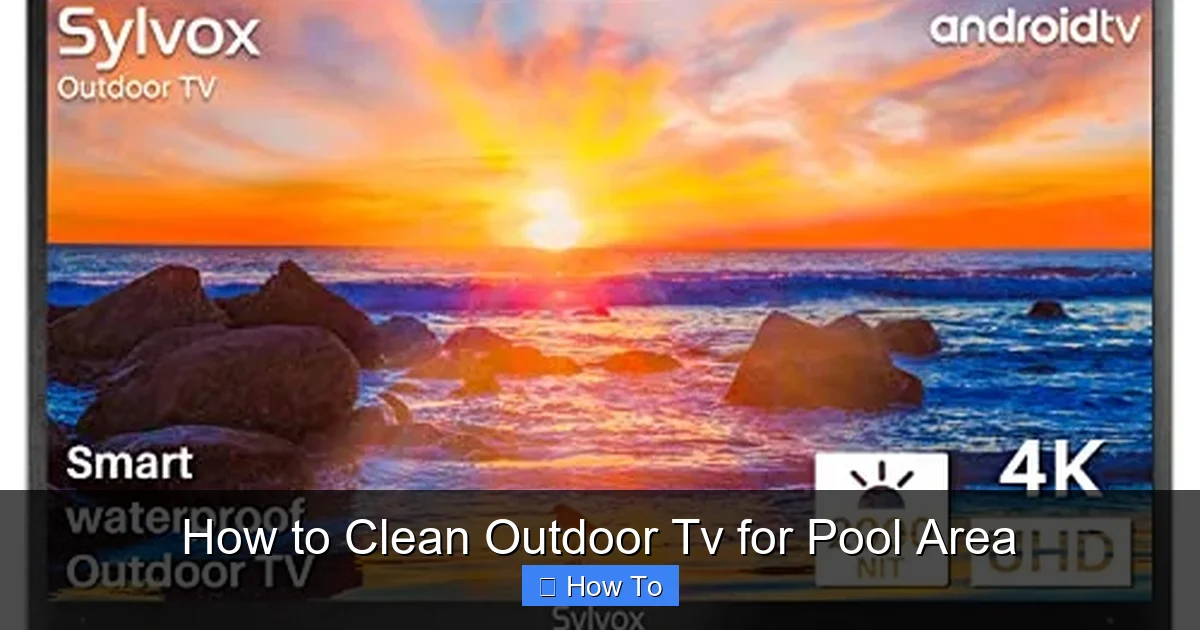
Visual guide about How to Clean Outdoor Tv for Pool Area
Image source: fernseher.org
Outdoor TVs are built to withstand the elements, but that doesn’t mean they’re maintenance-free. In a pool area, your TV faces unique challenges:
– Chlorine and salt residue: Pool chemicals can become airborne and settle on the screen, leaving cloudy or sticky deposits.
– Humidity and moisture: Constant exposure to water vapor can lead to fogging or condensation inside the screen if seals are compromised.
– Dust and pollen: Outdoor environments collect more airborne particles, which can scratch the screen if wiped improperly.
– UV exposure: Prolonged sunlight can degrade screen coatings and cause discoloration over time.
– Accidental splashes: Even weatherproof TVs aren’t meant to be drenched. Water spots and mineral deposits can form if splashes aren’t wiped away.
Regular cleaning not only improves picture clarity but also helps you spot potential issues early—like loose seals or corrosion—before they become serious problems. A clean TV also looks more inviting and enhances your outdoor entertainment experience.
What You’ll Need to Clean Your Outdoor TV
Before you start, gather the right tools. Using the wrong materials can do more harm than good. Here’s a checklist of what you’ll need:
- Microfiber cloths (lint-free): These are gentle on screens and won’t leave streaks or scratches. Have at least two—one for dry dusting, one for damp cleaning.
- Distilled water: Tap water contains minerals that can leave spots. Distilled water ensures a clean, streak-free finish.
- Mild dish soap (optional): A drop of gentle, non-abrasive soap can help break down oily residues. Avoid anything with degreasers or fragrances.
- Isopropyl alcohol (70% or less, optional): Only use if recommended by your manufacturer for tough grime. Never apply directly to the screen.
- Soft-bristle brush or compressed air: For removing dust from vents, seams, and hard-to-reach areas.
- Spray bottle: To lightly mist your cleaning solution—never spray directly on the TV.
- Soft, dry towel: For drying the frame and bezel after cleaning.
- TV cover or canopy (recommended): To protect the TV when not in use, especially during rain or heavy pool activity.
Avoid paper towels, tissues, or rough cloths—they can scratch the screen. Also, never use window cleaners like Windex, which contain ammonia and can strip protective coatings.
Step-by-Step Guide to Cleaning Your Outdoor TV
Follow these steps carefully to clean your outdoor TV safely and effectively. Always prioritize safety and gentleness.
Step 1: Turn Off and Unplug the TV
Before touching anything, make sure the TV is completely powered down and unplugged from the outlet. This prevents electrical shock and protects the internal components from moisture.
Even if your TV is on a weatherproof outlet or GFCI-protected circuit, it’s best to disconnect it during cleaning. If your TV is hardwired, turn off the circuit breaker that controls it.
Let the TV cool down if it’s been running. Hot screens are more prone to damage from sudden temperature changes or liquid exposure.
Step 2: Dust the Screen and Frame
Start with a dry clean to remove loose dust, pollen, and debris.
Use a clean, dry microfiber cloth to gently wipe the screen in a circular motion. Don’t press hard—let the cloth do the work. For the frame, bezel, and stand, use the same cloth or a soft-bristle brush to dislodge dust.
Pay special attention to the edges and corners where grime tends to accumulate. If there’s dust in the ventilation slots or around the speakers, use compressed air to blow it out. Hold the can upright and spray in short bursts to avoid moisture buildup.
This dry pass prevents scratching the screen when you move to wet cleaning.
Step 3: Prepare Your Cleaning Solution
For most outdoor TVs, a simple distilled water solution is enough. Fill a spray bottle with distilled water. If the screen has oily fingerprints or sticky residue from pool chemicals, add one drop of mild dish soap.
Shake gently to mix—don’t create suds. For tougher buildup (like dried chlorine spots), you can use a 50/50 mix of distilled water and isopropyl alcohol (70% or less). But only if your TV’s manual allows it. When in doubt, stick to water.
Never use vinegar, bleach, or commercial glass cleaners. These can damage anti-glare coatings and degrade plastic components.
Step 4: Dampen the Cloth, Not the Screen
Here’s a crucial tip: never spray liquid directly onto the TV screen. This can cause liquid to seep into the edges, damaging internal electronics.
Instead, lightly mist your microfiber cloth with the cleaning solution. The cloth should be damp, not wet. Wring out any excess moisture.
Start at the top of the screen and wipe downward in straight, overlapping lines. Use gentle pressure—no need to scrub. For stubborn spots, hold the damp cloth over the area for a few seconds to loosen the grime, then wipe gently.
Avoid getting moisture into ports, buttons, or ventilation areas. If you’re cleaning around the bezel, use a separate cloth or a cotton swab for precision.
Step 5: Dry the Screen and Frame
After wiping, use a second dry microfiber cloth to buff the screen. This removes any remaining moisture and prevents streaks.
Wipe the frame, stand, and any exposed metal parts with a soft dry towel. If you notice water spots on the frame (common with hard water), wipe them immediately to prevent mineral buildup.
Let the TV air-dry for a few minutes before plugging it back in. This ensures no hidden moisture remains.
Step 6: Clean the TV Cover or Enclosure
If your TV is in a weatherproof enclosure or has a protective cover, clean that too. Use the same damp cloth method to wipe down the exterior.
Check the seals and gaskets for dirt or mold. Wipe them gently with a cloth dampened with distilled water. Damaged or cracked seals should be replaced to maintain weather resistance.
If your cover is fabric or vinyl, follow the manufacturer’s cleaning instructions. Some can be wiped with a mild soap solution, while others may need specialized cleaners.
Step 7: Reconnect and Test
Once everything is dry, plug the TV back in and turn it on. Check that the picture is clear and all functions work properly.
If you notice fogging, flickering, or discoloration, power off immediately and inspect for moisture intrusion. In rare cases, internal condensation may occur—this usually resolves on its own, but persistent issues should be checked by a professional.
How Often Should You Clean Your Outdoor TV?
Cleaning frequency depends on your pool usage and climate, but here’s a general guideline:
– Weekly: Light dusting with a dry microfiber cloth. This prevents buildup and keeps the screen looking sharp.
– Bi-weekly: Damp cleaning if you notice smudges, chlorine residue, or splashes.
– Monthly: Deep clean including vents, seals, and the enclosure.
– After heavy use or storms: Always inspect and clean if the TV was exposed to rain, windblown debris, or intense pool activity.
In humid or coastal areas, you may need to clean more often due to salt and moisture. In dry climates, dust may be the main concern.
Tips for Maintaining Your Outdoor TV Year-Round
Cleaning is just one part of outdoor TV care. Follow these tips to keep your TV in top condition:
Use a TV Cover When Not in Use
Even weatherproof TVs benefit from a cover. Use a breathable, UV-resistant cover to protect against sun, rain, and pool splashes. Avoid plastic covers that trap moisture—this can lead to mold or condensation.
Choose a cover that fits snugly but allows airflow. Some covers come with vents or are made from moisture-wicking materials.
Position the TV Strategically
Mount your TV under a covered patio, pergola, or awning. This reduces direct sun and rain exposure. Aim the screen away from the pool to minimize splashes.
Ensure the mounting bracket is secure and rated for outdoor use. Check it periodically for rust or loosening.
Monitor Humidity and Condensation
High humidity can cause condensation inside the TV, especially at night. If you notice fogging that doesn’t clear, it may indicate a seal failure.
Use a dehumidifier in enclosed outdoor spaces or consider a TV with built-in humidity control. Some outdoor models have internal heaters to prevent condensation.
Inspect Cables and Connections
Outdoor cables are prone to wear from UV exposure and moisture. Check HDMI, power, and antenna cables regularly for cracks, fraying, or corrosion.
Use weatherproof cable sleeves or conduit to protect connections. Seal any exposed ports with silicone caps when not in use.
Schedule Professional Inspections
Once a year, have a technician inspect your outdoor TV setup. They can check internal components, seals, and electrical safety—especially important in wet environments.
This is also a good time to update firmware or replace worn parts.
Troubleshooting Common Cleaning Issues
Even with careful cleaning, problems can arise. Here’s how to handle common issues:
Streaks or Haze on the Screen
This usually happens when too much liquid is used or the wrong cleaner is applied. To fix it:
– Turn off the TV and let it dry completely.
– Wipe the screen with a dry microfiber cloth.
– If haze remains, use a fresh cloth dampened with distilled water only.
– Buff gently until clear.
Avoid using multiple cleaners in one session—this can react and leave residues.
Stubborn Chlorine or Salt Residue
Pool chemicals can leave white, crusty deposits. Don’t scrub—this can scratch the screen.
– Soak a cloth in distilled water and lay it over the spot for 2–3 minutes.
– Gently wipe with light pressure.
– Repeat if needed. For very tough buildup, a 50/50 water-alcohol mix may help (if approved by the manufacturer).
Never use abrasive pads or scrapers.
Moisture Inside the Screen
If you see fogging or water droplets between the glass layers, power off the TV immediately. This indicates a seal failure.
– Do not attempt to open the TV—this voids the warranty and risks electrocution.
– Contact the manufacturer or a certified repair technician.
– In some cases, the TV may need to be replaced if internal damage has occurred.
Scratches on the Screen
Minor scratches can sometimes be minimized with a screen polish designed for TVs. Apply with a microfiber cloth using light, circular motions.
Deep scratches cannot be repaired and may require screen replacement. Prevention is key—always use soft cloths and avoid touching the screen with dirty hands.
When to Call a Professional
While most cleaning tasks can be done at home, some situations require expert help:
– Persistent moisture or fogging inside the screen.
– Electrical issues like flickering, no power, or burning smells.
– Physical damage to the screen, frame, or mounting hardware.
– Warranty-covered repairs—DIY cleaning is usually allowed, but internal repairs are not.
Always refer to your TV’s warranty terms. Improper cleaning or disassembly can void coverage.
Conclusion
Cleaning your outdoor TV for the pool area doesn’t have to be complicated—but it does require care and consistency. By following the steps in this guide, you’ll protect your investment, maintain picture quality, and enjoy uninterrupted entertainment by the water.
Remember: safety first, gentle tools only, and regular maintenance are the keys to success. Turn off the TV, use the right cleaning solutions, and never rush the process. A little effort each week goes a long way in preventing major issues down the road.
Your outdoor TV is more than just a screen—it’s the centerpiece of your backyard oasis. Treat it well, and it will deliver years of crystal-clear viewing, rain or shine.