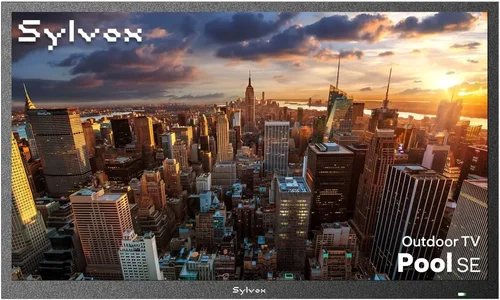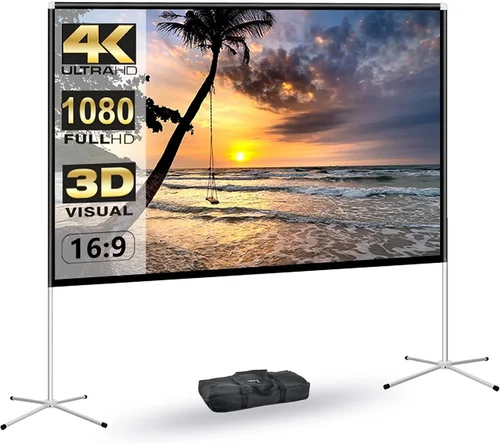
Backyard movie nights have become one of the most beloved ways to enjoy entertainment under the stars. Whether you’re hosting a family gathering, a romantic evening with your partner, or a fun-filled block party, having the right outdoor TV setup can transform your backyard into a personal drive-in theater. But choosing the best backyard TV isn’t as simple as picking up any old television and mounting it outside. Outdoor environments present unique challenges—harsh sunlight, unpredictable weather, temperature swings, and potential moisture exposure—that can quickly damage standard indoor TVs.
That’s where this comprehensive buying guide comes in. We’ve tested, researched, and analyzed dozens of outdoor TVs and display solutions to help you make an informed decision. Whether you’re a first-time buyer or upgrading from a projector setup, this guide will walk you through everything you need to know: from understanding key performance specs to avoiding costly mistakes, comparing different types of outdoor displays, and finding the best value for your budget. By the end, you’ll have the confidence to choose a TV that delivers stunning picture quality, stands up to the elements, and enhances your outdoor living experience for years to come.
The market for outdoor TVs has evolved significantly in recent years. What was once a niche category dominated by a few expensive, weatherproof models has now expanded to include a wide range of options—from fully sealed outdoor TVs designed for permanent installation to portable, weather-resistant models perfect for temporary setups. Brands like SunBriteTV, Samsung, LG, and Sony have stepped up their game, while newer entrants offer budget-friendly alternatives without sacrificing too much on quality. With advancements in display technology, brightness, and durability, there’s never been a better time to invest in a backyard TV. This guide will help you navigate the options and find the perfect fit for your space, needs, and lifestyle.

What to Look for When Buying Buying Guide
1. Brightness & Outdoor Visibility
One of the most critical factors when choosing a backyard TV is brightness, measured in nits. Indoor TVs typically range from 300 to 500 nits, which is fine for dimly lit living rooms but completely inadequate for outdoor use. Sunlight, even on overcast days, can wash out a dim screen, making it impossible to see the picture clearly. For outdoor viewing, you’ll want a TV with a minimum of 700 nits, but ideally 1,000 nits or higher for daytime viewing.
Look for models specifically labeled as “outdoor TVs” or “weatherproof displays,” as these are engineered with high-brightness panels and anti-glare coatings. Some premium models feature direct sunlight readability, meaning they can deliver a clear image even when the sun is shining directly on the screen. If you plan to host movie nights during the day or in bright afternoon light, this feature is non-negotiable.
2. Weather Resistance & IP Rating
Outdoor TVs must withstand rain, snow, dust, and temperature extremes. Unlike indoor TVs, which are only expected to handle mild humidity, outdoor models need robust protection. This is where the IP (Ingress Protection) rating comes into play. The IP rating consists of two numbers: the first indicates protection against solid particles (like dust), and the second against liquids (like rain).
For backyard use, look for a TV with at least an IP55 rating—this means it’s protected against dust and low-pressure water jets from any direction. Higher-end models may offer IP65 or IP66 ratings, providing even greater protection. Some outdoor TVs come with built-in weatherproof enclosures, while others require a separate outdoor-rated housing. Always check whether the TV includes a protective cover or if you’ll need to purchase one separately.
Temperature tolerance is another key consideration. Outdoor TVs should operate reliably in temperatures ranging from -22°F to 122°F (-30°C to 50°C). Cheaper models may claim weather resistance but fail in extreme cold or heat, leading to screen flickering, slow response times, or complete shutdowns.
3. Screen Size & Viewing Distance
Choosing the right screen size depends on your backyard layout and typical viewing distance. A common mistake is going too big or too small. For outdoor setups, larger screens are often preferred because viewers may be seated farther away than they would be indoors.
As a general rule:
– For viewing distances of 6–8 feet, a 55-inch TV is ideal.
– For 8–12 feet, go with a 65-inch model.
– For distances over 12 feet, consider a 75-inch or larger screen.
However, don’t sacrifice brightness or picture quality for size. A dim 75-inch TV will look worse than a bright 55-inch one. Also, consider the physical space where the TV will be mounted. Ensure there’s enough clearance for ventilation and that the TV doesn’t obstruct walkways or views.
Portable outdoor TVs often come in smaller sizes (32–50 inches) and are ideal for patios, decks, or temporary setups. Fixed installations, like those mounted under a pergola or on a wall, can accommodate larger displays.
4. Display Technology: LED, OLED, or QLED?
The type of display technology affects picture quality, brightness, and durability. Here’s a breakdown of the main options:
– LED/LCD: The most common and affordable option. Modern LED TVs use full-array local dimming (FALD) to improve contrast and black levels. They’re bright, energy-efficient, and well-suited for outdoor use. However, they may struggle with deep blacks compared to OLED.
– QLED: Samsung’s quantum dot technology enhances color accuracy and brightness. QLED TVs are excellent for outdoor viewing due to their high peak brightness and vibrant colors. They’re more expensive than standard LED but offer better performance in sunny conditions.
– OLED: Known for perfect blacks and infinite contrast, OLED is ideal for dark environments. However, most OLED TVs are not designed for outdoor use because they’re less bright and more susceptible to burn-in and moisture damage. A few premium outdoor models now feature OLED panels with enhanced brightness, but they come at a steep price.
For backyard movie nights, QLED and high-brightness LED are generally the best choices. OLED is better reserved for shaded or evening-only viewing.
5. Audio Quality & Sound Solutions
Most outdoor TVs have limited built-in speakers due to space and weatherproofing constraints. The sound is often tinny and lacks bass, which can ruin the cinematic experience. If audio quality matters to you, plan to invest in external speakers.
Options include:
– Outdoor soundbars: Weather-resistant soundbars designed to mount near the TV. Look for models with wireless connectivity and robust bass.
– Wireless outdoor speakers: Bluetooth or Wi-Fi-enabled speakers that can be placed around the seating area for surround sound.
– Subwoofers: For deep, rumbling effects, add a weatherproof subwoofer. Some models are designed to sit on the ground and blend into the landscape.
Some outdoor TVs come with enhanced audio systems, but even these are usually insufficient for large gatherings. Always check the audio output options (HDMI ARC, optical, Bluetooth) to ensure compatibility with external speakers.
6. Connectivity & Smart Features
Modern outdoor TVs should support a range of connectivity options to accommodate streaming devices, gaming consoles, and cable boxes. Look for:
– At least three HDMI ports (preferably HDMI 2.1 for 4K/120Hz gaming)
– USB ports for media playback
– Ethernet and Wi-Fi for internet connectivity
– Bluetooth for wireless audio
Smart TV platforms like Android TV, webOS (LG), or Tizen (Samsung) allow you to stream directly from apps like Netflix, Disney+, and YouTube without needing an external device. However, not all outdoor TVs include smart functionality. Some are “dumb” displays that require a streaming stick or box.
If you plan to use a Roku, Apple TV, or Fire Stick, ensure the TV has an accessible HDMI port and sufficient ventilation around the device. Heat buildup can damage streaming devices, so avoid enclosing them in tight spaces.
7. Mounting & Installation Requirements
How and where you mount your TV affects both performance and longevity. Outdoor TVs require specialized mounting solutions that account for weather exposure, wind resistance, and accessibility.
Options include:
– Wall mounts: Permanent installations on exterior walls. Use corrosion-resistant, powder-coated mounts rated for outdoor use.
– Pole mounts: Ideal for patios or decks. Allow for height and angle adjustments.
– Ceiling mounts: Great for covered areas like pergolas or gazebos.
– Portable stands: For temporary setups. Look for weighted bases to prevent tipping.
Ensure the mounting location is protected from direct rain and excessive sun exposure. If mounting under a roof, leave space for airflow to prevent overheating. Also, consider cable management—use waterproof conduit or raceways to protect power and HDMI cables from the elements.
8. Brand Reputation & Warranty
Not all outdoor TVs are created equal. Stick with reputable brands that specialize in outdoor displays or have a proven track record in durability. SunBriteTV, for example, is a leader in the outdoor TV market, offering models specifically engineered for year-round outdoor use. Samsung and LG also produce high-quality outdoor-compatible TVs, though they may require additional enclosures.
Warranty is another critical factor. Standard indoor TVs typically come with a 1-year warranty, but outdoor models should offer at least 2–3 years, with coverage for weather-related damage. Read the fine print: some warranties void if the TV is installed incorrectly or exposed to conditions beyond its rating.
Customer support matters too. Choose brands with responsive service teams and accessible replacement parts. Online reviews and forums can provide insight into real-world reliability and support experiences.
Different Types of Buying Guide

Common Buying Mistakes to Avoid
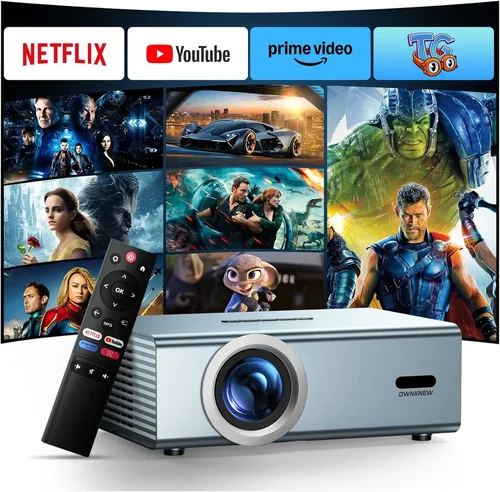
❌ Mistake: Using a Standard Indoor TV Outdoors
Why it’s bad: Indoor TVs are not designed to handle moisture, temperature changes, or UV exposure. Even in a covered area, condensation can form inside the screen, leading to permanent damage. Additionally, indoor TVs lack the brightness needed for outdoor visibility.
What to do instead: Invest in a TV specifically rated for outdoor use or use a high-quality outdoor enclosure. If budget is tight, consider a portable outdoor TV or a projector setup.
❌ Mistake: Ignoring Brightness Requirements
Why it’s bad: A dim screen will look washed out in daylight, making it impossible to enjoy daytime movies or sports. Many buyers assume all 4K TVs are bright enough, but this isn’t true for outdoor environments.
What to do instead: Prioritize brightness over resolution. Aim for at least 700 nits, and 1,000+ nits for sunny areas. Check manufacturer specs and look for terms like “sunlight readable” or “high-brightness panel.”
❌ Mistake: Overlooking Audio Needs
Why it’s bad: Poor sound can ruin an otherwise great movie night. Built-in TV speakers are often quiet and lack depth, especially in open outdoor spaces where sound dissipates quickly.
What to do instead: Plan your audio setup in advance. Invest in weather-resistant speakers or a soundbar. Consider wireless options for flexible placement and easy setup.
❌ Mistake: Choosing the Wrong Mounting Location
Why it’s bad: Mounting a TV in direct sunlight or exposed to rain can shorten its lifespan. Poor placement can also create glare or limit viewing angles.
What to do instead: Choose a shaded or covered area, such as under a pergola, awning, or roof overhang. Use anti-glare screens or position the TV to avoid direct sun exposure.
❌ Mistake: Skipping the Warranty Check
Why it’s bad: Outdoor TVs are expensive, and repairs can be costly. Some warranties don’t cover weather damage or require professional installation to remain valid.
What to do instead: Read the warranty terms carefully. Choose brands that offer extended coverage and clear support policies. Keep receipts and installation records.
❌ Mistake: Buying Based on Price Alone
Why it’s bad: The cheapest option may save money upfront but cost more in the long run due to poor durability, frequent repairs, or early replacement.
What to do instead: Focus on value, not just price. Consider total cost of ownership, including installation, accessories, and expected lifespan. A mid-range outdoor TV often offers the best balance of quality and affordability.
❌ Mistake: Not Testing Before Buying
Why it’s bad: You won’t know how a TV performs in your specific backyard conditions until it’s installed. A model that looks great in a store may struggle in your lighting or weather.
What to do instead: If possible, rent or borrow a similar model for a weekend test. Alternatively, buy from a retailer with a generous return policy and test the TV during different times of day.
Budget Guidelines: How Much Should You Spend?
– Entry-Level ($500 – $1,200): This range includes portable outdoor TVs and basic indoor TVs in weatherproof enclosures. Expect smaller screens (32–50 inches), moderate brightness (500–700 nits), and limited smart features. Ideal for small patios or occasional use.
– Mid-Range ($1,200 – $2,500): The sweet spot for most backyard movie nights. These models offer 55–65-inch screens, 700–1,000 nits brightness, and better weather resistance. Many include smart platforms and improved audio. Great for shaded decks or covered areas.
– Premium ($2,500 – $5,000): For enthusiasts and permanent installations. Features include 1,000+ nits brightness, full weatherproofing, QLED or high-end LED panels, and robust audio systems. Suitable for exposed areas and all-day viewing.
– Luxury ($5,000+): Top-tier outdoor TVs with commercial-grade durability, OLED options, and advanced features like built-in heaters/coolers for extreme climates. Best for large properties, restaurants, or professional setups.

Expert Tips for Getting the Best Deal
– Buy during off-seasons: Prices on outdoor TVs drop in winter and early spring when demand is low. Look for holiday sales around Black Friday or end-of-summer clearance events.
– Compare online and in-store prices: Retailers like Costco, Best Buy, and specialty outdoor electronics stores often have exclusive deals. Online marketplaces like Amazon may offer competitive pricing but check return policies.
– Bundle with accessories: Some retailers offer discounts when you buy a TV with a mount, soundbar, or streaming device. This can save $100–$300 compared to purchasing separately.
– Check for open-box or refurbished models: Certified refurbished outdoor TVs from reputable sellers can offer significant savings with full warranties.
– Negotiate installation services: If hiring a professional, ask for package deals that include mounting, cable management, and setup.
– Read return policies carefully: Ensure you can return the TV if it doesn’t perform as expected in your environment. Some retailers offer 30–60 day trial periods.
– Join loyalty programs: Stores like Best Buy and Costco offer member-exclusive discounts and early access to sales.
– Monitor price tracking tools: Use apps like Honey or CamelCamelCamel to track price drops and get alerts.

Frequently Asked Questions
Q: Can I use a regular TV outside if it’s under a covered patio?
A: It’s not recommended. Even under cover, moisture, temperature swings, and dust can damage an indoor TV over time. For long-term reliability, use a TV designed for outdoor use or a proper enclosure.
Q: Do outdoor TVs need special power outlets?
A: Most outdoor TVs use standard 120V outlets, but you should install a GFCI (ground fault circuit interrupter) outlet for safety, especially in wet areas. Consult an electrician for proper wiring.
Q: How do I protect my outdoor TV from theft?
A: Use security mounts with locking mechanisms, install motion-sensor lights, and consider a security camera. For portable models, store them indoors when not in use.
Q: Can I leave my outdoor TV on all the time?
A: Most outdoor TVs are designed for continuous use, but check the manufacturer’s guidelines. Avoid leaving it on during thunderstorms or extreme weather.
Q: What’s the difference between an outdoor TV and a weatherproof TV?
A: “Outdoor TV” usually refers to models built specifically for outdoor use with integrated weatherproofing. “Weatherproof TV” may refer to indoor TVs sold with enclosures. The former is generally more reliable.
Q: Do I need a streaming device if I buy a smart outdoor TV?
A: Not necessarily. Smart outdoor TVs come with built-in apps, but a streaming device can offer better performance, more apps, and regular updates.
Q: How long do outdoor TVs last?
A: With proper care, a quality outdoor TV can last 7–10 years or more. Cheaper models may fail sooner due to component degradation.
Q: Can I use my outdoor TV in the winter?
A: Yes, if it’s rated for low temperatures. Look for models with operating ranges down to -22°F. Avoid turning on a cold TV immediately—let it acclimate first.
Q: Is a projector better than an outdoor TV?
A: Projectors offer larger images and a more cinematic feel but require darkness and a clear line of sight. Outdoor TVs are brighter, more durable, and usable in daylight.
Q: What’s the best way to clean an outdoor TV screen?
A: Use a microfiber cloth and a mild cleaning solution designed for electronics. Avoid ammonia-based cleaners or abrasive materials.
Our Final Recommendations
– Best for Budget-Conscious Buyers: SunBriteTV Veranda Series 55-inch – A fully enclosed outdoor TV with 1,000 nits brightness, IP55 rating, and smart features. Priced under $2,000, it offers excellent value for permanent installations.
– Best Overall Value: Samsung The Terrace 65-inch QLED – Combines stunning QLED picture quality, 2,000 nits brightness, and robust weatherproofing. Ideal for sunny backyards and large gatherings.
– Best Premium Option: SunBriteTV Pro Series 75-inch OLED – For those who want the ultimate in picture quality. Features OLED contrast, 1,500 nits brightness, and commercial-grade durability.
– Best for Beginners: LG 50UP7000PUA with Outdoor Enclosure – A reliable indoor TV paired with a high-quality weatherproof case. Affordable and easy to set up for first-time users.
– Best for Advanced Users: Peerless-AV Xtreme High-Brightness Display – A commercial-grade 75-inch display with 3,000 nits brightness, designed for 24/7 operation in extreme conditions.
Conclusion: Making the Right Choice
Choosing the best backyard TV for your movie nights doesn’t have to be overwhelming. By focusing on key factors like brightness, weather resistance, screen size, and audio quality, you can find a model that delivers exceptional performance in your unique outdoor environment. Avoid common pitfalls like using indoor TVs or ignoring audio needs, and always prioritize long-term durability over short-term savings.
Remember, the goal is to create a space where family and friends can gather, relax, and enjoy entertainment under the open sky. Whether you’re hosting a summer block party or a cozy fall evening, the right TV will enhance every moment. Take your time, do your research, and invest in a solution that fits your lifestyle and budget. With the insights from this guide, you’re well-equipped to make a confident, informed decision—and start enjoying unforgettable backyard movie nights for years to come.