
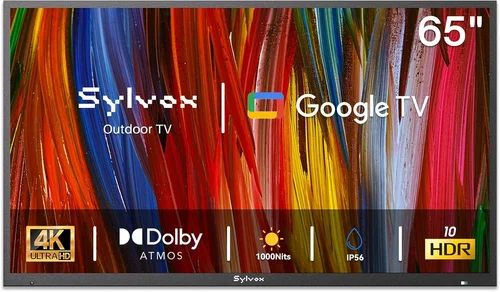
Outdoor entertainment has evolved dramatically over the past decade, and nothing captures the spirit of modern summer gatherings quite like a high-quality outdoor TV. Whether you’re hosting a backyard barbecue, screening a blockbuster under the stars, or catching the big game with friends on your patio, an outdoor TV transforms your exterior space into a true entertainment hub. But unlike indoor televisions, outdoor models face unique challenges—extreme temperatures, humidity, direct sunlight, and unpredictable weather—all of which demand specialized engineering and robust construction.
That’s where this comprehensive buying guide comes in. Whether you’re a first-time buyer or upgrading from an older model, choosing the right outdoor TV requires more than just picking the biggest screen or the flashiest brand. You need to balance performance, durability, budget, and real-world usability. In this guide, we’ll walk you through everything you need to know to make a smart, informed decision. From understanding key technical specifications to comparing different types of outdoor TVs, avoiding common pitfalls, and finding the best deals, we’ve got you covered. By the end, you’ll have the confidence to select a TV that delivers stunning visuals, withstands the elements, and enhances your outdoor lifestyle for years to come.
The outdoor TV market has matured significantly, with manufacturers now offering a wide range of options tailored to different needs and environments. You’ll find everything from fully weatherproof, all-season models built for permanent installation to more affordable, semi-outdoor options designed for covered patios or screened-in porches. Brands like Samsung, LG, SunBriteTV, and Seura have established themselves as leaders in this niche, each bringing unique strengths to the table. As consumer demand grows—fueled by the rise of outdoor living trends and smart home integration—the technology continues to improve, offering better brightness, smarter features, and sleeker designs than ever before. With so many choices available, it’s essential to cut through the noise and focus on what truly matters for your specific setup.

What to Look for When Buying Buying Guide
1. Weather Resistance & IP Rating
When it comes to outdoor TVs, weather resistance isn’t just a nice-to-have—it’s a necessity. Unlike indoor models, outdoor TVs must withstand rain, snow, dust, extreme heat, and freezing temperatures without compromising performance or safety. The first thing to check is the TV’s Ingress Protection (IP) rating, which indicates how well the device is sealed against environmental elements. Look for a minimum IP55 rating, which means the TV is protected against water jets and limited dust ingress. For full outdoor exposure—such as an open patio or rooftop—opt for IP65 or higher, ensuring complete protection against dust and low-pressure water spray from any direction.
Beyond the IP rating, consider the TV’s operating temperature range. Most quality outdoor TVs can function between -22°F and 122°F (-30°C to 50°C), making them suitable for nearly any climate. Some premium models even include internal heaters and cooling fans to regulate internal temperature, preventing overheating in summer or freezing in winter. Additionally, check if the TV is UL-listed for outdoor use, which confirms it meets rigorous safety standards for exterior installation. A poorly sealed or indoor-rated TV exposed to the elements can short-circuit, degrade quickly, or even pose a fire hazard.
2. Display Brightness & Anti-Glare Technology
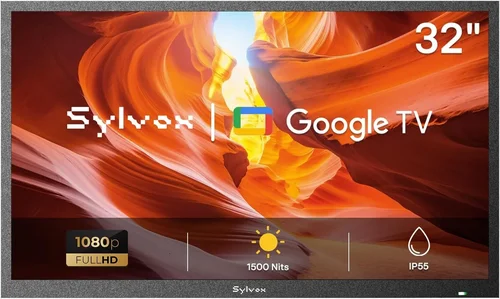
One of the biggest challenges with outdoor viewing is ambient light—especially direct sunlight. An indoor TV with typical brightness (around 300–400 nits) will appear washed out and nearly unwatchable in bright daylight. That’s why outdoor TVs are engineered with significantly higher brightness levels, often ranging from 700 to over 2,500 nits. The higher the nit count, the better the screen will perform in sunny conditions. For patios with partial shade, 700–1,000 nits may suffice, but for fully exposed areas, aim for 1,500 nits or more.
Equally important is anti-glare technology. Many outdoor TVs feature optically bonded screens with anti-reflective coatings that minimize glare from the sun or surrounding lights. Some models also use direct-lit LED backlighting instead of edge-lit designs, providing more uniform brightness and better contrast in bright environments. Look for terms like “sunlight readable,” “high-brightness display,” or “anti-glare coating” in the product description. A TV that performs well in the shade but fails in direct sun will quickly become a disappointment during summer parties.
3. Build Quality & Durability
Outdoor TVs are built to last—literally. Unlike their indoor counterparts, they’re constructed with rugged materials designed to endure years of exposure to the elements. The enclosure is typically made from powder-coated aluminum or stainless steel, which resists rust, corrosion, and UV degradation. The screen itself is often protected by tempered glass or acrylic shields that are scratch-resistant and shatterproof. Internal components are sealed in weatherproof compartments, and all ports and connectors are covered with protective flaps or gaskets.
Durability also extends to mounting hardware. Most outdoor TVs come with VESA-compatible mounting patterns and are designed to work with heavy-duty outdoor brackets that can withstand wind and vibration. Some models even include built-in cable management systems to keep wires organized and protected from moisture. When evaluating build quality, look for details like sealed speaker grilles, reinforced corners, and robust hinges (if the TV includes a tilt or swivel feature). A well-built outdoor TV should feel solid and substantial—not flimsy or lightweight like an indoor model.
4. Smart Features & Connectivity
Just because it’s outdoors doesn’t mean your TV should be dumb. Modern outdoor TVs come packed with smart features that rival indoor models, including built-in Wi-Fi, streaming apps like Netflix, YouTube, and Disney+, and voice control via Alexa or Google Assistant. Many support screen mirroring from smartphones and tablets, allowing guests to share photos or videos directly to the big screen. Some even include Bluetooth for wireless audio streaming to outdoor speakers.
Connectivity is another critical factor. Look for multiple HDMI ports (at least two, preferably three), USB ports for media playback, and audio outputs for external sound systems. Ethernet ports are a plus for stable internet connections, especially if Wi-Fi signals weaken outdoors. Some models also support HDMI-CEC, which lets you control connected devices (like a streaming stick or soundbar) with a single remote. If you plan to use a Roku, Apple TV, or Fire Stick, ensure the TV has enough HDMI inputs and sufficient clearance behind the screen for device placement.
5. Audio Performance & Speaker Quality
While many outdoor TVs include built-in speakers, don’t expect home theater-quality sound from them. Most are designed for casual listening and may struggle to fill a large patio or backyard with clear, powerful audio. That said, some models feature enhanced audio systems with dual speakers, bass enhancement, or even Dolby Digital support. If you’re planning to host parties or watch action-packed movies, consider pairing your TV with outdoor-rated speakers or a soundbar.
Check the TV’s audio output options—optical, RCA, or 3.5mm—to ensure compatibility with your existing audio setup. Some premium models even include wireless audio transmission, allowing you to sync with Bluetooth speakers without running cables. Keep in mind that wind, distance, and ambient noise can affect sound quality, so investing in a dedicated outdoor audio system is often worth the extra cost. For quieter settings like a screened porch, built-in speakers may be sufficient, but for open areas, external audio is almost always necessary.
6. Size & Viewing Distance
Choosing the right screen size depends on your available space and typical viewing distance. A general rule of thumb is to sit at a distance equal to 1.5 to 2.5 times the diagonal screen size. For example, a 55-inch TV is ideal for viewing from 7 to 12 feet away. However, outdoor environments often require larger screens due to increased ambient light and the need to see details from a distance.
Consider the layout of your outdoor space. Will the TV be mounted above a grill, on a wall, or on a freestanding stand? Measure the available wall space and ensure there’s enough clearance for ventilation and cable routing. Also, think about sightlines—will guests be seated at an angle, or directly in front? Some outdoor TVs offer wider viewing angles (up to 178 degrees), which helps maintain image quality from the sides. If your seating is spread out, a larger screen with good off-axis performance is essential.
7. Installation & Mounting Options
Proper installation is crucial for both performance and safety. Outdoor TVs should be mounted securely to withstand wind, vibration, and accidental bumps. Most models are compatible with standard VESA mounting patterns (e.g., 200×200, 400×400), but always verify compatibility with your chosen bracket. For permanent installations, consider a full-motion mount that allows tilting and swiveling, giving you flexibility to adjust the screen based on the sun’s position or seating arrangement.
Cable management is another important consideration. Look for TVs with built-in cable channels or rear access panels that make it easy to route and protect HDMI, power, and audio cables. Some models even include weatherproof cable entry points to prevent water intrusion. If you’re not comfortable with DIY installation, hire a professional—especially if drilling into exterior walls or running electrical wiring. Improper installation can void warranties, damage the TV, or create safety hazards.
8. Brand Reputation & Customer Support
Not all outdoor TV brands are created equal. Established names like SunBriteTV, Seura, and Samsung have spent years refining their outdoor technology and offer reliable, well-tested products. These brands typically provide better customer support, longer warranties, and more detailed installation guides. They also tend to have stronger resale value and wider availability of replacement parts.
When researching brands, read customer reviews on trusted sites like Amazon, Best Buy, or specialty outdoor electronics retailers. Pay attention to comments about durability, brightness, and post-purchase support. A brand with a reputation for responsive customer service can save you headaches if something goes wrong. Avoid no-name or off-brand models that promise high specs at low prices—these often cut corners on materials and lack proper weatherproofing.
9. Warranty & Return Policy
Outdoor TVs are a significant investment, so protect yourself with a solid warranty. Most reputable brands offer at least a one-year limited warranty, with some extending coverage to two or three years. Premium models may include on-site service or free replacement parts. Check what the warranty covers—does it include damage from weather, power surges, or accidental drops? Also, verify if the warranty is valid only if installed by a certified technician.
Return policies are equally important, especially when buying online. Look for retailers that offer at least a 30-day return window with free return shipping. This gives you time to test the TV in your actual outdoor environment and ensure it meets your expectations. Some brands also offer trial periods or satisfaction guarantees, allowing you to return the TV if it doesn’t perform as advertised.
Different Types of Buying Guide

Common Buying Mistakes to Avoid
❌ Mistake: Buying an Indoor TV for Outdoor Use
Why it’s bad: Indoor TVs are not designed to handle moisture, temperature swings, or UV exposure. Even if placed under a covered area, they can overheat, suffer from condensation, or degrade quickly when exposed to humidity. Using an indoor TV outdoors voids most warranties and poses safety risks.
What to do instead: Always choose a TV specifically rated for outdoor use. Look for models with weatherproof enclosures, high IP ratings, and outdoor certifications. If budget is tight, consider a covered patio TV designed for semi-protected environments.
❌ Mistake: Ignoring Brightness Requirements
Why it’s bad: A dim screen will be nearly invisible in daylight, making your outdoor TV useless during the day. Many buyers are surprised when their new TV looks great at night but fails in the sun.
What to do instead: Prioritize brightness (measured in nits). For full sun exposure, choose a TV with at least 1,500 nits. For shaded areas, 700–1,000 nits may work. Always check real-world reviews that mention daytime visibility.
❌ Mistake: Overlooking Audio Needs
Why it’s bad: Built-in speakers on outdoor TVs are often underpowered and can’t compete with ambient noise like wind, traffic, or chatter. You’ll end up straining to hear dialogue or missing key moments.
What to do instead: Plan for external audio from the start. Invest in weatherproof speakers or a soundbar. Many outdoor TVs support wireless audio, making setup easier and reducing cable clutter.
❌ Mistake: Skimping on Mounting Hardware
Why it’s bad: Using indoor mounts or flimsy brackets can lead to sagging, vibration, or even the TV falling—especially in windy conditions. This risks damage to the TV and potential injury.
What to do instead: Use heavy-duty, outdoor-rated mounts with corrosion-resistant hardware. Ensure the mount is rated for your TV’s weight and size. Consider professional installation for permanent setups.
❌ Mistake: Not Checking Return Policies
Why it’s bad: Outdoor TVs are expensive, and what looks good online may not perform well in your specific environment. Without a good return policy, you could be stuck with a disappointing purchase.
What to do instead: Buy from retailers with at least a 30-day return window and free return shipping. Test the TV in real outdoor conditions before committing.
❌ Mistake: Forgetting About Cable Management
Why it’s bad: Exposed cables can get damaged by weather, animals, or foot traffic. They also create tripping hazards and look messy.
What to do instead: Choose a TV with built-in cable management or use weatherproof conduit to protect wires. Route cables through walls or under decking when possible.
❌ Mistake: Assuming All “Outdoor” TVs Are Equal
Why it’s bad: The term “outdoor TV” is used loosely. Some models are only suitable for covered areas, while others are built for full exposure. Confusing the two can lead to premature failure.
What to do instead: Read the product specifications carefully. Look for details like IP rating, operating temperature range, and intended use. When in doubt, contact the manufacturer.
Budget Guidelines: How Much Should You Spend?
Entry-Level ($500 – $1,200): This tier includes weatherized indoor TVs and basic covered patio models. They’re ideal for screened-in porches or garages with minimal exposure. Expect lower brightness (500–700 nits), limited smart features, and shorter warranties. These are great for casual use but may not last long in harsh conditions.
Mid-Range ($1,200 – $2,500): The sweet spot for most buyers. These TVs offer solid weather resistance, brightness levels of 1,000–1,500 nits, and reliable smart platforms. Brands like LG and Samsung offer strong options here, with good audio and connectivity. Perfect for covered decks and partially shaded patios.
Premium ($2,500 – $4,000): Designed for full outdoor exposure, these models feature IP65+ ratings, extreme temperature tolerance, and high-end displays with anti-glare coatings. Expect robust build quality, advanced cooling systems, and comprehensive smart features. Ideal for open patios, rooftops, and luxury outdoor kitchens.
Luxury ($4,000+): Top-tier outdoor TVs from brands like SunBriteTV and Seura. These include features like 2,500+ nits brightness, built-in heaters, premium audio, and custom finishes. They’re built to last decades and often come with extended warranties and professional installation services. Best for high-end homes and commercial settings.
Expert Tips for Getting the Best Deal
– Buy During Off-Season: Prices on outdoor TVs drop significantly in fall and winter when demand is low. Look for end-of-season sales in September and October.
– Shop Major Retailers: Stores like Best Buy, Costco, and Home Depot often carry outdoor TVs with strong return policies and in-store support.
– Check for Bundles: Some retailers offer packages that include mounts, cables, or soundbars at a discount.
– Read Real User Reviews: Focus on reviews from buyers who’ve used the TV outdoors—not just in showrooms.
– Negotiate Installation: If hiring a professional, ask if they offer package deals for TV and mount installation.
– Consider Refurbished Models: Certified refurbished outdoor TVs from reputable brands can save you 20–30% with full warranty coverage.
– Use Price Tracking Tools: Set alerts on sites like CamelCamelCamel or Honey to catch price drops.
– Verify Local Codes: Some areas require permits for outdoor electrical work—check with your municipality before installation.

Frequently Asked Questions
Q: Can I use a regular TV outside if it’s under a covered patio?
A: Technically yes, but it’s not recommended. Even covered areas can experience humidity, temperature swings, and dust. A weatherized or covered patio TV is a safer, longer-lasting choice.
Q: Do outdoor TVs need special power outlets?
A: Most outdoor TVs use standard 120V outlets, but they should be GFCI-protected for safety. Consult an electrician to ensure your outdoor circuit meets code.
Q: How do I clean an outdoor TV screen?
A: Use a microfiber cloth and a mild cleaner designed for electronics. Avoid ammonia-based cleaners or abrasive materials that can damage anti-glare coatings.
Q: Can outdoor TVs be used in winter?
A: Yes, if they’re rated for low temperatures. Look for models with operating ranges down to -22°F and internal heaters for cold starts.
Q: Do outdoor TVs come with remotes?
A: Yes, most include weather-resistant remotes. Some also support smartphone apps or voice control.
Q: How long do outdoor TVs last?
A: With proper care, a quality outdoor TV can last 7–10 years or more. Cheaper models may degrade faster due to inferior materials.
Q: Can I mount an outdoor TV on a brick wall?
A: Yes, but you’ll need masonry anchors and a sturdy mount. Consider hiring a professional to avoid damaging the wall.
Q: Are outdoor TVs energy efficient?
A: Many modern models are ENERGY STAR certified and use LED backlighting, which consumes less power than older technologies.
Q: Do I need a streaming device with an outdoor TV?
A: Most outdoor TVs have built-in smart platforms, but you can still use external devices like Roku or Apple TV for additional apps or better performance.
Q: What’s the difference between an outdoor TV and a weatherproof TV?
A: “Outdoor TV” is a broad term. “Weatherproof” usually refers to models with full IP65+ ratings and extreme environment tolerance, while “outdoor” may include semi-protected options.
Our Final Recommendations
Best for Budget-Conscious Buyers: LG 55″ Outdoor Smart TV (Model 55UT7700) – Offers excellent brightness (1,200 nits), smart features, and solid build quality for under $1,500. Ideal for covered patios.
Best Overall Value: Samsung The Terrace 65″ Full Sun Outdoor TV – Combines high brightness (2,000 nits), IP55 rating, and premium smart platform. A great balance of performance and price.
Best Premium Option: SunBriteTV Veranda Series 75″ – Built for full sun exposure with 2,500 nits brightness, internal cooling, and a 3-year warranty. The gold standard for outdoor entertainment.
Best for Beginners: Seura 55″ Shade Outdoor TV – Easy to install, user-friendly interface, and reliable performance in shaded areas. Great for first-time buyers.
Best for Advanced Users: SunBriteTV Pro Series 86″ with Heated Display – Features a heated screen for cold climates, ultra-high brightness, and commercial-grade durability. Perfect for tech-savvy homeowners with demanding needs.
Conclusion: Making the Right Choice
Choosing the right outdoor TV for your summer parties is about more than just screen size or brand name—it’s about finding a balance between performance, durability, and value that matches your lifestyle and environment. From understanding the importance of weather resistance and brightness to avoiding common pitfalls and maximizing your budget, this guide has equipped you with the knowledge to make a confident decision.
Remember, the best outdoor TV is the one that fits your space, meets your viewing needs, and stands up to the elements year after year. Whether you’re hosting intimate gatherings or large-scale events, the right TV will elevate your outdoor experience and create lasting memories. Take your time, do your research, and don’t hesitate to invest in quality—your future self will thank you when you’re enjoying crystal-clear movies under the stars with friends and family.

