
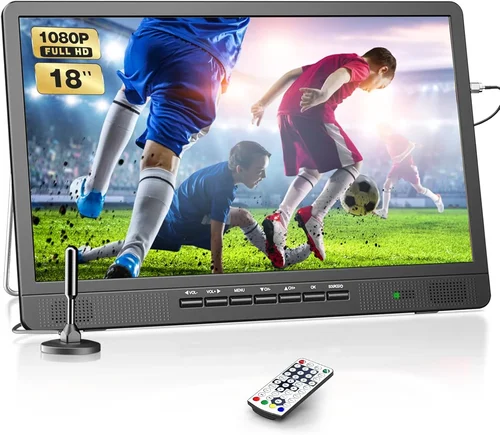
Outdoor living spaces have evolved far beyond simple patios with a few chairs and a grill. In 2026, the modern small patio is a fully integrated extension of the home—complete with ambient lighting, weather-resistant furniture, outdoor kitchens, and yes, high-quality entertainment systems. One of the most transformative additions you can make is an outdoor TV. Whether you’re hosting weekend barbecues, enjoying quiet evenings under string lights, or catching the big game al fresco, an outdoor TV elevates your space from functional to fantastic.
But here’s the catch: not all TVs are built for the great outdoors. Standard indoor televisions simply can’t withstand the elements—sunlight glare, humidity, temperature swings, rain, dust, and even pests can quickly ruin an unprotected display. That’s why choosing the right outdoor TV for your small patio requires careful consideration. This guide exists to cut through the confusion and help you make a smart, informed decision. We’ll walk you through everything you need to know—from key performance specs and durability requirements to budget considerations and real-world usage tips—so you can enjoy crystal-clear viewing no matter the weather.
By the end of this comprehensive buying guide, you’ll understand exactly what separates a true outdoor TV from a regular one, how to match features to your specific needs, and which models offer the best value in today’s market. Whether you’re working with a compact balcony, a covered porch, or a sun-drenched courtyard, we’ve got you covered. The outdoor TV market has matured significantly in recent years, with more brands offering purpose-built solutions than ever before. From fully weatherproof enclosures to anti-glare screens and integrated cooling systems, today’s options are smarter, sleeker, and more accessible than their predecessors. Let’s dive in and find the perfect fit for your space.

What to Look for When Buying Buying Guide
1. Weather Resistance & IP Rating
When it comes to outdoor TVs, weather resistance isn’t just a nice-to-have—it’s non-negotiable. Unlike indoor models, outdoor televisions must endure rain, snow, humidity, dust, and extreme temperatures without failing. The first thing to check is the TV’s Ingress Protection (IP) rating, which indicates how well the unit resists solid particles (like dust) and liquids (like water). For outdoor use, look for a minimum IP55 rating, but ideally aim for IP65 or higher. An IP65-rated TV is dust-tight and protected against water jets from any direction, making it suitable for most uncovered patios.
Beyond the IP rating, consider the TV’s internal climate control. High-end outdoor TVs often include built-in heaters and cooling fans that activate automatically based on ambient temperature. This prevents condensation in humid environments and protects internal components from overheating on hot summer days. If your patio is partially covered or exposed to direct rainfall, ensure the TV is rated for “full sun” or “all-weather” use—not just “covered outdoor” use, which may only protect against light splashes.
2. Screen Brightness & Anti-Glare Technology
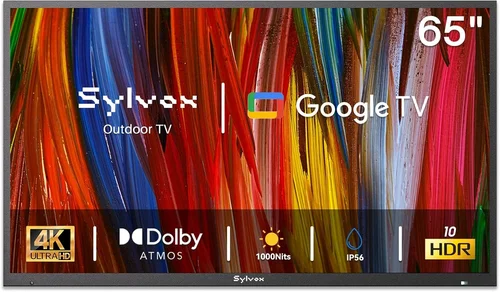
One of the biggest challenges with outdoor viewing is screen visibility in bright daylight. Even on a cloudy day, ambient light can wash out an indoor TV’s image. That’s why outdoor TVs must deliver significantly higher brightness levels—measured in nits—than their indoor counterparts. For a small patio that receives direct sunlight, aim for a minimum of 700 nits, but 1,000 nits or more is ideal for clear, vibrant visuals even at noon.
Equally important is anti-glare technology. Many outdoor TVs feature optically bonded glass or special matte coatings that reduce reflections from the sun, overhead lights, or nearby windows. Some premium models use quantum dot or OLED panels with enhanced luminance efficiency, allowing them to maintain color accuracy and contrast even in bright conditions. Avoid TVs with glossy finishes unless they’re specifically designed for outdoor use—standard glossy screens will reflect everything around them, turning your viewing experience into a mirror show.
3. Build Quality & Durational Design
Outdoor TVs aren’t just about surviving the weather—they’re about lasting years without degradation. Look for models constructed with marine-grade aluminum or powder-coated steel frames that resist rust and corrosion. The internal components should be sealed in a way that prevents moisture ingress, and all ports (HDMI, USB, power) should have protective covers or gaskets.
Pay attention to the overall design philosophy. True outdoor TVs are built from the ground up for exterior use, not retrofitted indoor models stuffed into a box. This means reinforced chassis, sealed circuit boards, and components rated for extended temperature ranges (typically -30°C to 60°C or -22°F to 140°F). Cheaper “outdoor-ready” kits that enclose indoor TVs may save money upfront but often lack proper ventilation or fail prematurely due to trapped heat or condensation.
4. Size & Viewing Distance
For a small patio, size matters—but not in the way you might think. A larger screen isn’t always better if it overwhelms your space or forces viewers too close. The ideal screen size depends on your seating arrangement and viewing distance. As a general rule, multiply your viewing distance (in inches) by 0.84 to get the recommended diagonal screen size in inches. So, if your couch or chairs are 8 feet (96 inches) away, a 55-inch to 65-inch TV is optimal.
However, small patios often have limited wall space or mounting options. Measure your available area carefully, including clearance for ventilation and cable routing. Also consider whether the TV will be mounted on a wall, ceiling, or freestanding stand. Some outdoor TVs come with slim profiles and VESA-compatible backs for easy integration into outdoor entertainment centers or pergolas.
5. Smart Features & Connectivity
Just because it’s outdoors doesn’t mean you should sacrifice smart functionality. Most modern outdoor TVs run on popular platforms like Android TV, webOS, or Roku, giving you access to streaming services, voice assistants, and app ecosystems. Ensure the model you choose supports Wi-Fi 6 or at least dual-band Wi-Fi for reliable connectivity, especially if your patio is far from your router.
Connectivity options are equally crucial. Look for multiple HDMI 2.1 ports (for gaming consoles, soundbars, or streaming devices), USB ports for media playback, and optical audio outputs. Some models include built-in Bluetooth for wireless speakers or headphones—a great feature for late-night viewing without disturbing neighbors. If you plan to connect a soundbar or outdoor audio system, verify compatibility and cable management options.
6. Audio Performance
While many homeowners pair outdoor TVs with external speakers or soundbars, built-in audio shouldn’t be an afterthought. Outdoor environments lack the acoustic reflection of indoor rooms, so sound can feel thin or distant. Premium outdoor TVs often include upward-firing drivers, Dolby Atmos support, or enhanced bass chambers to compensate.
That said, don’t rely solely on built-in speakers for immersive audio. Consider investing in weather-resistant outdoor speakers or a wireless sound system that syncs seamlessly with your TV. If your patio is near a neighbor’s property, look for TVs with headphone jacks or Bluetooth audio output to keep volume private.
7. Brand Reputation & Ecosystem Compatibility
Not all brands that make indoor TVs excel at outdoor models. Stick with manufacturers known for durable, purpose-built outdoor displays—such as SunBriteTV, Samsung (The Terrace), LG (OLED Flex for outdoor use), and Seura. These companies invest in R&D specifically for harsh environments and often provide better long-term support.
Also consider ecosystem compatibility. If you already own smart home devices (like Ring cameras, Philips Hue lights, or Google Nest hubs), choose a TV that integrates smoothly. For example, Samsung’s The Terrace works natively with SmartThings, while LG’s models support ThinQ AI and Google Assistant. This creates a cohesive outdoor experience where your TV can display doorbell footage, control lighting, or show weather updates.
8. Warranty & Customer Support
Outdoor electronics are inherently riskier investments due to environmental exposure. A strong warranty is your safety net. Look for at least a 2-year comprehensive warranty that covers both parts and labor, with explicit coverage for weather-related damage. Some brands, like SunBriteTV, offer 3-year warranties and even on-site service in major metro areas.
Customer support matters too. Can you easily reach a technician if something goes wrong? Are replacement parts readily available? Read user reviews about post-purchase experiences—delayed repairs or unresponsive support can turn a great product into a frustrating ordeal. Avoid no-name brands with vague warranty terms or limited service networks.
Different Types of Buying Guide

Common Buying Mistakes to Avoid
❌ Mistake: Buying an Indoor TV and Putting It in a DIY Enclosure
Why it’s bad: Most indoor TVs lack proper ventilation and aren’t designed to dissipate heat in sealed enclosures. Trapped moisture and overheating can cause premature failure, void warranties, and even create fire hazards. Additionally, standard glass reflects too much light for comfortable outdoor viewing.
What to do instead: Invest in a purpose-built outdoor TV or a certified outdoor enclosure kit from a reputable brand. These solutions include thermal management, anti-reflective glass, and proper sealing—features you can’t replicate safely at home.
❌ Mistake: Ignoring Viewing Angle and Sun Path
Why it’s bad: Placing your TV where it faces direct afternoon sun or is viewed from extreme angles leads to glare and poor image quality. Even the brightest screen struggles if mounted incorrectly.
What to do instead: Observe your patio’s sun patterns throughout the day. Mount the TV under an eave, pergola, or awning whenever possible. Use a tilt or swivel mount to adjust the angle away from reflective surfaces like windows or light-colored walls.
❌ Mistake: Overlooking Audio Needs
Why it’s bad: Built-in TV speakers often sound tinny outdoors due to open space and lack of acoustic reflection. You’ll end up turning the volume too high, disturbing neighbors or missing dialogue.
What to do instead: Plan for external audio from day one. Pair your TV with weather-resistant wireless speakers, a soundbar with outdoor mode, or even buried landscape speakers for ambient sound.
❌ Mistake: Choosing Based Solely on Price
Why it’s bad: The cheapest “outdoor” option may save you $500 now but cost you $1,500 in replacements over three years. Low-cost enclosures often use inferior materials that crack, fog, or corrode quickly.
What to do instead: Focus on total cost of ownership. A mid-range outdoor TV with a solid warranty and proven durability often delivers better long-term value than a bargain bin special.
❌ Mistake: Neglecting Power and Cable Management
Why it’s bad: Exposed cables are tripping hazards, attract pests, and degrade when exposed to UV light and moisture. Running extension cords across your patio is unsafe and unsightly.
What to do instead: Hire an electrician to install a dedicated outdoor-rated outlet near your TV location. Use conduit or cable raceways to protect wires, and choose a TV with rear cable channels or hidden compartments.
❌ Mistake: Assuming All “Outdoor” Labels Are Equal
Why it’s bad: Some manufacturers slap “outdoor” on marketing materials for TVs that are only suitable for fully covered, climate-controlled spaces. These won’t survive a sudden rainstorm or winter freeze.
What to do instead: Read the fine print. Verify the IP rating, temperature range, and whether the unit is rated for “full exposure” or just “covered outdoor use.” When in doubt, contact the manufacturer directly.
❌ Mistake: Skipping Professional Installation
Why it’s bad: Improper mounting can lead to water intrusion, structural damage, or the TV falling—especially in windy areas. DIY installs often miss critical sealing steps.
What to do instead: Hire a certified installer familiar with outdoor AV setups. They’ll ensure proper anchoring, weatherproofing, and compliance with local building codes.
Budget Guidelines: How Much Should You Spend?
Entry-Level ($1,000 – $2,000): This tier typically includes basic outdoor enclosures paired with mid-range indoor TVs (e.g., a 55-inch 4K LED in a generic weatherproof box). While functional for covered patios with minimal sun exposure, these setups often lack thermal management, anti-glare screens, or robust warranties. Expect shorter lifespans and potential issues in extreme weather. Best for renters or temporary installations.
Mid-Range ($2,000 – $4,000): This is the sweet spot for most homeowners. You’ll find purpose-built outdoor TVs from reputable brands like SunBriteTV’s Veranda series or Samsung’s The Terrace (partial sun model). These offer 700–1,000 nits brightness, IP55+ ratings, smart platforms, and 2–3 year warranties. Ideal for small patios with partial cover or morning/evening sun.
Premium ($4,000 – $7,000): For enthusiasts and those with fully exposed patios, premium models deliver 1,000+ nits brightness, full IP65 protection, advanced cooling/heating systems, and premium audio. Think SunBriteTV’s Pro Series or LG’s OLED outdoor variants. These are built to last 7–10 years with minimal maintenance and perform flawlessly in any weather.
Luxury ($7,000+): At this level, you’re investing in commercial-grade durability, ultra-bright displays (2,000+ nits), custom finishes, and integrated smart home ecosystems. These are common in high-end resorts, luxury homes, or large outdoor entertainment zones. Overkill for a typical small patio—but unmatched in performance and prestige.
Expert Tips for Getting the Best Deal
- Buy during off-season: Retailers often discount outdoor TVs in late fall and winter (October–February) when demand drops. You can save 15–25% compared to spring/summer pricing.
- Check manufacturer refurbished programs: Brands like SunBriteTV and Samsung offer certified refurbished units with full warranties at 20–30% off retail. These are thoroughly tested and often indistinguishable from new.
- Bundle with installation: Many AV specialists offer package deals when you purchase both the TV and professional setup. This can include free cable management or a discount on outdoor speakers.
- Compare total cost, not just unit price: A $3,000 TV with a 3-year warranty and free shipping may be a better deal than a $2,700 model with $200 shipping and a 1-year warranty.
- Read real user reviews: Look beyond star ratings. Search for comments about long-term durability, customer service responsiveness, and performance in specific climates (e.g., “works great in Florida humidity”).
- Verify return policies: Ensure the seller allows returns within 30–60 days, especially if you’re unsure about fit or performance. Some outdoor TVs can’t be returned once installed due to hygiene/weather concerns.
- Consider financing: Many retailers offer 0% APR financing for 12–24 months on outdoor electronics. This lets you spread the cost without interest if paid in full by the deadline.
- Test brightness in person if possible: If you have access to a showroom, compare outdoor models side-by-side under bright lighting. Notice how colors pop and whether reflections are manageable.

Frequently Asked Questions
Q: Can I use a regular TV outside if it’s under a roof?
A: Only if it’s a fully enclosed, climate-controlled space like a screened-in porch with no direct rain or extreme temperature swings. Even then, humidity and dust can damage internal components over time. For anything less than perfect coverage, invest in a true outdoor TV.
Q: How do I protect my outdoor TV from theft?
A: Use a locking mount, install motion-sensor lights, and consider a security camera pointed at the TV. Some mounts include built-in locks, and you can also register your TV’s serial number with local law enforcement.
Q: Will an outdoor TV work in winter?
A: Yes—if it’s rated for low temperatures. Most quality outdoor TVs operate down to -30°C (-22°F). Built-in heaters prevent screen fogging and component damage during cold starts.
Q: Do outdoor TVs consume more power?
A: Slightly, due to higher brightness and climate control systems. However, modern LED models are still energy-efficient. Look for ENERGY STAR certification to minimize electricity costs.
Q: Can I mount an outdoor TV on a brick or stucco wall?
A: Absolutely. Use masonry anchors and a sturdy outdoor-rated mount. Have a professional handle drilling to avoid cracking the surface or hitting electrical lines.
Q: Are outdoor TVs compatible with streaming devices like Roku or Fire Stick?
A: Yes—most have HDMI ports and support popular streaming sticks. However, ensure the device is also protected from weather if placed externally, or use a weatherproof media box.
Q: How often do I need to clean an outdoor TV?
A: Wipe the screen and frame monthly with a microfiber cloth and mild cleaner. Avoid ammonia-based products. Check seals and vents quarterly for debris buildup.
Q: What’s the difference between “partial sun” and “full sun” outdoor TVs?
A: Partial sun models are designed for covered areas with indirect light (e.g., under a pergola). Full sun TVs have higher brightness (1,000+ nits), better anti-glare, and enhanced cooling for direct exposure.
Q: Can I connect my outdoor TV to my home theater system?
A: Yes, via HDMI ARC, optical audio, or Bluetooth. For the best experience, use a weather-resistant soundbar or wired outdoor speakers connected through an AV receiver.
Q: Do outdoor TVs come with remotes that work in bright light?
A: Most include standard IR remotes, which can struggle in direct sun. Consider upgrading to a Bluetooth remote or using a smartphone app for control.
Our Final Recommendations
Best for Budget-Conscious Buyers: SunBriteTV Veranda Series (55-inch) – At around $2,200, this model offers excellent build quality, 700 nits brightness, and IP55 rating. Perfect for covered patios and delivers reliable performance without breaking the bank.
Best Overall Value: Samsung The Terrace (Partial Sun, 65-inch) – Priced near $3,500, it combines QLED color accuracy, 1,000 nits brightness, SmartThings integration, and a sleek design. Ideal for small patios with mixed sun exposure.
Best Premium Option: SunBriteTV Pro Series (65-inch) – At $5,500+, this is built like a tank with 1,500 nits brightness, full IP65 rating, and military-grade components. If you want a TV that lasts a decade in any climate, this is it.
Best for Beginners: Seura Outdoor TV (55-inch, Shade Model) – User-friendly setup, excellent customer support, and a clean interface make this a great first outdoor TV. Around $2,800, it’s simple, stylish, and stress-free.
Best for Advanced Users: LG OLED Flex (Outdoor Configuration) – With self-lit pixels, infinite contrast, and customizable curvature, this is for tech enthusiasts who demand the ultimate picture quality—even outside. Expect to pay $6,000+.
Conclusion: Making the Right Choice
Choosing the right outdoor TV for your small patio isn’t just about picking the shiniest screen or the lowest price—it’s about matching technology to your lifestyle, environment, and long-term goals. We’ve covered the critical factors: weather resistance, brightness, build quality, smart features, audio, brand reliability, and warranty. We’ve compared types, warned against common pitfalls, broken down budgets, and shared expert strategies to maximize value.
Remember, your patio is an extension of your home—a place for connection, relaxation, and joy. The right outdoor TV enhances that experience, turning casual gatherings into memorable events and quiet nights into cinematic escapes. Don’t rush the decision. Measure your space, assess your sun exposure, define your must-have features, and prioritize durability over discounts.
Whether you’re sipping coffee at sunrise or watching fireworks on the Fourth of July, your outdoor TV should deliver stunning visuals, reliable performance, and peace of mind—rain or shine. Use this guide as your compass, and you’ll find a model that not only meets your needs today but continues to impress for years to come. Happy viewing!

