
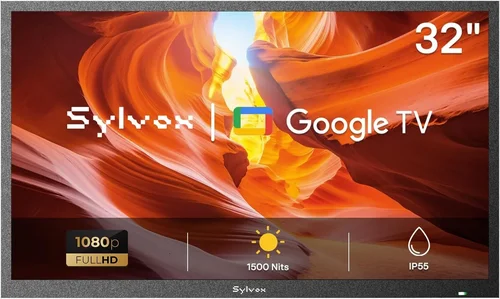
If you’ve ever dreamed of enjoying your favorite show, movie, or live sports event while relaxing on your screened porch, you’re not alone. Outdoor living spaces have evolved far beyond simple patios and decks—they’re now extensions of our homes, complete with outdoor kitchens, fire pits, and yes, even televisions. But can you actually use a regular TV for your patio or screened porch? The short answer is yes… but with major caveats. Standard indoor TVs aren’t built to withstand the elements, even in a partially protected space like a screened-in area. That’s why choosing the right television for your outdoor setup requires careful thought, research, and a clear understanding of what “outdoor-ready” really means.
This comprehensive buying guide is designed to help you navigate the often-confusing world of outdoor TVs—whether you’re mounting one on a covered patio, installing it under a pergola, or setting it up in a fully enclosed screened porch. We’ll walk you through every critical factor to consider, from weather resistance and brightness to smart features and installation logistics. You’ll learn how to avoid costly mistakes, understand the differences between indoor and outdoor models, and ultimately choose a TV that delivers stunning picture quality without sacrificing durability. Whether you’re a casual viewer or a home theater enthusiast looking to extend your entertainment outdoors, this guide will equip you with expert-level knowledge to make a confident, informed decision.
The market for outdoor TVs has grown significantly in recent years, driven by advancements in display technology and a surge in demand for year-round outdoor living. Brands like Samsung, LG, Sony, and specialized outdoor manufacturers such as SunBriteTV, Seura, and Peerless-AV now offer models specifically engineered for exterior use. These aren’t just regular TVs shoved into weatherproof boxes—they’re purpose-built with enhanced components, anti-glare screens, and robust enclosures. However, not all outdoor spaces are created equal. A fully exposed patio demands a different level of protection than a screened porch that’s shielded from direct rain and sun. Understanding your environment, your viewing habits, and your budget is the first step toward finding the perfect outdoor TV. Let’s dive into the key factors that will shape your decision.

What to Look for When Buying a Patio TV
1. Weather Resistance & Environmental Protection
When it comes to outdoor TVs, weather resistance isn’t just a nice-to-have—it’s essential. Even in a screened porch, your TV will be exposed to humidity, temperature swings, dust, insects, and occasional splashes. A standard indoor TV lacks the necessary protection and will likely fail within months, if not weeks, when used outdoors. That’s why outdoor TVs are built with IP (Ingress Protection) ratings, which indicate how well they resist dust and moisture.
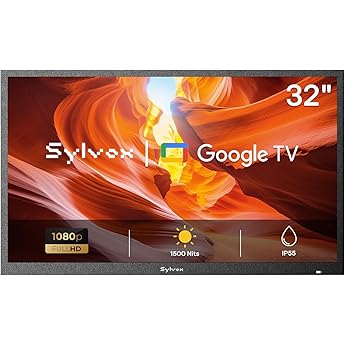
Look for a TV with at least an IP55 rating, meaning it’s protected against limited dust ingress and low-pressure water jets from any direction. For fully exposed patios, an IP65 or higher rating is ideal. These models can handle rain, snow, and even direct hose spray. Additionally, outdoor TVs often feature sealed internal components, corrosion-resistant materials, and thermal management systems to prevent overheating in summer or freezing in winter.
Another critical aspect is UV protection. Prolonged exposure to sunlight can degrade internal electronics and cause screen discoloration. High-quality outdoor TVs use UV-resistant coatings on both the screen and housing to maintain performance and appearance over time. Don’t forget about ventilation—some models include passive cooling systems, while others use fans. Ensure the TV you choose has adequate airflow to prevent heat buildup, especially if it’s mounted in a tight enclosure.
2. Screen Brightness & Anti-Glare Technology
One of the biggest challenges with outdoor viewing is ambient light. Whether it’s direct sunlight, reflected glare from nearby surfaces, or even bright patio lighting at night, a dim screen will make your content nearly unwatchable. This is where screen brightness—measured in nits—becomes crucial.
Indoor TVs typically range from 300 to 600 nits, which is fine for a dimly lit living room but inadequate outdoors. For a screened porch or partially shaded patio, aim for a minimum of 700 nits. For areas with direct sunlight exposure, such as a south-facing patio, you’ll want 1,000 nits or higher. Some premium outdoor models boast up to 2,500 nits, ensuring crystal-clear visibility even at midday.
Equally important is anti-glare technology. Outdoor TVs often feature matte-finish screens or specialized optical filters that reduce reflections. These coatings scatter incoming light rather than reflecting it directly back to your eyes, significantly improving contrast and color accuracy in bright conditions. Some models also include built-in sunshades or bezel designs that further minimize glare.
Additionally, consider the screen’s viewing angle. Outdoor setups often involve viewers sitting at various positions—some directly in front, others off to the side. Look for TVs with wide viewing angles (at least 178 degrees) to ensure consistent picture quality for everyone.
3. Build Quality & Durability
Outdoor TVs are subjected to harsher conditions than their indoor counterparts, so build quality is non-negotiable. The chassis should be made from robust, weather-resistant materials such as powder-coated aluminum or marine-grade stainless steel. These materials resist rust, corrosion, and warping, even in coastal or high-humidity environments.
Pay attention to the overall construction. Sealed seams, reinforced mounting points, and impact-resistant screens are signs of a well-built unit. Some models even include protective glass layers that shield the display from scratches, debris, and accidental bumps. If you live in an area prone to strong winds or storms, ensure the TV is securely mountable and compatible with heavy-duty outdoor brackets.
Another durability factor is the remote control. Standard remotes aren’t designed for outdoor use and can easily get lost or damaged. Many outdoor TVs come with weatherproof remotes or support smartphone apps for control. Some even offer voice control via Alexa or Google Assistant, allowing you to adjust settings without touching anything.
Finally, consider the internal components. Outdoor TVs often use industrial-grade capacitors, heat-resistant circuit boards, and extended-life backlights to ensure longevity. These enhancements may not be visible, but they’re critical for maintaining performance over years of outdoor exposure.
4. Smart Features & Connectivity
Just because your TV is outdoors doesn’t mean it should lack modern conveniences. Most outdoor TVs today come with smart platforms that support streaming apps like Netflix, Hulu, Disney+, and YouTube. This eliminates the need for external devices like Roku sticks or Apple TV boxes, simplifying setup and reducing clutter.
Look for models with built-in Wi-Fi and Bluetooth for seamless connectivity. Some advanced units even support 5GHz networks for faster streaming and reduced interference. Voice control integration is also a plus, especially if you plan to use your TV hands-free while grilling or entertaining.
In terms of ports, ensure the TV has enough HDMI inputs for your devices—such as gaming consoles, soundbars, or cable boxes. USB ports are useful for playing media files or updating firmware. For outdoor use, consider TVs with rear-facing or side-facing ports, as they’re easier to access and protect from moisture when properly sealed.
One often-overlooked feature is automatic brightness adjustment. Some outdoor TVs include ambient light sensors that dynamically adjust screen brightness based on surrounding light levels. This not only improves viewing comfort but also extends the TV’s lifespan by reducing unnecessary strain on the backlight.
5. Size & Viewing Distance
Choosing the right screen size for your outdoor space is about more than just aesthetics—it directly impacts your viewing experience. A TV that’s too small will be hard to see from a distance, while one that’s too large can overwhelm the space and strain your eyes.
As a general rule, the optimal viewing distance is 1.5 to 2.5 times the diagonal screen size. For example, a 55-inch TV should be viewed from 6.5 to 11 feet away. On a typical screened porch, this means a 50- to 65-inch screen is ideal for most setups. If your seating area is farther away—say, 12 to 15 feet—consider a 70-inch or larger model.
Keep in mind that outdoor environments often have more ambient light, which can reduce perceived image quality. A larger screen with higher brightness and resolution will help maintain clarity and immersion. Also, consider the physical dimensions of the TV, including the bezel and mounting hardware. Ensure it fits comfortably within your space without obstructing walkways or views.
If you’re mounting the TV on a wall or under a pergola, measure the available area carefully. Some outdoor TVs are bulkier than indoor models due to their protective enclosures, so allow extra space for ventilation and cable management.
6. Audio Performance & Sound Solutions
While picture quality often takes center stage, audio is just as important for an enjoyable outdoor viewing experience. Unfortunately, most outdoor TVs have limited built-in speakers due to space and weatherproofing constraints. The sound is often tinny, quiet, or lacks bass—especially when competing with outdoor noise like wind, traffic, or chatter.
To overcome this, many buyers pair their outdoor TV with a dedicated sound system. Options include weather-resistant outdoor speakers, soundbars designed for exterior use, or even wireless Bluetooth speakers. Some premium outdoor TVs come with enhanced audio systems, but they’re still best supplemented with external audio.
Consider the acoustics of your space. Screened porches tend to have hard surfaces that reflect sound, which can create echo or distortion. Soft furnishings like outdoor rugs, cushions, and curtains can help absorb excess noise. If you’re installing speakers, aim them toward the seating area and avoid placing them too close to walls or corners, which can amplify bass unevenly.
For a truly immersive experience, look into multi-room audio systems that sync with your indoor setup. This allows you to enjoy the same music or audio content seamlessly as you move between spaces.
7. Installation & Mounting Requirements
Proper installation is critical for both performance and safety. Outdoor TVs are heavier than indoor models due to their reinforced construction, so they require sturdy mounting hardware. Standard wall mounts won’t cut it—you’ll need brackets rated for outdoor use, often made from galvanized steel or aluminum with anti-corrosion coatings.
Consider the mounting location carefully. The TV should be positioned to minimize glare from windows, lights, or reflective surfaces. It should also be easily accessible for maintenance and cable management. If you’re mounting it under a roof or pergola, ensure there’s adequate clearance for ventilation and that the structure can support the weight.
Cable management is another important factor. Exposed wires are not only unsightly but also vulnerable to weather damage. Use weatherproof conduit or cable raceways to protect HDMI, power, and audio cables. Some outdoor TVs include built-in cable channels or rear panels to keep everything tidy.
If you’re not comfortable with DIY installation, hire a professional. Many outdoor TV manufacturers offer certified installers who understand the unique challenges of exterior setups. This ensures your TV is mounted securely, connected properly, and protected from the elements.
8. Brand Reputation & Warranty Support
Not all outdoor TVs are created equal, and brand reputation matters. Established manufacturers like Samsung, LG, and Sony have entered the outdoor market with models that leverage their expertise in display technology. However, specialized brands like SunBriteTV, Seura, and Peerless-AV focus exclusively on outdoor solutions and often offer superior durability and customer support.
When evaluating brands, look for those with a proven track record of reliability and positive user feedback. Check online reviews, forums, and third-party testing sites for real-world performance insights. Pay attention to how the company handles customer service—especially warranty claims.
Warranty coverage is particularly important for outdoor electronics. Standard indoor TVs typically come with 1-year warranties, but outdoor models often include extended coverage—sometimes up to 3 years—due to their rugged design. Some brands even offer on-site repair services or loaner units while yours is being serviced.
Always read the fine print. Some warranties are voided if the TV is installed incorrectly or used in conditions beyond its rated specifications. Ensure your installation follows the manufacturer’s guidelines to maintain coverage.
Different Types of Outdoor TVs
Common Buying Mistakes to Avoid
❌ Mistake: Using a Standard Indoor TV Outdoors
Why it’s bad: Indoor TVs lack the necessary weatherproofing, UV protection, and thermal management to survive in outdoor environments. Even in a screened porch, humidity, temperature swings, and dust can cause internal corrosion, screen damage, and premature failure. Many users report their indoor TVs failing within 6–12 months of outdoor use.
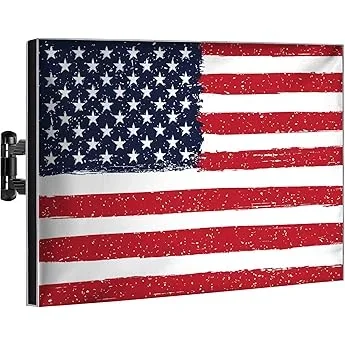
What to do instead: Invest in a TV specifically designed for outdoor use or use a weatherproof enclosure if you already own an indoor model. While enclosures add cost, they’re far cheaper than replacing a ruined TV.
❌ Mistake: Ignoring Screen Brightness Requirements
Why it’s bad: A dim screen will be washed out and difficult to see in daylight, especially on sunny patios. This leads to frustration and a poor viewing experience, defeating the purpose of having an outdoor TV.
What to do instead: Choose a model with at least 700 nits for shaded areas and 1,000+ nits for direct sunlight. Look for anti-glare coatings and consider the sun’s path when positioning your TV.
❌ Mistake: Overlooking Audio Needs
Why it’s bad: Most outdoor TVs have weak built-in speakers that struggle to compete with ambient noise. Relying solely on the TV’s audio results in muffled dialogue and lackluster sound.
What to do instead: Pair your TV with weather-resistant outdoor speakers or a soundbar. Consider wireless options for flexibility and ease of setup.
❌ Mistake: Poor Mounting or Installation
Why it’s bad: Incorrect mounting can lead to instability, water ingress, or even the TV falling. DIY installations without proper knowledge often result in damage or safety hazards.
What to do instead: Use certified outdoor mounting hardware and follow the manufacturer’s guidelines. When in doubt, hire a professional installer with outdoor TV experience.
❌ Mistake: Buying Based on Price Alone
Why it’s bad: The cheapest outdoor TV may cut corners on materials, brightness, or durability, leading to higher long-term costs due to repairs or replacement.
What to do instead: Balance budget with quality. Look for models that offer the best value for your specific needs—don’t sacrifice critical features like weather resistance or brightness.
❌ Mistake: Not Considering Future Maintenance
Why it’s bad: Outdoor TVs require occasional cleaning, cable checks, and potential servicing. Neglecting maintenance can shorten the TV’s lifespan.
What to do instead: Choose a model with easy access to ports and filters. Schedule regular cleanings and inspect seals and mounts annually.
Budget Guidelines: How Much Should You Spend?
– Entry-Level ($500 – $1,200): These are typically indoor TVs paired with basic weatherproof enclosures. Suitable for fully covered, low-humidity screened porches. Expect limited brightness (under 700 nits) and basic smart features. Best for occasional use and budget-conscious buyers.
– Mid-Range ($1,200 – $2,500): This is the sweet spot for most homeowners. These TVs offer partial weather protection, 700–1,000 nits brightness, and reliable smart platforms. Ideal for screened porches and covered patios with some sun exposure.
– Premium ($2,500 – $5,000): Designed for serious outdoor entertainment, these models feature full weatherproofing, high brightness (1,000+ nits), advanced cooling, and premium audio. Perfect for year-round use in variable climates.
– Luxury ($5,000+): Top-tier commercial-grade TVs with 2,000+ nits brightness, all-season operation, and industrial durability. Best for high-end homes, commercial spaces, or extreme environments.
Expert Tips for Getting the Best Deal
– Buy during off-season sales: Look for discounts in late fall and winter when demand for outdoor electronics is lower. Retailers often clear inventory before spring.
– Compare total cost of ownership: Factor in mounting hardware, cables, audio systems, and potential installation fees. A cheaper TV may end up costing more overall.
– Check manufacturer rebates: Some brands offer seasonal promotions or trade-in programs for old TVs.
– Read real user reviews: Focus on feedback from buyers in similar climates and setups. Look for long-term durability reports.
– Test before you buy (if possible): Visit a showroom or retailer that displays outdoor TVs in realistic conditions to assess brightness and sound.
– Prioritize warranty and support: Choose brands with strong customer service and extended warranties. Outdoor electronics are harder to repair, so support matters.
– Consider future upgrades: If you plan to expand your outdoor setup (e.g., adding speakers or lighting), choose a TV with ample connectivity options.

Frequently Asked Questions
Q: Can I use a regular TV on my screened porch?
A: Technically yes, but it’s not recommended. Screened porches still expose TVs to humidity, temperature changes, and dust. Without proper protection, an indoor TV will likely fail within a year. For reliable performance, use an outdoor-rated model or a weatherproof enclosure.
Q: Do outdoor TVs need special power outlets?
A: No, most outdoor TVs use standard 120V outlets. However, ensure the outlet is GFCI-protected for safety, especially in damp areas. Use a weatherproof cover if the outlet is exposed.
Q: How do I clean my outdoor TV?
A: Use a soft, lint-free cloth slightly dampened with water or a mild screen cleaner. Avoid abrasive materials or harsh chemicals. Power off the TV before cleaning and never spray liquid directly onto the screen.
Q: Can I leave my outdoor TV on all the time?
A: While outdoor TVs are built for continuous use, it’s best to turn them off when not in use to extend lifespan and save energy. Use a smart plug or timer for convenience.
Q: Are outdoor TVs worth the extra cost?
A: If you plan to use your outdoor space regularly for entertainment, yes. The durability, brightness, and reliability justify the investment. For occasional use, a budget enclosure may suffice.
Q: Can I use my outdoor TV in the winter?
A: It depends on the model. Some outdoor TVs include built-in heaters for cold climates, allowing operation down to -22°F (-30°C). Check the operating temperature range before purchasing.
Q: Do outdoor TVs come with remotes?
A: Yes, most include weather-resistant remotes. Some also support smartphone apps or voice control for added convenience.
Q: Can I mount an outdoor TV on a post or freestanding frame?
A: Absolutely. Many outdoor TVs are compatible with freestanding mounts or post brackets. Ensure the mount is rated for outdoor use and can support the TV’s weight.
Our Final Recommendations
– Best for Budget-Conscious Buyers: SunBriteTV Veranda Series – Offers excellent weather protection and 700-nit brightness at a competitive price. Ideal for covered patios and screened porches.
– Best Overall Value: Samsung The Terrace – Combines Samsung’s smart platform with outdoor durability, 1,500-nit brightness, and sleek design. A top pick for most homeowners.
– Best Premium Option: Seura Shade 3.0 – Ultra-bright (2,500 nits), fully weatherproof, and designed for year-round use. Perfect for high-end outdoor living spaces.
– Best for Beginners: Peerless-AV Outdoor TV with Enclosure – A great entry point for those new to outdoor TVs, offering flexibility and ease of installation.
– Best for Advanced Users: LG UltraBright Commercial Display – Built for commercial and extreme environments, with unmatched brightness and reliability.
Conclusion: Making the Right Choice
Choosing the right TV for your patio or screened porch is about more than just picture quality—it’s about creating a durable, enjoyable outdoor entertainment space that stands the test of time. By prioritizing weather resistance, screen brightness, build quality, and proper installation, you can transform your outdoor area into a true extension of your home theater.
Remember, not all outdoor spaces are the same. A screened porch offers more protection than an open patio, but it still demands a TV built for the elements. Don’t cut corners with indoor models or inadequate enclosures. Invest in a purpose-built outdoor TV that matches your environment, viewing habits, and budget.
Take the time to research, compare options, and consult with experts if needed. With the right TV, you’ll enjoy movie nights under the stars, game days with friends, and quiet evenings with your favorite shows—all from the comfort of your outdoor oasis. Now’s the perfect time to upgrade your patio experience. Start shopping with confidence, knowing you’re equipped with the knowledge to make the best choice.

