
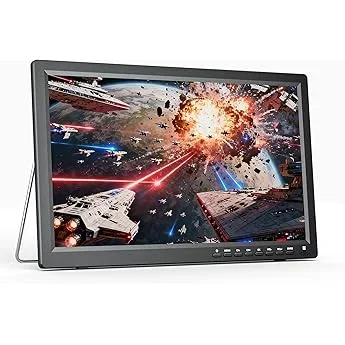
Bringing the comfort of your living room outdoors is no longer a luxury reserved for sprawling backyards. With the rise of compact, weather-resistant technology and smarter outdoor living designs, even the smallest patios can become entertainment hubs—complete with a television. Whether you’re sipping coffee on a morning balcony, hosting intimate dinner parties, or simply unwinding under string lights, a patio TV can transform your outdoor space into a true extension of your home. But not all TVs are created equal when it comes to outdoor use, especially in tight quarters where space, visibility, and durability are paramount.
This comprehensive buying guide is designed to help you navigate the often-overlooked nuances of choosing the right TV for a small patio. We’ll cut through the marketing noise and technical jargon to deliver practical, expert-backed advice tailored specifically to compact outdoor environments. From understanding brightness requirements under direct sunlight to selecting the right size for limited wall space, we’ll cover every critical factor that influences performance and longevity. By the end of this guide, you’ll know exactly what to look for, which pitfalls to avoid, and how to get the best value for your investment—no matter your budget.
The market for outdoor TVs has evolved dramatically in recent years. What once required bulky, expensive all-weather enclosures now includes sleek, purpose-built models from trusted brands like Samsung, LG, Sony, and specialized outdoor manufacturers such as SunBriteTV and Seura. Meanwhile, advancements in display technology—like OLED, QLED, and high-brightness LED panels—have made it possible to enjoy vivid, glare-free viewing even in bright daylight. At the same time, smart features, voice control, and wireless connectivity allow seamless integration with your existing home ecosystem. Whether you’re considering a fully sealed outdoor TV or a standard indoor model in a protective housing, this guide will equip you with the knowledge to make a confident, informed decision.
What to Look for When Buying a Patio TV
1. Brightness & Sunlight Readability
One of the most critical—and often misunderstood—factors when choosing a TV for a small patio is brightness. Unlike indoor viewing, where ambient light is controlled, outdoor environments expose screens to direct sunlight, glare, and shifting shadows. A standard indoor TV typically measures around 300–500 nits of brightness, which may look fine in a dim room but will appear washed out or nearly invisible on a sunny patio.
For outdoor use, especially in partially shaded or fully exposed areas, you’ll want a display with a minimum of 700 nits, but ideally 1,000 nits or higher. High-brightness panels are specifically engineered to combat glare and maintain color accuracy in daylight. Look for terms like “high luminance,” “anti-reflective coating,” or “sunlight-readable” in product descriptions. Some premium outdoor TVs even feature automatic brightness sensors that adjust output based on ambient light conditions.
Additionally, consider the screen’s reflectivity. Matte finishes and anti-glare coatings significantly reduce mirror-like reflections that can ruin the viewing experience. OLED screens, while stunning indoors, often struggle outdoors due to their lower peak brightness and higher reflectivity compared to QLED or high-brightness LED panels.
2. Weather Resistance & Durability
Even on a small patio, your TV will face the elements: rain, humidity, dust, temperature swings, and UV exposure. Standard indoor TVs are not built to withstand these conditions and can suffer from corrosion, overheating, or internal damage within months of outdoor installation.
True outdoor TVs are engineered with sealed components, rust-proof materials, and ventilation systems designed to manage heat without allowing moisture ingress. Look for an IP (Ingress Protection) rating—specifically IP55 or higher—which indicates resistance to dust and water jets. For example, IP55 means the TV is protected against dust (limited ingress) and low-pressure water sprays from any direction.
Temperature tolerance is another key consideration. Outdoor TVs should operate reliably in temperatures ranging from -22°F to 122°F (-30°C to 50°C). Cheaper enclosures or modified indoor units may fail in extreme cold or heat, leading to screen flickering, shutdowns, or permanent damage.
If you’re considering a standard indoor TV in an outdoor enclosure, ensure the housing is actively ventilated (with fans) and includes a heater for cold climates. Passive enclosures without climate control are risky and often void the manufacturer’s warranty.
3. Screen Size & Viewing Distance
On a small patio, space is at a premium—but that doesn’t mean you have to sacrifice screen size. The key is balancing visual impact with practicality. A TV that’s too large can overwhelm the space, block walkways, or require an awkward viewing angle. Conversely, a screen that’s too small may fail to deliver an immersive experience, especially if you’re entertaining guests.
As a general rule, the optimal viewing distance is 1.5 to 2.5 times the diagonal screen size. For example, a 55-inch TV is best viewed from 6.9 to 11.5 feet away. On a compact patio, you’re likely sitting within 6–8 feet, making 43-inch to 55-inch models ideal. A 65-inch screen might feel excessive unless you have a deep seating area or are viewing from a distance.
Consider the mounting location: Will the TV be wall-mounted above a grill, under a covered ledge, or on a freestanding stand? Measure the available wall space, including clearance for cables and ventilation. Also, think about sightlines—will the screen be visible from all seating areas without neck strain?
For ultra-small patios (under 80 sq ft), a 43-inch or 50-inch TV is often the sweet spot. It provides a cinematic feel without dominating the space. If you’re mounting the TV high on a wall (e.g., above a bar or kitchen pass-through), consider a model with a wide viewing angle to maintain image quality from below.
4. Smart Features & Connectivity
Modern patio TVs aren’t just about picture quality—they’re entertainment hubs. Smart functionality allows you to stream content directly without needing a separate device, which is especially useful when space is limited and you want to minimize clutter.
Look for TVs with built-in platforms like Google TV, Roku TV, or webOS (LG). These systems offer access to Netflix, YouTube, Disney+, and other popular apps, often with voice search and mobile casting capabilities. Voice assistants like Google Assistant or Alexa integration let you change channels, adjust volume, or check the weather hands-free—perfect when you’re grilling or lounging.
Connectivity is equally important. Ensure the TV has multiple HDMI ports (at least two), USB inputs, and Wi-Fi 5 or Wi-Fi 6 support for stable streaming. If you plan to connect a soundbar, gaming console, or streaming stick, check port placement—some outdoor models have rear-facing ports that are hard to reach once mounted.
For small patios, wireless streaming is a game-changer. Bluetooth support lets you pair wireless speakers or headphones for private listening. Some high-end models even include built-in speakers tuned for outdoor acoustics, though external audio is usually recommended for better sound quality.
5. Mounting Options & Installation
How you mount your TV can make or break the functionality and aesthetics of your small patio. Wall mounting is the most common and space-efficient option, but it requires careful planning. You’ll need a sturdy wall—preferably wood or metal studs, not drywall alone—and a mounting bracket compatible with your TV’s VESA pattern (the screw hole layout on the back).
Full-motion articulating mounts allow you to tilt, swivel, and extend the TV, which is useful if you want to adjust the angle for different seating arrangements or reduce glare. However, they take up more space and may not be ideal for very tight areas. Fixed or tilt-only mounts are more compact and secure but offer less flexibility.
Consider the height: The center of the screen should be at or slightly below eye level when seated. For a typical patio chair, this is around 42–48 inches from the ground. If mounting above a counter or bar, aim for 54–60 inches.
Cable management is crucial. Use outdoor-rated conduit or raceways to protect HDMI, power, and Ethernet cables from UV damage and pests. Some TVs come with cable channels or hidden compartments, but you may need to purchase accessories separately.
6. Audio Quality & Sound Solutions
While picture quality often takes center stage, audio is equally important for an immersive outdoor experience. Most built-in TV speakers are designed for indoor use and struggle to deliver clear, powerful sound in open or semi-open spaces where sound dissipates quickly.
On a small patio, you have several audio options:
– Soundbars: Compact and easy to mount below or above the TV. Look for weather-resistant models with wireless subwoofers.
– Outdoor Speakers: Ceiling or wall-mounted speakers (like those from Polk or Sonos) provide ambient sound for entertaining.
– Bluetooth Speakers: Portable and convenient for casual use, but may lack the power for larger gatherings.
If you’re using a soundbar, ensure it’s rated for outdoor use or place it under cover. Many indoor soundbars can be used outdoors temporarily but may degrade over time due to humidity.
For the best experience, consider a system with multi-room audio support, so you can sync music across your patio, kitchen, and backyard.
7. Energy Efficiency & Operating Costs
Outdoor TVs often run longer hours than indoor models—during parties, movie nights, or background viewing—so energy consumption matters. Look for ENERGY STAR-certified models, which use 15–30% less energy than standard TVs.
Brightness settings also impact power usage. A 1,000-nit screen will consume more energy than a 500-nit one, especially at maximum brightness. Some TVs include eco modes that reduce brightness when ambient light is low, helping to save power.
Additionally, consider the cost of climate-controlled enclosures or external heaters/fans if you’re using an indoor TV outdoors. These accessories can add $100–$300 to your setup and increase electricity bills.
8. Brand Reputation & Warranty
Not all outdoor TVs are created equal, and brand matters—especially when it comes to durability and support. Established brands like Samsung, LG, and Sony offer reliable indoor models that can be adapted for outdoor use with proper enclosures. However, for true outdoor performance, consider specialists like:
– SunBriteTV: Known for rugged, all-weather designs with excellent brightness and cooling.
– Seura: Offers sleek, mirror-finish TVs that double as decor when off.
– Avid Power: Budget-friendly outdoor enclosures for indoor TVs.
Warranty is critical. Standard indoor TVs typically come with 1-year warranties that may not cover outdoor use. Outdoor-specific models often include 2–3 years of coverage, sometimes with on-site service. Always read the fine print—some warranties are voided if the TV is installed in direct sunlight or without proper ventilation.
Different Types of Patio TVs

Common Buying Mistakes to Avoid
❌ Mistake: Using a Standard Indoor TV Without Protection
Why it’s bad: Indoor TVs lack weatherproofing and can fail within weeks when exposed to moisture, dust, or temperature extremes. Repairs are often costly, and warranties are typically voided.
What to do instead: Either invest in a purpose-built outdoor TV or use a high-quality, actively ventilated outdoor enclosure designed for your specific model.
❌ Mistake: Ignoring Sunlight and Glare
Why it’s bad: A dim screen will be unwatchable on sunny days, defeating the purpose of having a patio TV. You’ll end up squinting or avoiding daytime use.
What to do instead: Prioritize brightness (1,000+ nits) and anti-reflective coatings. Test the TV in similar lighting conditions if possible.
❌ Mistake: Choosing the Wrong Size for the Space
Why it’s bad: A TV that’s too large can dominate a small patio, block pathways, or require uncomfortable viewing angles. One that’s too small won’t deliver an engaging experience.
What to do instead: Measure your space and use the 1.5–2.5x screen size rule for viewing distance. Mock up the size with cardboard before buying.
❌ Mistake: Overlooking Audio Needs
Why it’s bad: Built-in TV speakers are usually inadequate outdoors, leading to muffled or quiet sound that ruins movies and music.
What to do instead: Plan for external audio from the start—whether a weather-resistant soundbar or wireless speakers.
❌ Mistake: Skimping on Mounting and Installation
Why it’s bad: Improper mounting can lead to water leaks, structural damage, or even the TV falling. DIY mistakes are common and dangerous.
What to do instead: Hire a certified installer experienced in outdoor AV setups. Use outdoor-rated hardware and seal all penetrations.
❌ Mistake: Not Considering Long-Term Maintenance
Why it’s bad: Outdoor TVs require periodic cleaning, vent checks, and component inspections. Neglect can shorten lifespan.
What to do instead: Choose a model with easy access to filters and vents. Schedule seasonal maintenance checks.
❌ Mistake: Buying Based on Price Alone
Why it’s bad: The cheapest option often lacks durability, brightness, or smart features, leading to frustration and replacement costs.
What to do instead: Focus on total value—consider lifespan, performance, and support—not just the sticker price.
Budget Guidelines: How Much Should You Spend?
– Entry-Level ($600 – $1,200): Ideal for covered patios with minimal sun exposure. Look for indoor TVs (43–50″) in basic outdoor enclosures. Expect decent smart features but limited brightness (500–700 nits) and shorter lifespan. Best for occasional use.
– Mid-Range ($1,200 – $2,500): The sweet spot for most small patio owners. Includes weatherized smart displays or mid-tier outdoor TVs with 700–1,000 nits brightness, IP55 rating, and reliable smart platforms. Great balance of performance and price.
– Premium ($2,500 – $4,000): For enthusiasts who want top-tier picture quality, durability, and features. Includes high-brightness QLED or OLED outdoor TVs with advanced cooling, voice control, and premium audio. Suitable for full sun and year-round use.
– Luxury ($4,000+): Top-of-the-line models from SunBriteTV or Seura with 1,500+ nits, ultra-slim designs, and custom finishes. Often include extended warranties and professional installation. Best for high-end homes or commercial patios.
Expert Tips for Getting the Best Deal
– Buy During Off-Season: Prices drop in late fall and winter when outdoor living demand is low. Look for Black Friday, Cyber Monday, or post-summer clearance sales.
– Compare Retailers: Check Best Buy, Amazon, Crutchfield, and specialty outdoor AV stores. Some offer free installation or extended warranties.
– Bundle Accessories: Some retailers discount mounts, cables, or soundbars when purchased with a TV.
– Read Real User Reviews: Focus on long-term feedback (6+ months) to assess durability and performance in real conditions.
– Check Return Policies: Ensure you can return the TV if it doesn’t perform as expected outdoors.
– Negotiate Installation: Some installers offer package deals for TV + mount + audio setup.
– Consider Refurbished Models: Certified refurbished outdoor TVs from reputable sellers can save 20–30% with full warranty coverage.

Frequently Asked Questions
Q: Can I use a regular TV on my covered patio?
A: Yes, but only with a proper outdoor enclosure that provides ventilation, moisture protection, and temperature control. Even covered patios can experience humidity, splashes, and temperature swings that damage indoor electronics.
Q: How do I protect my TV from rain?
A: Use a purpose-built outdoor TV or an IP55+ rated enclosure. Ensure all cable entries are sealed with grommets or conduit. Avoid placing the TV where water can pool or drip directly onto it.
Q: Will a 4K TV look good on a small patio?
A: Absolutely. 4K resolution enhances detail and clarity, even at close viewing distances. It’s especially beneficial for streaming high-quality content or gaming.
Q: Do outdoor TVs need special power outlets?
A: No, they use standard 120V outlets. However, use a GFCI (ground fault circuit interrupter) outlet for safety, especially in damp areas.
Q: Can I mount my TV on a brick or concrete wall?
A: Yes, but you’ll need masonry anchors and a drill capable of handling concrete. Consider hiring a professional to avoid cracking the wall.
Q: How often should I clean my outdoor TV?
A: Clean the screen and vents every 1–2 months with a microfiber cloth and mild cleaner. Avoid abrasive materials that can scratch the anti-reflective coating.
Q: Are outdoor TVs worth the extra cost?
A: If you plan to use your patio regularly for entertainment, yes. The durability, brightness, and reliability justify the investment over time.
Q: Can I use my patio TV in the winter?
A: Only if it’s rated for low temperatures (below 32°F). Many outdoor TVs include heaters to prevent freezing. Indoor TVs in enclosures may not survive cold snaps.
Q: What’s the lifespan of an outdoor TV?
A: With proper care, 7–10 years is typical. High-quality models with sealed components often last longer than modified indoor units.
Our Final Recommendations
– Best for Budget-Conscious Buyers: TCL 50S555 (50″ QLED) + Avid Power Outdoor Enclosure – Great picture, smart features, and weather protection under $1,200.
– Best Overall Value: SunBriteTV Veranda 3 Series (55″) – Excellent brightness, durability, and smart platform for around $2,200.
– Best Premium Option: Seura 55″ Outdoor Mirror TV – Stunning design, 1,500 nits brightness, and doubles as a mirror when off ($3,800).
– Best for Beginners: LG 43″ UQ7500 in a Seura Slim Enclosure – Easy setup, reliable performance, and compact size ($1,500).
– Best for Advanced Users: Samsung The Terrace 65″ Full Sun – Top-tier brightness, cooling system, and smart integration ($3,500).
Conclusion: Making the Right Choice
Choosing the right TV for your small patio is about more than just screen size or price—it’s about creating a seamless, enjoyable outdoor experience that stands up to the elements. By prioritizing brightness, weather resistance, smart features, and proper installation, you can transform even the tiniest outdoor space into a functional and inviting entertainment zone.
Remember, the best TV is the one that matches your lifestyle, environment, and usage patterns. Don’t rush the decision. Take time to measure your space, assess lighting conditions, and compare options. And when in doubt, consult a professional installer who understands the unique challenges of outdoor AV.
Your patio is an extension of your home—make it count. With the right TV, every sunset, movie night, or morning coffee can feel like a special occasion. Invest wisely, maintain regularly, and enjoy the outdoors like never before.

