
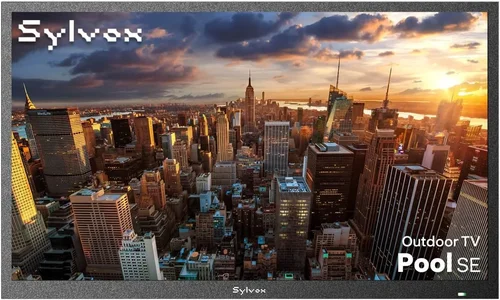
Outdoor living has evolved dramatically over the past decade. What was once a simple patio with a few chairs and a grill has transformed into a full-fledged extension of the home—complete with outdoor kitchens, fire pits, sound systems, and yes, even televisions. But when you live in a rainy climate, the idea of mounting a TV outside might seem like a risky proposition. Can you really use a TV for your patio if it rains frequently? The short answer is yes—but only if you choose the right equipment and take the proper precautions.
This guide is designed for homeowners, outdoor entertainment enthusiasts, and anyone considering upgrading their patio setup with a weather-resistant television. Whether you’re in the Pacific Northwest, the UK, Ireland, or any region prone to frequent rainfall, humidity, or sudden downpours, this comprehensive buying guide will walk you through everything you need to know. You’ll learn how to select a TV that can withstand the elements, understand the differences between indoor and outdoor models, and avoid costly mistakes that could leave you with a fried screen after the first storm.
The market for outdoor TVs has grown significantly, with manufacturers now offering specialized models built specifically for exterior use. These aren’t just regular TVs shoved into a weatherproof box—they’re engineered from the ground up to handle temperature fluctuations, moisture, dust, and UV exposure. From fully sealed enclosures to anti-glare screens and enhanced brightness, outdoor TVs are a breed apart. In this guide, we’ll break down the key factors to consider, compare different types of outdoor displays, highlight common pitfalls, and provide expert recommendations to help you make a smart, long-lasting investment.

What to Look for When Buying Buying Guide
1. Weather Resistance & IP Rating
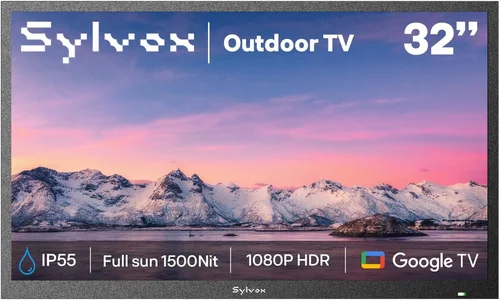
When it comes to using a TV on a rainy patio, weather resistance is the single most important factor. Unlike indoor TVs, outdoor models must be built to withstand moisture, humidity, dust, and temperature extremes. The first thing to look for is the IP (Ingress Protection) rating, which indicates how well the TV is protected against solids and liquids. For outdoor use, especially in rainy climates, you should aim for a minimum IP55 rating—this means the TV is protected against low-pressure water jets from any direction and limited dust ingress. However, for maximum peace of mind, especially in heavy rainfall areas, an IP65 or higher rating is ideal. IP65 ensures protection against water projected from a nozzle and complete dust protection.
Beyond the IP rating, consider the materials used in the TV’s construction. Look for corrosion-resistant aluminum or stainless steel housings, sealed ports, and rubber gaskets around all openings. Some premium models even feature internal heating and cooling systems to prevent condensation and maintain optimal operating temperatures. Remember, even if your TV is labeled “outdoor,” not all are created equal—always verify the IP rating and build quality before purchasing.
2. Brightness & Anti-Glare Technology
One of the biggest challenges with outdoor TVs is visibility in bright daylight. Sunlight reflecting off the screen can make it nearly impossible to see your favorite show, even on a cloudy day. This is why brightness—measured in nits—is critical. While most indoor TVs range from 300 to 500 nits, outdoor models typically start at 700 nits and can go as high as 2,500 nits or more. For a patio in a rainy but often overcast climate, a minimum of 1,000 nits is recommended to ensure clear visibility during daylight hours.
In addition to high brightness, look for anti-glare or anti-reflective coatings on the screen. These coatings reduce the amount of light reflected off the surface, improving contrast and color accuracy. Some outdoor TVs also feature optically bonded glass, which eliminates the air gap between the LCD panel and the outer glass. This not only enhances brightness but also reduces internal reflections and improves durability. Without these features, even the most expensive TV will struggle to deliver a usable picture when the sun breaks through the clouds.
3. Temperature Tolerance & Climate Adaptation
Rainy climates often come with fluctuating temperatures—cold, damp mornings followed by mild afternoons, or sudden shifts from rain to sunshine. These conditions can wreak havoc on electronics not designed for outdoor use. Standard indoor TVs are typically rated for operating temperatures between 32°F and 95°F (0°C to 35°C). In contrast, outdoor TVs are engineered to function in much broader ranges, often from -22°F to 122°F (-30°C to 50°C).
This expanded tolerance is achieved through specialized components, thermal management systems, and sealed enclosures that prevent condensation. Some high-end models include built-in heaters to warm the internal components during cold starts, ensuring the TV turns on reliably even after a freezing night. Others have cooling fans or passive ventilation systems to prevent overheating on sunny days. If your patio is exposed to direct sunlight for part of the day, this feature becomes even more important. Always check the manufacturer’s specified operating temperature range and ensure it matches your local climate.
4. Build Quality & Durability
Durability goes hand-in-hand with weather resistance. An outdoor TV isn’t just exposed to rain—it’s also subject to wind, dust, pollen, insects, and even the occasional stray soccer ball. The build quality of the TV’s housing, stand, and mounting hardware can make or break your investment. Look for models with powder-coated aluminum or marine-grade stainless steel frames, which resist rust and corrosion far better than standard plastics or untreated metals.
The screen itself should be made of tempered glass or reinforced polymer to withstand impacts and UV degradation. Over time, sunlight can cause discoloration and brittleness in lower-quality materials, leading to cracks or yellowing. Additionally, check the quality of the internal components. Outdoor TVs often use industrial-grade capacitors, resistors, and circuit boards that are more resistant to moisture and temperature stress. While these components may not be visible, they’re essential for long-term reliability. A well-built outdoor TV should last 5 to 10 years with proper care—don’t settle for anything less.
5. Connectivity & Smart Features
Just because your TV is outdoors doesn’t mean it should lack modern conveniences. Most outdoor TVs now come with smart functionality, allowing you to stream content from Netflix, YouTube, Disney+, and other platforms directly without needing an external device. Look for models with built-in Wi-Fi, Bluetooth, and support for popular voice assistants like Alexa or Google Assistant. This makes it easy to control your TV with your phone or voice, even from across the patio.
Connectivity options are also important. Ensure the TV has multiple HDMI ports, USB inputs, and possibly an Ethernet port for a wired internet connection, which can be more reliable than Wi-Fi in outdoor environments. Some models also include weatherproof cable conduits or pass-through ports to protect your cables from the elements. If you plan to connect a soundbar, gaming console, or streaming stick, make sure there’s enough space and protection for these accessories. Keep in mind that while smart features are convenient, they may consume more power and generate more heat—so balance functionality with thermal performance.
6. Mounting & Installation Requirements
Installing an outdoor TV isn’t as simple as hanging it on the wall like you would indoors. The mounting system must be secure, weather-resistant, and capable of withstanding wind loads. Most outdoor TVs are VESA-compatible, meaning they can be mounted on standard brackets, but you’ll need a heavy-duty, corrosion-resistant mount designed for outdoor use. Look for mounts made from stainless steel or aluminum with a powder-coated finish.
Consider the location of your patio. Is it covered? Partially shaded? Fully exposed? A covered patio offers more protection and may allow for a wider range of mounting options, including tilt or full-motion arms. However, even under a roof, the TV should still be rated for outdoor use due to humidity and temperature swings. If your TV will be mounted in an open area, a fixed mount is often safer to reduce wind resistance. Professional installation is highly recommended, especially for larger screens or complex setups. Improper mounting can lead to water ingress, structural failure, or even injury.
7. Audio Performance & External Sound Options
Outdoor environments are inherently noisy—wind, rain, birds, and distant traffic can all interfere with audio clarity. Most outdoor TVs have built-in speakers, but they’re often underpowered and lack bass, making dialogue hard to hear. For a truly enjoyable experience, consider pairing your TV with an outdoor sound system. Weather-resistant speakers, soundbars, or wireless Bluetooth systems can dramatically improve audio quality.
Look for TVs with audio output options such as optical, RCA, or Bluetooth 5.0, which allow you to connect external speakers easily. Some models even support multi-room audio synchronization, so you can play the same soundtrack across your patio, deck, and backyard. If you’re planning a party or movie night, good sound is just as important as a clear picture. Don’t overlook this aspect—investing in quality audio can transform your outdoor viewing experience.
8. Warranty & Support
Given the premium price of outdoor TVs and the harsh conditions they endure, a strong warranty is essential. Most reputable brands offer warranties ranging from 1 to 3 years, covering defects, water damage, and component failure. However, be sure to read the fine print—some warranties are voided if the TV is installed incorrectly or exposed to conditions beyond its rating.
Customer support is another critical factor. Choose a brand with a solid reputation for responsive service, accessible technical support, and readily available replacement parts. Brands like SunBriteTV, Samsung (The Terrace), and LG (OLED Flex) have dedicated outdoor divisions with knowledgeable support teams. Avoid lesser-known brands with limited service networks—if something goes wrong, you don’t want to be stuck with a broken TV and no way to fix it. A good warranty and reliable support can save you hundreds in repair costs and downtime.
Different Types of Buying Guide

Common Buying Mistakes to Avoid
❌ Mistake: Using a Regular Indoor TV Outdoors
Why it’s bad: Indoor TVs are not designed to handle moisture, temperature swings, or UV exposure. Even a light rain can cause internal corrosion, short circuits, or screen damage. The lack of proper sealing means water can seep into the electronics, leading to permanent failure. Additionally, indoor TVs lack the brightness needed for outdoor visibility, making them nearly unusable in daylight.
What to do instead: Always choose a TV specifically rated for outdoor use. If budget is a concern, consider a weatherproof enclosure for an indoor TV, but understand the limitations and reduced lifespan.
❌ Mistake: Ignoring the IP Rating
Why it’s bad: The IP rating tells you exactly how well the TV can resist water and dust. Skipping this detail can result in buying a TV that claims to be “outdoor” but fails after the first storm. A low IP rating (like IP44) may only protect against splashing water, not heavy rain or pressure washing.
What to do instead: Always check the IP rating and aim for IP55 or higher. Verify the rating with the manufacturer if it’s not clearly listed.
❌ Mistake: Overlooking Brightness Requirements
Why it’s bad: A dim screen is frustrating and defeats the purpose of having an outdoor TV. Even on overcast days, ambient light can wash out a low-nit display, making it hard to see details or colors.
What to do instead: Choose a TV with at least 1,000 nits of brightness. For sunny patios, go even higher—1,500 nits or more.
❌ Mistake: Poor Mounting or Installation
Why it’s bad: Incorrect mounting can lead to water leakage, structural failure, or the TV falling. Using indoor mounts or DIY solutions often voids warranties and creates safety hazards.
What to do instead: Use a certified outdoor mount and consider professional installation. Ensure all cables are routed through weatherproof conduits.
❌ Mistake: Neglecting Audio Quality
Why it’s bad: Outdoor environments are noisy. Relying solely on the TV’s built-in speakers often results in muffled dialogue and weak sound, especially during wind or rain.
What to do instead: Invest in weather-resistant outdoor speakers or a soundbar. Look for models with Bluetooth or wired audio outputs.
❌ Mistake: Buying Based on Price Alone
Why it’s bad: The cheapest option may save money upfront but cost more in repairs, replacements, or early failure. Outdoor TVs are a long-term investment.
What to do instead: Focus on value—balance price with features, durability, and warranty. Mid-range models often offer the best return on investment.
❌ Mistake: Not Planning for Power and Connectivity
Why it’s bad: Running power and HDMI cables outdoors without protection can lead to electrical hazards, signal loss, or water damage.
What to do instead: Use outdoor-rated cables, conduit, and surge protectors. Consider wireless streaming options to reduce cable clutter.
Budget Guidelines: How Much Should You Spend?
- Entry-Level ($800 – $1,500): This range typically includes indoor TVs in weatherproof enclosures or basic partial-cover outdoor models. Expect limited brightness (500-700 nits), lower IP ratings (IP44-IP54), and shorter warranties. Best for covered patios with minimal exposure.
- Mid-Range ($1,500 – $3,500): The sweet spot for most homeowners. These TVs offer 1,000+ nits brightness, IP55 or higher ratings, smart features, and solid build quality. Ideal for partially covered patios in rainy climates.
- Premium ($3,500 – $6,000): Designed for full outdoor exposure, these models feature advanced climate control, ultra-high brightness (1,500-2,500 nits), commercial-grade components, and extended warranties. Perfect for open patios or coastal areas.
- Luxury ($6,000+): Top-tier commercial displays with 24/7 operation capability, extreme durability, and custom installation support. Suited for large estates, hotels, or high-end outdoor entertainment spaces.
Expert Tips for Getting the Best Deal
- Buy during off-season sales: Outdoor TVs often go on sale in late fall or winter when demand is low. Look for Black Friday, Cyber Monday, or end-of-season discounts.
- Shop at specialty retailers: Stores like Crutchfield, Abt, or Outdoor TV Direct often have better selection, expert advice, and bundled installation services than big-box retailers.
- Compare total cost of ownership: Factor in installation, mounts, cables, and potential repairs. A cheaper TV may end up costing more over time.
- Check return and warranty policies: Ensure you can return the TV if it doesn’t perform as expected. Look for brands with in-home service or extended warranty options.
- Test before you buy (if possible): Visit a showroom to see the TV’s brightness and picture quality in person. Some retailers offer demo units.
- Consider refurbished or open-box models: These can offer significant savings with minimal risk, especially from reputable sellers with warranties.
- Bundle with accessories: Some retailers offer discounts when you buy a TV, mount, and sound system together.
- Read real user reviews: Look for feedback from customers in similar climates. Pay attention to long-term durability and customer service experiences.

Frequently Asked Questions
Q: Can I use a regular TV on my covered patio?
A: It depends on the level of coverage. If your patio is fully enclosed or has a solid roof with walls, a high-quality indoor TV might survive with proper ventilation and protection. However, humidity, temperature swings, and occasional moisture can still cause damage over time. For peace of mind and longevity, an outdoor-rated TV is strongly recommended—even under cover.
Q: Do outdoor TVs need to be plugged in all the time?
A: Yes, outdoor TVs require a constant power source to operate. However, many models include energy-saving modes and automatic shut-off timers to reduce power consumption when not in use. Always use a GFCI (Ground Fault Circuit Interrupter) outlet for safety.
Q: How do I protect my outdoor TV from theft?
A: Use a lockable mount, install the TV in a well-lit area, and consider adding a security camera. Some mounts come with built-in locks, and you can also use cable locks or alarm systems for added protection.
Q: Can I leave my outdoor TV on during rain?
A: Yes, as long as it’s a properly rated outdoor TV with a high IP rating. These models are designed to operate safely in wet conditions. However, avoid spraying water directly on the screen or ports.
Q: What’s the difference between an outdoor TV and a weatherproof enclosure?
A: An outdoor TV is built from the ground up for exterior use, with sealed components, climate control, and high brightness. A weatherproof enclosure houses a standard indoor TV, offering protection but often lacking in brightness, thermal management, and long-term reliability.
Q: How long do outdoor TVs last?
A: With proper care and installation, most outdoor TVs last 5 to 10 years. Premium models with commercial-grade components can last even longer. Regular maintenance, such as cleaning the screen and checking seals, can extend lifespan.
Q: Can I use my outdoor TV in winter?
A: Yes, if it’s rated for low temperatures. Look for models with operating ranges down to -22°F (-30°C) and built-in heaters for cold starts. Avoid turning on the TV if it’s been exposed to freezing temperatures without warming up first.
Q: Do outdoor TVs come with remotes?
A: Most do, but the remote may not be weatherproof. Consider using a smartphone app or voice control for convenience. Some models include RF remotes that work through walls and weather barriers.
Q: Can I connect a gaming console to an outdoor TV?
A: Absolutely. Most outdoor TVs have multiple HDMI ports and support 4K gaming. Just ensure the console is protected from the elements—use a weatherproof box or keep it indoors with a long HDMI cable.
Q: Are outdoor TVs worth the investment?
A: If you spend significant time outdoors and value entertainment, yes. They enhance your outdoor living space, increase property value, and provide reliable performance in challenging conditions. For occasional use, a portable or partial-cover model may be more cost-effective.
Our Final Recommendations
- Best for Budget-Conscious Buyers: SunBriteTV Veranda Series – Offers excellent value with 1,000+ nits brightness, IP55 rating, and smart features at a mid-range price.
- Best Overall Value: Samsung The Terrace – Combines QLED picture quality, 2,000 nits brightness, and robust weather resistance. Ideal for rainy climates with partial cover.
- Best Premium Option: SunBriteTV Pro Series – Built for extreme conditions with full climate control, 2,500 nits brightness, and commercial-grade durability.
- Best for Beginners: LG OLED Flex (with outdoor enclosure) – A flexible indoor TV paired with a high-quality weatherproof case. Great for testing the waters before investing in a full outdoor model.
- Best for Advanced Users: Peerless-AV Xtreme Outdoor Display – A commercial-grade solution with 24/7 operation, modular design, and customizable mounting. Perfect for tech-savvy homeowners or professionals.
Conclusion: Making the Right Choice
Choosing the right outdoor TV for a rainy climate doesn’t have to be overwhelming. By focusing on key factors like weather resistance, brightness, temperature tolerance, and build quality, you can find a model that delivers stunning picture quality and reliable performance—rain or shine. Remember, this is an investment in your outdoor lifestyle. Don’t cut corners on protection or durability. Take the time to assess your patio’s exposure, set a realistic budget, and prioritize features that matter most to you.
Whether you’re hosting summer barbecues, watching the big game under the stars, or enjoying a quiet evening with a movie, the right outdoor TV can transform your patio into a true entertainment destination. Use this guide as your roadmap, avoid common pitfalls, and make a decision that will bring you joy for years to come. When in doubt, consult with a professional installer or reach out to the manufacturer for climate-specific advice. Your perfect outdoor viewing experience is just a purchase away.

