
Outdoor living spaces have evolved dramatically over the past decade. What once was a simple patio with a few chairs and a grill has transformed into fully equipped outdoor entertainment zones—complete with weather-resistant furniture, ambient lighting, outdoor kitchens, and yes, even televisions. Whether you’re relaxing under a pergola on a warm summer evening or hosting friends for a backyard movie night, having a TV outdoors can elevate your experience significantly. But not just any TV will do. Standard indoor TVs aren’t built to withstand the elements, and even covered patios or pergolas present unique challenges like glare, temperature swings, humidity, and dust. That’s why choosing the right outdoor TV is critical—not just for performance, but for safety, longevity, and overall enjoyment.
This comprehensive buying guide is designed to help you navigate the complex world of outdoor televisions with confidence. Whether you’re a homeowner looking to upgrade your backyard setup or a contractor designing an outdoor living space for a client, this guide will walk you through everything you need to know. We’ll cover the essential factors to consider—from weather resistance and screen brightness to installation tips and budget planning. You’ll learn how to differentiate between true outdoor TVs and indoor models marketed as “outdoor-ready,” understand the pros and cons of different display technologies, and avoid common pitfalls that can lead to costly mistakes. By the end, you’ll be equipped with the knowledge to make a smart, informed decision that fits your space, lifestyle, and budget.
The market for outdoor TVs has grown rapidly, driven by increasing demand for outdoor entertainment and smart home integration. Major brands like Samsung, LG, Sony, and specialized manufacturers such as SunBriteTV, Seura, and Peerless have stepped up with models specifically engineered for outdoor use. These aren’t just ruggedized versions of indoor TVs—they’re purpose-built with features like anti-glare screens, weatherproof casings, and enhanced cooling systems. However, with so many options available, it’s easy to get overwhelmed. This guide cuts through the noise, offering expert insights, real-world advice, and actionable recommendations to help you find the perfect TV for your patio or pergola setup.
What to Look for When Buying Buying Guide
1. Weather Resistance & IP Rating
One of the most critical factors when selecting an outdoor TV is its ability to withstand environmental conditions. Even under a pergola or covered patio, your TV will be exposed to humidity, dust, temperature fluctuations, and occasional rain or sprinkler spray. That’s why weather resistance isn’t optional—it’s essential. Look for TVs with a high Ingress Protection (IP) rating, which indicates how well the device is protected against solids (like dust) and liquids (like water). For outdoor use, an IP55 rating or higher is recommended. IP55 means the TV is protected against dust ingress (limited) and water jets from any direction. Some premium models offer IP65 or IP66 ratings, providing even greater protection against dust and powerful water jets.
True outdoor TVs are built with sealed enclosures, corrosion-resistant materials, and internal components that can handle temperature extremes—typically from -30°F to 120°F. They also include features like hydrophobic coatings on the screen to repel water and prevent streaking. Avoid indoor TVs with “weather-resistant” cases or third-party enclosures unless they’re specifically certified for outdoor use. These setups often fail over time due to poor ventilation, condensation buildup, or inadequate sealing. Always verify the manufacturer’s specifications and look for certifications like UL Listed for outdoor use.
2. Screen Brightness & Anti-Glare Technology
Sunlight is the enemy of visibility when it comes to outdoor TVs. Even under a pergola, ambient light can create glare that makes it nearly impossible to see the screen. That’s why outdoor TVs must have significantly higher brightness levels than indoor models. While a typical indoor TV operates at around 300–500 nits, outdoor TVs should deliver at least 700 nits, with many premium models exceeding 1,000 nits. This high luminance ensures the image remains clear and vibrant even in direct sunlight or bright daylight conditions.
Equally important is anti-glare technology. Look for TVs with optically bonded screens, which reduce reflections by bonding the LCD panel directly to the outer glass. This minimizes air gaps that cause light scattering and improves contrast. Some models also feature anti-reflective coatings or matte finishes that diffuse ambient light. Additionally, consider the viewing angle—outdoor seating often spans a wide arc, so a TV with wide viewing angles (178 degrees or more) ensures everyone gets a good view. OLED screens, while stunning indoors, often struggle with brightness outdoors and are less common in outdoor models. Instead, most outdoor TVs use high-brightness LED or QLED panels optimized for outdoor visibility.
3. Build Quality & Durability
Outdoor TVs are an investment, and you want yours to last for years—not just seasons. Build quality directly impacts longevity, especially when exposed to the elements. Start by examining the materials used in the chassis and bezel. High-quality outdoor TVs use powder-coated aluminum or stainless steel, which resist rust, corrosion, and UV degradation. Avoid plastic enclosures, which can become brittle over time when exposed to sunlight and temperature changes.
Internal components are just as important. Look for TVs with sealed cooling systems that prevent dust and moisture from entering while maintaining optimal operating temperatures. Passive cooling (fanless designs) is often preferred because fans can suck in dirt and fail prematurely. Also, check for reinforced mounting points and VESA compatibility, as outdoor TVs are typically wall-mounted or installed on sturdy brackets. The mounting hardware should be included or clearly specified, and the TV should support tilt or swivel adjustments for optimal viewing angles. Finally, consider the weight and size—larger screens may require additional structural support, especially under a pergola with limited overhead space.
4. Features & Functionality
Modern outdoor TVs come packed with smart features, but not all are created equal. Start with the operating system—popular options include Android TV, webOS (LG), Tizen (Samsung), and proprietary systems. Android TV offers the most app flexibility, while webOS and Tizen are known for smooth performance and integration with other smart home devices. Ensure the TV supports Wi-Fi and Bluetooth for wireless streaming and audio output. HDMI ports are essential for connecting devices like streaming sticks, gaming consoles, or soundbars. Look for at least two HDMI 2.0 or 2.1 ports, with ARC (Audio Return Channel) support for simplified audio routing.
Smart functionality is a major plus, but consider how you’ll use it. If you plan to stream content frequently, ensure the TV has a fast processor and sufficient RAM to handle apps like Netflix, YouTube, or Disney+ without lag. Voice control via Google Assistant or Alexa is also useful, especially when your hands are full with food or drinks. Some outdoor TVs include built-in speakers, but they’re often underpowered due to space and weather constraints. For better audio, plan to connect an outdoor soundbar or wireless speakers. Also, check for features like motion sensors (to turn the TV on when someone approaches), ambient light sensors (to adjust brightness automatically), and remote control range—outdoor remotes should work from at least 30 feet away.
5. Size & Viewing Distance
Choosing the right screen size is crucial for both visibility and aesthetics. A TV that’s too small will be hard to see from a distance, while one that’s too large can overwhelm your outdoor space. A good rule of thumb is to measure the distance from the seating area to the TV and divide by 1.5 to 2.5 to determine the ideal screen size in inches. For example, if your seating is 10 feet (120 inches) away, a 48- to 80-inch TV would be appropriate. Most outdoor setups under pergolas fall in the 55- to 75-inch range, balancing visibility and space constraints.
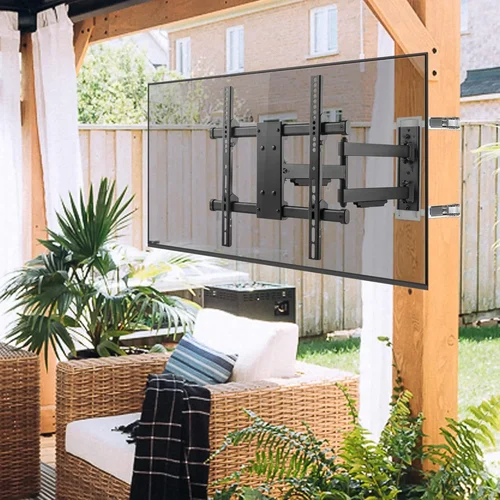
Consider the layout of your patio. If viewers will be seated at an angle, a wider screen may be better than a taller one. Also, think about how the TV will integrate with your pergola design. Wall-mounted TVs should be centered at eye level when seated—typically 42 to 48 inches from the ground to the center of the screen. If mounting on a post or freestanding stand, ensure it’s stable and secure. Some outdoor TVs come with optional stands or articulating arms that allow for flexible positioning. Finally, remember that larger screens consume more power and may require a dedicated electrical circuit, especially if you’re running them for extended periods.
6. Brand Reputation & Specialization
Not all TV brands are created equal when it comes to outdoor performance. While major manufacturers like Samsung and LG offer some outdoor-capable models, companies that specialize in outdoor displays—such as SunBriteTV, Seura, and Peerless—often deliver superior durability and performance. These brands design their TVs from the ground up for outdoor use, with features like full weatherproofing, high-brightness panels, and ruggedized components. They also tend to offer better customer support and longer warranties for outdoor applications.
That said, mainstream brands have made strides in recent years. Samsung’s “The Terrace” and LG’s “OLED Outdoor” series are excellent examples of high-end outdoor TVs that blend smart features with weather resistance. However, they come at a premium price. When evaluating brands, look beyond marketing claims and check independent reviews, user feedback, and third-party testing. Pay attention to how the brand handles repairs and replacements—outdoor TVs are harder to service, so a strong warranty and responsive support team are invaluable. Also, consider the availability of accessories like outdoor mounts, weatherproof covers, and extended warranties.
7. Warranty & Support
A robust warranty is a strong indicator of a manufacturer’s confidence in their product—and it’s especially important for outdoor electronics. Standard indoor TVs often come with 1-year limited warranties, but outdoor models should offer at least 2 to 3 years of coverage, with some brands providing up to 5 years. Look for warranties that explicitly cover outdoor use, including damage from moisture, temperature, and UV exposure. Avoid warranties that void coverage if the TV is used outside, as many indoor TV warranties do.
Support services matter too. Can you easily contact customer service? Is there a network of authorized repair centers? Do they offer on-site service or mail-in repairs? Some brands provide dedicated outdoor TV support teams with expertise in installation and troubleshooting. Also, check if the warranty includes accidental damage protection or power surge coverage—outdoor environments are more prone to electrical issues. Finally, read the fine print: some warranties require professional installation or annual maintenance to remain valid. Keep all documentation and register your TV promptly to ensure full coverage.
8. Installation & Mounting Requirements
Proper installation is just as important as the TV itself. Outdoor TVs require secure mounting to withstand wind, vibration, and accidental bumps. Wall mounts should be rated for outdoor use and capable of supporting the TV’s weight—typically 50 to 100 pounds for larger models. Use stainless steel or galvanized hardware to prevent rust. If mounting under a pergola, ensure the structure can handle the load and that there’s adequate clearance for ventilation and cable management.
Cable routing is another critical consideration. All connections—power, HDMI, Ethernet—should be run through waterproof conduits or outdoor-rated cable channels. Use weatherproof outlet boxes and GFCI (Ground Fault Circuit Interrupter) outlets for safety. Consider installing a surge protector or whole-home surge suppression system to protect against lightning and power fluctuations. For wireless setups, ensure your Wi-Fi signal reaches the TV location—mesh networks or outdoor Wi-Fi extenders may be necessary. Finally, plan for future access: leave enough slack in cables and choose a mounting location that allows for easy maintenance or upgrades.
Different Types of Buying Guide

Common Buying Mistakes to Avoid
❌ Mistake: Buying an Indoor TV for Outdoor Use
Why it’s bad: Indoor TVs are not designed to handle moisture, temperature extremes, or dust. Even under a pergola, condensation can form inside the unit, leading to corrosion, electrical shorts, and permanent damage. The screen will also suffer from glare and poor visibility in daylight.
What to do instead: Invest in a TV specifically engineered for outdoor use. These models feature sealed enclosures, high-brightness screens, and weather-resistant components. If budget is a concern, consider a partial coverage model or a high-quality indoor TV in a certified outdoor enclosure.
❌ Mistake: Ignoring the IP Rating
Why it’s bad: Without a proper IP rating, you have no guarantee that the TV can withstand rain, sprinklers, or humidity. A low or unspecified rating increases the risk of water damage and voided warranties.
What to do instead: Always check the IP rating and ensure it’s appropriate for your setup. For covered patios, IP55 is sufficient. For open areas, aim for IP65 or higher. Verify the rating with the manufacturer and avoid vague terms like “weather-resistant” without certification.
❌ Mistake: Overlooking Screen Brightness
Why it’s bad: A dim screen will be washed out by sunlight, making it impossible to see content during the day. This defeats the purpose of having an outdoor TV and leads to frustration.
What to do instead: Choose a TV with at least 700 nits of brightness, preferably 1,000+ nits for sunny areas. Look for anti-glare coatings and optically bonded screens to improve visibility. Test the TV in similar lighting conditions if possible.
❌ Mistake: Poor Installation Planning
Why it’s bad: Improper mounting can lead to instability, water ingress, or electrical hazards. Cables left exposed can degrade quickly, and poor ventilation can cause overheating.
What to do instead: Plan the installation carefully. Use outdoor-rated mounts, run cables through waterproof conduits, and ensure proper grounding and surge protection. Consider hiring a professional installer with outdoor TV experience.
❌ Mistake: Skimping on Audio
Why it’s bad: Built-in outdoor TV speakers are often weak and muffled due to weatherproofing. Relying on them results in poor sound quality, especially with background noise like wind or traffic.
What to do instead: Pair your TV with outdoor speakers or a weatherproof soundbar. Wireless options like Bluetooth speakers offer flexibility, while wired systems provide consistent performance. Position speakers for even coverage across seating areas.
❌ Mistake: Not Checking Warranty Terms
Why it’s bad: Many warranties exclude outdoor use or require specific installation methods. If your TV fails and the warranty is void, you’re left with a costly repair or replacement.
What to do instead: Read the warranty carefully and confirm it covers outdoor installation. Register your TV promptly and keep records of professional installation if required. Consider extended warranties for added peace of mind.
❌ Mistake: Choosing the Wrong Size
Why it’s bad: A TV that’s too small is hard to see, while one that’s too large can dominate the space and strain the viewing experience. Both scenarios reduce enjoyment and value.
What to do instead: Use the viewing distance formula (distance ÷ 1.5 to 2.5) to determine the ideal size. Consider the layout and seating arrangement. When in doubt, go slightly larger—modern outdoor TVs are designed to blend into outdoor aesthetics.
Budget Guidelines: How Much Should You Spend?
- Entry-Level ($800 – $1,500): These are typically indoor TVs in outdoor enclosures or basic partial-coverage models. They offer limited brightness (500–700 nits) and minimal weather resistance. Best for shaded, covered areas with minimal exposure. Expect shorter lifespans and fewer smart features.
- Mid-Range ($1,500 – $3,500): This is the sweet spot for most homeowners. These TVs offer true outdoor performance with IP55+ ratings, 700–1,000+ nits brightness, and solid smart functionality. Ideal for pergolas and covered patios. Brands like SunBriteTV and Seura offer excellent options in this range.
- Premium ($3,500 – $6,000): For enthusiasts and those seeking top-tier performance. These models feature IP65+ ratings, 1,000+ nits brightness, advanced anti-glare tech, and premium smart platforms. Often include professional installation support and extended warranties. Samsung’s The Terrace and LG’s OLED Outdoor series fall here.
- Luxury ($6,000+): Commercial-grade displays and custom installations. Built for 24/7 operation, extreme durability, and seamless integration with smart home systems. Suitable for large venues, luxury homes, or high-end outdoor theaters. Expect full-service support and bespoke mounting solutions.
Expert Tips for Getting the Best Deal
- Buy During Off-Season: Outdoor TVs are in highest demand during spring and summer. Shop in late fall or winter for discounts and promotions. Many retailers clear inventory before the new season.
- Compare Retailers: Check prices at specialty outdoor electronics stores, big-box retailers, and online marketplaces. Some brands offer direct-to-consumer pricing with free shipping and installation guides.
- Look for Bundles: Some retailers offer TV + mount + soundbar packages at a discount. These can save you 10–20% compared to buying separately.
- Check for Rebates: Manufacturers and utility companies sometimes offer rebates for energy-efficient outdoor electronics. Visit the brand’s website or contact customer service.
- Read Return Policies: Ensure the retailer offers a generous return window (30+ days) and covers return shipping. Outdoor TVs are heavy and expensive to ship back.
- Test Before Committing: If possible, visit a showroom or ask for a demo unit. Check brightness, sound quality, and ease of use in conditions similar to your patio.
- Consider Refurbished Models: Certified refurbished outdoor TVs from reputable sellers can offer significant savings with full warranties. Ensure they’re tested and come with documentation.
- Negotiate Installation: Some retailers offer free or discounted installation with purchase. Even if not advertised, it’s worth asking—especially for higher-end models.

Frequently Asked Questions
Q: Can I use a regular TV under a pergola?
A: Technically yes, but it’s not recommended. Regular TVs lack weatherproofing and high brightness, leading to poor visibility and potential damage from humidity or temperature changes. For best results, use a TV designed for partial outdoor coverage or a certified outdoor enclosure.
Q: Do outdoor TVs need to be plugged in all the time?
A: Yes, outdoor TVs require a constant power source. They don’t have batteries and are designed for permanent installation. Use a GFCI outlet and consider a timer or smart plug for energy savings.
Q: How do I protect my outdoor TV from theft?
A: Use a lockable mount, install the TV in a visible area, and consider a security camera. Some mounts include anti-theft screws or alarms. For high-risk areas, choose a model with a built-in security slot.
Q: Can I leave my outdoor TV on during rain?
A: Only if it’s a fully outdoor-rated model with an appropriate IP rating. Partial coverage TVs should be protected from direct rain. Always check the manufacturer’s guidelines.
Q: Do outdoor TVs work with streaming devices?
A: Yes, most outdoor TVs have HDMI ports and support devices like Roku, Apple TV, or Amazon Fire Stick. Ensure the device is also protected from the elements or use a weatherproof enclosure.
Q: How long do outdoor TVs last?
A: With proper care, a quality outdoor TV can last 7–10 years or more. Lifespan depends on build quality, usage, and environmental conditions. Regular maintenance and professional installation extend longevity.
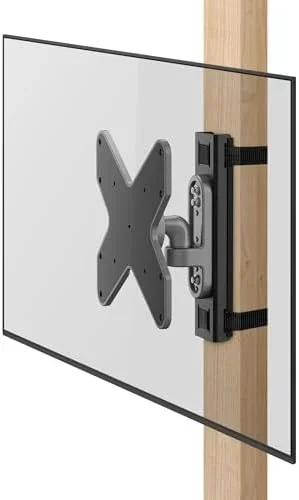
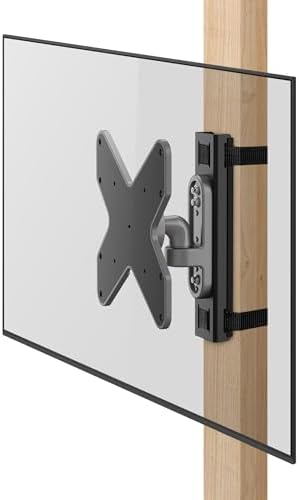
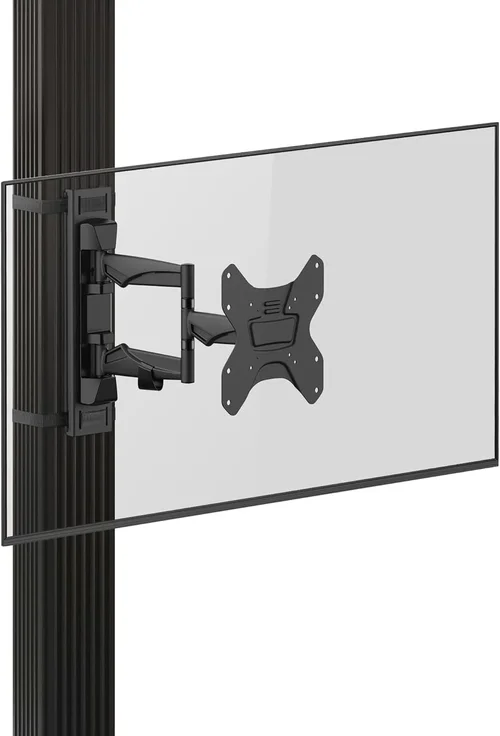
Q: Can I mount an outdoor TV on a pergola post?
A: Yes, but ensure the post is structurally sound and can support the weight. Use a heavy-duty outdoor mount and consult a contractor if needed. Avoid mounting on lightweight or decorative posts.
Q: Are outdoor TVs energy efficient?
A: Modern outdoor TVs are relatively efficient, but larger, brighter models consume more power. Look for ENERGY STAR ratings and use power-saving features like auto-brightness and sleep timers.
Q: What’s the difference between partial and full outdoor TVs?
A: Partial outdoor TVs are designed for covered areas like pergolas and screened porches. Full outdoor TVs can withstand direct exposure to rain, snow, and sun. Choose based on your level of coverage.
Q: Can I use voice control with an outdoor TV?
A: Yes, if the TV supports Google Assistant or Alexa. Ensure the microphone on the remote or TV can pick up your voice over background noise. Some models include far-field microphones for better range.
Our Final Recommendations
- Best for Budget-Conscious Buyers: SunBriteTV Veranda Series – Offers excellent value with IP55 rating, 700+ nits brightness, and solid smart features. Ideal for covered patios and pergolas.
- Best Overall Value: Seura Outdoor TV – Combines premium build quality, 1,000+ nits brightness, and sleek design. Great for partial coverage with long-term durability.
- Best Premium Option: Samsung The Terrace – Top-tier performance with IP65 rating, QLED display, and seamless smart integration. Perfect for high-end outdoor entertainment.
- Best for Beginners: LG OLED Outdoor TV – User-friendly interface, excellent picture quality, and reliable weather resistance. Great for first-time outdoor TV buyers.
- Best for Advanced Users: Peerless Commercial Outdoor Display – Built for 24/7 operation, extreme conditions, and professional installations. Ideal for tech-savvy users with complex setups.
Conclusion: Making the Right Choice
Choosing the right TV for your patio or pergola is about more than just screen size or brand name—it’s about creating a reliable, enjoyable outdoor entertainment experience that lasts. From weather resistance and brightness to installation and audio, every detail matters. By prioritizing your specific needs—whether it’s budget, coverage level, or smart features—you can find a TV that enhances your outdoor living space without compromising on performance or safety.
Remember, an outdoor TV is an investment in your lifestyle. Take the time to research, compare options, and plan your setup carefully. Avoid common pitfalls, leverage expert tips, and don’t hesitate to seek professional help when needed. With the right TV, your patio can become the ultimate destination for relaxation, entertainment, and connection—rain or shine, day or night.
Now that you’re equipped with the knowledge from this guide, it’s time to take action. Measure your space, set your budget, and start exploring the best outdoor TVs on the market. Your perfect backyard movie night is just a purchase away.

