
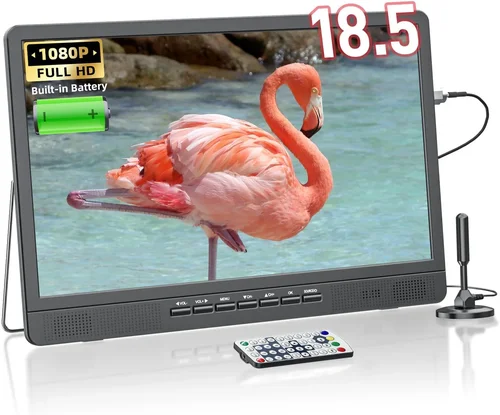
Outdoor living spaces have evolved far beyond simple patios with a few chairs and a grill. Today’s homeowners are transforming their small patios into fully functional outdoor entertainment zones—complete with weather-resistant furniture, ambient lighting, sound systems, and yes, even televisions. But when it comes to choosing the right TV for a compact deck or patio, many buyers face a critical question: Can you really use a deck TV for a small patio? The short answer is yes—but not just any TV will do. The unique challenges of outdoor environments—sunlight glare, humidity, temperature swings, dust, and limited space—demand specialized technology and thoughtful planning.
That’s where this comprehensive buying guide comes in. Whether you’re envisioning movie nights under the stars, catching the big game while grilling, or simply enjoying your favorite show with a morning coffee on your tiny urban balcony, selecting the right outdoor TV is essential. This guide is designed to cut through the marketing noise and help you make an informed, confident decision. You’ll learn what “deck TV” really means, how it differs from indoor models, and which features matter most for small-space installations. We’ll walk you through budget considerations, performance specs, durability requirements, and even common pitfalls to avoid. By the end, you’ll know exactly what to look for—and what to skip—when shopping for an outdoor television that fits your lifestyle and space.
The market for outdoor TVs has grown significantly in recent years, driven by advances in display technology and increasing demand for year-round outdoor living. Major brands like Samsung, LG, Sony, and specialized outdoor manufacturers such as SunBriteTV, Seura, and Peerless-AV now offer a range of models designed specifically for exterior use. These aren’t just indoor TVs slapped in a weatherproof box—they’re engineered from the ground up to withstand the elements while delivering bright, clear images even in direct sunlight. However, with prices ranging from under $500 to well over $5,000, and a wide variety of sizes, features, and installation options, it’s easy to feel overwhelmed. This guide will demystify the process, helping you find the perfect balance of performance, protection, and price for your small patio setup.

What to Look for When Buying Buying Guide
1. Weather Resistance & IP Rating
One of the most critical factors when choosing a TV for your small patio is its ability to withstand outdoor conditions. Unlike indoor TVs, outdoor models must be built to resist moisture, dust, extreme temperatures, and UV exposure. Look for televisions with a high Ingress Protection (IP) rating—specifically IP55 or higher. An IP55 rating means the TV is protected against low-pressure water jets from any direction and limited dust ingress, making it suitable for covered patios. For fully exposed areas, consider IP65 or IP66 ratings, which offer even greater protection against water and dust.
Beyond the IP rating, check if the TV is certified for outdoor use by recognized bodies like UL (Underwriters Laboratories). Many reputable outdoor TVs undergo rigorous testing for thermal cycling, salt fog resistance (important for coastal areas), and UV stability. Also, pay attention to the materials used in the casing—powder-coated aluminum or marine-grade stainless steel resists rust and corrosion far better than standard plastics or painted metals. If your patio is near a pool or frequently exposed to rain, investing in a fully sealed, all-weather model is non-negotiable.
2. Brightness & Display Technology
Sunlight is the enemy of outdoor viewing. Even on a partly cloudy day, ambient light can wash out an indoor TV’s image, making it nearly unwatchable. That’s why outdoor TVs must have significantly higher brightness levels—measured in nits—than their indoor counterparts. For small patios, especially those with partial shade or covered areas, a minimum of 700 nits is recommended. However, if your space gets direct sunlight for part of the day, aim for 1,000 nits or more. Some premium models boast up to 2,500 nits, ensuring crisp visibility even at noon.
The type of display technology also plays a role. Most outdoor TVs use LED-backlit LCD panels, but newer models are incorporating quantum dot (QLED) or mini-LED technology for better color accuracy and contrast. Avoid OLED TVs for outdoor use—while they offer stunning blacks and contrast indoors, their organic compounds degrade faster under UV exposure and high temperatures. Additionally, look for anti-glare or optically bonded screens, which reduce reflections and improve clarity in bright conditions. A matte finish or specialized coating can make a huge difference in image quality on your small patio.
3. Size & Viewing Distance
When space is limited, choosing the right screen size is both an art and a science. A TV that’s too large can overwhelm a small patio, while one that’s too small may be hard to see from seating areas. As a general rule, the ideal viewing distance is 1.5 to 2.5 times the diagonal screen size. For example, a 43-inch TV is best viewed from 5.5 to 9 feet away—perfect for a compact deck with a bistro set or loveseat. If your patio is very small (under 8 feet wide), consider a 32- to 43-inch model. For slightly larger spaces (10–12 feet), 50- to 55-inch TVs work well.
Also consider the physical dimensions of the TV, including bezel width and mounting depth. Some outdoor models are bulkier due to weatherproof enclosures, so measure your available wall or stand space carefully. Wall-mounting is often the best option for small patios, as it frees up floor space and allows for optimal angle adjustment. Look for VESA-compatible mounts (typically 200×200 or 400×400) and ensure your mounting surface can support the weight. If you plan to move the TV seasonally, consider a portable outdoor TV cart with locking wheels.
4. Audio Performance & External Speaker Options
Outdoor environments are inherently noisy—wind, traffic, birds, and neighborhood activity can all interfere with audio clarity. Most outdoor TVs come with built-in speakers, but they’re often underpowered and lack bass response. For a truly immersive experience on your small patio, you’ll likely need external audio solutions. Look for TVs with audio output options such as optical digital out, 3.5mm aux, or Bluetooth connectivity. This allows you to connect weather-resistant outdoor speakers, a soundbar, or even a full outdoor audio system.
If you’re mounting the TV on a wall, consider models with front-firing speakers to improve sound projection. Some high-end outdoor TVs include advanced audio processing like Dolby Atmos or DTS:X, though these are rare and often require compatible external speakers to be effective. For budget-conscious buyers, a simple Bluetooth speaker paired with the TV can deliver surprisingly good sound without breaking the bank. Just ensure any external audio equipment is also rated for outdoor use and protected from the elements.
5. Connectivity & Smart Features
Modern outdoor TVs aren’t just passive displays—they’re smart entertainment hubs. Look for models with built-in Wi-Fi, Ethernet ports, and support for popular streaming platforms like Netflix, YouTube, Hulu, and Disney+. Many outdoor TVs run on Android TV, Roku, or webOS operating systems, offering access to thousands of apps and voice control via Google Assistant or Alexa. This is especially useful on a small patio where you might not have space for a separate streaming device.
Check the number and type of HDMI ports—at least two are recommended, especially if you plan to connect a gaming console, soundbar, or cable box. USB ports are also handy for playing media files or powering external devices. Some models include weatherproof input covers to protect connections when not in use. If you’re using a TV antenna for local broadcasts, ensure the TV has a built-in tuner. For those who prefer wired connections, look for models with robust cable management systems to keep cords tidy and protected.
6. Installation & Mounting Flexibility
Proper installation is crucial for both performance and safety on a small patio. Wall mounting is the most common and space-efficient method, but it requires a sturdy surface—concrete, brick, or reinforced wood—and proper anchoring. Ceiling mounts are another option, especially for covered patios with overhead beams. Some homeowners opt for freestanding outdoor TV cabinets or carts, which offer mobility and built-in storage for cables and accessories.
When choosing a mount, ensure it’s rated for outdoor use and can support the TV’s weight and size. Tilt and swivel features are valuable for adjusting the viewing angle based on sun position or seating layout. If your patio has limited wall space, consider a corner mount or articulating arm that allows the TV to be pulled out and angled. Always follow the manufacturer’s installation guidelines and, if in doubt, hire a professional. Improper mounting can lead to damage, injury, or voided warranties.
7. Energy Efficiency & Operating Costs
Outdoor TVs tend to consume more power than indoor models due to higher brightness levels and additional cooling systems. While this may not be a major concern for occasional use, it can add up if you leave the TV on for extended periods. Look for ENERGY STAR-certified models, which meet strict efficiency guidelines set by the U.S. Environmental Protection Agency. These TVs use up to 30% less energy than standard models, reducing both your electricity bill and environmental impact.
Also consider the TV’s thermal management system. Many outdoor models include built-in fans or passive cooling to prevent overheating in hot weather. While fans can be noisy, they’re often necessary for maintaining performance and longevity. Some premium models use fanless designs with heat-dissipating materials, offering quieter operation—ideal for peaceful patio evenings. Check the power consumption specifications (usually listed in watts) and compare models to find the most efficient option for your usage pattern.
8. Warranty & Customer Support
Outdoor TVs are a significant investment, so robust warranty coverage is essential. Most reputable manufacturers offer at least a one-year limited warranty, but many extend coverage to two or three years, especially for commercial or premium models. Look for warranties that cover both parts and labor, and clarify what’s included—some exclude damage from extreme weather or improper installation. Extended warranties or service plans may be worth considering, particularly for high-end models.
Customer support is another key factor. Choose brands with responsive service teams, accessible technical support, and clear troubleshooting resources. Online forums, user manuals, and video guides can be invaluable if you encounter issues. Brands like SunBriteTV and Seura are known for excellent customer service and detailed installation support. Avoid no-name brands or imported models with limited U.S. support, as repairs or replacements can be difficult and costly.
Different Types of Buying Guide

Common Buying Mistakes to Avoid
❌ Mistake: Using an Indoor TV Outdoors
Why it’s bad: Indoor TVs are not designed to handle moisture, temperature changes, or UV exposure. Even under a covered patio, condensation can form inside the screen, leading to fogging, corrosion, and permanent damage. Most indoor models also lack the brightness needed for outdoor viewing, resulting in a dim, washed-out image.
What to do instead: Invest in a TV specifically rated for outdoor use. If budget is tight, consider a weatherproof enclosure, but ensure it’s properly ventilated and rated for your climate. Never assume that “it’s just under the roof” means it’s safe—outdoor conditions are far more demanding than indoor ones.
❌ Mistake: Ignoring Sunlight and Glare
Why it’s bad: Even on a cloudy day, ambient light can reduce contrast and make colors appear dull. Without sufficient brightness and anti-glare technology, you’ll struggle to see the screen, especially during daytime use.
What to do instead: Choose a TV with at least 700 nits of brightness and an anti-reflective screen. Position the TV to minimize direct sunlight—mount it under an overhang or use outdoor curtains or shades to control light. Consider the sun’s path throughout the day when planning your layout.
❌ Mistake: Overlooking Audio Needs
Why it’s bad: Built-in TV speakers are often muffled and lack volume, making dialogue hard to hear over outdoor noise. Relying solely on the TV’s audio can ruin the viewing experience.
What to do instead: Plan for external audio from the start. Invest in weather-resistant outdoor speakers or a Bluetooth soundbar. Ensure the TV has the necessary audio outputs and that cables are properly routed and protected.
❌ Mistake: Choosing the Wrong Size
Why it’s bad: A TV that’s too large can dominate a small space and cause eye strain, while one that’s too small may be difficult to see from seating areas. Poor sizing leads to frustration and wasted money.
What to do instead: Measure your space and calculate the ideal screen size based on viewing distance. Use online TV size calculators and consider the room’s layout. When in doubt, go slightly smaller—coziness enhances the outdoor experience.
❌ Mistake: Skimping on Installation
Why it’s bad: Improper mounting can lead to instability, water intrusion, or even the TV falling, posing a safety risk. DIY mistakes can also void warranties.
What to do instead: Use a certified outdoor mount and follow the manufacturer’s instructions. If you’re unsure, hire a professional installer with experience in outdoor AV setups. Ensure all cables are secured and weatherproofed.
❌ Mistake: Neglecting Power and Connectivity
Why it’s bad: Running extension cords across a patio creates tripping hazards and exposes wires to the elements. Limited ports can restrict your ability to connect devices.
What to do instead: Plan for a dedicated outdoor-rated power outlet near the TV. Use in-wall conduits or surface-mounted raceways for cables. Choose a TV with sufficient HDMI and USB ports, and consider a wireless streaming device if wired connections are impractical.
❌ Mistake: Forgetting About Maintenance
Why it’s bad: Dust, pollen, and moisture can accumulate on the screen and vents, reducing performance and lifespan. Neglecting cleaning can lead to permanent damage.
What to do instead: Clean the screen regularly with a microfiber cloth and mild cleaner. Check seals and vents periodically for debris. Follow the manufacturer’s maintenance guidelines to keep your TV in top condition.
Budget Guidelines: How Much Should You Spend?
– Entry-Level ($400 – $800): These are typically indoor TVs in basic weatherproof enclosures or low-end partial-shade models. Expect limited brightness (under 500 nits), minimal weather resistance, and basic smart features. Best for occasional use under full cover. Examples include generic brands with DIY enclosures or older refurbished models.
– Mid-Range ($800 – $2,000): This is the sweet spot for most small patio owners. You’ll find partial-shade outdoor TVs with 700–1,000 nits brightness, IP55 ratings, and decent smart platforms. Brands like Seura and SunBriteTV offer reliable models in this range. Ideal for covered patios with some sun exposure.
– Premium ($2,000 – $4,000): High-end outdoor TVs with full weatherproofing, 1,000+ nits brightness, advanced cooling, and premium audio. These are built for year-round use in exposed areas. Look for models with quantum dot displays, robust warranties, and professional installation support.
– Luxury ($4,000+): Top-tier commercial-grade displays with 2,000+ nits, fanless cooling, and 24/7 operation capability. These are overkill for most homeowners but ideal for luxury resorts, high-end rentals, or extreme climates. Expect custom mounting options and concierge-level support.
Expert Tips for Getting the Best Deal
– Buy During Off-Season: Outdoor TVs are in highest demand during spring and summer. Shop in late fall or winter for discounts of 15–30%. Many retailers clear inventory before the new season.
– Compare Online and In-Store: Online retailers often have lower prices and wider selections, but in-store purchases allow you to see the TV in person and ask questions. Some stores price-match online deals.
– Look for Bundles: Some manufacturers offer TV + mount + speaker packages at a discount. These can save you money and ensure compatibility.
– Check Return Policies: Outdoor TVs can be tricky to return due to size and shipping costs. Choose retailers with at least a 30-day return window and free return shipping.
– Test Before You Buy: If possible, visit a showroom to evaluate brightness, color, and audio quality in a simulated outdoor setting. Pay attention to how the screen looks in bright light.
– Consider Refurbished Models: Certified refurbished outdoor TVs from reputable brands can offer significant savings with full warranties. Ensure they’ve been tested and include all original accessories.
– Read User Reviews: Look for reviews from buyers with similar setups—small patios, coastal areas, etc. Real-world feedback is more valuable than specs alone.
– Negotiate Installation: Some retailers offer free or discounted installation with purchase. Don’t hesitate to ask—especially for higher-priced models.

Frequently Asked Questions
Q: Can I use a regular TV on my covered patio?
A: Technically yes, but it’s not recommended. Even under cover, humidity, temperature swings, and dust can damage an indoor TV over time. For long-term reliability and safety, use a TV designed for outdoor use or a proper weatherproof enclosure.
Q: Do outdoor TVs need to be plugged in all the time?
A: Yes, outdoor TVs require constant power, just like indoor models. However, many have energy-saving modes and low standby power consumption. Use a smart plug to turn it off remotely when not in use.
Q: How do I protect my outdoor TV from theft?
A: Use a locking mount, install the TV in a visible but secure location, and consider a security camera. Some models come with built-in anti-theft features or can be registered with the manufacturer.
Q: Can I leave my outdoor TV outside in winter?
A: It depends on the model. Most outdoor TVs are rated for temperatures from -22°F to 122°F (-30°C to 50°C). Check the specs—some require winter storage or protective covers in extreme cold.
Q: Do outdoor TVs come with remotes?
A: Yes, all outdoor TVs include remotes. Some also support smartphone apps or voice control via Alexa or Google Assistant for added convenience.
Q: Can I connect a gaming console to an outdoor TV?
A: Absolutely. Most outdoor TVs have HDMI ports and support 4K/60Hz, making them great for gaming. Just ensure the TV has low input lag for responsive gameplay.
Q: How long do outdoor TVs last?
A: With proper care, a quality outdoor TV can last 7–10 years or more. Indoor TVs used outdoors typically fail within 1–3 years due to environmental stress.
Q: Are outdoor TVs worth the cost?
A: If you use your patio frequently for entertainment, yes. The durability, brightness, and reliability justify the investment. For occasional use, a budget enclosure with an indoor TV may suffice.
Q: Can I mount an outdoor TV on a wooden deck railing?
A: It’s not recommended. Railings are not designed to support heavy loads and may not provide a stable, level surface. Use a wall or freestanding mount instead.
Q: Do outdoor TVs have built-in heaters or coolers?
A: Some high-end models include internal heaters for cold climates and fans for cooling. These help maintain optimal operating temperatures and prevent condensation.
Our Final Recommendations
– Best for Budget-Conscious Buyers: Seura 43″ Partial Shade Outdoor TV – At around $1,200, it offers excellent brightness (1,000 nits), IP54 rating, and reliable performance for covered patios. Great value for the price.
– Best Overall Value: SunBriteTV Veranda Series 50″ – Priced around $1,800, this model delivers 1,000 nits, full weatherproofing, and a sleek design. Ideal for small to medium patios with partial sun exposure.
– Best Premium Option: Peerless-AV Xtreme 55″ All-Weather TV – At $3,500, it’s built for extreme conditions with 2,000 nits brightness, fanless cooling, and military-grade durability. Perfect for exposed decks and luxury setups.
– Best for Beginners: Samsung The Terrace 43″ – A user-friendly smart TV with 1,500 nits, IP55 rating, and seamless integration with Samsung’s ecosystem. Great for those new to outdoor AV.
– Best for Advanced Users: Seura 65″ Signature Series – With 2,500 nits, quantum dot display, and customizable mounting, this is a top-tier choice for tech-savvy homeowners who want the best performance and aesthetics.
Conclusion: Making the Right Choice
Choosing the right TV for your small patio is about more than just picture quality—it’s about creating a space where you can relax, entertain, and enjoy the outdoors without compromise. From weather resistance and brightness to size, audio, and installation, every detail matters. By understanding your environment, setting a realistic budget, and avoiding common pitfalls, you can find a deck TV that enhances your outdoor lifestyle for years to come.
Remember, the best TV isn’t necessarily the biggest or most expensive—it’s the one that fits your space, meets your needs, and delivers reliable performance in real-world conditions. Take the time to research, compare options, and consult experts if needed. And when you finally settle into your favorite chair with the game on or a movie playing under the stars, you’ll know your investment was worth every penny.
Now that you’re equipped with the knowledge from this guide, it’s time to take action. Measure your space, assess your lighting conditions, and start exploring models that align with your vision. Whether you’re hosting friends or enjoying a quiet evening alone, the perfect outdoor TV is out there—waiting to transform your small patio into a true outdoor oasis.

