
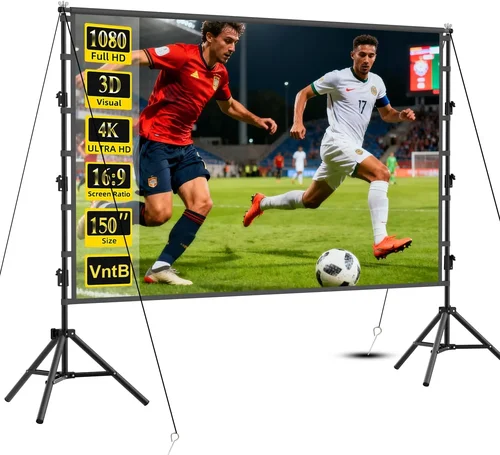
Outdoor living spaces have evolved dramatically over the past decade, transforming from simple patios and decks into fully functional entertainment zones. Whether you’re hosting a backyard football watch party, enjoying a summer evening with friends, or simply unwinding after a long day, having a reliable outdoor TV can elevate your experience to something truly special. But not all TVs are created equal—especially when it comes to enduring the elements. That’s why choosing the right deck TV for outdoor sports watching isn’t just about screen size or resolution; it’s about finding a unit built to thrive in unpredictable weather, resist glare from sunlight, and deliver crisp, vibrant visuals even in challenging lighting conditions.
This comprehensive buying guide is designed to help you navigate the often-confusing world of outdoor televisions with confidence. Whether you’re a casual viewer who wants to catch the big game on your deck or a dedicated sports fan looking to create an immersive outdoor viewing experience, we’ll walk you through everything you need to know. From understanding key performance specs like brightness and weather resistance to comparing different types of outdoor TVs and avoiding common purchasing pitfalls, this guide covers it all. By the end, you’ll have the knowledge and tools to make a smart, informed decision that fits your budget, space, and lifestyle.
The outdoor TV market has grown significantly in recent years, driven by advances in display technology and increasing demand for outdoor entertainment solutions. Brands like Samsung, LG, Sony, and specialized outdoor manufacturers such as Seura, SunBriteTV, and Sylvane have introduced models specifically engineered for exterior use. These aren’t just regular indoor TVs slapped in a weatherproof box—they’re purpose-built systems with enhanced durability, superior brightness, and smart features tailored for open-air environments. With options ranging from budget-friendly partial outdoor models to high-end full outdoor displays, there’s never been a better time to invest in a deck TV. Let’s dive into what makes these units tick—and how to pick the perfect one for your needs.

What to Look for When Buying Buying Guide
1. Brightness & Display Performance
One of the most critical factors when selecting an outdoor TV for deck use—especially for sports watching—is brightness. Unlike indoor TVs, which typically operate in controlled lighting, outdoor screens must compete with direct sunlight, reflections, and ambient glare. For optimal visibility during daytime games or bright afternoons, look for a display with a minimum brightness of 700 nits, though 1,000 nits or higher is ideal. This ensures that colors remain vivid and details stay sharp even under harsh sun.
In addition to raw brightness, consider the panel type. OLEDs offer excellent contrast and deep blacks but can struggle with reflectivity outdoors. QLED and high-end LED/LCD panels, especially those with anti-glare coatings and local dimming, often perform better in bright environments. Also, check for features like HDR (High Dynamic Range) support—HDR10 or Dolby Vision—which enhances color depth and contrast, making fast-moving sports action look more lifelike. A high refresh rate (120Hz or higher) is another plus, as it reduces motion blur during rapid plays, crucial for watching football, soccer, or basketball.
2. Weather Resistance & IP Rating
Since your deck TV will be exposed to rain, humidity, dust, and temperature fluctuations, weather resistance isn’t optional—it’s essential. The Ingress Protection (IP) rating system tells you how well a device resists solids and liquids. For outdoor use, aim for at least an IP55 rating, which means protection against dust and low-pressure water jets from any direction. However, for full exposure (like an uncovered deck), an IP65 or higher rating is strongly recommended.
Beyond the IP rating, examine the build materials. Look for powder-coated aluminum frames, sealed ports, and internal components rated for extreme temperatures (typically -30°C to 50°C or -22°F to 122°F). Some premium models even include built-in heaters or cooling fans to regulate internal temperature, preventing overheating in summer or freezing in winter. Always verify whether the TV is designed for “partial” or “full” outdoor use—partial outdoor TVs may require a covered area, while full outdoor models can withstand direct exposure.
3. Screen Size & Viewing Distance
Choosing the right screen size depends on your deck layout and typical viewing distance. A common rule of thumb is that your viewing distance should be about 1.5 to 2.5 times the diagonal screen size for optimal immersion. For example, if you’re sitting 8–10 feet away, a 55″ to 65″ TV works well. On larger decks or when seating guests farther back, consider 75″ or even 85″ models.
However, don’t go oversized just for the sake of it. A massive screen in a small space can overwhelm the area and strain your eyes. Also, remember that larger screens consume more power and may require stronger mounting hardware. Measure your deck space carefully, account for furniture placement, and consider whether the TV will be wall-mounted, on a stand, or in a weatherproof enclosure. Many outdoor TVs come with VESA-compatible mounting options, making installation flexible.
4. Smart Features & Connectivity
Modern outdoor TVs aren’t just dumb screens—they’re packed with smart functionality. Look for models running established platforms like Android TV, webOS (LG), or Tizen (Samsung), which give you access to streaming apps like Netflix, YouTube, Hulu, and sports-specific services such as ESPN+, NFL Game Pass, or DAZN. Built-in Wi-Fi and Bluetooth are must-haves for wireless streaming and connecting soundbars or headphones.
Connectivity is equally important. Ensure the TV has multiple HDMI ports (preferably HDMI 2.1 for future-proofing), USB inputs, and possibly an Ethernet port for stable wired internet. Some models include built-in tuners for over-the-air broadcasts, which is great for catching local games without a cable subscription. Voice control via Alexa or Google Assistant is a nice bonus, allowing you to change channels or adjust volume hands-free while grilling or socializing.
5. Audio Quality & Sound Solutions
Outdoor acoustics are tricky—sound dissipates quickly in open spaces, and background noise from wind, traffic, or nature can drown out dialogue. Most outdoor TVs have basic built-in speakers, but they’re rarely sufficient for immersive sports audio. If you’re serious about the experience, plan to pair your TV with external audio.
Consider investing in weather-resistant outdoor speakers, a wireless soundbar (many outdoor TVs support Bluetooth audio output), or even a full outdoor audio system with subwoofers. Some premium models include enhanced audio processing or upward-firing speakers for virtual surround sound. Always test audio quality if possible, or read reviews that specifically address sound performance in open-air settings.
6. Installation & Mounting Options
Proper installation is crucial for both performance and safety. Outdoor TVs must be securely mounted to withstand wind, vibrations, and accidental bumps. Wall mounts should be rated for outdoor use and capable of supporting the TV’s weight. Tilt and swivel mounts offer flexibility for adjusting the angle based on sun position or seating arrangements.
If you’re not comfortable with DIY installation, hire a professional—especially if running cables through walls or setting up power sources. Some manufacturers offer installation services or certified partners. Also, consider cable management: exposed wires are unsightly and vulnerable to weather damage. Use conduit or weatherproof raceways to protect connections.
7. Brand Reputation & Reliability
Not all outdoor TV brands are equal. While major electronics companies like Samsung and LG offer outdoor-compatible models, specialized brands such as SunBriteTV, Seura, and Peerless-AV have years of experience designing TVs specifically for exterior environments. These companies often provide better warranties, more robust build quality, and customer support familiar with outdoor challenges.
Research brand reputation by reading user reviews, checking BBB ratings, and looking for third-party certifications. Avoid generic or off-brand models sold solely through online marketplaces—they may lack proper weatherproofing or long-term reliability. A reputable brand may cost more upfront but saves money and headaches down the road.
8. Warranty & Customer Support
Outdoor TVs are a significant investment, so protect it with a solid warranty. Most reputable brands offer 2–3 years of coverage, with some extending to 5 years for commercial or premium models. Check what’s included: does the warranty cover weather-related damage? What about power surges or component failure?
Also, evaluate customer support responsiveness. Can you reach a real person quickly? Are replacement parts readily available? Some companies offer on-site service or loaner units during repairs. A strong support network ensures your TV stays functional season after season.
Different Types of Buying Guide

Common Buying Mistakes to Avoid
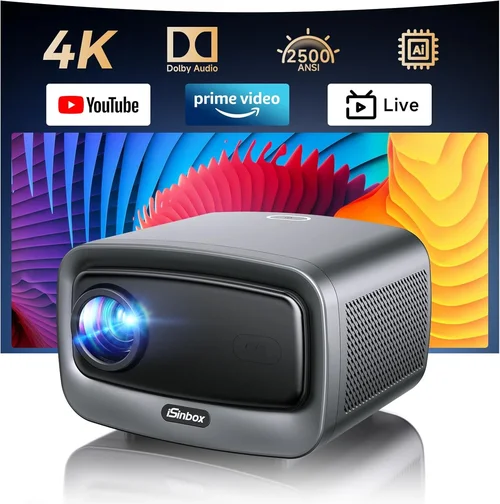
❌ Mistake: Buying a Regular Indoor TV for Outdoor Use
Why it’s bad: Indoor TVs lack the necessary weatherproofing, brightness, and thermal regulation for outdoor environments. They can overheat, suffer moisture damage, or become unviewable in sunlight—leading to premature failure and potential safety hazards.
What to do instead: Always choose a TV specifically rated for outdoor use. If budget is tight, pair an indoor TV with a certified outdoor enclosure, but never expose a standard TV directly to the elements.
❌ Mistake: Ignoring Sunlight and Glare Issues
Why it’s bad: Even on a cloudy day, ambient light can wash out an indoor TV’s image. Without sufficient brightness and anti-reflective coating, you’ll struggle to see the game—especially during daytime matches.
What to do instead: Prioritize TVs with high nit ratings (1,000+ nits) and matte or anti-glare screens. Consider the sun’s path across your deck and position the TV to minimize direct glare.
❌ Mistake: Overlooking Audio Needs
Why it’s bad: Built-in TV speakers are rarely loud or clear enough for outdoor spaces. Missing key commentary or crowd noise ruins the sports-watching experience.
What to do instead: Plan your audio setup from day one. Invest in weather-resistant speakers or a Bluetooth soundbar. Test audio at typical viewing distances before finalizing your purchase.
❌ Mistake: Skimping on Mounting and Installation
Why it’s bad: Improper mounting can lead to wobbling, sagging, or even the TV falling—posing a serious safety risk, especially in windy conditions.
What to do instead: Use heavy-duty, outdoor-rated mounts and secure them to structural studs or reinforced surfaces. When in doubt, hire a professional installer.
❌ Mistake: Not Checking Return and Warranty Policies
Why it’s bad: Outdoor TVs are expensive, and if something goes wrong, you don’t want to be stuck with a lemon. Some retailers have strict return windows or exclude weather damage from coverage.
What to do instead: Read the fine print. Choose retailers with generous return periods (30+ days) and brands that offer comprehensive, transferable warranties covering outdoor use.
❌ Mistake: Choosing Based Solely on Price
Why it’s bad: The cheapest option often cuts corners on build quality, brightness, or durability. You may end up replacing it within a year—costing more in the long run.
What to do instead: Balance cost with features that matter most to you. A mid-range outdoor TV with strong reviews and solid specs usually offers the best value.
❌ Mistake: Forgetting About Power and Connectivity
Why it’s bad: Running extension cords across your deck is unsafe and unsightly. Limited HDMI ports or poor Wi-Fi can hinder your ability to connect devices or stream reliably.
What to do instead: Ensure your deck has a nearby GFCI-protected outlet. Choose a TV with ample ports and strong wireless connectivity. Consider a mesh Wi-Fi system to boost signal strength outdoors.
Budget Guidelines: How Much Should You Spend?
Entry-Level ($800 – $1,500): This tier includes partial outdoor TVs or indoor models paired with basic enclosures. Expect decent brightness (500–700 nits), limited weather resistance (IP54), and modest smart features. Ideal for covered decks or occasional use. Brands like TCL and Vizio offer budget-friendly options, but verify outdoor compatibility.
Mid-Range ($1,500 – $3,500): The sweet spot for most homeowners. These TVs deliver 700–1,200 nits brightness, IP55+ ratings, reliable smart platforms, and better audio. Models from SunBriteTV’s Veranda series or Samsung’s outdoor-ready QLEDs fall here. Great for regular sports watching and entertaining.
Premium ($3,500 – $6,000): Designed for full outdoor exposure, these units boast 1,500+ nits brightness, advanced thermal management, commercial-grade components, and extended warranties. Perfect for uncovered decks, hot climates, or serious sports fans who want flawless performance year-round.
Luxury ($6,000+): Top-tier models from Seura or Peerless-AV offer cinema-quality visuals, ultra-thin designs, integrated sound systems, and custom installation support. These are for those who want the absolute best—no compromises.
Expert Tips for Getting the Best Deal
– Shop During Off-Season: Prices drop significantly in late fall and winter when demand for outdoor electronics slows. Look for Black Friday, Cyber Monday, or end-of-season clearance sales.
– Compare Retailers: Big-box stores (Best Buy, Costco) often have competitive pricing and return policies, while specialty retailers (Sylvane, Outdoor TV Direct) may offer expert advice and bundled deals.
– Check Manufacturer Refurbished Programs: Many brands sell certified refurbished outdoor TVs at 20–40% off retail, with full warranties. These are thoroughly tested and often indistinguishable from new units.
– Bundle with Installation: Some retailers offer free or discounted installation when you buy a TV and mount together. This saves time and ensures proper setup.
– Read Real User Reviews: Look beyond star ratings. Focus on reviews from users in similar climates or deck setups. Pay attention to comments about brightness, durability, and customer service.
– Test Before You Buy (If Possible): Visit a showroom or ask retailers if they have demo units. View the screen in bright light to assess glare and color accuracy.
– Negotiate Extended Warranties: Some sellers will include an extra year of coverage at no cost during promotions. It never hurts to ask!
– Consider Energy Efficiency: Outdoor TVs can draw more power due to high brightness. Look for ENERGY STAR ratings to keep electricity costs down.
Frequently Asked Questions
Q: Can I use a regular TV outside if I cover it?
A: Technically yes, but it’s not recommended for long-term or uncovered use. Even with a cover, indoor TVs lack the internal protection needed for humidity, temperature swings, and dust. For reliable performance, invest in a purpose-built outdoor model or a certified enclosure.
Q: Do outdoor TVs need special power outlets?
A: They use standard 120V outlets, but for safety, always plug into a GFCI (Ground Fault Circuit Interrupter) outlet, especially in damp areas. Avoid daisy-chaining power strips.
Q: How do I clean my outdoor TV screen?
A: Use a microfiber cloth and mild glass cleaner. Never spray liquid directly on the screen—apply it to the cloth first. Avoid abrasive materials that could scratch the anti-glare coating.
Q: Will my outdoor TV work in winter?
A: Full outdoor models are designed to operate in freezing temperatures (down to -30°C). Partial outdoor TVs may struggle below 0°C. Check the manufacturer’s operating temperature range before purchasing.
Q: Can I stream 4K content outdoors?
A: Absolutely! Most modern outdoor TVs support 4K resolution and HDR. Just ensure your internet connection is strong enough—streaming 4K requires at least 25 Mbps.
Q: Are outdoor TVs noisy due to cooling fans?
A: High-quality models use quiet, efficient thermal systems. Fans are typically only active during extreme heat and are barely audible from a normal viewing distance.
Q: Do I need a TV antenna for live sports?
A: Not necessarily. Many live games are available via streaming services (ESPN+, YouTube TV, Hulu + Live TV). However, an outdoor antenna can provide free over-the-air broadcasts of local networks—great for NFL or college games.
Q: How long do outdoor TVs last?
A: With proper care, a quality outdoor TV can last 7–10 years or more. Regular maintenance, such as cleaning vents and checking seals, extends lifespan.
Q: Can I control my outdoor TV with my phone?
A: Yes! Most smart outdoor TVs support mobile apps for remote control, casting, and voice commands via Google Home or Alexa.
Q: What’s the difference between partial and full outdoor TVs?
A: Partial outdoor TVs are meant for sheltered areas (like under a roof or awning) and offer moderate weather resistance. Full outdoor TVs are built for total exposure—direct sun, rain, snow—and include enhanced sealing, brightness, and thermal management.
Our Final Recommendations
Best for Budget-Conscious Buyers: SunBriteTV Veranda Series 55″ – Offers excellent brightness (700 nits), IP55 rating, and reliable smart features at under $2,000. Perfect for covered decks.
Best Overall Value: Samsung The Terrace 65″ QLED – Combines stunning 4K QLED visuals, 1,500+ nits brightness, and robust weatherproofing. Ideal for serious sports fans who want premium performance without luxury pricing.
Best Premium Option: Seura 75″ Outdoor 4K UHD TV – Ultra-slim design, 2,000 nits brightness, integrated sound, and seamless integration with smart home systems. Built for those who refuse to compromise.
Best for Beginners: LG 55″ Outdoor-Ready TV with Sylvane Enclosure – A user-friendly indoor TV paired with a top-rated weatherproof case. Great for first-time buyers testing the waters.
Best for Advanced Users: Peerless-AV Xtreme 85″ Full Outdoor Display – Commercial-grade durability, 24/7 operation capability, and customizable mounting. Suited for tech-savvy users or large outdoor setups.
Conclusion: Making the Right Choice
Choosing the right deck TV for outdoor sports watching is about more than just picking the biggest screen or the flashiest brand. It’s about understanding your environment, prioritizing key features like brightness and weather resistance, and balancing performance with budget. Whether you’re cheering on your favorite team under the summer sun or enjoying a crisp autumn game night with friends, the right outdoor TV transforms your deck into a true entertainment hub.
Remember: not all outdoor TVs are equal. Invest in quality, do your research, and don’t cut corners on installation or audio. With the insights from this guide, you’re now equipped to make a confident, informed decision that delivers years of enjoyment. So go ahead—upgrade your outdoor space, invite the neighbors over, and never miss a touchdown again. Your perfect deck TV is out there. Now it’s time to find it.

