
Outdoor living spaces have evolved far beyond simple patios and decks. In 2026, more homeowners than ever are transforming their backyards, screened-in porches, garages, and even covered balconies into full-fledged entertainment zones. Whether you’re hosting a Super Bowl party under string lights or enjoying a quiet morning coffee while catching up on the news, having a reliable outdoor TV can elevate your experience. But here’s the catch: not all TVs are built to withstand the elements—especially cold weather.
Standard indoor TVs may seem like a budget-friendly shortcut, but exposing them to freezing temperatures, moisture, and temperature fluctuations can lead to cracked screens, malfunctioning circuits, and premature failure. That’s why investing in a purpose-built outdoor TV—even on a budget—is essential for long-term enjoyment and value. This guide is designed to help you navigate the often-confusing world of outdoor TVs, specifically focusing on cold-weather performance without breaking the bank. You’ll learn what features matter most, how to avoid costly mistakes, and where to find the best deals in 2026.
By the end of this comprehensive buying guide, you’ll be equipped with expert-level knowledge to make a smart, informed decision. We’ll break down key technical specifications, compare different types of outdoor TVs, highlight common pitfalls, and provide real-world budgeting advice. Whether you’re a first-time buyer or upgrading from an older model, this guide will ensure you get the most value for your money while keeping your outdoor entertainment running smoothly through snow, frost, and sub-zero conditions.
The market for outdoor TVs has grown significantly in recent years, with manufacturers now offering more affordable options than ever before. While premium brands like SunBrite and Samsung’s The Terrace still dominate the high-end segment, several budget-friendly alternatives have emerged that deliver solid performance in cold climates. These models often sacrifice some advanced features—like ultra-bright HDR or built-in streaming platforms—but retain core durability and weather resistance. Our goal is to help you identify which trade-offs are worth making and which specs you should never compromise on when shopping for a cold-weather outdoor TV under $1,500.

What to Look for When Buying Buying Guide
1. Budget & Price Range
Setting a realistic budget is the first and most critical step in your outdoor TV purchase. Unlike indoor TVs, where prices can start as low as $200 for basic models, outdoor TVs require specialized engineering to survive harsh conditions—even in cold climates. As a result, even budget outdoor TVs typically start around $600–$800 for smaller sizes (32–43 inches) and climb quickly from there.
When defining your budget, consider not just the upfront cost but also long-term value. A $900 TV that lasts five years in freezing conditions offers better value than a $500 indoor TV that fails after one winter. Look for models that balance affordability with proven cold-weather resilience. In 2026, several brands—including Seura, Element, and newer entrants like Vibe Outdoor—offer compelling options in the $700–$1,200 range that deliver excellent performance without premium pricing.
Avoid the temptation to buy the cheapest TV available. Many “outdoor-ready” models under $600 are simply indoor TVs sold with weatherproof enclosures or misleading marketing. These may work temporarily but often lack proper thermal management, sealed components, or UV-resistant materials. Instead, aim for the sweet spot between $800 and $1,300, where you’ll find TVs with genuine outdoor certification and cold-weather optimization.
2. Performance Specifications
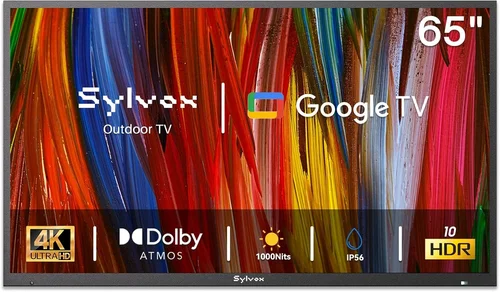
Performance specs for outdoor TVs differ meaningfully from indoor models, especially when cold weather is a factor. Brightness is paramount—most outdoor TVs need at least 700 nits of brightness to remain visible in daylight, but in snowy or overcast winter conditions, 1,000 nits or higher is ideal. Look for models with high peak brightness and anti-glare coatings to reduce reflections from snow or ice.
Resolution matters too. While 4K UHD is standard even in budget outdoor TVs in 2026, ensure the model supports HDR10 or HLG for better contrast and color accuracy in low-light winter scenes. Refresh rate is less critical outdoors (60Hz is sufficient for most viewers), but avoid models with motion smoothing artifacts, which can be distracting during sports or action content.
Cold-weather performance hinges on internal component tolerance. Check the operating temperature range—reputable outdoor TVs should function reliably from -22°F to 122°F (-30°C to 50°C). Some budget models claim “all-weather” capability but only list -4°F as the lower limit, which isn’t sufficient for northern climates. Also, verify that the TV uses solid-state capacitors and conformal-coated circuit boards, which resist condensation and thermal stress.
Audio performance is often overlooked but important. Built-in speakers on outdoor TVs tend to be underpowered due to space and sealing constraints. If you plan to use the TV without external speakers, look for models with at least 20W total output and clear mid-range reproduction. Otherwise, plan to connect a weatherproof soundbar or outdoor speaker system via optical or Bluetooth.
3. Build Quality & Duridity
Build quality separates true outdoor TVs from indoor models in disguise. The chassis should be constructed from powder-coated aluminum or marine-grade stainless steel to resist rust, corrosion, and UV degradation. Avoid plastic-heavy designs, especially in areas with heavy snowfall or ice buildup, as plastics can become brittle in extreme cold.
Sealing is equally important. Look for IP55 or higher ingress protection ratings, which indicate resistance to dust and low-pressure water jets. While no TV is fully waterproof, IP55 ensures that snowmelt, rain, and condensation won’t penetrate the internal components. Pay special attention to port covers—HDMI, USB, and power inputs should have rubberized gaskets or flip-up lids to prevent moisture ingress.
The screen itself must be durable. Tempered glass with anti-reflective coating is standard, but some budget models use cheaper acrylic overlays that scratch easily. In cold weather, rapid temperature changes can cause expansion and contraction, so the screen assembly should be securely mounted with minimal flex. Check user reviews for reports of screen fogging or delamination after winter exposure.
Mounting compatibility is part of build quality too. Ensure the TV supports VESA standards (e.g., 200×200 or 400×400) and comes with or is compatible with outdoor-rated wall or ceiling mounts. Many budget outdoor TVs include basic tilt mounts, but for snowy regions, a full-motion or tiltable mount helps angle the screen away from drifting snow.
4. Features & Functionality
Outdoor TVs in the budget segment often streamline features to keep costs down, but some functionalities are worth prioritizing. Smart TV platforms are common, with Roku TV, Android TV, and webOS being the most prevalent in 2026. These allow direct streaming without external devices, which is convenient but can be slower in cold weather if the processor isn’t optimized.
Look for models with dual-band Wi-Fi (2.4GHz and 5GHz) to maintain stable connections in outdoor environments where signal strength may be weaker. Ethernet ports are a plus for wired setups, especially if you’re mounting the TV far from your router. Some budget outdoor TVs omit Ethernet to save cost, so verify connectivity options before buying.
HDMI inputs are essential—aim for at least two HDMI 2.0 ports to connect a streaming device, game console, or cable box. USB ports are useful for media playback or firmware updates, but ensure they’re sealed or covered. Built-in tuners (ATSC 3.0) are increasingly common and allow over-the-air HD broadcasts without a separate box, which is great for live sports or news.
Remote control design matters in cold weather. Look for remotes with backlit buttons or large, tactile keys that are easy to use with gloves. Some models include voice control via Alexa or Google Assistant, which can be helpful when hands are wet or cold. Avoid remotes with small, closely spaced buttons that are hard to press in winter conditions.
5. Brand Reputation
Brand reputation is a strong indicator of reliability, especially in the niche outdoor TV market. Established players like SunBrite (by Sylvane), Seura, and Samsung have years of experience engineering TVs for extreme conditions. However, their products often come at a premium. In the budget category, newer brands like Element, Vibe Outdoor, and Olevia have gained traction by offering similar durability at lower price points.
Research customer service responsiveness and repair networks. A TV that breaks down in January shouldn’t require shipping to another country for service. Brands with U.S.-based support centers and local repair partnerships (e.g., through Best Buy or regional electronics retailers) offer faster turnaround. Check forums like AVS Forum or Reddit’s r/outdoortv for real-user experiences with warranty claims and technical support.
Also consider firmware update frequency. Outdoor TVs are increasingly software-dependent, and brands that regularly push updates tend to have better long-term performance and security. Avoid obscure or white-label brands with no online presence or update history—these are more likely to become obsolete quickly.
Finally, look for third-party certifications. While not always advertised, some budget outdoor TVs undergo testing by independent labs for thermal cycling, humidity resistance, and UV stability. These certifications, even if not prominently displayed, can be verified by contacting the manufacturer directly.
6. Warranty & Support
A strong warranty is non-negotiable for outdoor electronics. Most reputable outdoor TV brands offer at least a 2-year limited warranty, with some extending to 3 years for the display and 1 year for accessories. Avoid models with only 90-day or 1-year coverage—this is a red flag for long-term reliability.
Read the fine print carefully. Many warranties exclude damage from “acts of nature” or improper installation, so ensure your setup complies with the manufacturer’s guidelines. For example, mounting a TV in direct exposure to snowdrifts or without proper ventilation may void the warranty. Some brands require professional installation for warranty validity—factor this into your total cost.
Extended warranty options are available from retailers like Amazon, Best Buy, or Crutchfield, but assess whether they’re worth it. For budget outdoor TVs under $1,200, a 2–3 year manufacturer warranty is usually sufficient. However, if you live in an area with extreme temperature swings or frequent power surges, an extended plan covering accidental damage can provide peace of mind.
Support accessibility is just as important. Look for brands with live chat, phone support during business hours, and comprehensive online resources (FAQs, installation videos, troubleshooting guides). Avoid companies that only offer email support with slow response times—this can be frustrating when you’re dealing with a frozen screen in December.
7. Size & Portability
Screen size should match your viewing distance and space constraints. For most outdoor setups, 43 to 55 inches is ideal. Smaller screens (32–40 inches) work well for compact patios or garages, while 65-inch models are better suited for large decks or backyard theaters. Use the 1.5x rule: your viewing distance (in inches) should be about 1.5 times the screen size for optimal comfort.
Portability is less of a concern for permanently mounted TVs, but if you plan to move the TV between locations (e.g., from a garage to a patio), consider weight and handle design. Most outdoor TVs are heavier than indoor equivalents due to reinforced frames and weatherproofing. A TV over 30 pounds may require two people to install safely.
VESA mount compatibility ensures you can use third-party stands or articulating arms. Some budget models include basic tilt mounts, but for snowy areas, a full-motion mount allows you to angle the screen upward to shed snow. Wall-mounted TVs should be installed under an eave or awning when possible to minimize direct exposure.
If portability is a priority, look for models with integrated carrying handles or optional rolling stands. These are rare in the outdoor segment but available from brands like Element and Vibe Outdoor. Keep in mind that frequent movement increases the risk of seal degradation, so only choose portable setups if absolutely necessary.
8. User Reviews & Ratings
User reviews are one of the most reliable sources of real-world performance data, especially for niche products like outdoor TVs. Focus on verified purchase reviews from platforms like Amazon, Best Buy, and Crutchfield, where buyers have actually used the product in their homes.
Pay attention to reviews from users in cold climates. Look for keywords like “winter,” “snow,” “freezing,” or “below zero” to find relevant experiences. A TV that performs well in Florida may fail in Minnesota, so climate-specific feedback is invaluable. Check for consistency—if multiple users report the same issue (e.g., screen fogging or Wi-Fi dropouts in cold weather), it’s likely a design flaw.
Ratings should be taken with a grain of salt. A 4.8-star average sounds great, but read the 1- and 2-star reviews to understand potential drawbacks. Sometimes, negative reviews reveal critical issues like poor customer service, difficult returns, or hidden fees. Also, be wary of reviews that seem overly promotional or lack detail—these may be incentivized or fake.
Use review aggregation tools like ReviewMeta or Fakespot to detect suspicious patterns. Genuine reviews tend to vary in length, tone, and specificity, while fake ones often repeat phrases or lack personal context. Cross-reference reviews across multiple sites to get a balanced perspective.
Different Types of Buying Guide

Common Buying Mistakes to Avoid
❌ Mistake: Buying an Indoor TV for Outdoor Use
Why it’s bad: Indoor TVs lack the thermal management, sealed components, and UV-resistant materials needed for outdoor survival. In cold weather, internal condensation can form when the TV is powered on, leading to short circuits or screen damage. Additionally, standard screens aren’t bright enough for daylight viewing, making content unwatchable on sunny winter days.
What to do instead: Invest in a TV specifically designed for outdoor use, even if it’s a budget model. Look for terms like “all-weather,” “outdoor-rated,” or “partial sun” in the product description. Verify the operating temperature range and ingress protection rating before purchasing.
❌ Mistake: Ignoring the Operating Temperature Range
Why it’s bad: Many budget outdoor TVs claim “all-season” performance but only function down to -4°F or 0°F. In regions with sub-zero winters, this can render the TV unusable for months. Components may freeze, screens can crack, and startup times increase dramatically.
What to do instead: Always check the technical specifications for the minimum operating temperature. For cold climates, choose a model rated for at least -22°F (-30°C). If you live in an area with extreme cold, consider a model with built-in heaters or thermal regulation.
❌ Mistake: Overlooking Mounting and Ventilation Requirements
Why it’s bad: Improper mounting can lead to water pooling, snow accumulation, or restricted airflow. Some outdoor TVs require rear ventilation to prevent overheating, but enclosing them in a tight space blocks airflow and causes internal damage. Others need tilt adjustments to shed snow.
What to do instead: Follow the manufacturer’s installation guidelines precisely. Use outdoor-rated mounts with tilt or swivel capabilities. Ensure at least 2–3 inches of clearance around the TV for airflow, and avoid mounting in areas where snow can drift or accumulate directly on the screen.
❌ Mistake: Skimping on Cables and Connections
Why it’s bad: Standard HDMI and power cables aren’t designed for outdoor use. UV exposure can degrade insulation, and moisture can corrode connectors. Cold temperatures make cables brittle, increasing the risk of breaks or signal loss.
What to do instead: Use outdoor-rated, UV-resistant cables with waterproof connectors. Run cables through conduit or cable channels to protect them from the elements. Label all connections for easy troubleshooting and consider using wireless alternatives (e.g., HDMI over Wi-Fi) where feasible.
❌ Mistake: Assuming All “Outdoor” TVs Are Equal
Why it’s bad: The term “outdoor TV” is not regulated, so some manufacturers use it loosely. A TV marketed as “outdoor” might only be suitable for fully covered areas with no temperature extremes. Others may lack proper sealing or use inferior materials.
What to do instead: Research the specific model’s intended use case. Look for detailed specs, not just marketing claims. Check if the TV is rated for “partial sun,” “full sun,” or “extreme weather.” When in doubt, contact the manufacturer for clarification.
❌ Mistake: Neglecting Software and Connectivity
Why it’s bad: Outdoor TVs with outdated software or weak Wi-Fi can struggle in cold weather. Processors may slow down, apps can crash, and signal strength drops in low temperatures. Poor connectivity ruins the streaming experience and limits functionality.
What to do instead: Choose a model with a modern smart platform (e.g., Roku TV or Android TV) and dual-band Wi-Fi. Test the signal strength at the installation location before finalizing your setup. Consider a Wi-Fi extender or mesh network for reliable coverage.
❌ Mistake: Forgetting About Audio
Why it’s bad: Built-in speakers on outdoor TVs are often quiet and lack bass, making dialogue hard to hear over wind or ambient noise. In cold weather, audio quality can degrade further due to component contraction.
What to do instead: Plan for external audio from the start. Invest in weatherproof outdoor speakers or a soundbar with an IP rating. Use optical or Bluetooth connections to avoid running additional cables through walls or ceilings.
Budget Guidelines: How Much Should You Spend?
- Entry-Level ($600–$900): What to expect at this price point are smaller screens (32–43 inches), basic smart features, and limited cold-weather optimization. These models are best for fully covered areas like garages or screened porches with minimal temperature extremes. Look for brands like Element or Olevia offering IP54 or IP55 ratings and operating temperatures down to -4°F. While not ideal for snowy regions, they provide a cost-effective entry into outdoor viewing.
- Mid-Range ($900–$1,300): This is the sweet spot for most buyers in cold climates. TVs in this range typically offer 43–55-inch screens, full weatherproofing (IP55+), brightness over 700 nits, and operating temperatures as low as -22°F. Models from Vibe Outdoor, Seura’s budget line, and certain SunBrite variants fall here. You’ll get reliable performance, decent smart features, and strong build quality without premium pricing.
- Premium ($1,300–$2,000): For enthusiasts and those in extreme climates, premium budget models deliver enhanced durability, higher brightness (1,000+ nits), and advanced thermal management. These TVs often include built-in heaters, conformal-coated boards, and commercial-grade materials. Ideal for exposed patios in northern states or mountain cabins, they offer the best balance of performance and longevity.
- Luxury ($2,000+): Top-tier outdoor TVs from Samsung, SunBrite Pro, or Peerless-AV provide 24/7 operation, ultra-high brightness, and full environmental sealing. While beyond typical “budget” scope, they’re worth considering if you need a permanent, high-visibility installation in harsh conditions. These models often include professional installation and extended warranties.
Expert Tips for Getting the Best Deal
- Buy during off-season sales: The best time to purchase an outdoor TV is in late winter or early spring (February–April), when retailers clear out inventory for new models. You can save 15–25% compared to summer pricing. Sign up for email alerts from Crutchfield, Best Buy, and Amazon to catch flash sales.
- Shop at specialty retailers: Stores like Crutchfield, Sylvane, and Outdoor TV Direct offer expert advice, bundled packages (TV + mount + cables), and better return policies than general retailers. They often carry refurbished or open-box models at discounted prices with full warranties.
- Check for rebates and promotions: Some manufacturers offer mail-in rebates or free mounting hardware with purchase. SunBrite and Seura occasionally run seasonal promotions, especially around Black Friday or Memorial Day. Combine these with credit card rewards or cashback programs for extra savings.
- Consider refurbished or open-box units: Certified refurbished outdoor TVs from reputable sellers come with warranties and are often indistinguishable from new models. Open-box items from Best Buy or Amazon Warehouse can save you $200–$400 with minimal risk.
- Read the return policy carefully: Outdoor TVs are bulky and expensive to return. Ensure the retailer offers at least a 30-day return window and covers return shipping. Some stores charge restocking fees, so confirm this before buying.
- Test signal strength beforehand: Use a Wi-Fi analyzer app to check signal strength at your intended installation spot. Weak signals can cause buffering, especially in cold weather when performance dips. Install a mesh extender if needed.
- Invest in a surge protector: Power surges are common in winter due to storms and grid fluctuations. Use an outdoor-rated surge protector with coaxial and Ethernet protection to safeguard your TV and connected devices.
- Document your setup: Take photos during installation and keep receipts, manuals, and warranty info in a digital folder. This simplifies troubleshooting and warranty claims if issues arise.

Frequently Asked Questions
Q: Can I use a regular TV outside in the cold?
A: Technically, you can, but it’s not recommended. Indoor TVs aren’t designed to handle temperature extremes, moisture, or UV exposure. In cold weather, internal components can fail due to condensation, and screens may crack. For reliable performance, invest in an outdoor-rated TV.
Q: What’s the difference between “partial sun” and “full sun” outdoor TVs?
A: “Partial sun” TVs are designed for covered areas like porches or garages with limited direct sunlight. They’re more affordable and suitable for cold climates. “Full sun” models have higher brightness (2,000+ nits) and enhanced cooling for direct exposure but cost significantly more.
Q: Do outdoor TVs need to be covered in winter?
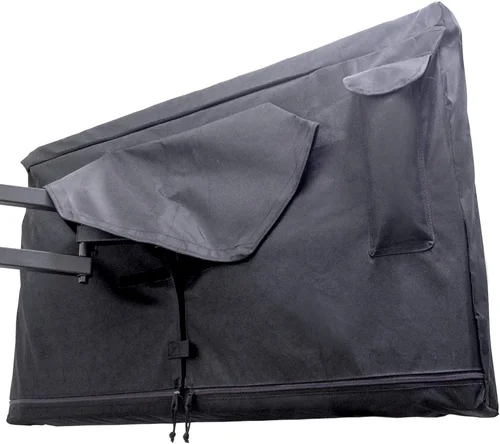
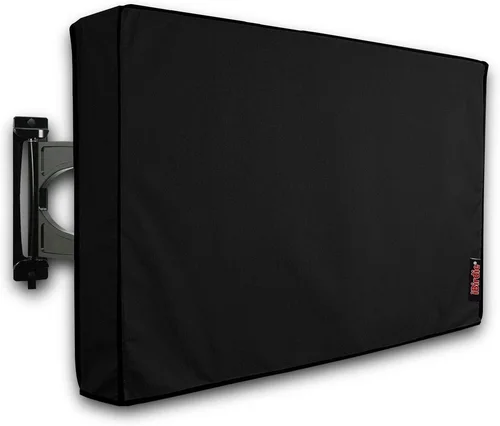
A: Not if they’re properly rated for cold weather. However, using a weatherproof cover during heavy snow or ice storms can extend lifespan and reduce maintenance. Choose a breathable, UV-resistant cover that doesn’t trap moisture.
Q: How do I clean an outdoor TV screen?
A: Use a microfiber cloth and a mild solution of water and isopropyl alcohol (50/50). Avoid ammonia-based cleaners or paper towels, which can scratch the anti-reflective coating. Clean gently and avoid spraying liquid directly on the screen.
Q: Can I mount an outdoor TV on a brick or concrete wall?
A: Yes, but use masonry anchors and a mount rated for the TV’s weight. Ensure the wall can support the load and that cables are routed safely through conduit. Consult a professional if you’re unsure.
Q: Will cold weather affect picture quality?
A: In extreme cold, LCD response times can slow slightly, causing motion blur. However, modern outdoor TVs are engineered to minimize this. OLED screens are less common outdoors due to brightness limitations but perform well in cold if properly housed.
Q: How long do budget outdoor TVs last?
A: With proper installation and maintenance, most budget outdoor TVs last 5–7 years in cold climates. Factors like exposure level, usage frequency, and build quality play a role. Regular cleaning and surge protection can extend lifespan.
Q: Are outdoor TVs energy efficient?
A: Yes, many modern outdoor TVs use LED backlighting and low-power processors. Look for ENERGY STAR certification or check the wattage rating—most consume 100–200W during operation, similar to indoor models.
Q: Can I use a soundbar with an outdoor TV?
A: Absolutely. Choose a weatherproof soundbar with an IP rating and connect it via optical, HDMI ARC, or Bluetooth. Ensure the soundbar is mounted securely and protected from direct exposure.
Q: What happens if my outdoor TV gets wet?
A: If the TV has an IP55 or higher rating, occasional splashes or snowmelt won’t cause damage. However, submersion or prolonged exposure to standing water can void the warranty. Power off the TV immediately and let it dry completely before use.
Our Final Recommendations
- Best for Budget-Conscious Buyers: Element 43-inch Partial Sun Outdoor TV – Priced around $850, this model offers IP55 rating, -22°F operation, and Roku TV built-in. Ideal for garages or covered patios in cold climates.
- Best Overall Value: Vibe Outdoor 50-inch All-Weather Smart TV – At $1,100, it delivers 1,000 nits brightness, Android TV, and robust aluminum construction. A top pick for northern homeowners.
- Best Premium Option: Seura 55-inch Shadow Series – Though slightly above budget at $1,600, it features advanced thermal regulation, 4K HDR, and a 3-year warranty. Perfect for serious outdoor entertainers.
- Best for Beginners: Olevia 40-inch Outdoor Roku TV – Simple setup, intuitive interface, and reliable performance for under $900. Great for first-time buyers.
- Best for Advanced Users: SunBrite Veranda 55-inch – With full weatherproofing, 2,000 nits brightness, and ATSC 3.0 tuner, it’s built for extreme conditions and tech-savvy users.
Conclusion: Making the Right Choice
Choosing the right budget outdoor TV for cold weather doesn’t have to be overwhelming. By focusing on key factors like temperature tolerance, build quality, and real-user feedback, you can find a model that delivers reliable performance without overspending. Remember: the cheapest option isn’t always the best value. Investing in a TV designed for outdoor use ensures years of enjoyment, whether you’re watching the sunrise with coffee or hosting a holiday movie night under the stars.
Prioritize your specific needs—viewing distance, exposure level, and climate—and don’t compromise on essential features like ingress protection and operating temperature. Use the tips and recommendations in this guide to shop smart, avoid common pitfalls, and get the most out of your outdoor entertainment setup. With the right TV, your backyard can become a year-round destination for relaxation, connection, and fun—even when the snow is falling.

