
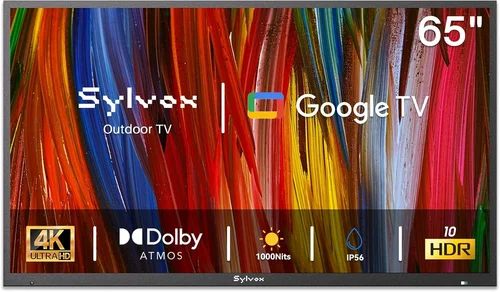
Outdoor living spaces have evolved far beyond simple patios with a grill and a few folding chairs. Today’s covered patios are fully functional extensions of the home—complete with seating, lighting, sound systems, and yes, even televisions. Whether you’re hosting summer barbecues, watching the big game under string lights, or enjoying a quiet evening movie night outdoors, having a reliable TV can transform your outdoor experience. But not just any TV will do. Standard indoor models aren’t built to withstand temperature swings, humidity, dust, or even the occasional splash from a nearby fountain or pool. That’s where outdoor TVs come in—specifically designed for exterior use, even in covered areas.
This guide is designed for homeowners, renters, and outdoor enthusiasts who want to invest wisely in a budget-friendly outdoor TV without sacrificing quality or longevity. We’ll walk you through everything you need to know—from understanding key performance specs to avoiding common pitfalls—so you can make a confident, informed decision. Whether you’re on a tight budget or simply looking for the best value, this comprehensive buying guide will help you find the perfect TV for your covered patio setup. By the end, you’ll know exactly what to look for, how much to spend, and which models deliver the most bang for your buck.
The market for outdoor TVs has grown significantly in recent years, driven by increased demand for outdoor entertainment and smart home integration. While premium brands like SunBrite and Samsung’s outdoor line dominate headlines, there’s a growing segment of affordable, high-performing options that cater to budget-conscious buyers. These aren’t just repurposed indoor TVs with a weatherproof sticker—they’re engineered with outdoor-specific features like anti-glare screens, enhanced brightness, and ruggedized casings. In this guide, we’ll focus exclusively on budget-friendly models (typically under $1,500) that are ideal for covered patios, where full exposure to rain and snow is minimal but environmental challenges like humidity, heat, and ambient light still exist.

What to Look for When Buying Buying Guide
1. Budget & Price Range
Setting a realistic budget is the first and most important step in your outdoor TV purchase. Unlike indoor TVs, outdoor models come with added engineering to handle environmental stressors, which can drive up costs. However, “budget” doesn’t have to mean “low quality.” Many manufacturers now offer affordable outdoor TVs that deliver excellent performance for covered patios. For most buyers, a budget between $600 and $1,200 strikes the ideal balance between affordability and functionality.
When determining your price range, consider not just the TV itself but also any additional costs like mounting hardware, weatherproof enclosures (if needed), and potential installation fees. Some budget models include basic wall mounts, while others require separate purchases. Also, factor in long-term value: a slightly higher upfront cost may save you money if it means better durability and fewer replacements down the line. Avoid the temptation to go for the absolute cheapest option—these often cut corners on brightness, weather resistance, or smart features, leading to poor performance or premature failure.
2. Performance Specifications
Performance specs are where many budget buyers go wrong. It’s easy to assume that a TV with a high resolution or large screen size is automatically a good choice, but outdoor viewing demands different priorities. The most critical spec for outdoor use is brightness, measured in nits. Indoor TVs typically range from 300 to 500 nits, but for a covered patio—especially one with ambient light from windows, skylights, or outdoor lighting—you’ll want at least 700 nits, with 1,000+ nits being ideal. This ensures the image remains visible even in daylight or under shaded but bright conditions.
Next, consider refresh rate and response time. A 60Hz refresh rate is standard and sufficient for most casual viewing, but if you plan to watch sports or fast-action content, look for 120Hz or higher. Response time should be under 8ms to avoid motion blur. Resolution-wise, 4K UHD is now the sweet spot for budget outdoor TVs, offering sharp detail without the premium price of 8K. Avoid 1080p models unless you’re on an extremely tight budget—4K is widely available and future-proofs your investment.
3. Build Quality & Durability
Even in a covered patio, your TV will face environmental challenges that indoor models aren’t designed to handle. Humidity, temperature fluctuations, dust, and even insects can damage internal components over time. That’s why build quality is non-negotiable. Look for TVs with weather-resistant ratings, such as IP55 or higher. IP55 means the TV is protected against dust and low-pressure water jets—perfect for covered areas where rain might blow in during storms.
The casing should be made of durable materials like powder-coated aluminum or reinforced polymer, which resist rust and corrosion. Avoid plastic-heavy designs, as they can warp or degrade in heat. Also, check the internal components: sealed circuit boards, conformal coating on electronics, and ventilation systems that prevent overheating are all signs of a well-engineered outdoor TV. Some budget models use passive cooling (no fans), which reduces noise and maintenance—ideal for quiet outdoor settings.
4. Features & Functionality
Modern outdoor TVs come packed with smart features, but not all are created equal. At a minimum, your TV should support Wi-Fi and Bluetooth for streaming and wireless audio. Look for built-in smart platforms like Roku TV, Android TV, or webOS, which give you access to Netflix, YouTube, Disney+, and other apps without needing an external streaming device. This is especially important for budget buyers, as it eliminates the need to buy a separate streaming box.
Other useful features include voice control (via Alexa or Google Assistant), HDMI-CEC for easy device control, and USB ports for playing media files. Some models even offer ambient light sensors that automatically adjust brightness based on surrounding light—a great energy-saving and viewing-enhancing feature. Avoid TVs with limited app support or outdated operating systems, as these can become obsolete quickly.
5. Brand Reputation
Not all budget outdoor TVs are equal, and brand reputation plays a big role in reliability. Established brands like Samsung, LG, and Vizio have begun offering outdoor or semi-outdoor models at competitive prices, often leveraging their indoor TV expertise. Meanwhile, niche outdoor brands like Seura and SunBrite are known for durability but tend to be pricier. However, several lesser-known brands—such as Kodak, Hisense, and Tcl—now offer surprisingly capable outdoor TVs under $1,000.
When evaluating a brand, look beyond marketing claims. Check customer reviews on trusted sites like Amazon, Best Buy, and Consumer Reports. Pay attention to comments about longevity, customer service, and real-world performance in outdoor settings. A brand with a strong track record of responsive support and warranty fulfillment is worth a slight premium. Avoid no-name brands with no service network—these may save you money upfront but could leave you stranded if something goes wrong.
6. Warranty & Support
A solid warranty is a strong indicator of a manufacturer’s confidence in their product. For outdoor TVs, a minimum of a one-year limited warranty is standard, but look for brands that offer two years or more, especially for the display and internal components. Some companies also provide extended warranties or protection plans for an additional fee—consider these if you live in a region with extreme weather or high humidity.
Support matters just as much as the warranty itself. Check if the brand offers phone, email, or live chat support, and whether they have a U.S.-based service center. Read reviews about how quickly they respond to issues and whether they honor warranty claims without hassle. A TV that’s easy to repair or replace is far more valuable than one that’s cheap but unsupported. Also, verify that the warranty covers outdoor use—some indoor TVs void the warranty if used outside, even under cover.
7. Size & Portability
Screen size should match your viewing distance and patio layout. For most covered patios, a 55-inch to 65-inch TV is ideal. At a viewing distance of 8 to 10 feet, this size provides an immersive experience without overwhelming the space. Larger screens (70+ inches) are available but may require more powerful mounting and can be overkill for smaller areas. Conversely, anything under 50 inches may feel too small, especially if you’re hosting groups.
Portability is less of a concern for permanent installations, but if you plan to move the TV between indoor and outdoor use (e.g., bringing it inside during winter), consider weight and ease of disassembly. Some budget models are surprisingly lightweight and come with handles or detachable stands. However, most outdoor TVs are designed to be mounted and left in place. If you do need portability, look for models under 40 pounds and ensure the mounting system allows for easy removal.
8. User Reviews & Ratings
Never buy an outdoor TV based solely on specs or marketing. Real-world user feedback is invaluable. Look for reviews from people who’ve used the TV in similar conditions—covered patios, screened-in porches, or garages. Pay attention to comments about brightness in daylight, sound quality, ease of setup, and long-term reliability. A TV with a 4.5-star average and hundreds of reviews is generally a safer bet than one with a perfect 5-star rating from just a few users.
Also, watch out for red flags: recurring complaints about screen burn-in, Wi-Fi dropouts, or premature failure after a few months are warning signs. Use tools like Amazon’s “Most Recent” filter to see the latest feedback, as product quality can change over time. If possible, check video reviews on YouTube for visual demonstrations of outdoor performance.

