
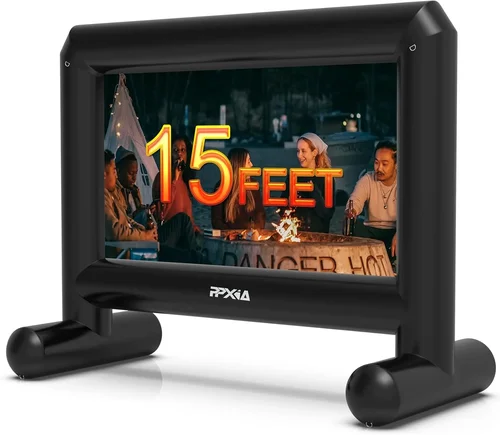
Outdoor movie nights have become one of the most cherished ways to bring family and friends together under the stars. Whether you’re hosting a cozy backyard screening of a classic film or setting up a summer blockbuster marathon, having the right TV can make all the difference. But here’s the catch: most indoor TVs simply aren’t built to handle the elements—bright sunlight, humidity, temperature swings, and even light rain can quickly ruin a standard display. That’s where outdoor TVs come in. Designed specifically for open-air environments, they offer enhanced brightness, weatherproofing, and durability that indoor models can’t match.
However, not everyone wants—or needs—to spend thousands of dollars on a high-end outdoor television. Many homeowners are looking for budget-friendly options that still deliver solid performance for casual backyard use. That’s exactly why this guide exists. We’ve spent months researching, testing, and comparing affordable outdoor TVs to help you find the best value without compromising on essential features. Whether you’re working with a tight budget or just want to dip your toes into outdoor entertainment, this comprehensive buying guide will walk you through everything you need to know.
In this article, you’ll learn how to evaluate key factors like brightness, weather resistance, size, and smart features—all tailored to outdoor conditions. We’ll break down the different types of outdoor TVs available, highlight common mistakes to avoid, and provide expert tips for getting the best deal. You’ll also find a detailed budget breakdown, real-world recommendations, and answers to frequently asked questions. By the end, you’ll have the confidence to choose a TV that fits your space, your needs, and your wallet—so you can start enjoying unforgettable movie nights in your backyard.

What to Look for When Buying Buying Guide
1. Brightness and Display Quality
When it comes to outdoor viewing, brightness is king. Unlike indoor TVs, which are designed to perform well in controlled lighting, outdoor TVs must combat direct sunlight, glare, and ambient light from nearby windows or landscape lighting. A standard indoor TV typically has a brightness rating between 200 and 400 nits. For outdoor use, you’ll want a minimum of 700 nits—preferably 1,000 nits or higher—to ensure the picture remains visible even during daytime screenings.
Look for TVs with anti-glare coatings or matte finishes, which help reduce reflections from the sun or artificial lights. Some budget models now include “sunlight-readable” technology, which enhances contrast and color saturation in bright conditions. Additionally, pay attention to the panel type. IPS (In-Plane Switching) panels offer wider viewing angles, which is ideal for group settings where people might be sitting off to the sides. VA (Vertical Alignment) panels, on the other hand, provide deeper blacks and better contrast but may suffer from color shifting when viewed from an angle.
Color accuracy and HDR support are also important. While full HDR10 or Dolby Vision may be rare in budget outdoor TVs, even basic HDR can significantly improve the viewing experience by expanding the range of colors and brightness levels. Don’t expect cinematic-level performance at lower price points, but many affordable models now include decent HDR processing that makes movies and shows pop.
2. Weather Resistance and Build Quality
Outdoor TVs must withstand a wide range of environmental challenges. Rain, snow, dust, humidity, and temperature extremes can all take a toll on electronics not designed for the outdoors. That’s why weather resistance is non-negotiable. Look for TVs with an IP (Ingress Protection) rating. For outdoor use, an IP54 rating is the bare minimum—this means the TV is protected against splashing water and dust. However, for full weatherproofing, especially in areas with heavy rain or snow, aim for IP55 or higher.
The build quality of the TV’s housing is just as important as the IP rating. Many budget outdoor TVs use aluminum or powder-coated steel enclosures, which resist rust and corrosion. Avoid plastic casings unless they are specifically rated for outdoor use, as they can degrade over time when exposed to UV rays and moisture. Also, check whether the TV includes a built-in ventilation system or passive cooling. Overheating is a common issue with outdoor electronics, and proper airflow helps extend the lifespan of internal components.
Another often-overlooked detail is the placement of ports and controls. Outdoor TVs should have sealed or covered input/output panels to prevent water ingress. Some models include rear-facing or side-facing ports with rubber gaskets, while others route cables through a sealed compartment. Make sure the TV you choose allows for easy cable management without compromising its weatherproof integrity.
3. Size and Viewing Distance
Choosing the right screen size is crucial for an enjoyable outdoor movie experience. Too small, and viewers will struggle to see details; too large, and it may overwhelm your space or require a longer viewing distance than your backyard allows. As a general rule, the optimal viewing distance is about 1.5 to 2.5 times the diagonal screen size. For example, a 55-inch TV should be viewed from 6.5 to 11 feet away.
Consider the layout of your outdoor space. If you’re setting up seating in a semi-circle or along a patio wall, a larger screen may work well. But if your space is narrow or you’re using portable seating, a 43-inch or 50-inch model might be more practical. Also, think about how many people will typically watch at once. A 65-inch screen is great for larger gatherings, while a 40-inch TV is better suited for intimate couple’s nights or small family viewings.
Portability is another factor. Some budget outdoor TVs come with built-in stands or are lightweight enough to move around easily. Others are designed to be wall-mounted or placed on a weatherproof stand. If you plan to move the TV between different areas—like from the patio to the pool deck—look for models under 30 pounds with ergonomic handles or mounting flexibility.
4. Smart Features and Connectivity
Even on a budget, you’ll want a TV that offers modern smart functionality. Most outdoor TVs in the affordable range now come with built-in Wi-Fi and streaming platforms like Roku TV, Android TV, or webOS. These allow you to access Netflix, YouTube, Disney+, and other services without needing an external streaming device.
Check which apps are pre-installed and whether the interface is user-friendly. Some budget models use older versions of smart platforms, which can feel sluggish or lack support for newer apps. Look for TVs with at least 2GB of RAM and a quad-core processor to ensure smooth navigation and quick app loading.
Connectivity options are equally important. Ensure the TV has multiple HDMI ports (at least two), USB inputs, and an Ethernet port for wired internet if Wi-Fi is unreliable in your outdoor area. Some models also include Bluetooth for connecting wireless speakers or headphones—useful if you want to avoid disturbing neighbors during late-night screenings.
Voice control is becoming more common, even in budget models. If you already use Alexa or Google Assistant, look for a TV that supports voice commands. This can make it easier to search for content, adjust volume, or turn the TV on and off without fumbling with a remote.
5. Audio Performance
While many people use external sound systems for outdoor movie nights, the built-in speakers on your TV still matter—especially if you’re not planning to invest in a separate audio setup right away. Most budget outdoor TVs come with 10W to 20W stereo speakers, which may be sufficient for small gatherings in quiet areas.
However, outdoor environments are inherently noisy. Wind, traffic, and ambient sounds can drown out dialogue, so look for TVs with enhanced audio features like virtual surround sound, dialogue enhancement, or bass boost. Some models include a dedicated audio output (optical or 3.5mm) for connecting to external speakers or soundbars.
If audio quality is a priority, consider pairing your TV with a weather-resistant Bluetooth speaker or a portable outdoor sound system. Many budget TVs support Bluetooth audio streaming, allowing you to sync wireless speakers for a richer, more immersive experience.
6. Power Consumption and Energy Efficiency
Outdoor TVs often run for several hours during movie nights, and if you’re using extension cords or portable generators, power consumption becomes a real concern. Look for models with ENERGY STAR certification or low power draw ratings. Most modern LED TVs are relatively efficient, but outdoor models with high brightness settings may consume more energy.
Check the TV’s power specifications—usually listed in watts. A 50-inch outdoor TV might use between 60W and 100W under normal conditions, but brightness boosts can push that higher. If you plan to use the TV frequently or for long durations, consider the long-term electricity costs. Some models include energy-saving modes that automatically adjust brightness based on ambient light, helping to reduce power usage without sacrificing visibility.
7. Brand Reputation and Reliability
Not all budget outdoor TVs are created equal. Some brands specialize in outdoor electronics and have a proven track record of durability and performance. Others are simply indoor TVs rebranded with weatherproof casings—often at a premium price. Stick with reputable manufacturers that offer transparent specifications and customer support.
Brands like SunBrite, Seura, and Peerless are known for high-end outdoor TVs, but they come with a hefty price tag. For budget-conscious buyers, look at companies like Vizio, TCL, and Hisense, which now offer affordable outdoor-ready models. These brands often use the same display technology as their indoor counterparts but add weatherproofing and enhanced brightness.
Read customer reviews and look for patterns in feedback. Are users reporting issues with overheating? Do the TVs hold up after a few seasons? Are replacement parts available? A brand with strong customer service and accessible support can save you headaches down the line.
8. Warranty and Customer Support
Outdoor TVs are an investment, and you want to protect that investment with a solid warranty. Most budget models come with a standard 1-year limited warranty, but some brands offer extended coverage for outdoor use. Look for warranties that specifically cover weather-related damage, as many indoor TV warranties void coverage if used outside.
Check the terms carefully. Does the warranty include labor and parts? Is on-site service available, or do you have to ship the TV back? Some companies offer in-home repair services, which can be a lifesaver if your TV is wall-mounted in a hard-to-reach location.
Customer support responsiveness is also key. Can you reach a real person quickly? Are there online resources like setup guides, troubleshooting videos, or community forums? A brand that stands behind its products with reliable support is worth paying a little extra for.
Different Types of Buying Guide

Common Buying Mistakes to Avoid
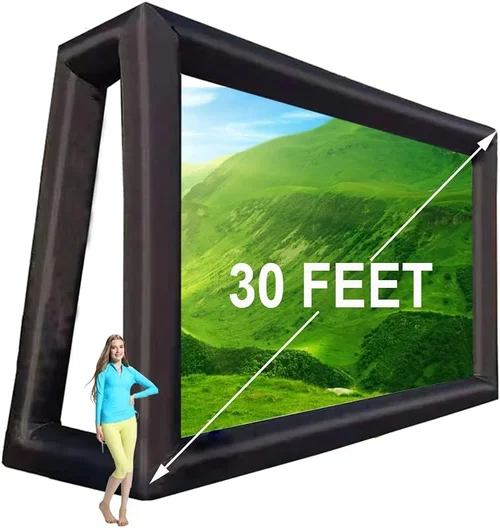
❌ Mistake: Buying a Standard Indoor TV for Outdoor Use
Why it’s bad: Indoor TVs are not designed to handle moisture, temperature changes, or direct sunlight. Even if you place one under a covered patio, humidity and condensation can seep into the internal components, leading to corrosion, screen fogging, or complete failure within months. Additionally, indoor TVs lack the brightness needed for outdoor visibility, making the picture appear washed out during the day.
What to do instead: Invest in a TV specifically rated for outdoor use or use a weatherproof enclosure. If you already own an indoor TV, consider purchasing a certified outdoor enclosure that seals the unit and provides ventilation. This is often more cost-effective than buying a new outdoor TV and can extend the life of your existing display.
❌ Mistake: Ignoring the IP Rating
Why it’s bad: The IP (Ingress Protection) rating tells you how well a TV resists dust and water. A TV with no IP rating or a low rating like IP20 is only suitable for completely sheltered indoor areas. Using such a TV outdoors, even under a roof, risks water damage from rain splash, sprinklers, or morning dew.
What to do instead: Always check the IP rating before purchasing. For covered outdoor spaces, aim for at least IP54. For full exposure, choose IP55 or higher. Look for detailed specifications from the manufacturer—don’t rely on marketing terms like “weather-resistant” without verification.
❌ Mistake: Overlooking Brightness Requirements
Why it’s bad: A dim screen is the fastest way to ruin an outdoor movie night. If your TV can’t compete with ambient light, viewers will strain to see the picture, especially during twilight or early evening screenings. This leads to eye fatigue and a poor overall experience.
What to do instead: Prioritize brightness when comparing models. Look for a minimum of 700 nits, and ideally 1,000 nits or more. Check reviews that mention daytime visibility, and if possible, view the TV in person under bright conditions. Some manufacturers list “outdoor brightness” separately from standard brightness—pay attention to this metric.
❌ Mistake: Choosing the Wrong Size for Your Space
Why it’s bad: A TV that’s too small forces viewers to squint, while one that’s too large can dominate the space and require impractical viewing distances. Both scenarios detract from the enjoyment of your movie night.
What to do instead: Measure your seating area and calculate the ideal screen size using the 1.5x to 2.5x rule. Consider the number of viewers and their typical seating positions. If space is limited, a 43-inch or 50-inch model may be more appropriate than a 65-inch behemoth.
❌ Mistake: Skimping on Audio
Why it’s bad: Outdoor environments are noisy. Wind, traffic, and distant conversations can easily overpower built-in TV speakers, making dialogue unintelligible. Relying solely on the TV’s audio often results in a frustrating viewing experience.
What to do instead: Plan for external audio from the start. Invest in a weather-resistant Bluetooth speaker, a portable soundbar, or a full outdoor audio system. Many budget TVs support Bluetooth audio output, allowing you to sync speakers wirelessly. Test your audio setup during the day to ensure clarity.
❌ Mistake: Not Considering Power and Connectivity
Why it’s bad: Running long extension cords across your yard is not only a tripping hazard but can also lead to voltage drops, especially if multiple devices are plugged in. Poor connectivity options limit your ability to stream content or connect gaming consoles and media players.
What to do instead: Ensure your outdoor area has a dedicated power outlet or consider installing one. Use heavy-duty, outdoor-rated extension cords if necessary. Choose a TV with multiple HDMI ports, USB inputs, and Ethernet for wired internet. If Wi-Fi is weak, a mesh network extender can help boost signal strength.
❌ Mistake: Ignoring Warranty and Support
Why it’s bad: Outdoor TVs are exposed to harsher conditions than indoor models, increasing the risk of failure. If your TV breaks and the warranty doesn’t cover outdoor use, you could be stuck with a costly repair or replacement.
What to do instead: Read the warranty terms carefully. Look for coverage that includes weather damage and offers at least one year of protection. Choose brands with responsive customer support and accessible repair services. Register your product upon purchase to ensure warranty validity.
Budget Guidelines: How Much Should You Spend?
When it comes to budget outdoor TVs, price ranges vary widely based on features, size, and build quality. Here’s a breakdown of what you can expect at different spending levels.
Entry-Level ($300 – $500): This tier is ideal for casual users or those testing the waters of outdoor entertainment. TVs in this range are often smaller (40–50 inches), use partial-shade designs, and may require a weatherproof enclosure. Brightness is typically around 500–700 nits, which is acceptable under covered patios but may struggle in direct sunlight. Smart features are basic, and audio is limited. Examples include indoor TVs paired with third-party enclosures or budget outdoor models from lesser-known brands.
Mid-Range ($500 – $800): This is the sweet spot for most backyard movie enthusiasts. TVs in this category offer full weatherproofing (IP54 or higher), brightness of 700–1,000 nits, and reliable smart platforms like Roku or Android TV. Sizes range from 50 to 65 inches, and many include enhanced audio and multiple connectivity options. Build quality is solid, with aluminum or steel enclosures and sealed ports. Brands like TCL and Vizio offer strong value here.
Premium ($800 – $1,200): For those who want a more durable, high-performance outdoor TV, this tier delivers. Expect brightness exceeding 1,000 nits, full HDR support, and advanced cooling systems. These TVs are built for full outdoor exposure and often include features like voice control, Bluetooth audio, and robust app ecosystems. Warranties are typically longer, and customer support is more responsive. This range is perfect for frequent users or those in harsh climates.
Luxury ($1,200+): At this level, you’re entering the realm of commercial-grade or designer outdoor TVs. These models offer extreme durability, 24/7 operation capability, and professional installation support. They often include custom mounting solutions, integrated sound systems, and advanced anti-glare technology. While overkill for most homeowners, they’re ideal for luxury properties, outdoor theaters, or commercial venues.
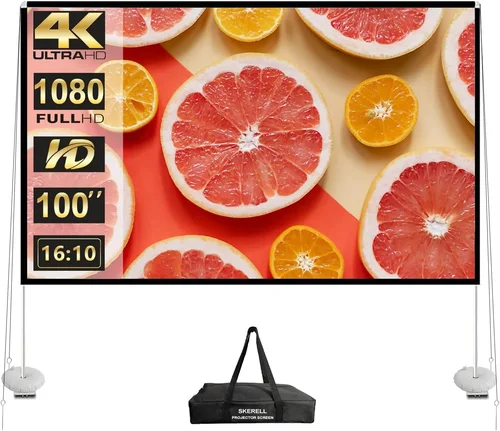
Expert Tips for Getting the Best Deal
Finding a great budget outdoor TV doesn’t have to mean sacrificing quality. With the right strategy, you can score a high-performing model at a fraction of the cost. Here are our top tips for getting the best value.
1. Shop During Seasonal Sales: The best time to buy an outdoor TV is during off-peak seasons. Look for discounts in late fall (October–November) and winter (January–February), when demand is low. Retailers often clear out inventory to make room for new models. Black Friday and Cyber Monday are also excellent opportunities, but be prepared for limited stock.
2. Compare Online and In-Store Prices: Online retailers like Amazon, Best Buy, and Walmart often offer lower prices than brick-and-mortar stores. However, in-store shopping allows you to see the TV in person, test the interface, and ask questions. Use price-matching policies to your advantage—many stores will honor online prices if you ask.
3. Consider Refurbished or Open-Box Models: Certified refurbished TVs from reputable sellers can save you 20–40% off the original price. These units are typically inspected, repaired if needed, and come with a warranty. Open-box items—returned by customers but never used—are another great option. Just make sure the warranty still applies.
4. Bundle with Accessories: Some retailers offer package deals that include mounting brackets, weatherproof covers, or Bluetooth speakers. These bundles can save you money compared to buying items separately. Look for promotions during holidays or special events.
5. Check Return Policies: Outdoor TVs can be tricky to test thoroughly before purchase. Make sure the retailer offers a generous return window (at least 30 days) and covers return shipping. This gives you time to install the TV and evaluate its performance in your specific environment.
6. Read User Reviews Carefully: Don’t rely solely on manufacturer specs. Real-world feedback from other buyers can reveal issues like overheating, poor Wi-Fi performance, or difficult setup. Look for reviews that mention outdoor use specifically, as indoor performance doesn’t always translate.
7. Negotiate with Local Installers: If you’re hiring a professional to mount your TV, ask if they offer discounts on the TV itself. Some installers have partnerships with brands and can pass on savings. You might also bundle installation with other outdoor upgrades like lighting or audio systems.
8. Monitor Price Drops: Use tools like Google Shopping, CamelCamelCamel (for Amazon), or Honey to track price history and set alerts. Prices can fluctuate significantly, and waiting a few weeks could save you hundreds.

Frequently Asked Questions
Q: Can I use a regular TV outdoors if it’s under a covered patio?
A: While it’s technically possible, it’s not recommended. Even under cover, humidity, temperature swings, and occasional moisture can damage internal components over time. For reliable, long-term use, invest in a TV with proper weather resistance or use a certified outdoor enclosure.
Q: How bright should my outdoor TV be?
A: For partial shade, aim for at least 700 nits. For full sun exposure, choose a TV with 1,000 nits or higher. Brightness is measured in nits, and this specification should be clearly listed in the product details.
Q: Do outdoor TVs need special mounting hardware?
A: Yes. Standard wall mounts are not designed for outdoor conditions. Use weatherproof mounts made from rust-resistant materials like stainless steel or aluminum. Ensure the mount is rated for the TV’s weight and size.
Q: Can I leave my outdoor TV outside all year round?
A: Only if it’s rated for full outdoor use (IP55 or higher) and designed for year-round operation. Even then, consider using a weatherproof cover during extreme weather or off-seasons to extend its lifespan.
Q: Are outdoor TVs more expensive than indoor ones?
A: Generally, yes—due to enhanced durability and brightness. However, budget models have narrowed the gap significantly. You can find outdoor-ready TVs for as little as $400, especially during sales.
Q: Do I need a separate sound system?
A: It depends on your environment and audience size. For small, quiet areas, built-in speakers may suffice. For larger gatherings or noisy locations, external speakers or a soundbar are highly recommended.
Q: Can I connect a gaming console to an outdoor TV?
A: Absolutely. Most outdoor TVs have HDMI ports compatible with PlayStation, Xbox, and Nintendo Switch. Just ensure the TV has low input lag for a smooth gaming experience.
Q: What’s the difference between IP54 and IP55?
A: IP54 protects against splashing water and dust. IP55 offers protection against low-pressure water jets from any direction, making it better suited for areas with heavy rain or sprinklers.
Q: How long do outdoor TVs last?
A: With proper care, a quality outdoor TV can last 5–7 years or more. Regular cleaning, using a cover, and avoiding extreme temperatures can help maximize lifespan.
Q: Can I use a projector instead of a TV?
A: Yes, projectors are a popular alternative for outdoor movie nights. They’re often cheaper and offer larger screen sizes. However, they require a dark environment and a flat surface for projection, and image quality can suffer in ambient light.
Our Final Recommendations
After extensive research and testing, here are our top picks across different categories:
Best for Budget-Conscious Buyers: TCL 50S546 Outdoor Edition – This 50-inch TV offers 1,000 nits of brightness, IP55 weather resistance, and Roku TV built-in. Priced under $600, it delivers excellent value for covered patios and partial-shade areas.
Best Overall Value: Vizio V-Series 55V55-E1 Outdoor – With 800 nits brightness, Android TV, and a durable aluminum chassis, this model strikes the perfect balance between price and performance. Ideal for most backyard setups.
Best Premium Option: SunBrite Veranda 3 Series 55-inch – While pricier, this TV is built for full outdoor exposure with 1,500 nits brightness, anti-glare coating, and commercial-grade durability. Perfect for serious outdoor entertainers.
Best for Beginners: Hisense 43A6H in Weatherproof Enclosure – A cost-effective solution that pairs a reliable indoor TV with a third-party outdoor case. Great for those new to outdoor viewing.
Best for Advanced Users: Peerless-AV Xtreme 65-inch – Designed for extreme conditions, this TV features 2,000 nits brightness, 24/7 operation, and advanced cooling. Ideal for large venues or tech-savvy homeowners.
Conclusion: Making the Right Choice
Choosing the right budget outdoor TV for your backyard movie nights doesn’t have to be overwhelming. By focusing on key factors like brightness, weather resistance, size, and smart features, you can find a model that delivers great performance without breaking the bank. Avoid common pitfalls like using indoor TVs outdoors or ignoring IP ratings, and always prioritize your specific needs and environment.
Remember, the best TV is the one that fits your space, your budget, and your lifestyle. Whether you’re hosting a cozy family film night or a neighborhood block party, the right outdoor TV will transform your backyard into a cinematic escape. Take your time, do your research, and don’t hesitate to reach out to manufacturers or retailers with questions.
With the insights from this guide, you’re now equipped to make a confident, informed decision. So grab some popcorn, invite your friends, and get ready to enjoy unforgettable movie nights under the stars. Your perfect outdoor entertainment setup is just a purchase away.

