
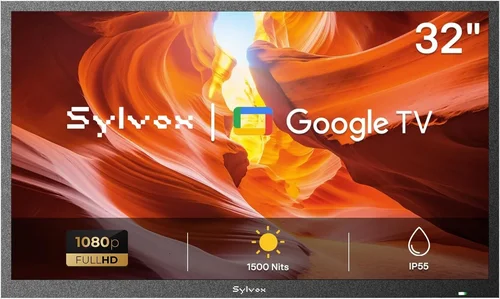
Outdoor living spaces are no longer just for sprawling backyards or suburban homes with expansive patios. In today’s urban landscape, apartment dwellers are redefining what it means to enjoy the outdoors—whether it’s a cozy balcony, a rooftop terrace, or a small courtyard. With more people working remotely and spending time at home, the desire to extend entertainment beyond indoor walls has surged. Enter the outdoor TV: a game-changer for apartment residents who want to stream their favorite shows, catch live sports, or host movie nights under the stars—without sacrificing picture quality or durability.
But here’s the catch: not all TVs are built to withstand the elements. Standard indoor TVs can warp, overheat, or fail prematurely when exposed to humidity, rain, dust, or extreme temperatures. That’s why choosing the right outdoor TV is critical—especially when you’re on a budget and living in a space-constrained apartment. This guide is designed specifically for apartment renters and buyers who want reliable, weather-resistant entertainment without breaking the bank. Whether you’re looking to upgrade your balcony setup or create a mini outdoor cinema on your patio, we’ll walk you through everything you need to know to make a smart, informed decision.
In this comprehensive buying guide, you’ll learn how to evaluate key factors like brightness, weatherproofing, size, and smart features—all while staying within your budget. We’ll compare different types of outdoor TVs, highlight common pitfalls to avoid, and offer expert tips to help you get the best value for your money. By the end, you’ll have a clear roadmap to finding an outdoor TV that delivers stunning visuals, stands up to the elements, and fits seamlessly into your apartment lifestyle.

What to Look for When Buying Buying Guide
1. Brightness & Display Quality
One of the most critical factors when choosing an outdoor TV is brightness—measured in nits. Unlike indoor TVs, which typically range from 250 to 500 nits, outdoor models need significantly higher brightness to combat glare from sunlight. For shaded balconies or covered patios, a minimum of 700 nits is recommended. However, if your space gets direct sunlight for part of the day, aim for 1,000 nits or higher. This ensures that colors remain vibrant and details stay sharp, even on bright afternoons.
Look for TVs with high dynamic range (HDR) support, such as HDR10 or Dolby Vision, which enhance contrast and color depth. OLED panels offer superior contrast and deeper blacks, but they’re often more expensive and less common in budget outdoor models. Instead, many affordable outdoor TVs use advanced LED or QLED technology with anti-reflective coatings to reduce glare. Always check the viewing angle—wide angles (178 degrees or more) are ideal for group viewing on a small patio.
2. Weather Resistance & IP Rating
Outdoor TVs must be built to endure moisture, dust, temperature swings, and UV exposure. The first thing to check is the Ingress Protection (IP) rating, which indicates how well the TV resists water and dust. For apartment use—where full exposure to rain might be limited by overhangs or enclosures—an IP55 rating is generally sufficient. This means the TV is protected against low-pressure water jets and limited dust ingress.
However, if your balcony or terrace is fully exposed, consider models with IP65 or higher. These are sealed against powerful water jets and total dust protection, making them ideal for harsher conditions. Additionally, look for TVs with rust-resistant aluminum chassis, sealed ventilation systems, and internal components treated to prevent corrosion. Avoid models that rely solely on external covers—these can trap moisture and lead to mold or electrical issues over time.
Temperature tolerance is another key consideration. Most outdoor TVs operate between -22°F and 122°F (-30°C to 50°C), which covers most climates. But if you live in an area with extreme seasonal changes, verify the operating range before purchasing.
3. Size & Portability
Apartment spaces are often compact, so size matters—both in terms of screen dimensions and physical footprint. A 43-inch to 55-inch TV is usually the sweet spot for small balconies or patios. Larger screens (65 inches and up) may overwhelm the space and require more mounting hardware, which could violate lease agreements.
Portability is another advantage for renters. Some budget outdoor TVs are lightweight and come with built-in handles or optional rolling stands, making them easy to move indoors during storms or winter months. If you plan to store the TV seasonally, look for models under 30 pounds and with slim profiles. Wall mounts should be VESA-compatible and easy to install without damaging walls—especially important if you can’t drill into concrete or brick.
4. Smart Features & Connectivity
Even on a budget, you don’t have to sacrifice smart functionality. Most modern outdoor TVs come with built-in Wi-Fi, Bluetooth, and popular streaming platforms like Netflix, YouTube, and Amazon Prime Video. Look for models with at least two HDMI ports, USB inputs, and an Ethernet port for wired internet connections—especially useful if your Wi-Fi signal weakens outdoors.
Voice control via Alexa or Google Assistant is increasingly common and adds convenience, allowing you to change channels or adjust volume without reaching for a remote. Some budget models also support screen mirroring from smartphones or tablets, which is great for sharing photos or videos during gatherings.
Be cautious of “dumb” outdoor TVs—basic displays without smart capabilities. While they’re cheaper upfront, you’ll need to connect an external streaming device (like a Roku or Fire Stick), which adds cost and clutter. Integrated smart systems are usually more reliable and user-friendly in outdoor settings.
5. Audio Performance
Outdoor environments are noisy—traffic, wind, birds, and neighbors can drown out dialogue. Many budget outdoor TVs have underpowered built-in speakers (often 10W or less), which struggle to deliver clear sound in open spaces. If audio quality is important, look for models with at least 20W total output or built-in subwoofers.
Alternatively, plan to connect external speakers. Most outdoor TVs include audio output options like optical, 3.5mm jack, or Bluetooth. Wireless soundbars or weatherproof outdoor speakers can dramatically improve your listening experience. Just ensure they’re also rated for outdoor use and can be mounted or placed securely.
For apartment dwellers, volume control is crucial. You don’t want to disturb neighbors with loud bass or late-night viewing. Choose a TV with adjustable audio settings and consider models with night mode or dialogue enhancement features.
6. Brand Reputation & Reliability
Not all outdoor TV brands are created equal. While big names like Samsung and LG dominate the indoor market, specialized outdoor manufacturers like SunBriteTV, Seura, and Peerless offer rugged, purpose-built models—but often at premium prices. For budget-conscious apartment users, emerging brands like Sylvane, Outdoor TV Direct, and Hisense provide solid alternatives with good track records.
Research customer service responsiveness and repair networks. Some brands offer local technician support, while others require shipping the unit back for service—a hassle if you rely on your TV daily. Check forums and review sites for recurring issues like screen fogging, remote malfunctions, or Wi-Fi dropouts.
Also, consider whether the brand offers modular designs. Some outdoor TVs allow you to replace individual components (like the display panel or power supply) rather than the entire unit, which can save money in the long run.
7. Warranty & Support
A strong warranty is a hallmark of a quality outdoor TV. Most reputable brands offer at least a 2-year limited warranty covering defects and weather-related failures. Premium models may include 3 to 5 years of coverage, sometimes with on-site service.
Read the fine print: some warranties exclude damage from improper installation, power surges, or acts of nature. Look for companies that offer extended warranty options or accidental damage protection. Also, verify whether the warranty is transferable—important if you move or sell the TV.
Customer support should be accessible via phone, email, or live chat. Avoid brands with only automated systems or long response times. A responsive support team can help troubleshoot issues quickly, minimizing downtime.
8. User Reviews & Real-World Performance
Spec sheets tell part of the story—but real user experiences reveal the rest. Scour Amazon, Best Buy, and specialty outdoor electronics sites for detailed reviews. Pay attention to comments about long-term durability, ease of setup, and performance in various weather conditions.
Look for patterns: if multiple users report the same issue (e.g., “screen flickers in humidity” or “remote stops working after rain”), it’s likely a design flaw. Conversely, consistent praise for brightness, sound, or customer service is a good sign.
Video reviews on YouTube can be especially helpful—they often show the TV in action, demonstrating glare resistance, menu navigation, and audio quality. Don’t rely solely on star ratings; read the full text to understand context.
Different Types of Buying Guide
Common Buying Mistakes to Avoid
❌ Mistake: Buying a Standard Indoor TV for Outdoor Use
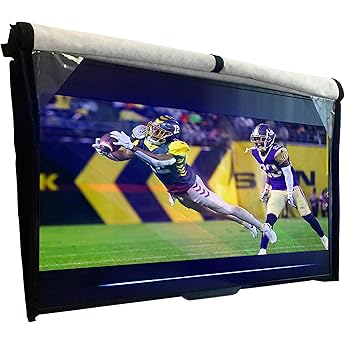
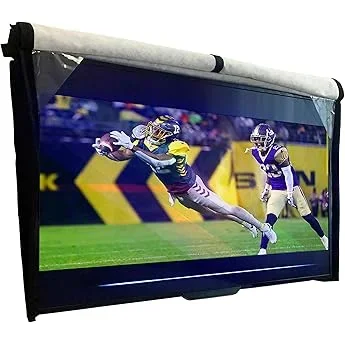
Why it’s bad: Indoor TVs lack weatherproofing, have lower brightness, and aren’t designed to handle temperature fluctuations. Using one outdoors can lead to overheating, screen damage, or electrical failure—even under a covered patio.
What to do instead: Invest in a purpose-built outdoor TV or use a certified outdoor enclosure. The extra cost is justified by longevity and safety.
❌ Mistake: Ignoring the IP Rating
Why it’s bad: Without proper water and dust resistance, your TV could short-circuit during a rainstorm or accumulate debris that blocks ventilation.
What to do instead: Always check the IP rating. For most apartment balconies, IP55 is the minimum. If unsure, opt for IP65 for peace of mind.
❌ Mistake: Overlooking Brightness Requirements
Why it’s bad: A dim screen will look washed out in daylight, making it hard to see details—especially during sports or action scenes.
What to do instead: Choose a TV with at least 700 nits for shaded areas and 1,000+ nits for sun-exposed spots. Check real-world reviews for brightness performance.
❌ Mistake: Choosing the Wrong Size
Why it’s bad: A TV that’s too large can dominate a small space, block pathways, or violate building codes. One that’s too small won’t deliver an immersive experience.
What to do instead: Measure your viewing distance. A general rule: screen size (in inches) × 1.2 = ideal viewing distance in feet. For a 5-foot balcony, a 43-inch TV is perfect.
❌ Mistake: Skimping on Audio
Why it’s bad: Weak built-in speakers make dialogue hard to hear over ambient noise, ruining the viewing experience.
What to do instead: Pair your TV with weatherproof Bluetooth speakers or a compact soundbar. Even budget models can deliver rich sound outdoors.
❌ Mistake: Not Checking Lease or HOA Rules
Why it’s bad: Some apartment complexes prohibit external installations, drilling, or visible electronics on balconies. Violating these rules could result in fines or eviction.
What to do instead: Review your lease agreement or consult your property manager before purchasing. Consider portable or non-permanent mounting solutions.
❌ Mistake: Forgetting About Power and Connectivity
Why it’s bad: Running extension cords across walkways creates tripping hazards. Weak Wi-Fi signals can cause buffering.
What to do instead: Use weatherproof extension cords with GFCI protection. Boost your Wi-Fi with a mesh extender or Ethernet cable routed through a conduit.
Budget Guidelines: How Much Should You Spend?
- Entry-Level ($400 – $700): These are typically portable or partial-shade models with basic smart features, 700–1,000 nits brightness, and IP55 ratings. Ideal for covered balconies or seasonal use. Expect plastic builds and modest audio, but solid performance for the price. Examples include the Sylvane ProView 43″ and Hisense H43G Outdoor.
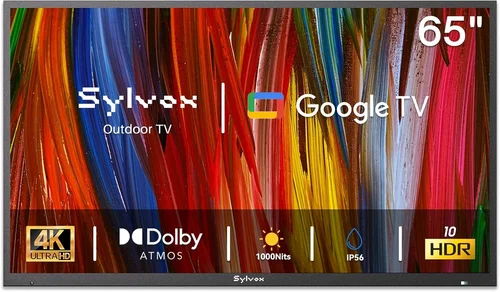
- Mid-Range ($700 – $1,200): This is the sweet spot for most apartment users. TVs in this range offer better brightness (1,000–1,500 nits), improved build quality (aluminum frames), and enhanced smart platforms. Many include voice control, multiple HDMI ports, and stronger warranties. Look for models like the Outdoor TV Direct OTD-50UHD or Peerless PT-55OUT.
- Premium ($1,200 – $2,000): Designed for enthusiasts who want top-tier performance. These feature ultra-bright displays (1,500+ nits), full weather sealing (IP65), advanced HDR, and premium audio. Often include professional installation support and longer warranties. Great for rooftop terraces or high-exposure areas.
- Luxury ($2,000+): Top-of-the-line models from brands like SunBriteTV or Seura. These are built like tanks, with military-grade components, 4K OLED panels, and integrated heating/cooling systems. Best for permanent installations or luxury apartments with dedicated outdoor lounges.
Expert Tips for Getting the Best Deal
- Buy During Off-Seasons: Prices drop significantly in late fall and winter when demand is low. Look for holiday sales around Black Friday or end-of-year clearances.
- Shop Specialty Retailers: Stores like Sylvane, Outdoor TV Direct, and Crutchfield often have better selection and expertise than big-box retailers. They may also offer bundle deals with mounts or speakers.
- Compare Online vs. In-Store: Online prices are usually lower, but in-store demos let you test brightness and sound. Some retailers price-match, so bring printed ads.
- Check Refurbished or Open-Box Options: Certified refurbished outdoor TVs from reputable sellers can save 20–30% and often come with full warranties.
- Negotiate Installation: If buying from a local dealer, ask if they include free mounting or cable management. This can offset the cost of professional setup.
- Read Return Policies Carefully: Outdoor TVs are bulky and expensive to return. Ensure the seller offers at least 30 days to test the unit in your space.
- Use Cashback and Rewards: Sign up for cashback sites like Rakuten or use credit cards with electronics rewards. These can add up to significant savings.
- Join Outdoor Enthusiast Forums: Communities like AVS Forum or Reddit’s r/outdoortv often share exclusive promo codes or flash sales.

Frequently Asked Questions
Q: Can I use a regular TV outdoors if it’s under a covered balcony?
A: Technically yes—but it’s not recommended. Even covered areas experience humidity, temperature swings, and dust. Over time, these can damage internal components. A purpose-built outdoor TV or enclosure is a safer, longer-lasting investment.
Q: Do outdoor TVs need special mounting hardware?
A: Yes. Standard wall mounts aren’t rated for outdoor conditions. Use VESA-compatible outdoor mounts made from rust-proof materials like stainless steel or powder-coated aluminum. Ensure they’re anchored securely to withstand wind.
Q: How do I protect my outdoor TV from theft?
A: Use security cables or locks designed for electronics. Some mounts include built-in locking mechanisms. For added safety, choose a portable model you can bring inside when not in use.
Q: Will my Wi-Fi work reliably outdoors?
A: It depends on your router’s range and obstacles like walls or metal railings. Consider a weatherproof Wi-Fi extender or a mesh system with an outdoor node. Ethernet cables offer the most stable connection.
Q: Can I leave my outdoor TV on during rain?
A: Only if it has an IP65 or higher rating and is properly installed. Never operate electronics in standing water or during thunderstorms. Always unplug during severe weather.
Q: Are outdoor TVs energy efficient?
A: Most modern models are ENERGY STAR certified and use similar power as indoor TVs of the same size. LED backlighting keeps consumption low—typically 80–150 watts for a 50-inch model.
Q: What’s the difference between partial-shade and all-weather TVs?
A: Partial-shade models are designed for covered areas with indirect light and minimal exposure. All-weather TVs are fully sealed and built for direct sun, rain, and snow. Choose based on your specific environment.
Q: Can I connect gaming consoles or streaming devices?
A: Absolutely. Most outdoor TVs have HDMI 2.0 or 2.1 ports supporting 4K/60Hz, ideal for PlayStation, Xbox, or Apple TV. Just ensure the device is also protected from the elements.
Q: How long do outdoor TVs last?
A: With proper care, a quality outdoor TV can last 7–10 years. Regular cleaning, seasonal storage, and avoiding extreme conditions will extend its lifespan.
Q: Do I need a permit to install an outdoor TV on my balcony?
A: It depends on your building’s rules. Some HOAs require approval for any external modifications. Always check before drilling or mounting.
Our Final Recommendations
- Best for Budget-Conscious Buyers: Sylvane ProView 43″ Partial-Shade Outdoor TV – At under $600, it delivers 1,000 nits brightness, IP55 rating, and built-in Roku. Perfect for covered balconies and renters.
- Best Overall Value: Outdoor TV Direct OTD-50UHD – Priced around $900, this 50-inch model offers 1,200 nits, Android TV, and a rugged aluminum frame. Great balance of features and durability.
- Best Premium Option: Peerless PT-55OUT – With 1,500 nits, IP65 sealing, and Dolby Vision, this $1,600 TV is ideal for high-exposure terraces and serious entertainers.
- Best for Beginners: Hisense H43G Outdoor – Simple setup, intuitive interface, and reliable performance. A great entry point for first-time outdoor TV owners.
- Best for Advanced Users: SunBriteTV Veranda Series 55″ – While pricier ($2,200+), it’s built for extreme conditions with integrated cooling and military-grade components. Ideal for permanent installations.
Conclusion: Making the Right Choice
Choosing the right outdoor TV for your apartment doesn’t have to be overwhelming—or expensive. By focusing on key factors like brightness, weather resistance, size, and smart features, you can find a model that delivers exceptional performance without exceeding your budget. Remember, the goal isn’t to buy the most advanced TV on the market, but the one that best fits your space, lifestyle, and viewing habits.
Start by assessing your environment: Is your balcony covered or exposed? How much sunlight does it get? How often will you use the TV? These answers will guide your decision far more than specs alone. Don’t forget to factor in audio, connectivity, and installation logistics—small details that make a big difference in daily use.
Avoid common pitfalls like using indoor TVs or ignoring IP ratings. Instead, prioritize durability, ease of use, and long-term value. And always check with your landlord or HOA before making any permanent changes.
With the right outdoor TV, your apartment balcony can transform into a vibrant entertainment hub—perfect for summer barbecues, cozy movie nights, or catching the big game under the stars. Take your time, do your research, and invest wisely. Your future self will thank you every time you press play.

