
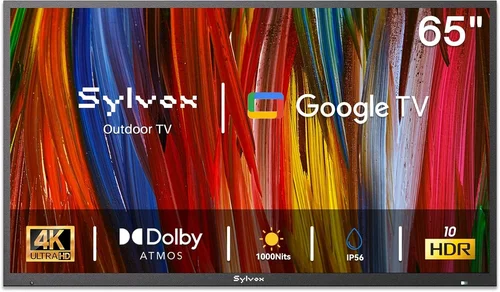
Outdoor living spaces have evolved far beyond simple patios and decks. For many homeowners, the backyard has become an extension of the home—a place to relax, entertain, and enjoy quality time with family and friends. Whether you’re hosting a summer barbecue, watching the big game under the stars, or enjoying a quiet evening with a movie, having a reliable outdoor TV can transform your outdoor experience. However, if you live in a rainy climate, choosing the right TV isn’t just about picture quality or smart features—it’s about durability, weather resistance, and long-term value. This comprehensive guide is designed to help you navigate the often-confusing world of budget-friendly outdoor TVs, especially if you’re dealing with frequent rain, high humidity, or unpredictable weather.
In this guide, we’ll walk you through everything you need to know to make an informed decision. You’ll learn how to balance cost with performance, understand the critical differences between indoor and outdoor TVs, and discover which features truly matter when the forecast calls for showers. We’ll break down the key factors to consider, compare different types of outdoor TVs, highlight common pitfalls to avoid, and provide expert-backed recommendations tailored to rainy climates. Whether you’re working with a tight budget or looking for the best value for your money, this guide will equip you with the knowledge to choose a TV that stands up to the elements without breaking the bank.
The market for outdoor TVs has grown significantly in recent years, with more manufacturers offering models specifically designed for exterior use. However, not all “outdoor” TVs are created equal—especially when it comes to handling moisture, temperature swings, and prolonged exposure to the elements. Many budget options claim to be weather-resistant but fall short in real-world conditions. Our goal is to cut through the marketing noise and deliver practical, actionable advice based on performance, durability, and real user experiences. By the end of this guide, you’ll know exactly what to look for, what to avoid, and how to get the most bang for your buck—even in the wettest of climates.

What to Look for When Buying Buying Guide
1. Weather Resistance & IP Rating
When shopping for a backyard TV in a rainy climate, the most important factor is weather resistance. Unlike indoor TVs, outdoor models must withstand rain, humidity, dust, and temperature fluctuations. The key metric to look for is the IP (Ingress Protection) rating, which indicates how well the TV is protected against solids and liquids. For rainy environments, an IP54 rating is the minimum acceptable standard—this means the TV is protected against splashing water from any direction. However, for areas with heavy rainfall or frequent storms, we recommend aiming for IP55 or higher. An IP55 rating ensures protection against low-pressure water jets, making it far more suitable for prolonged outdoor exposure.
It’s also important to understand that an IP rating applies to the entire unit, including the screen, ports, and ventilation. Some budget TVs may advertise “weather-resistant” enclosures but only protect the internal components, leaving the screen vulnerable. Always verify that the IP rating covers the display itself. Additionally, look for sealed cable ports, rubber gaskets around vents, and corrosion-resistant materials like powder-coated aluminum or marine-grade steel. These details may seem minor, but they make a huge difference in longevity.
2. Brightness & Screen Visibility
Outdoor TVs need to be significantly brighter than their indoor counterparts to combat glare from sunlight and maintain visibility in overcast or rainy conditions. While indoor TVs typically range from 300 to 500 nits, outdoor models should deliver at least 700 nits, with 1000+ nits being ideal for bright daylight viewing. In rainy climates, overcast skies can still create enough ambient light to wash out a dim screen, so brightness is crucial even on cloudy days.
Look for TVs with high peak brightness and anti-reflective coatings. These coatings reduce glare from water droplets, wet surfaces, or nearby lights, ensuring a clearer picture even when it’s drizzling. Some budget models use matte finishes or specialized screen films to improve visibility. Additionally, consider the screen technology: LED-backlit LCDs are common in budget outdoor TVs and offer good brightness, while OLEDs—though superior in contrast—are rare in outdoor models due to cost and sensitivity to moisture.
Another factor is viewing angle. In a backyard setting, people may be seated at various angles relative to the screen. TVs with wide viewing angles (178 degrees or more) ensure that colors and brightness remain consistent even when viewed from the side. This is especially important for group gatherings where not everyone is directly in front of the TV.
3. Build Quality & Durability
Budget doesn’t have to mean flimsy. A well-built outdoor TV should feel solid and robust, with minimal flex in the frame and sturdy mounting hardware. Look for models with reinforced chassis, sealed internal components, and corrosion-resistant finishes. Materials matter: aluminum frames are lightweight and rust-proof, while plastic enclosures should be UV-stabilized to prevent yellowing or cracking over time.
Pay attention to the cooling system. Outdoor TVs generate heat, and in humid or rainy conditions, poor ventilation can lead to condensation inside the unit. Quality models use passive cooling (no fans) with heat-dissipating designs or sealed thermal management systems that prevent moisture ingress. Avoid TVs with exposed vents or loud cooling fans—these are signs of inadequate weatherproofing.
Also consider the mounting system. A durable, weather-resistant wall mount or ceiling bracket is essential. Many budget outdoor TVs include basic mounts, but upgrading to a heavy-duty, powder-coated steel mount can improve stability and longevity. Ensure the mount is rated for outdoor use and can support the TV’s weight, especially in windy conditions.
4. Smart Features & Connectivity
Even on a budget, you don’t have to sacrifice smart functionality. Most modern outdoor TVs come with built-in Wi-Fi, streaming apps (like Netflix, YouTube, and Amazon Prime Video), and voice control via Alexa or Google Assistant. These features allow you to enjoy your favorite content without needing a separate streaming device.
Check the operating system: Roku TV, Android TV, and webOS are common platforms that offer smooth performance and regular updates. Avoid proprietary systems that may become outdated quickly. Also, ensure the TV has sufficient HDMI ports (at least two), USB inputs, and audio outputs for connecting soundbars, gaming consoles, or external speakers.
For rainy climates, wireless connectivity is a plus. Bluetooth support lets you stream audio to waterproof outdoor speakers without running cables through wet areas. Some models also offer screen mirroring or casting from smartphones and tablets, which is great for sharing photos or videos during gatherings.
5. Size & Viewing Distance
Choosing the right screen size depends on your seating arrangement and viewing distance. For most backyard setups, a 43-inch to 55-inch TV is ideal. At a distance of 6 to 10 feet, a 50-inch screen provides an immersive experience without overwhelming the space. Larger screens (65 inches and up) are better suited for larger patios or outdoor theaters but may exceed budget constraints.
Consider the TV’s bezel size and overall footprint. Slim bezels maximize screen real estate and look more modern, but they may offer less structural support. Also, ensure the TV fits comfortably on your chosen mount or stand without obstructing walkways or views.
In rainy climates, avoid placing the TV in low-lying areas where water might pool. Elevate it on a wall or ceiling mount to reduce the risk of water damage from splashing or flooding. If you’re mounting under a covered patio, allow at least 6 inches of clearance above and below the TV for airflow and maintenance.
6. Power Efficiency & Operating Costs
Outdoor TVs are often left on for extended periods, especially during events or seasonal use. A power-efficient model can save you money on electricity over time. Look for TVs with ENERGY STAR certification, which indicates lower power consumption without sacrificing performance.
LED-backlit LCDs are generally more energy-efficient than older plasma or CCFL models. Also, check the TV’s standby power usage—some budget models consume more energy when “off” than others. Features like automatic brightness adjustment (which dims the screen in low light) can further reduce power use on overcast or rainy days.
Consider the long-term cost of ownership. A slightly more expensive TV with better efficiency and durability may save you money in the long run by reducing repair or replacement needs. Factor in potential costs for extended warranties, mounting hardware, and accessories when calculating your total budget.
7. Brand Reputation & Reliability
Not all budget brands are equal. Stick with manufacturers known for quality outdoor electronics, such as SunBriteTV, Seura, or LG’s outdoor line. These brands have a proven track record of building durable, weather-resistant TVs. While they may cost more upfront, their reliability often justifies the investment.
Research customer reviews and professional ratings. Look for consistent feedback about performance in wet conditions, longevity, and customer service. Avoid no-name brands that offer suspiciously low prices—these often cut corners on materials and testing.
Also, check if the brand offers outdoor-specific support, such as weatherproof replacement parts or specialized installation guides. A reputable brand will stand behind its products, even in harsh environments.
8. Warranty & Support
A solid warranty is a strong indicator of a manufacturer’s confidence in their product. For outdoor TVs, look for at least a 2-year warranty, with 3 years or more being ideal. Some premium brands offer 5-year coverage, which is especially valuable in rainy climates where wear and tear can accelerate.
Read the fine print: many warranties exclude damage from “acts of nature” or improper installation. Ensure the warranty covers moisture-related failures, corrosion, and screen defects. Also, verify that service is available in your area and that replacement parts (like seals or mounts) are readily accessible.
Customer support matters too. Can you reach a real person quickly? Are troubleshooting guides available online? A responsive support team can save you time and frustration if issues arise.
Different Types of Buying Guide
Common Buying Mistakes to Avoid
❌ Mistake: Buying an Indoor TV for Outdoor Use
Why it’s bad: Indoor TVs are not designed to handle moisture, temperature changes, or UV exposure. Even under a covered patio, condensation can build up inside the unit, leading to corrosion, screen fogging, or electrical failure. Many indoor TVs also lack the brightness needed for outdoor visibility.
What to do instead: Invest in a TV specifically rated for outdoor use or use a weatherproof enclosure. If budget is tight, choose a high-quality enclosure with an IP54 or higher rating and pair it with a mid-range indoor TV.
❌ Mistake: Ignoring the IP Rating
Why it’s bad: Without a proper IP rating, you have no guarantee the TV can withstand rain or humidity. Some manufacturers use vague terms like “weather-resistant” without specifying protection levels, leaving you vulnerable to damage.
What to do instead: Always check the IP rating and verify it covers the entire unit, including the screen and ports. Aim for IP54 minimum, IP55 or higher for heavy rain.
❌ Mistake: Overlooking Brightness Requirements
Why it’s bad: A dim screen will be unwatchable in daylight or overcast conditions, defeating the purpose of an outdoor TV. Many budget models skimp on brightness to cut costs.
What to do instead: Choose a TV with at least 700 nits of brightness. Look for anti-reflective coatings and wide viewing angles to improve visibility in all conditions.
❌ Mistake: Skimping on Mounting Hardware
Why it’s bad: A weak or indoor-rated mount can fail in windy or wet conditions, potentially causing the TV to fall and break—or worse, injure someone.
What to do instead: Use a heavy-duty, powder-coated steel mount rated for outdoor use. Ensure it’s securely anchored to a solid wall or ceiling structure.
❌ Mistake: Neglecting Cable Management
Why it’s bad: Exposed cables can degrade quickly in rain and UV light. Water can seep into ports, causing shorts or corrosion.
What to do instead: Use weatherproof cable conduits, silicone-sealed connectors, and drip loops to prevent water from running into the TV. Route cables through walls or under decking when possible.
❌ Mistake: Forgetting About Audio
Why it’s bad: Most outdoor TVs have weak built-in speakers that struggle to overcome wind, rain, and ambient noise.
What to do instead: Pair your TV with waterproof outdoor speakers or a soundbar. Bluetooth models offer convenient wireless setup without running cables.
❌ Mistake: Not Planning for Power Access
Why it’s bad: Running extension cords across wet surfaces is a safety hazard. Without a nearby GFCI outlet, you risk electrical shock or fire.
What to do instead: Install a weatherproof GFCI outlet near the TV location. Use outdoor-rated extension cords only as a temporary solution.
Budget Guidelines: How Much Should You Spend?
- Entry-Level ($500 – $800): At this price, you’ll find basic outdoor enclosures paired with mid-tier indoor TVs. These setups work well under covered patios but offer limited weather protection. Expect lower brightness (500-600 nits), basic smart features, and shorter warranties. Best for occasional use in light rain.
- Mid-Range ($800 – $1,500): This is the sweet spot for most buyers. You’ll get fully enclosed outdoor TVs with IP54 or IP55 ratings, 700+ nits brightness, and reliable smart platforms. Models in this range often include better build quality, wider viewing angles, and 2-3 year warranties. Ideal for frequent use in rainy climates.
- Premium ($1,500 – $3,000): These TVs offer top-tier weather resistance (IP65), 1000+ nits brightness, advanced cooling systems, and premium materials. Many include features like heated screens (to prevent fogging), anti-glare coatings, and commercial-grade durability. Best for harsh environments or year-round use.
- Luxury ($3,000+): Reserved for commercial applications or luxury homes, these models are built for 24/7 operation in extreme conditions. They often feature modular designs, remote monitoring, and custom mounting options. Overkill for most residential backyards but unmatched in performance.

Expert Tips for Getting the Best Deal
- Buy During Off-Season: Prices drop significantly in late fall and winter when demand is low. Look for end-of-season sales from retailers like Costco, Best Buy, or specialty outdoor electronics stores.
- Check Manufacturer Refurbished Programs: Many brands sell certified refurbished outdoor TVs at 20-30% off. These units are tested, cleaned, and come with full warranties.
- Bundle with Accessories: Some retailers offer discounts when you buy a TV, mount, and speakers together. This can save you $100 or more compared to purchasing separately.
- Use Price Tracking Tools: Websites like CamelCamelCamel (for Amazon) or Honey can alert you when prices drop on specific models.
- Negotiate with Local Installers: If you’re hiring a professional, ask if they offer package deals on TVs and installation. Many have partnerships with manufacturers.
- Read Return Policies Carefully: Outdoor TVs often have stricter return windows due to installation complexity. Ensure you can test the TV in your environment before committing.
- Test Before Finalizing: If possible, visit a showroom to see the TV’s brightness and clarity in person. Online images don’t always reflect real-world performance.
- Consider Long-Term Value: A slightly more expensive TV with better durability and efficiency may save you money over time by reducing repair and energy costs.

Frequently Asked Questions
Q: Can I use a regular TV outside if it’s under a covered patio?
A: It depends on the coverage. If the patio is fully enclosed with walls and a roof, and the TV is shielded from direct rain and splashing, a high-quality indoor TV may last a few years. However, humidity, temperature swings, and condensation can still cause damage over time. For reliable performance in rainy climates, a dedicated outdoor TV or enclosure is strongly recommended.
Q: How do I protect my outdoor TV from lightning?
A: Install a surge protector rated for outdoor use and connect it to a grounded outlet. For added protection, consider a whole-house surge suppressor. During thunderstorms, unplug the TV if possible, or use a smart plug that can be remotely disconnected.
Q: Do outdoor TVs need special cleaning?
A: Yes. Use a microfiber cloth and a mild cleaner designed for electronics. Avoid ammonia-based cleaners or abrasive materials that can scratch the screen or damage coatings. For enclosures, rinse with fresh water periodically to remove salt or mineral buildup.
Q: Can I leave my outdoor TV on during rain?
A: Yes, if it’s rated for outdoor use and properly installed. Fully enclosed outdoor TVs are designed to operate in wet conditions. However, avoid spraying water directly on the screen or ports.
Q: What’s the difference between IP54 and IP65?
A: IP54 protects against splashing water and limited dust. IP65 offers protection against low-pressure water jets and is dust-tight. For heavy rain or coastal areas, IP65 is preferable.
Q: Do outdoor TVs consume more power?
A: Not necessarily. Many outdoor TVs are designed for efficiency. Brightness settings and usage patterns have a bigger impact on power consumption than the TV type alone.
Q: Can I mount an outdoor TV on a wooden deck?
A: Yes, but ensure the deck structure is solid and can support the weight. Use lag bolts into joists, not just surface screws. Consider a ceiling mount from a pergola or roof overhang for better stability.
Q: Are outdoor TVs worth the extra cost?
A: If you live in a rainy climate and plan to use your TV regularly outdoors, yes. The added durability, brightness, and weather protection justify the investment and prevent costly replacements.
Q: How long do outdoor TVs typically last?
A: With proper care, a quality outdoor TV can last 7-10 years or more. Indoor TVs used outdoors may fail within 2-3 years due to environmental stress.
Q: Can I use a projector instead of a TV?
A: Projectors can work for outdoor movie nights, but they struggle in ambient light and require a dry, flat surface. For everyday use in rainy climates, a dedicated outdoor TV is more practical and reliable.
Our Final Recommendations
- Best for Budget-Conscious Buyers: SunBriteTV Veranda Series (43″) – At around $800, this model offers IP54 rating, 700 nits brightness, and Roku smart platform. It’s a reliable entry point for covered patios in rainy areas.
- Best Overall Value: Seura Outdoor TV (50″) – Priced at $1,200, it features IP55 protection, 1000 nits brightness, and a sleek design. Excellent balance of performance and price.
- Best Premium Option: LG Outdoor TV (55″) – With IP65 rating, heated screen, and webOS, this $2,200 model is built for extreme weather and year-round use.
- Best for Beginners: Kodak Outdoor TV Enclosure + 50″ Smart TV – A DIY-friendly setup under $700. Great for learning the basics before upgrading.
- Best for Advanced Users: Peerless-AV Xtreme Outdoor TV (65″) – Commercial-grade durability, modular design, and remote monitoring. Ideal for tech-savvy homeowners who want maximum control.
Conclusion: Making the Right Choice
Choosing the right budget backyard TV for a rainy climate doesn’t have to be overwhelming. By focusing on weather resistance, brightness, build quality, and smart features, you can find a model that delivers great performance without exceeding your budget. Remember, the cheapest option isn’t always the best long-term investment—especially when dealing with moisture and unpredictable weather. Prioritize durability and protection, and don’t overlook the importance of proper installation and maintenance.
Take the time to assess your specific needs: How often will you use the TV? What’s your typical viewing environment? Do you need portability or permanent mounting? Answering these questions will help you narrow down your options and avoid common pitfalls. And don’t forget to factor in accessories like mounts, speakers, and surge protection—they’re essential for a safe and enjoyable experience.
Ultimately, the best outdoor TV is one that lets you enjoy your backyard to the fullest, rain or shine. With the insights from this guide, you’re now equipped to make a confident, informed decision. So go ahead—bring the entertainment outside, and make every season a reason to gather, relax, and connect under the open sky.

