
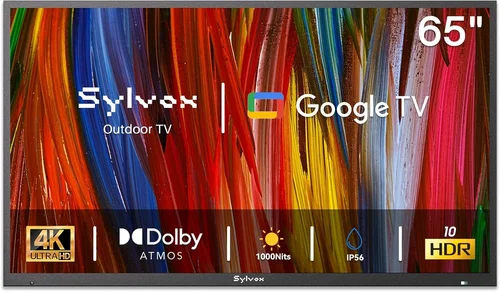
If you’ve ever dreamed of catching the big game, binge-watching your favorite series, or enjoying a movie night under the stars—without braving the elements—then a backyard TV for your screened porch might just be the upgrade your outdoor living space has been missing. But here’s the catch: not all TVs are built to handle the unique challenges of semi-outdoor environments. Humidity, temperature swings, glare from sunlight filtering through screens, and limited ventilation can turn an otherwise perfect viewing experience into a frustrating one if you choose the wrong model.
That’s exactly why this guide exists. Whether you’re working with a tight budget or simply want to make a smart, informed purchase without overspending, we’ve done the heavy lifting for you. In this comprehensive buying guide, we’ll walk you through everything you need to know to pick the best budget-friendly TV for your screened porch in 2026. You’ll learn how to balance performance, durability, and cost; avoid common pitfalls; understand key technical specs in plain English; and discover which models deliver the most value for your money. We’ll also break down real-world scenarios—like watching during golden hour or dealing with summer humidity—so you can choose a TV that actually works in your space, not just on paper.
The market for outdoor and semi-outdoor TVs has evolved significantly over the past few years. While fully weatherproof outdoor TVs (like those from SunBrite or Samsung’s The Terrace) offer premium protection, they often come with premium price tags—sometimes double or triple the cost of a comparable indoor model. For many homeowners, especially those with screened porches that provide partial shelter from rain, wind, and direct sun, a more affordable indoor TV with thoughtful placement and basic protective measures can deliver excellent results. This guide focuses specifically on that sweet spot: high-performing, budget-conscious indoor TVs that are well-suited for screened porches when installed correctly. We’ll help you maximize value without sacrificing quality, so you can enjoy outdoor entertainment without breaking the bank.

What to Look for When Buying a Budget Backyard TV for Your Screened Porch
1. Brightness & Anti-Glare Performance
One of the biggest challenges of placing a TV on a screened porch is ambient light. Even though your space is covered, sunlight reflecting off screens, nearby windows, or open areas can wash out your picture. That’s why brightness—measured in nits—is arguably the most important spec for porch viewing. Most standard indoor TVs range from 250 to 400 nits, which may look fine in a dim living room but will struggle in bright daylight. For a screened porch, aim for at least 500 nits, with 700+ nits being ideal if you plan to watch during midday or in a particularly sunny spot.
But brightness alone isn’t enough. You also need a display with good anti-reflective coating or matte finish to reduce glare. Glossy screens might look sharp indoors, but they’ll turn into mirrors when sunlight hits them. Look for TVs marketed as “high-brightness” or “outdoor-viewable,” even if they’re technically indoor models. Some brands, like TCL and Hisense, offer specific “outdoor mode” settings that boost brightness and contrast dynamically. Additionally, consider the screen technology: OLEDs offer stunning blacks and contrast but are generally dimmer and more prone to burn-in under constant bright conditions. QLED and high-end LED/LCD panels with full-array local dimming (FALD) often perform better in bright environments due to their higher peak brightness and better heat management.
2. Build Quality & Environmental Resistance
While your screened porch isn’t fully exposed to the elements, it’s still a harsher environment than your living room. Humidity, temperature fluctuations, dust, and even insects can affect electronics over time. A standard indoor TV isn’t designed for these conditions, so you’ll need to prioritize models with robust build quality and some level of environmental resilience.
Start by checking the TV’s operating temperature range. Most indoor TVs are rated for 32°F to 95°F (0°C to 35°C). If your porch gets colder in winter or hotter in summer (especially if it’s not climate-controlled), look for models that extend beyond this range—ideally down to 20°F and up to 105°F. Also, pay attention to the internal components: TVs with sealed back panels, conformal-coated circuit boards, or ventilation-free designs (like some newer LG and Sony models) are better at resisting moisture and dust ingress.
Another often-overlooked factor is the power supply. Cheap or poorly shielded power adapters can fail prematurely in humid environments. Opt for TVs with internal power supplies (rather than external “brick” adapters) when possible, as they’re typically better sealed. And don’t forget about the remote—some budget models use flimsy plastic that cracks easily or buttons that wear out quickly. Look for remotes with rubberized coatings or backlighting for easier use in low-light evening hours.
3. Size & Viewing Distance
Choosing the right screen size isn’t just about how big it looks—it’s about matching the TV to your seating arrangement and porch layout. A TV that’s too small will force you to squint, while one that’s too large can overwhelm the space and cause neck strain.
As a general rule, your viewing distance should be about 1.5 to 2.5 times the diagonal screen size. For example, if your seating is 6 to 8 feet from the wall, a 50- to 65-inch TV is ideal. On a typical screened porch, 55 inches is often the sweet spot—large enough to feel immersive but not so massive that it dominates the room. However, if your porch is deeper or you have multiple seating zones, consider a 65-inch model for better visibility from farther angles.
Also, think about mounting options. Will the TV be wall-mounted, placed on a stand, or tucked into a cabinet? Wall mounting saves space and reduces dust accumulation, but ensure your wall can support the weight and that there’s access to power and signal cables. If you’re using a stand, make sure it’s stable and won’t tip over in a breeze (yes, even screened porches can get windy!). And always leave at least 2–3 inches of clearance around the TV for airflow—overheating is a real risk in enclosed outdoor spaces.
Quick Size Guide by Viewing Distance:
- 4–6 feet: 43–50 inches
- 6–8 feet: 55–65 inches
- 8–10 feet: 65–75 inches
4. Smart Features & Connectivity
In 2026, almost every budget TV comes with smart functionality—but not all smart platforms are created equal. For a porch setup, you’ll want a system that’s fast, intuitive, and compatible with your favorite streaming services (Netflix, YouTube, Disney+, etc.). Roku TV, Google TV, and Amazon Fire TV are the dominant platforms in the budget segment, each with pros and cons.
Roku TVs are known for their simplicity and broad app support, making them great for casual users. Google TV offers deeper integration with Android devices and Google Assistant, which is handy if you use voice commands or smart home gadgets. Amazon Fire TV is deeply tied to Prime Video and Alexa, ideal if you’re already in the Amazon ecosystem. Avoid lesser-known or proprietary smart systems—they often lack updates, have fewer apps, and may become obsolete quickly.
Connectivity is equally important. Ensure the TV has at least three HDMI ports (preferably HDMI 2.0 or higher for 4K/60Hz), USB ports for media playback, and Wi-Fi 5 or Wi-Fi 6 for reliable streaming. If you plan to connect a soundbar, gaming console, or cable box, check that the HDMI ports support ARC (Audio Return Channel) or eARC for high-quality audio passthrough. Bluetooth is a nice bonus for wireless headphones or speakers, especially if you don’t want to disturb others on the porch.
5. Audio Quality & Sound Solutions
Most budget TVs have underwhelming built-in speakers—thin, tinny, and lacking bass. On a porch, where sound can easily dissipate into the open air, this problem is amplified. You might find yourself cranking the volume just to hear dialogue over background noise like birds, traffic, or rustling leaves.
While you can’t expect cinematic audio from a $400 TV, some models do better than others. Look for TVs with at least 20W of total speaker output and features like Dolby Audio or DTS Virtual:X, which simulate surround sound. However, for the best experience, plan to pair your TV with external audio. A compact soundbar (like the Vizio V-Series or Yamaha YAS-109) mounted below the TV can dramatically improve clarity and volume without taking up much space. Alternatively, wireless outdoor speakers (e.g., Sonos Move or Bose SoundLink) placed strategically around the porch offer immersive, room-filling sound.
6. Energy Efficiency & Heat Management
TVs generate heat, and in a semi-enclosed space like a screened porch, that heat has nowhere to go. Overheating can shorten the lifespan of internal components, cause image retention, or even trigger automatic shutdowns. Budget TVs often skimp on thermal design, so it’s crucial to choose one that manages heat well.
Look for models with passive cooling (no fans) and adequate ventilation slots on the sides or bottom—not just the back. Avoid placing the TV in direct sunlight or near heat sources like grills or space heaters. If your porch gets particularly warm, consider adding a small, quiet exhaust fan nearby to improve airflow.
Energy efficiency also matters, especially if you leave the TV on for hours. Modern LED TVs are generally efficient, but larger screens and higher brightness settings consume more power. Check the Energy Star rating—models with this certification use up to 30% less energy than standard units. Over time, this can add up to significant savings on your electricity bill, especially if you’re a frequent porch viewer.
7. Brand Reputation & Long-Term Reliability
Not all budget TV brands are equal. Some offer great specs on paper but cut corners on quality control, software updates, or customer support. Stick with reputable manufacturers known for consistent performance and decent post-purchase service.
In the sub-$600 range, TCL, Hisense, and Vizio are standout choices. TCL excels in value, offering Roku TVs with excellent picture quality and frequent firmware updates. Hisense has made huge strides in brightness and color accuracy, especially in its ULED series. Vizio balances performance and affordability, with strong audio features and Google Cast built-in. Avoid ultra-budget brands with no-name logos or limited warranty coverage—they may save you $50 upfront but could cost you more in repairs or replacements down the line.
Also, check user forums and long-term reviews. A TV might look perfect in a store demo, but real-world usage reveals issues like backlight bleeding, dead pixels, or Wi-Fi dropouts. Brands like LG and Sony offer better build quality but at a higher price—consider them if you can stretch your budget slightly for added peace of mind.
8. Warranty & Return Policy
A good warranty can be a lifesaver, especially when buying electronics for a non-traditional environment like a screened porch. Most budget TVs come with a standard 1-year limited warranty, but some brands offer extended coverage or accidental damage protection for a small fee.
Before purchasing, read the fine print. Does the warranty cover humidity damage? What about power surges from outdoor electrical outlets? Many standard warranties exclude “environmental damage,” so if your porch experiences frequent moisture or temperature extremes, you may need additional protection. Consider buying from retailers with generous return policies (like Best Buy’s 15-day return window or Amazon’s 30-day policy) so you can test the TV in your actual setup and return it if it doesn’t perform as expected.
Different Types of Budget Backyard TVs for Screened Porches

Common Buying Mistakes to Avoid
❌ Mistake: Choosing a TV Based Solely on Price
Why it’s bad: The cheapest TV might save you $100 upfront, but if it lacks brightness, has poor build quality, or fails within a year, you’ll end up spending more on replacements or repairs. Budget doesn’t have to mean bargain-bin—there are excellent mid-tier options that offer far better longevity and performance.
What to do instead: Set a realistic budget range (e.g., $400–$600) and prioritize key features like brightness, warranty, and brand reputation. Read professional and user reviews to identify models that consistently deliver value.
❌ Mistake: Ignoring Viewing Conditions
Why it’s bad: A TV that looks great in a dark showroom will appear washed out on a sunny porch. Without adequate brightness and anti-glare, you’ll struggle to see details during daytime viewing, defeating the purpose of outdoor entertainment.
What to do instead: Assess your porch’s lighting throughout the day. If you watch mostly at night, a standard 400-nit TV may suffice. For daytime use, invest in a 700-nit model with a matte screen.
❌ Mistake: Overlooking Audio Needs
Why it’s bad: Relying on built-in TV speakers in an open-air environment leads to muffled dialogue and weak sound. You’ll either miss key moments or annoy neighbors with excessive volume.
What to do instead: Budget for a soundbar or wireless speakers from day one. Even a $100 audio upgrade can transform your viewing experience.
❌ Mistake: Skimping on Mounting & Protection
Why it’s bad: Improper mounting can cause the TV to fall, while lack of ventilation leads to overheating. Dust and humidity can also seep into poorly sealed units, causing premature failure.
What to do instead: Use a sturdy wall mount rated for your TV’s weight and ensure at least 2 inches of airflow around the unit. Consider a protective cover or enclosure if your porch is prone to moisture.
❌ Mistake: Buying Without Testing Return Policies
Why it’s bad: You won’t know how a TV performs in your specific environment until it’s installed. If it doesn’t meet expectations, a strict return policy could leave you stuck with a dud.
What to do instead: Buy from retailers with flexible returns (14–30 days). Test the TV during different times of day and return it if glare, brightness, or connectivity issues arise.
❌ Mistake: Assuming All “Outdoor” TVs Are Worth It
Why it’s bad: True outdoor TVs (fully weatherproof, sealed enclosures) cost $1,500+. For a screened porch, this is often overkill and a poor use of budget dollars.
What to do instead: Stick with high-quality indoor models optimized for brightness and durability. Save the outdoor-specific units for fully exposed patios or decks.
❌ Mistake: Neglecting Future-Proofing
Why it’s bad: A TV with only HDMI 1.4 or no Wi-Fi 6 may struggle with newer devices or high-bandwidth streaming, limiting its usefulness in a few years.
What to do instead: Choose a TV with HDMI 2.0+, Wi-Fi 5 or 6, and regular firmware updates. This ensures compatibility with emerging tech like 8K streaming, next-gen consoles, and smart home integrations.
Budget Guidelines: How Much Should You Spend?
Entry-Level ($250–$400): This tier includes basic 4K LED TVs from brands like TCL 4-Series or Hisense A6. Expect 300–400 nits brightness, decent smart features, and average build quality. Best for evening-only viewing in shaded porches. Compromise on brightness and audio, but acceptable for casual use.
Mid-Range ($400–$600): The sweet spot for most screened porch buyers. Models like the TCL 5-Series (QLED), Hisense U6K, or Vizio MQX offer 500–700 nits, better color accuracy, improved audio, and robust smart platforms. Ideal for mixed daytime/evening viewing with minimal glare issues.
Premium ($600–$800): For enthusiasts who want top-tier performance without going full outdoor. Look for LG QNED, Sony X85K, or higher-end TCL 6-Series. These feature 700+ nits, full-array local dimming, wider color gamuts, and superior heat management. Excellent for bright porches and HDR content.
Luxury ($800+): Reserved for those willing to invest in near-outdoor durability or ultra-premium picture quality. Includes semi-outdoor certified models or high-end OLEDs with external brightness boosters. Overkill for most screened porches but justified if you demand perfection.
Expert Tips for Getting the Best Deal
- Shop during seasonal sales: Black Friday, Prime Day, and post-holiday clearance events offer the deepest discounts on TVs. Sign up for price alerts on sites like Slickdeals or CamelCamelCamel.
- Buy refurbished or open-box: Certified refurbished models from Best Buy, Amazon Renewed, or manufacturer outlets often come with full warranties and save 20–30%.
- Check local retailer inventory: Smaller electronics stores may have overstock or demo units at reduced prices—especially near model year transitions (spring/summer).
- Bundle with audio: Some retailers offer discounts when you buy a TV and soundbar together. This can offset the cost of essential audio upgrades.
- Use credit card rewards: Cards with cashback or points on electronics purchases can effectively reduce your net cost by 2–5%.
- Negotiate extended warranties: Ask if the store will throw in a free 2-year warranty or match a competitor’s price—many will to close the sale.
- Test before finalizing: If buying in-store, ask to see the TV powered on. Check for dead pixels, backlight uniformity, and remote responsiveness.
- Install during cooler hours: Mounting and testing your TV in the early morning or late evening reduces heat stress on the unit during setup.

Frequently Asked Questions
Q: Can I use a regular indoor TV on a screened porch?
A: Yes—as long as it’s not exposed to direct rain, snow, or extreme temperatures. Screened porches provide enough protection for most high-quality indoor TVs, especially if you choose a model with good brightness and basic environmental resistance. Just ensure proper ventilation and avoid placing it near damp areas.
Q: How do I protect my TV from humidity?
A: Use a dehumidifier in the space if possible, ensure good airflow around the TV, and consider a protective cover when not in use. Avoid placing the TV directly against exterior walls where condensation may form.
Q: What’s the minimum brightness I need for daytime viewing?
A: Aim for at least 500 nits. For very sunny porches or south-facing screens, 700+ nits is recommended. Anything below 400 nits will likely appear dim during daylight hours.
Q: Do I need a special mount for outdoor use?
A: Not necessarily—standard wall mounts work fine for screened porches. However, choose a mount rated for your TV’s weight and ensure it’s securely anchored to wall studs, not just drywall.
Q: Will my Wi-Fi reach the porch?
A: It depends on your router’s range and obstacles (walls, screens). If signal is weak, use a Wi-Fi extender or mesh system. Alternatively, run an Ethernet cable through the wall for a wired connection.
Q: Can I leave the TV on all day?
A: While modern LEDs are durable, continuous operation in a warm, enclosed space can shorten lifespan. Use sleep timers or smart plugs to automate power cycles, and avoid leaving it on overnight unless necessary.
Q: Are OLED TVs safe for porches?
A: OLEDs offer stunning picture quality but are generally dimmer and more susceptible to burn-in under constant bright conditions. For porch use, QLED or high-brightness LED/LCD panels are safer and more practical choices.
Q: What if my TV gets damaged by moisture?
A: Most standard warranties won’t cover humidity damage. To protect your investment, consider a separate electronics protection plan or install the TV in a climate-controlled area of the porch.
Q: How often should I clean the screen?
A: Wipe the screen gently with a microfiber cloth weekly to remove dust. Avoid harsh cleaners—use only water or screen-safe solutions. Dust buildup can reduce brightness and attract pests.
Q: Can I use streaming devices instead of smart TV features?
A: Absolutely. Devices like Roku Ultra, Apple TV, or Fire Stick can enhance older or non-smart TVs. However, built-in smart platforms are more convenient and reduce cable clutter.
Our Final Recommendations
Best for Budget-Conscious Buyers: TCL 5-Series 55S555 – At around $450, this QLED TV delivers 600+ nits brightness, Roku OS, and excellent color for the price. Perfect for evening and partial daylight viewing.
Best Overall Value: Hisense U6K 55U6K – Priced under $500, it offers 700 nits, Dolby Vision, and Google TV. A standout for bright porches and HDR content.
Best Premium Option: LG 55QNED80 – Around $650, this model features 800 nits, full-array local dimming, and superior heat management. Ideal for serious viewers who want longevity and performance.
Best for Beginners: Vizio MQX 55MQX-H1 – User-friendly interface, strong audio, and solid brightness ($550). Great for those new to smart TVs or outdoor setups.
Best for Advanced Users: Sony XR-55X85K – At $750, it offers professional-grade color accuracy, robust build, and wide operating temperature range. For tech-savvy buyers who refuse to compromise.
Conclusion: Making the Right Choice
Choosing the right budget backyard TV for your screened porch doesn’t have to be overwhelming. By focusing on brightness, build quality, smart features, and real-world usability—not just price tags—you can find a model that delivers years of enjoyment without overspending. Remember: your porch is an extension of your home, and the right TV can turn it into a true entertainment hub.
Prioritize your needs based on how and when you’ll use the space. If you’re a weekend warrior catching games at noon, invest in high brightness. If you’re a nighttime movie lover, audio and contrast matter more. And always factor in protection, mounting, and future-proofing to avoid costly mistakes.
With the insights from this guide, you’re now equipped to make a confident, informed decision. So go ahead—grab that soundbar, mount your new TV, and enjoy the magic of outdoor entertainment, rain or shine. Your perfect porch setup is just a purchase away.

