
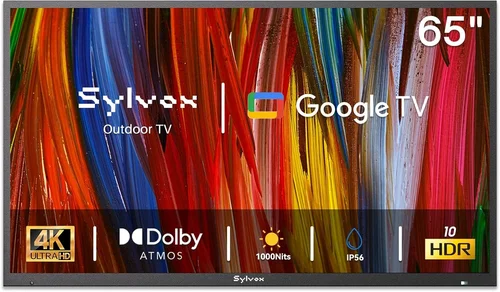
If you’ve ever tried watching a game, movie, or live concert on your phone while grilling in the backyard, you know how frustrating it can be. The screen is too small, the glare from the sun washes everything out, and you’re constantly adjusting your position just to see what’s happening. That’s where a budget backyard TV comes in—a smart, practical upgrade that transforms your outdoor space into a true entertainment zone without breaking the bank.
Whether you’re hosting summer barbecues, enjoying quiet evenings under the stars, or setting up a makeshift outdoor cinema for friends and family, having a dedicated outdoor TV makes all the difference. But here’s the catch: not all TVs are built for the elements. Sunlight, humidity, temperature swings, and even bugs can wreak havoc on standard indoor models. That’s why choosing the right budget-friendly outdoor TV requires more than just picking the cheapest option on Amazon. You need something durable, bright enough to combat daylight, and equipped with features that enhance your outdoor viewing experience.
This guide is designed to help you navigate the often-confusing world of outdoor televisions without overspending. We’ll walk you through the essential factors to consider, compare different types of outdoor TVs, highlight common pitfalls, and give you expert-backed recommendations based on real-world performance and value. By the end, you’ll know exactly what to look for—and what to avoid—so you can enjoy crisp, clear visuals in your backyard for years to come.
The market for outdoor TVs has exploded in recent years, driven by rising demand for outdoor living spaces and smart home integration. What used to be a niche category dominated by ultra-expensive, fully sealed commercial-grade units now includes a growing number of affordable, consumer-friendly options. Brands like SunBrite, Seura, and even mainstream manufacturers like Samsung and LG have introduced outdoor-ready models at various price points. Meanwhile, innovative solutions like weatherproof TV enclosures and portable outdoor displays have opened up new possibilities for budget-conscious buyers.
But with so many choices—and so much marketing hype—it’s easy to get overwhelmed. Some “outdoor” TVs are little more than indoor models slapped into a plastic case, while others boast impressive brightness and durability but come with a steep price tag. Our goal is to cut through the noise and give you honest, actionable advice tailored specifically to backyard use. Whether you’re looking for a permanent wall-mounted setup above your outdoor bar or a portable screen you can move around your patio, this guide will help you find the perfect balance of performance, protection, and price.

What to Look for When Buying Buying Guide
1. Brightness & Display Performance
One of the most critical factors for any outdoor TV is brightness—measured in nits. Indoor TVs typically range from 250 to 500 nits, which is fine for dimly lit living rooms but completely inadequate under direct sunlight. For outdoor use, especially near an outdoor bar where ambient light is high, you’ll want a display that delivers at least 700 nits, with 1000+ nits being ideal for full sun exposure.
Look for TVs labeled as “high-brightness” or “sunlight-readable.” These models use enhanced backlighting and anti-reflective coatings to maintain image clarity even during midday. OLED screens, while stunning indoors, often struggle outdoors due to lower peak brightness compared to QLED or high-end LED panels. If you’re considering a budget model, check user reviews for real-world brightness performance—spec sheets can be misleading.
Also pay attention to contrast ratio and color accuracy. A TV might be bright, but if colors look washed out or blacks appear gray, the viewing experience suffers. Many budget outdoor TVs now include HDR (High Dynamic Range) support, which improves shadow detail and color vibrancy. However, HDR only works well if the TV has sufficient brightness, so don’t assume HDR automatically means better outdoor performance.
2. Weather Resistance & Build Quality
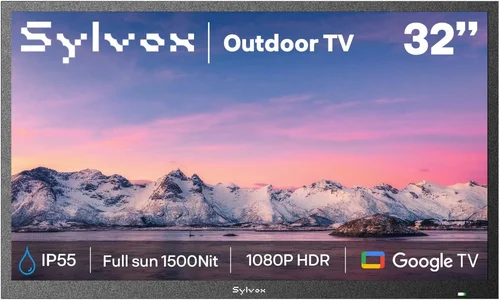
Outdoor TVs must withstand rain, dust, humidity, and temperature extremes—conditions that would quickly destroy a standard indoor television. Look for models with an IP (Ingress Protection) rating of at least IP55, which means they’re protected against dust and low-pressure water jets from any direction. For areas with heavy rain or snow, IP65 or higher is preferable.
But don’t stop at the IP rating. Examine the materials used in the chassis and screen. Aluminum or powder-coated steel enclosures resist rust and corrosion far better than plastic. The screen itself should be made of tempered glass with an anti-glare coating to reduce reflections and improve durability. Avoid TVs with exposed vents or unsealed ports—these are entry points for moisture and insects.
Some budget outdoor TVs are actually indoor models sold with optional weatherproof covers. While these can work in covered patios or screened-in porches, they’re not suitable for fully exposed areas. If you go this route, ensure the cover is UV-resistant, breathable (to prevent condensation), and securely fastened.
3. Size & Viewing Distance
Choosing the right screen size depends on how far viewers will be sitting from the TV. For an outdoor bar setup, where people may be standing or sitting within 6–10 feet, a 43-inch to 55-inch screen is usually ideal. Larger screens (65 inches and up) are great for bigger gatherings but require more mounting space and may overwhelm a small patio.
Use the 1.5x rule as a guideline: multiply your viewing distance (in inches) by 1.5 to get the recommended screen size. So, if your bar stools are 8 feet (96 inches) away, a 55-inch TV (96 ÷ 1.5 ≈ 64 inches diagonal) would be comfortable. But remember—outdoor viewing often involves movement and varying angles, so slightly larger screens can enhance immersion without causing eye strain.
Portability is another consideration. If you plan to move the TV between your deck, poolside, and garage, look for lightweight models with built-in handles or compatible rolling stands. Fixed installations are more secure but less flexible.
4. Connectivity & Smart Features
Even on a budget, you’ll want a TV that supports modern connectivity options. HDMI ports (at least two, preferably HDMI 2.0 or higher) are essential for streaming devices, gaming consoles, or cable boxes. USB ports allow you to play media directly from flash drives, while Ethernet and Wi-Fi enable smart functionality.
Most budget outdoor TVs now come with built-in smart platforms like Roku TV, Android TV, or webOS. These let you stream Netflix, YouTube, Hulu, and more without needing an external box. However, verify that the OS receives regular updates—some cheaper models run outdated software that becomes buggy or insecure over time.
Audio is often overlooked but crucial outdoors, where ambient noise (wind, traffic, chatter) can drown out dialogue. While built-in speakers on budget TVs are usually weak, many models support Bluetooth audio output or have audio return channel (ARC) via HDMI, allowing you to connect external speakers or a soundbar. Consider investing in weatherproof outdoor speakers for a richer experience.
5. Power Consumption & Energy Efficiency
Outdoor TVs often run for extended periods—during parties, sports events, or movie nights—so energy efficiency matters. Look for models with ENERGY STAR certification, which indicates lower power usage without sacrificing performance. LED-backlit LCDs are generally more efficient than older plasma or CCFL models.
Check the wattage rating in the specs. A typical 50-inch LED TV uses around 60–100 watts, but high-brightness outdoor models can draw more. If you’re wiring the TV into a permanent outdoor setup, consult an electrician to ensure your circuit can handle the load, especially if you’re also powering lights, a mini-fridge, or a sound system.
Some smart TVs include ambient light sensors that automatically adjust brightness based on surroundings, saving energy when full brightness isn’t needed (e.g., at night). This feature can extend bulb life and reduce electricity costs over time.
6. Mounting & Installation Flexibility
How you plan to mount your TV affects both safety and usability. Wall mounts are common for outdoor bars, but ensure your wall or beam can support the weight—especially in windy areas. Use marine-grade stainless steel hardware and lag bolts rated for outdoor use.
Tilt and swivel mounts offer better viewing angles, particularly if your bar has uneven seating. Full-motion articulating arms allow you to pull the TV closer or angle it away from glare. For temporary setups, consider a heavy-duty tripod or rolling stand with locking wheels.
If you’re installing near a pool or grill, maintain at least 3 feet of clearance from water sources and heat. Also, route cables through conduit or use wireless solutions to prevent tripping hazards and water damage.
7. Brand Reputation & User Reviews
Not all budget brands are created equal. Stick with manufacturers known for reliability and customer service. SunBrite (by Sylvane) specializes in outdoor TVs and offers solid mid-range options. Seura focuses on luxury outdoor displays but has entry-level lines. Mainstream brands like Samsung, LG, and TCL now offer “outdoor-compatible” models that balance affordability and quality.
Read verified purchaser reviews on sites like Amazon, Best Buy, and Home Depot. Pay attention to comments about long-term durability, customer support responsiveness, and real-world brightness. Be wary of generic brands with no service network—if something breaks, you may be stuck with a costly repair or replacement.
8. Warranty & Support
Outdoor electronics are more prone to failure due to environmental stress, so a strong warranty is non-negotiable. Aim for at least a 2-year manufacturer warranty, with coverage for both parts and labor. Some brands offer extended warranties specifically for outdoor use.
Check if the company provides local service centers or mail-in repair options. Avoid brands that require you to ship the entire TV for minor issues—this can take weeks and leave you without entertainment. Also, confirm whether the warranty is voided if you install the TV yourself (most aren’t, but it’s worth verifying).
Different Types of Buying Guide

Common Buying Mistakes to Avoid
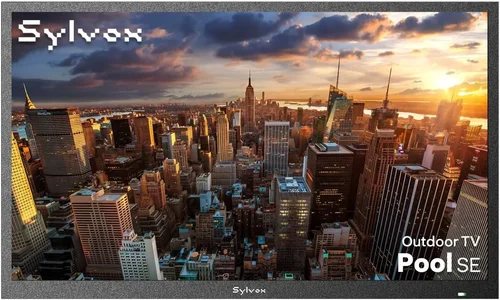
❌ Mistake: Buying a Standard Indoor TV for Outdoor Use
Why it’s bad: Indoor TVs lack weatherproofing, have low brightness, and are not designed to handle temperature fluctuations. Even under a covered patio, condensation and humidity can cause internal corrosion, leading to premature failure.
What to do instead: Invest in a purpose-built outdoor TV or use a high-quality weatherproof enclosure rated for your climate. If budget is tight, choose an indoor TV with an IP65-rated enclosure from a reputable brand like Peerless or VIVO.
❌ Mistake: Ignoring Sunlight Readability
Why it’s bad: A dim screen turns your backyard TV into a useless black mirror during daylight hours. You’ll constantly reposition chairs or squint to see the action.
What to do instead: Prioritize brightness (700+ nits) and anti-glare coatings. Watch demo videos under bright lights before purchasing, and read reviews that mention daytime visibility.
❌ Mistake: Overlooking Audio Needs
Why it’s bad: Built-in TV speakers are rarely loud or clear enough for outdoor environments. Wind, music, and conversation can easily drown out dialogue.
What to do instead: Pair your TV with weather-resistant outdoor speakers or a Bluetooth soundbar. Look for models with optical audio output or HDMI ARC for easy connectivity.
❌ Mistake: Skimping on Mounting Hardware
Why it’s bad: Cheap mounts can rust, loosen, or fail in high winds, potentially causing the TV to fall and injure someone or damage property.
What to do instead: Use marine-grade stainless steel brackets and bolts. For wall mounts, ensure they’re anchored into studs or solid masonry—not just drywall or siding.
❌ Mistake: Not Planning for Cable Management
Why it’s bad: Exposed wires are tripping hazards and vulnerable to water damage, chewing pests, and UV degradation.
What to do instead: Run cables through waterproof conduit or use wireless streaming devices (like Apple TV or Roku Ultra) to minimize wiring. Label all connections for easy troubleshooting.
❌ Mistake: Assuming All “Outdoor” Labels Are Equal
Why it’s bad: Some retailers market indoor TVs as “outdoor-ready” simply because they come with a basic cover. These often lack proper ventilation, leading to overheating.
What to do instead: Verify the IP rating, check for active cooling (if needed), and confirm the product is designed for continuous outdoor exposure—not just occasional use.
❌ Mistake: Forgetting About Power Source Accessibility
Why it’s bad: Running extension cords across your patio creates safety risks and looks messy. Without a nearby outlet, you may need costly electrical work.
What to do instead: Plan your TV location during the design phase of your outdoor bar. Install a GFCI-protected outdoor outlet within 6 feet of the mounting spot, preferably under cover.
Budget Guidelines: How Much Should You Spend?
Entry-Level ($400–$700): This tier includes indoor TVs paired with basic weatherproof enclosures or low-cost portable outdoor displays. Expect 43–50 inch screens, 500–700 nits brightness, and limited smart features. Best for covered patios with minimal sun exposure. Brands like TCL and Hisense offer good value here, especially when bundled with a third-party enclosure.
Mid-Range ($700–$1,500): The sweet spot for most backyard bars. You’ll find fully sealed outdoor TVs from SunBrite Veranda series, Samsung’s outdoor-compatible QLEDs, or high-brightness LG models. These deliver 800–1,200 nits, IP55+ ratings, robust smart platforms, and better audio. Ideal for semi-exposed areas like decks with partial shade.
Premium ($1,500–$3,000): For enthusiasts who want top-tier performance and longevity. Think SunBrite Pro series, Seura Shadow, or custom-installed commercial units. These offer 1,500+ nits, extreme temperature tolerance (-30°F to 140°F), advanced anti-reflective coatings, and professional-grade warranties. Perfect for full sun exposure or harsh climates.
Luxury ($3,000+): Reserved for luxury homes, resorts, or commercial venues. These include ultra-bright 4K HDR displays, integrated heating/cooling systems, and concierge-level support. While overkill for most homeowners, they’re worth considering if you host large events regularly.
Expert Tips for Getting the Best Deal
1. Shop During Off-Season Sales: Outdoor TVs see peak demand in spring and summer. Buy in late fall or winter (November–February) when retailers clear inventory. Black Friday and Cyber Monday often feature deep discounts on last year’s models.
2. Consider Refurbished or Open-Box Units: Certified refurbished outdoor TVs from manufacturers like SunBrite come with full warranties and can save you 20–40%. Open-box deals at Best Buy or Costco are also reliable if inspected thoroughly.
3. Bundle with Accessories: Some retailers offer package deals that include mounts, cables, or speakers at a reduced rate. Compare total costs—sometimes bundling saves more than buying separately.
4. Check Local Utility Rebates: In some regions, energy-efficient outdoor electronics qualify for rebates. Contact your utility company to see if ENERGY STAR-certified TVs are eligible.
5. Negotiate Installation Services: If you’re hiring an electrician or AV installer, ask if they offer discounts when purchasing the TV through them. Many pros have partnerships with brands and can pass savings to you.
6. Read the Fine Print on Returns: Outdoor TVs often have stricter return policies due to their specialized nature. Ensure you have at least 30 days to test the unit in your actual environment before committing.
7. Use Price Tracking Tools: Set alerts on CamelCamelCamel (for Amazon) or Honey to monitor price drops. Outdoor TVs rarely fluctuate daily, but seasonal trends are predictable.
8. Leverage Credit Card Perks: Some cards offer extended warranties or purchase protection. Paying with the right card can effectively double your coverage period at no extra cost.

Frequently Asked Questions
Q: Can I use a regular TV outside if it’s under a roof?
A: It depends on the coverage. If your outdoor bar is fully enclosed or has a solid roof with walls (like a screened porch), a high-brightness indoor TV with a weatherproof enclosure can work. However, if it’s open to rain, wind, or direct sun, you risk moisture damage, overheating, and poor visibility. Always check the IP rating of any enclosure and ensure proper ventilation.
Q: Do outdoor TVs need special power outlets?
A: Not necessarily, but they should be plugged into a GFCI (Ground Fault Circuit Interrupter) outlet for safety, especially near water sources. Standard 120V outlets are fine, but avoid daisy-chaining multiple high-wattage devices on the same circuit.
Q: How do I clean an outdoor TV screen?
A: Use a microfiber cloth and a mild solution of distilled water and isopropyl alcohol (50/50 mix). Never spray liquid directly on the screen—apply it to the cloth first. Avoid ammonia-based cleaners like Windex, which can damage anti-reflective coatings.
Q: Will an outdoor TV work in winter?
A: Most consumer outdoor TVs operate safely between -4°F and 122°F. If you live in an area with extreme cold, choose a model with a heated bezel or internal heater (common in premium units). Never power on a frozen TV—let it acclimate to room temperature first.
Q: Can I stream content wirelessly to an outdoor TV?
A: Yes, if the TV has built-in Wi-Fi and supports casting (Chromecast, AirPlay, Miracast). For better reliability, consider a dedicated outdoor Wi-Fi extender to boost signal strength in your backyard.
Q: Are outdoor TVs worth the extra cost?
A: Absolutely—if you use your outdoor space regularly. The durability, brightness, and peace of mind outweigh the upfront investment. A $1,000 outdoor TV that lasts 8–10 years is far more cost-effective than replacing a $500 indoor TV every 2–3 years due to weather damage.
Q: What’s the difference between “weather-resistant” and “weatherproof”?
A: “Weather-resistant” means the TV can handle light moisture and dust but isn’t fully sealed. “Weatherproof” (or “fully sealed”) indicates complete protection against rain, snow, and debris, typically with an IP65 or higher rating. For backyard bars, aim for weatherproof.
Q: Can I mount an outdoor TV on a pergola?
A: Only if the pergola is structurally sound and the mounting point can support the TV’s weight plus wind load. Use a reinforced beam or cross-member, and avoid mounting on lattice or thin wood. When in doubt, consult a contractor.
Q: Do outdoor TVs come with remotes that work in the sun?
A: Most standard IR remotes struggle in bright light. Look for models with Bluetooth remotes (like Roku or Android TV) or consider a universal remote with RF capability that doesn’t require line-of-sight.
Q: How long do outdoor TVs typically last?
A: With proper installation and maintenance, a quality outdoor TV should last 7–10 years. Fully sealed models tend to outlast enclosure-based setups because there are no gaps for moisture to seep into.
Our Final Recommendations
Best for Budget-Conscious Buyers: TCL 50S546 50-inch QLED + Peerless-AV Outdoor Enclosure
This combo delivers excellent 4K HDR performance, 700+ nits brightness, and reliable smart features for under $700. The enclosure is IP65-rated and includes ventilation fans. Ideal for covered patios.
Best Overall Value: SunBrite Veranda Series 55-inch 4K UHD Outdoor TV
Priced around $1,200, this fully sealed model offers 1,000 nits brightness, IP55 rating, and built-in Roku. It’s plug-and-play, requires no additional enclosure, and performs beautifully in partial sun.
Best Premium Option: SunBrite Pro 2 Series 65-inch
At $2,800, this is a beast—1,500 nits, anti-reflective glass, wide operating temperature range, and commercial-grade durability. Perfect for full sun exposure and large gatherings.
Best for Beginners: LG 43UR7300 43-inch + VIVO Outdoor TV Cover
A simple, affordable entry point. The LG TV is bright and smart, while the VIVO cover provides decent protection for under $600 total. Great for learning your outdoor viewing preferences.
Best for Advanced Users: Samsung The Terrace 65-inch Full Sun
Samsung’s flagship outdoor TV boasts 2,000 nits, anti-glare coating, and seamless integration with SmartThings. At $3,500, it’s pricey but unmatched in performance and design.
Conclusion: Making the Right Choice
Choosing the right budget backyard TV isn’t just about finding the cheapest option—it’s about matching your specific needs, environment, and usage patterns to a product that delivers reliable performance year after year. From brightness and weather resistance to smart features and mounting flexibility, every factor plays a role in your long-term satisfaction.
Remember, your outdoor bar is an extension of your home—a place for connection, relaxation, and celebration. The right TV enhances those moments, turning casual hangouts into memorable experiences. Don’t let false economies or marketing gimmicks steer you wrong. Prioritize durability, visibility, and ease of use, and you’ll enjoy countless hours of entertainment under the open sky.
Take the time to assess your space, set a realistic budget, and read real user feedback. Use the tips and recommendations in this guide to narrow your options and avoid costly mistakes. And when you do make your purchase, install it safely, maintain it regularly, and pair it with quality audio for the full effect.
Your perfect backyard TV is out there—affordable, capable, and built to last. Now go enjoy it.

