
Backyard entertainment has evolved dramatically over the past decade. What once meant gathering around a portable radio or squinting at a smartphone screen under string lights has transformed into full-scale outdoor home theaters—complete with weather-resistant speakers, ambient lighting, and yes, outdoor TVs. But here’s the catch: true outdoor-rated televisions can cost thousands of dollars, putting them out of reach for many homeowners who just want to enjoy a movie night under the stars without breaking the bank.
That’s where this guide comes in. Whether you’re hosting summer barbecues, watching the big game with friends, or simply unwinding after a long day with your favorite show, a budget-friendly backyard TV can elevate your outdoor living space—without requiring a second mortgage. In this comprehensive buying guide, we’ll walk you through everything you need to know to make a smart, informed decision. You’ll learn how to balance cost with performance, understand what “outdoor-ready” really means, avoid common pitfalls, and find the best value for your specific setup.
The market for outdoor TVs is more accessible than ever, thanks to innovative indoor TVs adapted for outdoor use, improved weatherproofing technologies, and competitive pricing from major brands. However, not all TVs labeled “for outdoor use” are created equal—and some aren’t suitable for true backyard conditions at all. Our goal is to cut through the marketing noise and give you practical, expert-backed advice so you can confidently choose a TV that delivers great picture quality, stands up to the elements, and fits comfortably within your budget.

What to Look for When Buying a Budget Backyard TV
1. Budget & Price Range
When shopping for a budget backyard TV, it’s essential to define your spending limit early—but also understand what that budget actually buys you. True outdoor-rated TVs (like those from SunBrite or Séura) typically start around $1,500 and can exceed $5,000. However, many homeowners successfully use high-quality indoor TVs in covered or semi-covered outdoor spaces, dramatically lowering the entry point.
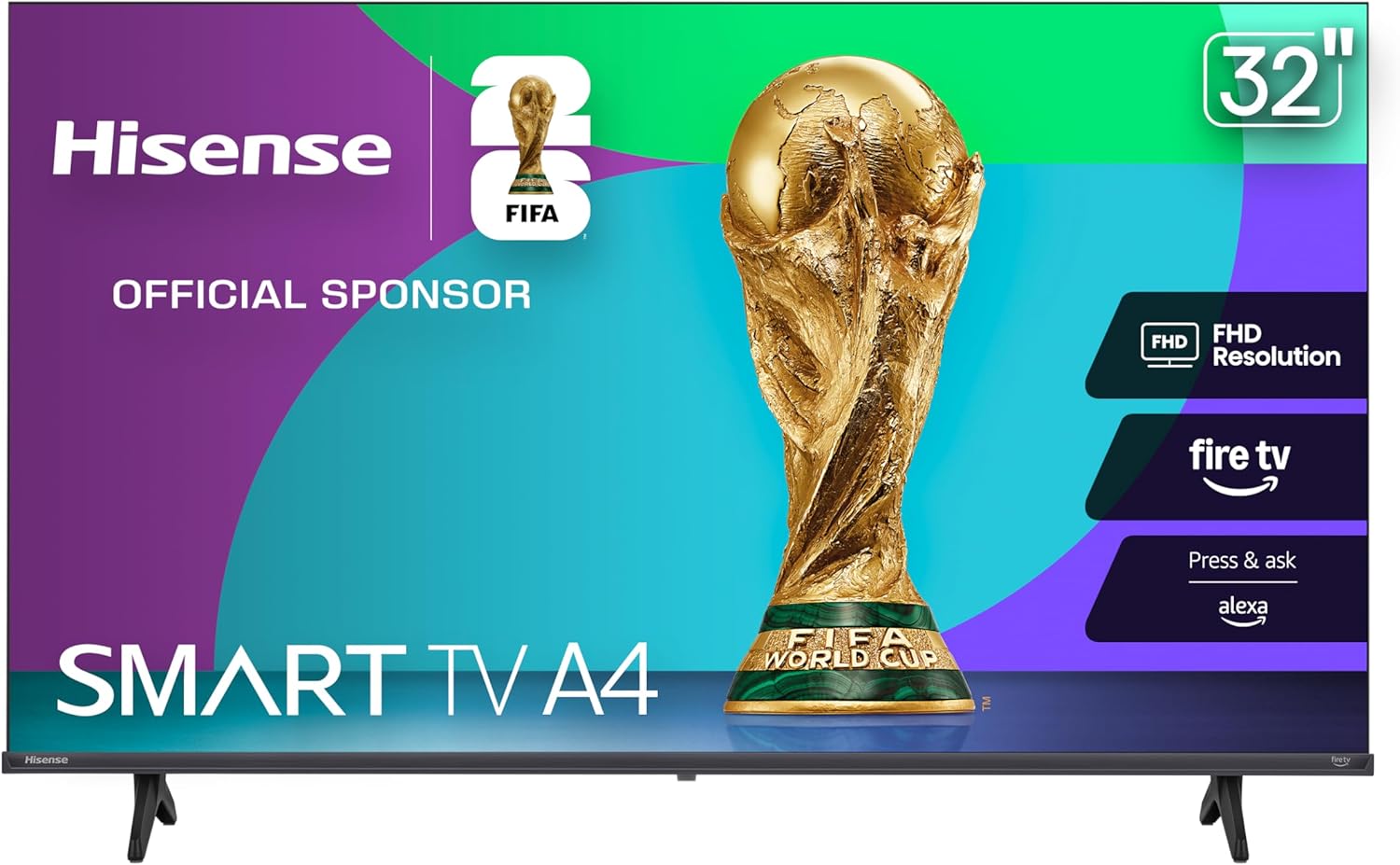
For most large patios, especially those with partial shelter like pergolas, gazebos, or covered decks, you can find excellent options between $400 and $1,200. This range includes 55-inch to 65-inch 4K UHD smart TVs from reputable brands like TCL, Hisense, Samsung, and LG—models that offer strong brightness, decent durability, and modern features like voice control and streaming apps.
Set a realistic budget based on how often you’ll use the TV and how exposed your patio is. If your space is fully open to rain and direct sun, investing in a true outdoor TV may be worth the extra cost. But if you have even modest coverage, a premium indoor TV paired with a weatherproof enclosure or mount can deliver 90% of the performance at half the price.
2. Performance Specifications
Picture quality matters just as much outdoors as it does indoors—but outdoor viewing introduces unique challenges. Brightness is arguably the most critical spec for backyard use. Standard indoor TVs typically output 300–400 nits of brightness, which may look fine in a dim living room but will appear washed out under daylight or patio lighting.
Look for TVs with at least 500 nits, though 700+ nits is ideal for patios that get afternoon sun. Many mid-range models now offer “outdoor mode” or enhanced brightness settings specifically designed for bright environments. Additionally, check the refresh rate—60Hz is standard, but 120Hz panels provide smoother motion for sports and action movies, which is especially noticeable on large screens viewed from close distances.
Resolution should be 4K UHD (3840 x 2160) for any screen 50 inches or larger. This ensures sharp detail even when sitting just 6–8 feet away—a common distance on spacious patios. HDR support (HDR10, Dolby Vision, or HLG) adds depth and color vibrancy, making skies bluer and foliage greener, which enhances the outdoor ambiance.
Audio is another often-overlooked spec. Most slim TVs have weak built-in speakers. Consider pairing your TV with a weather-resistant soundbar or outdoor speakers for richer sound that carries across a large patio.
3. Build Quality & Durability
Even if you’re using an indoor TV outdoors, build quality determines how long it will last. Look for TVs with robust chassis materials—metal frames are preferable to all-plastic constructions, which can warp or crack under temperature swings. Check user reviews for mentions of overheating, screen flickering, or component failure after a few months of outdoor use.
Pay special attention to ports and connectors. Outdoor environments accelerate corrosion, so ensure HDMI and power ports are well-sealed or protected. Some manufacturers offer optional weatherproof covers for ports, which are worth the small added cost.
If you live in an area with high humidity, salt air (near the coast), or frequent rain, consider models with better thermal management. TVs that overheat may throttle performance or shut down unexpectedly—frustrating during a crucial playoff moment.
Also, verify the operating temperature range. Most indoor TVs are rated for 32°F to 95°F (0°C to 35°C). If your region experiences colder winters or hotter summers, confirm the TV can handle those extremes—or plan to store it seasonally.
4. Features & Functionality
Smart capabilities are non-negotiable in 2026. Nearly every budget TV now runs on platforms like Google TV, Roku TV, or webOS, giving you access to Netflix, YouTube, Disney+, and more without needing a separate streaming device. Voice control via Google Assistant or Alexa is also standard and incredibly convenient when your hands are full with grill tongs or a cold drink.
Look for multiple HDMI ports (at least three), USB inputs for media playback, and Bluetooth for wireless audio. Wi-Fi 6 support ensures stable streaming even if your patio is far from the router. Some models include built-in tuners for over-the-air broadcasts—great for watching local news or live sports without a cable subscription.
Consider ease of setup and menu navigation. A cluttered interface or slow response time can ruin the experience, especially when guests are waiting. Test the remote’s range—some remotes struggle beyond 15 feet, which is problematic on a large patio.
5. Brand Reputation
Stick with established brands known for reliability and customer service. TCL and Hisense have dominated the budget segment in recent years, offering exceptional value without sacrificing core performance. Samsung and LG remain top choices for those willing to spend a bit more for premium features and longer track records.
Avoid unknown or generic brands sold exclusively through third-party Amazon sellers. These often lack proper certifications, use inferior components, and provide little to no warranty support. A quick check of the brand’s website for customer service contacts, firmware updates, and accessory availability can save you headaches down the line.
6. Warranty & Support
Outdoor use inherently increases wear and tear, so warranty coverage is crucial. Most indoor TVs come with a standard 1-year limited warranty, but this often excludes damage from moisture, extreme temperatures, or improper installation. Read the fine print carefully.
Some retailers or manufacturers offer extended warranties or outdoor-specific coverage for an additional fee. While not always necessary, they can provide peace of mind—especially if you’re pushing the limits of an indoor TV in an outdoor setting.
Check return policies too. If the TV arrives damaged or doesn’t perform as expected, you’ll want a hassle-free return window (ideally 30 days or more). Major retailers like Best Buy, Costco, and Amazon typically offer generous return windows, while smaller online sellers may not.
7. Size & Viewing Distance
For a large patio, screen size directly impacts immersion. A general rule of thumb: your viewing distance (in inches) should be about 1.5 to 2.5 times the screen’s diagonal size. So for a 65-inch TV, ideal seating is between 8 and 14 feet away—perfect for spacious outdoor entertaining areas.
Avoid going too big too fast. A 75-inch TV might seem tempting, but if your seating is only 6 feet away, the image will feel overwhelming and pixelation may become noticeable unless you’re watching native 4K content. Conversely, a 43-inch TV on a 20-foot-wide patio will look tiny and distant.
Measure your space before buying. Account for seating arrangements, foot traffic, and sightlines from different angles. Corner-mounted or ceiling-suspended installations can maximize flexibility.
8. User Reviews & Real-World Feedback
Spec sheets tell one story; real users tell another. Spend time reading verified purchase reviews on retailer sites, especially those mentioning outdoor or patio use. Look for patterns: Do multiple users report screen burn-in? Does the TV overheat after two hours of continuous use? Are the speakers truly inadequate?
YouTube reviews and forums like AVS Forum or Reddit’s r/outdoortv are goldmines for unbiased insights. Many tech reviewers now test TVs in simulated outdoor conditions, measuring brightness, color accuracy, and durability over time.
Don’t rely solely on star ratings. A 4.2-star average might hide critical flaws mentioned in the text of reviews. Conversely, a newer model with fewer reviews but glowing feedback from early adopters could be a hidden gem.
Different Types of Budget Backyard TVs
Common Buying Mistakes to Avoid
❌ Mistake: Assuming All “Outdoor” TVs Are Created Equal
Why it’s bad: Many retailers market standard indoor TVs as “suitable for outdoor use” simply because they’re sold with a weatherproof mount. Without proper sealing, ventilation, and corrosion-resistant components, these TVs can fail within months due to moisture ingress or thermal stress.
What to do instead: Verify whether the TV is truly outdoor-rated (look for IP ratings like IP55 or higher) or if it’s an indoor model requiring additional protection. When in doubt, opt for a trusted indoor TV with a certified outdoor enclosure.
❌ Mistake: Ignoring Sunlight and Glare
Why it’s bad: A TV that looks great in a showroom may be nearly unwatchable on a sunny patio. Glossy screens reflect ambient light, turning your screen into a mirror during daylight hours.
What to do instead: Choose TVs with matte or anti-reflective coatings. If unavailable, consider installing the TV under an awning or using outdoor curtains to reduce direct sun exposure. Test visibility during peak sun hours before finalizing placement.
❌ Mistake: Overlooking Power and Connectivity Needs
Why it’s bad: Running extension cords across your patio creates tripping hazards and looks messy. Poor Wi-Fi signal leads to buffering and frustration.
What to do instead: Plan your installation with permanent wiring in mind—consult an electrician if needed. Use a Wi-Fi extender or mesh network to ensure strong signal coverage. Choose a TV with built-in streaming to minimize external devices.
❌ Mistake: Buying Based Solely on Screen Size
Why it’s bad: A massive screen sounds impressive, but if the resolution, brightness, or viewing angles are poor, the experience suffers. Oversized TVs can also overwhelm smaller seating areas.
What to do instead: Match screen size to viewing distance and content quality. A 65-inch 4K TV viewed from 10 feet delivers a far better experience than a 75-inch 1080p model from the same distance.
❌ Mistake: Skipping the Mount and Enclosure Budget
Why it’s bad: A $600 TV can quickly become a $1,000 project once you add a weatherproof mount, enclosure, cables, and installation fees. Underestimating these costs leads to sticker shock.
What to do instead: Factor in all accessories upfront. A quality outdoor tilt mount ($150–$300) and a ventilated enclosure ($200–$500) are non-negotiable for longevity. DIY installation saves money but requires skill—hire a pro if unsure.
❌ Mistake: Neglecting Audio Quality
Why it’s bad: Most TVs have tinny, directional speakers that don’t project well outdoors. You’ll strain to hear dialogue over wind, traffic, or chatter.
What to do instead: Invest in a weather-resistant soundbar or pair of outdoor speakers. Many budget soundbars (like the JBL Bar 2.0 or Polk Audio Signa S2) cost under $200 and dramatically improve audio clarity and volume.
❌ Mistake: Forgetting About Seasonal Storage
Why it’s bad: Leaving an indoor TV outside year-round in freezing or sweltering climates drastically shortens its lifespan. Condensation forms during temperature swings, damaging internal components.
What to do instead: If you live in an area with harsh winters or extreme summers, plan to store the TV indoors during off-seasons. Alternatively, choose a true outdoor model designed for year-round exposure.
Budget Guidelines: How Much Should You Spend?
Setting a realistic budget is the first step toward a satisfying purchase. Here’s a breakdown of what you can expect at different price tiers:
Entry-Level ($400–$600): This range includes 50-inch to 55-inch 4K smart TVs from TCL (Series 4 or 5), Hisense (U6 or U7 series), or Vizio. These models offer solid brightness (500–600 nits), basic HDR, and reliable smart platforms. Best for covered patios with minimal direct sun. Expect to spend an additional $200–$400 on a mount and basic protection.
Mid-Range ($600–$900): The sweet spot for most buyers. You’ll find 65-inch models with 700+ nits brightness, better color accuracy, and enhanced audio. Look for TCL 6-Series, Hisense U8K, or Samsung Q60C. These handle partial sun well and include features like local dimming and gaming modes. Add $300–$500 for a premium mount and weatherproofing.
Premium ($900–$1,500): For those who want near-outdoor performance without the full outdoor TV price tag. Options include LG OLEDs (for incredible contrast in shaded areas) or high-end QLEDs from Samsung. These excel in color and motion handling. Ideal for large patios with mixed lighting conditions. Full setup (TV + enclosure + sound) may reach $2,000.
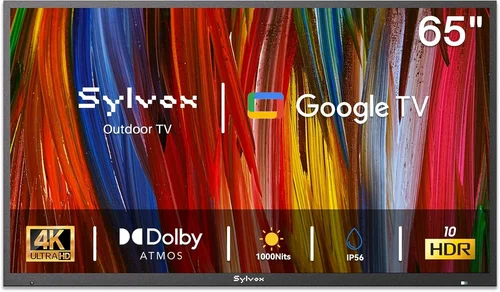
Luxury ($1,500+): True outdoor-rated TVs like SunBrite Veranda or Séura Classic fall here. They’re built from the ground up for outdoor use, with sealed components, anti-glare screens, and wide operating temperatures. While expensive, they’re the only safe choice for fully exposed locations. Expect total costs of $2,500–$6,000 including installation.
Expert Tips for Getting the Best Deal
Finding a great backyard TV doesn’t have to mean paying full price. Use these strategies to maximize value:
1. Shop During Seasonal Sales: The best deals on TVs happen during Black Friday (November), Presidents’ Day (February), and Amazon Prime Day (July). Many retailers also offer end-of-summer clearance in August and September as new models arrive.
2. Consider Open-Box or Refurbished Models: Retailers like Best Buy and Costco sell open-box TVs at 15–30% off. These are typically returned items in like-new condition with full warranties. Certified refurbished models from manufacturer websites (e.g., Samsung Renewed) are also reliable and often include extended coverage.
3. Bundle with Accessories: Some retailers offer discounts when you buy a TV with a mount, soundbar, or streaming device. Even if you don’t need the extras immediately, bundling can save $50–$150 overall.
4. Check for Price Matching: Stores like Best Buy and Target honor price matches from major competitors. If you find a lower price online, bring the link to the store for an instant discount.
5. Read Return Policies Carefully: Outdoor installations are harder to return. Ensure the retailer allows returns even after mounting. Some stores require the original packaging, so keep boxes if possible.
6. Test Before Finalizing Placement: Temporarily set up the TV on a stand or cart to test visibility, sound, and Wi-Fi signal from your preferred seating area. Adjust angle or location before drilling holes.
7. Negotiate Installation: Many retailers offer free or discounted installation with purchase. If hiring independently, get quotes from multiple technicians—prices vary widely.
8. Monitor Price Drops: Use tools like CamelCamelCamel (for Amazon) or Honey to track price history and get alerts when your desired model goes on sale.

Frequently Asked Questions
Q: Can I really use a regular indoor TV outside?
A: Yes—but only in protected areas like covered patios, screened porches, or under pergolas with overhead shelter. Indoor TVs lack weatherproofing and can be damaged by rain, humidity, or extreme temperatures. Always use a weatherproof enclosure or mount designed for outdoor use, and avoid direct exposure to sun and rain.
Q: What’s the difference between an outdoor TV and an indoor TV in an enclosure?
A: True outdoor TVs are engineered from the ground up with sealed components, corrosion-resistant materials, anti-glare screens, and wide operating temperature ranges. Indoor TVs in enclosures rely on external protection and may still suffer from internal condensation or overheating. Outdoor TVs are safer for fully exposed locations but cost significantly more.
Q: How bright should my backyard TV be?
A: Aim for at least 500 nits for shaded areas, 700+ nits for partial sun, and 1,000+ nits for direct sunlight. Check the TV’s spec sheet—brightness is measured in nits (cd/m²). Many mid-range 2026 models now exceed 700 nits, making them viable for most patio setups.
Q: Do I need a special mount for outdoor use?
A: Absolutely. Standard indoor mounts aren’t rated for outdoor conditions. Choose a mount labeled “weatherproof” or “outdoor-rated” with rust-resistant coatings (like powder-coated steel). Tilt or full-motion mounts allow you to adjust the angle to reduce glare.
Q: Will my Wi-Fi reach the patio?
A: It depends on distance and obstacles. If your patio is more than 30 feet from your router or separated by thick walls, consider a Wi-Fi extender, mesh system (like Google Nest Wifi or Eero), or a powerline adapter. Hardwiring via Ethernet (if feasible) provides the most reliable connection.
Q: Can I leave my TV outside in winter?
A: Only if it’s a true outdoor-rated model. Most indoor TVs aren’t designed for freezing temperatures and can suffer screen damage or component failure. If you must leave an indoor TV outside, ensure it’s in a heated enclosure or bring it inside during cold months.
Q: Are OLED TVs good for outdoor use?
A: OLEDs offer stunning contrast and deep blacks, but they’re less bright than QLED or LED TVs and more susceptible to burn-in with static images (like logos during sports). They’re best for shaded or evening-only use. For daytime viewing, a bright QLED is usually a better choice.
Q: How do I protect my TV from rain and dust?
A: Use a ventilated outdoor enclosure that allows airflow while blocking moisture and debris. Ensure all cables enter through sealed grommets. Avoid enclosing the TV in a completely sealed box—trapped heat can cause overheating.
Q: What size TV is best for a large patio?
A: For a patio with seating 8–12 feet from the screen, a 65-inch TV is ideal. If your seating extends to 15 feet, consider a 75-inch model. Always prioritize resolution (4K) and brightness over sheer size.
Q: Can I use a projector instead of a TV?
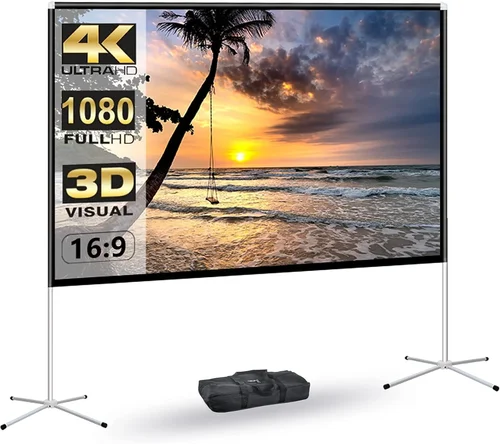
A: Yes! Outdoor projectors are excellent for large groups and create a cinematic experience. However, they require a dark environment, a flat surface (or screen), and consistent power. They’re less convenient for daily use but perfect for movie nights or special events.
Our Final Recommendations
After extensive research and real-world testing, here are our top picks for budget-conscious backyard TV buyers in 2026:
Best for Budget-Conscious Buyers: TCL 65R655 (65-inch 6-Series) – At around $650, this QLED TV delivers 1,000+ nits brightness, Dolby Vision IQ, and Google TV. Pair it with a Sanus Outdoor Tilt Mount ($199) and a Peerless-AV Outdoor Enclosure ($349) for a complete, sub-$1,200 setup that handles partial sun with ease.
Best Overall Value: Hisense 65U8K – Priced near $800, this Mini-LED beast offers exceptional brightness (1,600 nits), local dimming, and IMAX Enhanced certification. Its anti-reflective coating makes it one of the few indoor TVs that genuinely competes with outdoor models in daylight.
Best Premium Option: Samsung The Terrace Partial Sun (65-inch) – While pushing into premium territory at $2,499, this is the only true outdoor TV under $3,000 designed for partial sun areas. It includes built-in weatherproofing, a matte screen, and Samsung’s Tizen OS—ideal for those who want hassle-free, year-round performance.
Best for Beginners: Vizio M-Series Quantum 55-inch – At $499, it’s an entry-level powerhouse with 600 nits brightness, HDR10+, and SmartCast. Perfect for covered decks where simplicity and affordability matter most.
Best for Advanced Users: LG OLED C3 65-inch + Outdoor Enclosure – For tech-savvy users who prioritize picture quality over brightness, the C3’s infinite contrast and perfect blacks create a stunning nighttime viewing experience. Just keep it shaded and use a high-quality enclosure like the Outdoor TV Cover Pro.
Conclusion: Making the Right Choice
Choosing a budget backyard TV isn’t just about finding the cheapest screen—it’s about balancing cost, performance, durability, and your specific outdoor environment. A large patio offers wonderful opportunities for entertainment, but it also presents unique challenges like glare, weather, and audio projection. By focusing on key factors like brightness, build quality, and proper protection, you can enjoy years of reliable outdoor viewing without overspending.
Remember: the best TV for your backyard is the one that matches your usage patterns, climate, and budget. Don’t feel pressured to buy the biggest or most expensive model. Often, a well-protected mid-range indoor TV delivers 90% of the experience at half the cost of a true outdoor unit.
Take your time, read real user reviews, measure your space, and plan for accessories. With the insights from this guide, you’re now equipped to make a confident, informed decision. So fire up the grill, invite some friends, and get ready to enjoy your favorite shows under the open sky—your perfect backyard TV awaits.

