
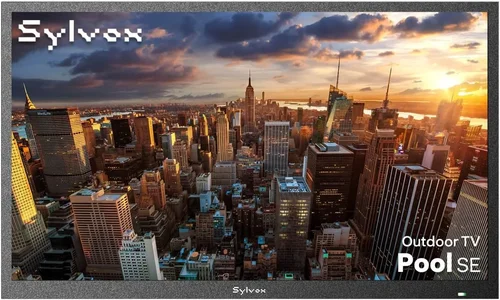
Outdoor kitchens have evolved from simple grilling stations into fully functional, year-round entertainment hubs. Whether you’re hosting a summer barbecue, watching the big game under the stars, or enjoying a quiet evening meal al fresco, having a reliable TV in your outdoor kitchen transforms the experience. But unlike indoor televisions, outdoor models face harsh conditions—direct sunlight, rain, humidity, temperature swings, and even dust or insects. That’s why choosing the right budget backyard TV isn’t just about finding the cheapest screen; it’s about balancing affordability with durability, performance, and smart design.
This comprehensive buying guide is designed to help you navigate the often-confusing world of outdoor TVs without overspending. We’ll break down everything you need to know—from key technical specs and build quality to real-world usability and hidden costs—so you can make a confident, informed decision. Whether you’re a first-time buyer or upgrading from an older model, this guide covers all the essentials. You’ll learn how to spot value, avoid common pitfalls, and find a TV that delivers great picture quality and long-term reliability, even on a tight budget.
The market for outdoor TVs has grown significantly in recent years, with more brands offering weather-resistant models at increasingly accessible price points. While premium brands like SunBrite and Samsung’s The Terrace still dominate the high-end segment, several budget-friendly alternatives now deliver impressive performance for under $1,000. These include repurposed indoor TVs with protective enclosures, semi-outdoor models rated for covered patios, and newer “all-weather” displays built specifically for outdoor use. Our goal is to help you understand the differences, weigh your options, and choose a solution that fits both your space and your wallet—without compromising too much on quality.

What to Look for When Buying a Budget Backyard TV
1. Weather Resistance & IP Rating
When it comes to outdoor electronics, weather resistance isn’t optional—it’s essential. Unlike indoor TVs, which operate in climate-controlled environments, outdoor models must withstand rain, snow, humidity, extreme heat, and cold. The first thing to check is the TV’s Ingress Protection (IP) rating, which indicates how well the device resists dust and moisture.
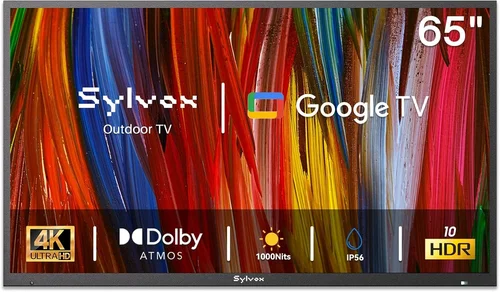
Look for a minimum IP55 rating, which means the TV is protected against low-pressure water jets from any direction and limited dust ingress. For fully exposed areas or regions with heavy rainfall, aim for IP65 or higher. Some budget models claim “weather-resistant” status but lack official IP certification—be wary of these. A true outdoor TV should have sealed ports, corrosion-resistant materials, and internal components shielded from condensation.
2. Brightness & Anti-Glare Performance
Sunlight is the enemy of screen visibility outdoors. A TV that looks great indoors can become nearly unwatchable in direct sunlight due to glare and low brightness. This is why outdoor TVs typically feature much higher brightness levels than their indoor counterparts.
For budget backyard TVs, aim for a minimum brightness of 700 nits (cd/m²). Anything below 500 nits will struggle in daylight, especially between 10 a.m. and 4 p.m. Many outdoor-specific models use high-brightness LED panels and anti-reflective coatings to combat glare. Some also include optical bonding—a process where the glass layer is fused directly to the display—to reduce internal reflections and improve clarity in bright conditions.
Keep in mind that higher brightness often means higher power consumption and potentially more heat generation. Look for models with efficient backlighting and thermal management systems to prevent overheating during long viewing sessions.
3. Build Quality & Durational Materials
Durability goes beyond just weatherproofing. The materials used in the TV’s construction play a major role in how well it holds up over time. Budget outdoor TVs should still feature robust builds—look for metal chassis or reinforced polymer frames rather than flimsy plastic housings.
Pay attention to the mounting system as well. Many outdoor TVs come with VESA-compatible backs for standard wall mounts, but ensure the mounting hardware is also weather-resistant. Stainless steel screws, rubber gaskets, and powder-coated brackets are signs of thoughtful design. Avoid models that rely solely on adhesive seals or thin plastic covers, as these can degrade quickly under UV exposure.
Additionally, check the placement of ventilation ports and input panels. These should be strategically located to prevent water pooling and allow for easy cable management. Some budget models include removable rear panels or cable routing channels to keep wires organized and protected.
4. Display Technology & Resolution
While 4K resolution is now standard even in budget TVs, not all 4K panels are created equal—especially for outdoor use. Look for LED-LCD displays with full-array local dimming (FALD) or at least edge-lit backlighting for better contrast and black levels. Avoid older or lower-tier TN (Twisted Nematic) panels, which have poor viewing angles and color accuracy.
For outdoor kitchens, where viewers may be seated at various angles around a grill or bar, IPS (In-Plane Switching) panels are preferable due to their wide viewing angles and consistent color reproduction. OLED TVs offer superior contrast and response times but are rarely found in true outdoor models due to their sensitivity to moisture and high cost.
Refresh rate is another consideration. A 60Hz panel is sufficient for most casual viewing, but if you plan to watch sports or fast-action content, a 120Hz refresh rate with motion interpolation can reduce blur and improve clarity. However, higher refresh rates often come at a premium, so balance this feature against your budget.
5. Smart Features & Connectivity
Modern outdoor TVs aren’t just dumb screens—they’re smart hubs that integrate with your home network and streaming services. Even on a budget, look for models with built-in Wi-Fi, Bluetooth, and support for popular platforms like Netflix, YouTube, Disney+, and Amazon Prime Video.
Check the operating system: Android TV, Roku TV, and webOS are user-friendly and regularly updated, while proprietary systems may lack app support or frequent updates. Voice control via Google Assistant or Alexa is a nice bonus, especially when your hands are busy cooking.
Connectivity is crucial. Ensure the TV has multiple HDMI ports (at least two, preferably three), USB inputs, and an Ethernet port for wired internet. Some models include weatherproof cable glands or pass-through ports to protect connections from the elements. If you plan to connect a soundbar, gaming console, or streaming device, verify compatibility and port placement.
6. Audio Quality & External Speaker Support
Most budget TVs—indoor or outdoor—have underwhelming built-in speakers. In an outdoor kitchen setting, ambient noise from grills, fans, wind, and conversation can drown out weak audio. While you can always add external speakers, it’s worth checking the TV’s audio output options.
Look for optical audio out, 3.5mm headphone jack, or HDMI ARC (Audio Return Channel) to connect to a soundbar or outdoor speaker system. Some models include basic stereo speakers with 10–20W output, which may be adequate for small patios but insufficient for larger gatherings.
If audio is a priority, consider allocating part of your budget to a weather-resistant soundbar or wireless outdoor speakers. Many brands offer bundled TV and audio packages at discounted rates, which can be more cost-effective than buying separately.
7. Size & Viewing Distance
Choosing the right screen size depends on your outdoor kitchen layout and typical viewing distance. A common mistake is selecting a TV that’s too small for the space or too large for comfortable viewing.
As a rule of thumb:
– For distances of 4–6 feet: 32″ to 43″
– For 6–8 feet: 50″ to 55″
– For 8–12 feet: 65″ or larger
However, outdoor environments often have more ambient light and less controlled seating, so err on the larger side if your budget allows. A 55″ TV viewed from 8 feet away will feel more immersive and be easier to read than a 43″ model.
Also consider the physical dimensions and weight. Larger screens require sturdier mounts and may need additional support, especially in windy areas. Measure your mounting space and ensure there’s room for ventilation and cable access.
8. Power Consumption & Energy Efficiency
Outdoor TVs often run for extended periods—during parties, game days, or evening relaxation—so energy efficiency matters. Higher brightness and larger screens consume more power, which can add up on your electricity bill over time.
Check the TV’s Energy Star rating or annual power consumption (measured in kWh). Many modern LED TVs are relatively efficient, but outdoor models with high-brightness panels may draw 100–200 watts under normal use. Compare models side by side and look for energy-saving features like automatic brightness adjustment based on ambient light.
Some budget TVs include sleep timers, motion sensors, or eco modes that reduce power when not in use. These small features can make a big difference in long-term savings.
9. Brand Reputation & Customer Support
Not all budget TV brands are equal. While you may be tempted by ultra-low prices from unknown manufacturers, consider the long-term implications. Established brands like LG, Sony, TCL, and Hisense offer better reliability, firmware updates, and customer service—even in their budget lines.
Research user reviews and professional ratings from trusted sources like CNET, RTINGS.com, or Consumer Reports. Pay attention to comments about durability, software stability, and post-purchase support. A TV that breaks down after six months isn’t a bargain, no matter how cheap it was.
Additionally, check if the brand offers outdoor-specific warranties or service plans. Some companies provide extended coverage for outdoor use, while others void warranties if the TV is installed outside. Always read the fine print.
10. Warranty & Return Policy
A solid warranty can save you hundreds in repair or replacement costs. Most budget outdoor TVs come with a 1-year limited warranty, but some brands offer 2–3 years, especially on weather-resistant models.
Look for warranties that cover both parts and labor, and confirm whether outdoor installation is included. Some manufacturers require professional installation to maintain warranty validity—factor this into your total cost.
Return policies are equally important. If the TV arrives damaged or doesn’t perform as expected, you’ll want a hassle-free return process. Retailers like Amazon, Best Buy, and Costco typically offer 30-day return windows, while specialty outdoor electronics stores may have stricter policies.
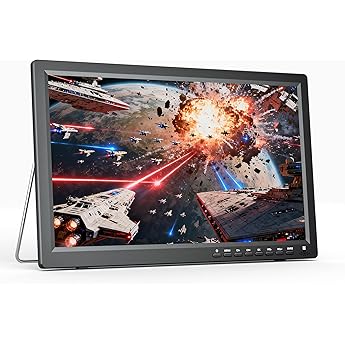
Different Types of Outdoor TVs
Common Buying Mistakes to Avoid
❌ Mistake: Buying a Standard Indoor TV for Outdoor Use
Why it’s bad: Indoor TVs are not designed to handle moisture, temperature extremes, or UV exposure. Even under a covered patio, condensation can form inside the panel, leading to fogging, corrosion, or permanent damage. Most manufacturers void warranties if used outdoors.
What to do instead: Either purchase a TV specifically rated for outdoor use or invest in a certified outdoor enclosure that provides full weather protection. The latter can be a cost-effective compromise for budget buyers.
❌ Mistake: Ignoring Brightness Requirements
Why it’s bad: A TV with low brightness (under 500 nits) will appear washed out in daylight, making it difficult to see details, especially during sports or action scenes. You’ll end up squinting or waiting for sunset to use it.
What to do instead: Prioritize models with at least 700 nits of brightness. Look for anti-glare coatings and optical bonding. If possible, view the TV in person or check video reviews that demonstrate outdoor performance.
❌ Mistake: Overlooking Mounting and Installation Costs
Why it’s bad: Many buyers focus only on the TV price and forget about mounting hardware, cables, surge protectors, and professional installation. These can add $100–$300 to your total cost.
What to do instead: Factor in all installation expenses before purchasing. Consider DIY mounting if you’re handy, but hire a professional for complex setups or high-mounted TVs. Use weatherproof conduit for cables.
❌ Mistake: Choosing the Wrong Screen Size
Why it’s bad: A TV that’s too small feels underwhelming and hard to see from a distance. One that’s too large can overwhelm the space and require costly structural support.
What to do instead: Measure your viewing distance and use a screen size calculator. When in doubt, go one size up—especially in bright outdoor settings where larger screens improve visibility.
❌ Mistake: Skipping Smart Features
Why it’s bad: Without built-in streaming apps, you’ll need to connect external devices like a Roku or Fire Stick. This adds clutter, extra cables, and potential points of failure—especially in wet conditions.
What to do instead: Choose a TV with a reliable smart platform. Even budget models now include decent app support. Ensure the OS receives regular updates to avoid security risks.
❌ Mistake: Neglecting Audio Needs
Why it’s bad: Weak built-in speakers won’t cut through outdoor noise. You’ll miss dialogue or have to crank the volume, which can distort sound and annoy neighbors.
What to do instead: Plan for external audio from the start. Invest in a weather-resistant soundbar or wireless outdoor speakers. Look for TVs with HDMI ARC or optical audio out for easy connection.
❌ Mistake: Not Checking Return and Warranty Policies
Why it’s bad: If the TV fails or doesn’t meet expectations, a restrictive return policy or voided warranty can leave you stuck with a defective product.
What to do instead: Buy from reputable retailers with clear return windows. Read warranty terms carefully—especially clauses about outdoor use. Consider extended protection plans if available.
Budget Guidelines: How Much Should You Spend?
Entry-Level ($300–$600): This range includes indoor TVs paired with basic outdoor enclosures or low-cost semi-outdoor models. Expect smaller screens (32″–43″), moderate brightness (500–700 nits), and limited smart features. Ideal for covered patios with minimal sun exposure. Best for occasional use or small spaces.
Mid-Range ($600–$1,200): The sweet spot for most buyers. You’ll find true outdoor-rated TVs with 50″–65″ screens, 700+ nits brightness, robust weatherproofing (IP55+), and full smart functionality. Brands like TCL, Hisense, and Vizio offer excellent value here. Suitable for partially covered or fully exposed areas with proper mounting.
Premium ($1,200–$2,500): For enthusiasts who want top-tier performance and durability. These models feature 4K HDR, high refresh rates, advanced cooling systems, and premium materials. Often include professional installation support and extended warranties. Best for large outdoor kitchens, pool decks, or commercial use.
Luxury ($2,500+): Top-tier all-weather displays from brands like SunBrite, Samsung, or Peerless. Built for 24/7 operation in extreme conditions, with brightness exceeding 2,500 nits, full IP66/67 ratings, and commercial-grade components. Overkill for most homeowners but ideal for high-end resorts or luxury estates.
Expert Tips for Getting the Best Deal
1. Shop During Seasonal Sales: The best time to buy an outdoor TV is during spring and early summer (March–June), when retailers promote outdoor living products. Black Friday and Cyber Monday also offer deep discounts, though selection may be limited.
2. Compare Total Cost of Ownership: Factor in installation, mounts, cables, and potential repairs. A cheaper TV with high maintenance costs isn’t a bargain. Look for all-in-one kits that include mounting hardware.
3. Buy from Specialty Outdoor Retailers: Stores like Outdoor Appliance World, Abt Electronics, or Crutchfield often have expert staff, bundled deals, and better return policies than big-box chains.
4. Consider Refurbished or Open-Box Models: Certified refurbished TVs from reputable sellers can save 20–40% off retail. Ensure they come with a warranty and have been tested for outdoor use.
5. Test Before You Buy (If Possible): Visit a showroom to see how the TV performs in bright conditions. Check for glare, color accuracy, and menu responsiveness. If shopping online, watch video reviews that simulate outdoor viewing.
6. Prioritize Long-Term Value Over Initial Price: A $700 TV that lasts 7 years is a better investment than a $400 model that fails in 2. Focus on build quality, brand reputation, and warranty coverage.
7. Use Price Tracking Tools: Set alerts on Amazon, Google Shopping, or CamelCamelCamel to monitor price drops. Many outdoor TVs fluctuate by $100–$200 throughout the year.
8. Bundle with Other Outdoor Gear: Some retailers offer discounts when you buy a TV with a grill, sound system, or patio furniture. Look for package deals during holiday sales.

Frequently Asked Questions
Q: Can I use a regular TV outdoors if it’s under a covered patio?
A: Technically yes, but it’s not recommended long-term. Even covered areas experience humidity, temperature swings, and dust. Over time, these factors can damage internal components. For true peace of mind, use an outdoor-rated TV or a certified enclosure.
Q: Do outdoor TVs need special mounting hardware?
A: Yes. Standard indoor mounts aren’t designed for outdoor conditions. Use weather-resistant, rust-proof mounts made of stainless steel or powder-coated aluminum. Ensure the mount is rated for the TV’s weight and includes tilt/swivel options if needed.
Q: How do I protect cables from the weather?
A: Use waterproof cable conduits, grommets, or pass-through ports. Run cables through walls or under decking when possible. Avoid leaving loose wires exposed to rain or UV light.
Q: Can I leave my outdoor TV on all the time?
A: Most outdoor TVs are designed for extended use, but continuous operation can reduce lifespan. Use a timer or smart plug to turn it off when not in use. Avoid leaving it on during thunderstorms or extreme weather.
Q: Are outdoor TVs energy efficient?
A: Modern LED outdoor TVs are relatively efficient, but high-brightness models consume more power. Look for Energy Star ratings and eco modes. On average, a 55″ outdoor TV uses 80–150 watts.
Q: What’s the difference between IP55 and IP65?
A: IP55 protects against low-pressure water jets and dust. IP65 offers the same water resistance but with complete dust protection (dust-tight). For most backyard kitchens, IP55 is sufficient unless the TV is fully exposed.
Q: Can I connect my outdoor TV to a sound system?
A: Absolutely. Use HDMI ARC, optical audio, or Bluetooth to connect to a soundbar or outdoor speakers. Ensure all connections are weatherproofed.
Q: Do outdoor TVs come with remotes that work in the sun?
A: Most standard IR remotes struggle in bright light. Look for models with RF (radio frequency) remotes or smartphone app control. Some include backlit buttons for nighttime use.
Q: How long do outdoor TVs typically last?
A: With proper care, a quality outdoor TV can last 5–10 years. Factors like climate, usage frequency, and maintenance play a big role. Regular cleaning and avoiding extreme temperatures help extend lifespan.
Q: Can I use a projector instead of a TV for my outdoor kitchen?
A: Projectors can work for large gatherings but struggle in daylight and require a dark surface. They’re less durable and harder to protect from weather. For everyday use in an outdoor kitchen, a TV is usually the better choice.
Our Final Recommendations
Best for Budget-Conscious Buyers: TCL 55″ 5-Series 4K QLED Outdoor TV ($699)
This model offers excellent brightness (750 nits), IP55 rating, and Roku TV built-in. Great for covered patios and delivers strong color accuracy at a competitive price.
Best Overall Value: Hisense 55″ U6H QLED Outdoor Smart TV ($849)
With 800 nits brightness, Dolby Vision, and a metal chassis, this TV balances performance, durability, and smart features. Ideal for semi-exposed outdoor kitchens.
Best Premium Option: SunBrite Veranda 55″ 4K UHD Outdoor TV ($1,899)
Built for full exposure, this all-weather model features 1,000+ nits brightness, anti-glare glass, and a 3-year warranty. Perfect for open decks or poolside setups.
Best for Beginners: Insignia 43″ F30 Series Outdoor-Ready TV ($429)
A simple, affordable option for small covered spaces. Includes basic smart features and decent brightness. Pair with a weatherproof enclosure for added protection.
Best for Advanced Users: Samsung The Terrace 65″ Full Sun Outdoor TV ($2,499)
Top-of-the-line performance with 2,500 nits brightness, anti-reflective coating, and seamless integration with Samsung’s ecosystem. Built for extreme conditions and professional use.
Conclusion: Making the Right Choice
Choosing the right budget backyard TV for your outdoor kitchen doesn’t have to be overwhelming. By focusing on key factors like weather resistance, brightness, build quality, and smart features, you can find a model that delivers great performance without breaking the bank. Remember, the cheapest option isn’t always the best value—invest in durability and reliability to avoid costly replacements down the road.
Start by assessing your specific needs: How exposed is your space? How far will viewers be seated? Do you need advanced smart features or just basic streaming? Use this guide to narrow your options, compare models, and avoid common pitfalls. And don’t forget to factor in installation, audio, and long-term maintenance.
Whether you’re grilling burgers on a Sunday afternoon or hosting a movie night under the stars, the right outdoor TV will enhance every moment. With the insights and recommendations in this guide, you’re well-equipped to make a smart, confident purchase. So go ahead—upgrade your outdoor kitchen, enjoy your favorite shows in the fresh air, and make the most of your backyard oasis.

