
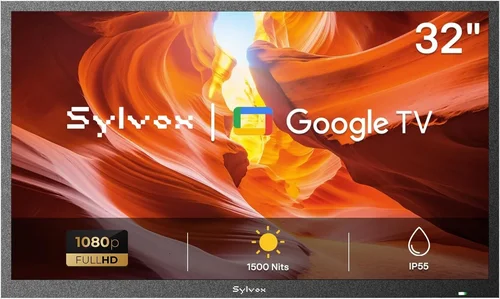
Summer parties are all about good vibes, great food, and unforgettable moments under the sun—or stars. But what happens when your outdoor entertainment setup falls short? A regular TV might survive a light breeze, but it won’t stand up to humidity, sudden rain, intense sunlight, or even accidental splashes from the pool. That’s where a weatherproof TV comes in. Designed specifically for outdoor use, these rugged displays deliver stunning picture quality while standing strong against the elements.
In this comprehensive buying guide, we’ll walk you through everything you need to know to choose the best weatherproof TV for your summer gatherings. Whether you’re hosting backyard barbecues, watching the big game by the pool, or setting up a cozy outdoor movie night, the right TV can elevate your experience. We’ll cover critical factors like durability ratings, brightness levels, connectivity options, and more—so you can make an informed decision that fits both your lifestyle and your budget.
The market for outdoor TVs has exploded in recent years, with major brands like Samsung, LG, Sony, and specialized manufacturers such as SunBriteTV and Seura leading the charge. These aren’t just regular TVs shoved into weatherproof enclosures—they’re engineered from the ground up for outdoor performance. From anti-glare screens to temperature-regulated internal components, today’s weatherproof TVs offer features that would’ve seemed like science fiction just a decade ago. By the end of this guide, you’ll know exactly what to look for, which models deliver the best value, and how to avoid common pitfalls that could leave you with a costly paperweight.

What to Look for When Buying Buying Guide
1. IP Rating & Weather Resistance
The first and most crucial factor when choosing a weatherproof TV is its Ingress Protection (IP) rating. This international standard tells you exactly how well the TV resists dust and water. For outdoor use, you’ll want at least an IP55 rating—this means the TV is protected against dust ingress (limited) and low-pressure water jets from any direction. However, for full outdoor exposure—especially near pools, patios, or in areas with heavy rainfall—an IP65 or higher rating is strongly recommended. IP65 ensures complete protection against dust and powerful water jets, making it ideal for year-round outdoor installation.
Don’t confuse IP ratings with marketing terms like “weather-resistant” or “outdoor-ready.” Those labels are often vague and unregulated. Always check the official IP code. For example, a TV with an IP66 rating offers even better water protection than IP65, suitable for coastal environments or regions with frequent storms. Also, consider whether the TV includes additional sealing around ports, vents, and the screen itself. Some premium models feature fully sealed casings with no external vents, preventing moisture and insects from entering.
2. Screen Brightness & Anti-Glare Technology
Outdoor viewing presents unique challenges—chief among them is glare from direct sunlight. A typical indoor TV peaks at around 300–500 nits of brightness, which is barely visible on a sunny afternoon. Weatherproof TVs, by contrast, are engineered for high ambient light conditions. Look for models with at least 700 nits, but ideally 1,000 nits or more. The higher the brightness, the clearer and more vibrant your image will appear even at midday.
Equally important is anti-reflective coating. Many outdoor TVs use optically bonded glass or specialized filters that reduce glare without sacrificing color accuracy. Some brands, like SunBriteTV, incorporate direct-sunlight-readable panels that maintain visibility even when the sun hits the screen head-on. Avoid TVs with glossy finishes unless they explicitly state high brightness and anti-glare features—otherwise, you’ll be squinting at reflections instead of enjoying your favorite show.
3. Temperature Tolerance & Thermal Management
Outdoor temperatures can swing dramatically—from sweltering 90°F summer days to chilly 40°F evenings. Regular TVs aren’t built to handle these extremes and may shut down or suffer permanent damage. Weatherproof TVs include advanced thermal management systems to regulate internal temperatures. This often involves passive cooling (no fans) to prevent dust and moisture ingress, along with components rated for wider operating ranges—typically from 20°F to 120°F or higher.
Look for TVs with sealed cooling chambers or heat-dissipating back panels. Some models even feature automatic brightness adjustment based on ambient temperature to prevent overheating. If you live in a region with harsh winters or extreme heat, verify the manufacturer’s specified operating range. A TV that works fine in spring might fail in July if it wasn’t designed for sustained high temperatures.
4. Build Quality & Enclosure Design
Durability goes beyond just water resistance. The physical construction of a weatherproof TV must withstand UV exposure, humidity, salt air (for coastal homes), and physical impacts. High-quality models use powder-coated aluminum or stainless steel chassis that resist rust and fading. Avoid plastic-heavy designs—they degrade faster under UV light and can warp or crack over time.
The screen itself should be protected by tempered glass or acrylic with UV inhibitors. Some premium TVs feature reinforced bezels and shatter-resistant glass to deter vandalism or accidental damage. Additionally, check how the TV mounts: many outdoor models include VESA-compatible brackets or come with proprietary mounting systems designed for secure, weather-tight installation. A flimsy mount can compromise the entire setup during windy conditions.
5. Audio Performance & Speaker Quality
Outdoor acoustics are tricky—sound dissipates quickly in open spaces, and background noise (like pool pumps or music) can drown out dialogue. Most weatherproof TVs include built-in speakers, but their quality varies widely. Entry-level models may have tinny, low-output audio that’s barely audible beyond a few feet. For parties or group viewing, you’ll want TVs with robust, weather-sealed speakers delivering at least 20W of power—and preferably with bass enhancement or virtual surround sound.
However, many experts recommend pairing your outdoor TV with external weatherproof speakers for the best experience. If you plan to do this, ensure the TV has audio output options like optical, RCA, or Bluetooth 5.0+. Some high-end models even support multi-room audio syncing, so you can stream sound to patio speakers, poolside zones, and indoor rooms simultaneously. Always test audio clarity at volume levels you’d use during a party—don’t assume “loud” equals “clear.”
6. Connectivity & Smart Features
Modern outdoor TVs aren’t just dumb screens—they’re full-fledged smart platforms. Look for Wi-Fi 6 or Ethernet support for stable streaming, especially if your backyard has weak wireless signals. HDMI 2.1 ports are ideal for gaming consoles or 4K/120Hz content, while USB ports allow media playback from flash drives. Some models include built-in streaming apps like Netflix, YouTube, and Disney+, though performance depends on processing power.
Consider future-proofing: if you plan to integrate your TV with a smart home system (e.g., Alexa, Google Assistant, or Control4), verify compatibility. Also, check for firmware update capabilities—outdoor TVs should receive regular security and feature updates to stay functional and secure. Avoid models with proprietary operating systems that lack app support or frequent updates.
7. Size & Viewing Distance
Choosing the right screen size isn’t just about preference—it’s about visibility and immersion. For outdoor setups, larger is generally better due to ambient light and viewing distances. A 55-inch TV might be perfect indoors, but outdoors, you’ll likely want 65 inches or larger. Use this rule of thumb: your viewing distance (in feet) should be about 1.5 times the screen size (in inches). So for a 75-inch TV, sit 9–10 feet away for optimal clarity.
Also consider placement: will the TV be mounted under a covered patio, or fully exposed? If it’s partially shaded, you might get away with a slightly smaller screen. But in full sun, go bigger and brighter. And don’t forget about portability—if you plan to move the TV between locations (e.g., from patio to garage), look for lighter models with integrated handles or optional rolling stands.
8. Warranty & Customer Support
Outdoor electronics are a significant investment, so robust warranty coverage is non-negotiable. Most reputable brands offer 2–3 years of warranty, but some premium manufacturers provide up to 5 years. Pay attention to what’s covered: does it include accidental damage, corrosion, or screen burn-in? Is on-site service available, or do you have to ship the unit back?
Customer support matters too. Can you reach a real person quickly? Are troubleshooting guides available? Brands like SunBriteTV and Seura are known for excellent U.S.-based support, while some budget brands outsource service overseas with long response times. Read user reviews about post-purchase experiences—nothing ruins a summer party like a broken TV with no repair options.
Different Types of Buying Guide

Common Buying Mistakes to Avoid
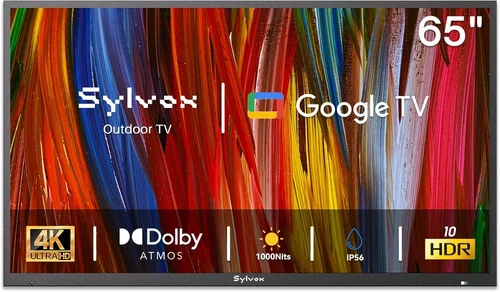
❌ Mistake: Buying a Regular TV with a Weatherproof Enclosure
Why it’s bad: Slapping a standard TV into a third-party outdoor case might seem like a cost-saving hack, but it often leads to overheating, poor ventilation, and voided warranties. Most enclosures aren’t designed for the specific thermal needs of modern TVs, and moisture can still seep in through cable gaps.
What to do instead: Invest in a purpose-built outdoor TV. These are engineered with internal airflow, sealed components, and proper thermal regulation from the ground up. The long-term reliability far outweighs the upfront savings.
❌ Mistake: Ignoring Brightness Specifications
Why it’s bad: A dim screen turns your summer party into a guessing game. Even under partial shade, ambient light can wash out images on TVs below 700 nits. You’ll end up maxing out brightness and draining power unnecessarily.
What to do instead: Prioritize TVs with 1,000+ nits for full-sun areas or 700–900 nits for covered spaces. Check real-world reviews—not just specs—to see how the screen performs in daylight.
❌ Mistake: Overlooking Audio Needs
Why it’s bad: Most outdoor TVs have mediocre built-in speakers. Relying solely on them means guests will miss dialogue during windy or noisy events, forcing you to shout or rewind constantly.
What to do instead: Plan for external weatherproof speakers from day one. Look for TVs with optical audio out or Bluetooth 5.0+ for seamless pairing. Consider a soundbar designed for outdoor use.
❌ Mistake: Skipping the Mounting System
Why it’s bad: A weak or incompatible mount can cause the TV to wobble, tilt, or even fall during strong winds. Many buyers assume standard VESA mounts work, but outdoor TVs often require heavier-duty brackets due to size and weight.
What to do instead: Purchase a mounting kit specifically designed for your TV model. Ensure it’s rated for outdoor use and includes corrosion-resistant hardware. Professional installation is worth the cost for safety.
❌ Mistake: Not Checking Return Policies
Why it’s bad: Outdoor TVs are expensive, and returns can be complicated due to size and shipping restrictions. Some retailers charge restocking fees or won’t accept returns after installation.
What to do instead: Buy from retailers with generous return windows (30+ days) and clear policies on outdoor electronics. Test the TV thoroughly before permanent mounting.
❌ Mistake: Assuming All “Outdoor” TVs Are Equal
Why it’s bad: Marketing buzzwords like “weather-resistant” or “all-weather” don’t guarantee performance. Some budget models only handle light drizzle, not pool splashes or humidity.
What to do instead: Always verify IP ratings, operating temperature ranges, and independent reviews. Stick to reputable brands with proven track records in outdoor environments.
❌ Mistake: Forgetting About Future Upgrades
Why it’s bad: Technology evolves fast. A TV without smart features or limited connectivity may become obsolete within a few years, especially as streaming standards advance.
What to do instead: Choose a model with modern ports (HDMI 2.1, USB-C), Wi-Fi 6, and regular firmware updates. This ensures compatibility with new devices and services for years to come.
Budget Guidelines: How Much Should You Spend?
Weatherproof TVs represent a significant investment, but understanding price tiers helps you set realistic expectations and avoid overspending—or underspending.
Entry-Level ($800 – $1,500): These are typically portable or partial-shade models with basic weather resistance (IP55) and moderate brightness (500–700 nits). Ideal for covered patios or temporary use. Brands like Element and RCA offer budget-friendly options, but expect compromises in build quality, audio, and smart features. Best for occasional use or small gatherings.
Mid-Range ($1,500 – $3,000): This is the sweet spot for most homeowners. You’ll find TVs with IP65 ratings, 700–1,000 nits brightness, decent smart platforms, and better thermal management. Models from SunBriteTV’s Veranda series or Seura’s Shadow Series fall here. They’re suitable for semi-exposed areas and deliver reliable performance for daily summer use.
Premium ($3,000 – $5,000): Designed for full-sun exposure and year-round durability. Expect 1,000+ nits, anti-glare coatings, all-metal construction, and advanced audio. These TVs often include extended warranties and professional installation support. Perfect for poolside entertainment or high-end outdoor kitchens.
Luxury ($5,000+): Top-tier models from SunBriteTV (Signature series) or commercial-grade displays offer 24/7 operation, extreme temperature tolerance, and enterprise-level support. These are built for luxury homes, resorts, or venues where failure isn’t an option. Features may include modular designs, custom bezels, and integration with home automation systems.
Expert Tips for Getting the Best Deal
- Buy during off-season: Prices drop significantly in late fall and winter (October–February). Retailers clear inventory before new models launch in spring. You can save 15–25% by purchasing a current-year model during this window.
- Check manufacturer rebates: Brands like SunBriteTV and Seura often run seasonal promotions or bundle deals with mounts and speakers. Sign up for newsletters to get early access.
- Compare certified retailers: Buy from authorized dealers (not Amazon third-party sellers) to ensure warranty validity and access to support. Sites like Crutchfield, Abt, and the manufacturer’s own store are reliable.
- Negotiate installation packages: Many dealers offer discounted or free installation if you buy the TV and mount together. This can save $200–$500 in labor costs.
- Test before you commit: If possible, visit a showroom to see the TV in person. Check brightness, color accuracy, and menu responsiveness under simulated outdoor lighting.
- Read long-term reviews: Look for user feedback after 6–12 months of use. Early reviews may miss issues like color fading, speaker degradation, or software bugs.
- Consider refurbished models: Certified refurbished outdoor TVs from reputable sources come with warranties and can cost 20–30% less. Ensure they include the same IP rating and brightness as new units.
- Verify local climate compatibility: If you live in a humid, salty, or extreme-temperature region, confirm the TV is rated for those conditions. Not all “outdoor” TVs are created equal for coastal or desert environments.

Frequently Asked Questions
Q: Can I use a regular TV outdoors if I cover it?
A: Technically yes, but it’s not recommended. Regular TVs lack proper thermal regulation, UV protection, and sealed components. Even with a cover, moisture can accumulate inside, and overheating is likely. For reliable, safe outdoor use, invest in a purpose-built weatherproof TV.
Q: Do weatherproof TVs need to be plugged in all the time?
A: Yes, most outdoor TVs require constant power to maintain internal temperature regulation and prevent condensation. Some portable models offer battery options, but these are limited in runtime and brightness.
Q: How do I clean an outdoor TV screen?
A: Use a microfiber cloth and distilled water only. Avoid ammonia-based cleaners or paper towels, which can scratch anti-glare coatings. For stubborn spots, lightly dampen the cloth—never spray liquid directly on the screen.
Q: Will an outdoor TV work in the rain?
A: Absolutely—if it has an IP65 or higher rating. These TVs are designed to withstand rain, splashes, and humidity. However, avoid directing high-pressure water jets (like power washers) at the unit.
Q: Can I mount an outdoor TV on a brick or concrete wall?
A: Yes, but you’ll need a masonry-rated mounting bracket and proper anchors. Consult a professional installer to ensure the wall can support the weight and that cables are safely routed.
Q: Do outdoor TVs come with remotes?
A: Most do, but some high-end models include RF (radio frequency) remotes that work through glass or walls—ideal for enclosed patios. Standard IR remotes require line-of-sight.
Q: How long do weatherproof TVs last?
A: With proper care, 7–10 years is typical. Premium models with all-metal construction and sealed components often exceed 10 years. Regular maintenance (cleaning, checking seals) extends lifespan.
Q: Can I stream 4K content on an outdoor TV?
A: Yes, as long as the TV supports 4K resolution and has a fast enough processor and internet connection. Ensure your Wi-Fi signal reaches the outdoor area—consider a mesh network extender if needed.
Q: Are outdoor TVs energy efficient?
A: Modern models are surprisingly efficient, especially those with LED backlighting and auto-brightness sensors. Look for ENERGY STAR certification to minimize power consumption during long viewing sessions.
Q: What happens if my outdoor TV gets struck by lightning?
A: While weatherproof TVs resist moisture and dust, they aren’t lightning-proof. Always use a surge protector and consider unplugging during severe storms. For added protection, install a whole-house surge suppressor.
Our Final Recommendations
Best for Budget-Conscious Buyers: Element 55″ Partial-Shade Outdoor TV – At around $1,200, this model offers solid IP55 protection, 700 nits brightness, and basic smart features. Ideal for covered patios and occasional use.
Best Overall Value: SunBriteTV Veranda 65″ 4K UHD – Priced around $2,400, it delivers IP65 rating, 1,000 nits brightness, excellent color accuracy, and robust build quality. Perfect balance of performance and price for most homeowners.
Best Premium Option: Seura Shadow 75″ Full-Sun Outdoor TV – At $4,200, this beast boasts 1,500 nits, anti-reflective glass, and a sleek, low-profile design. Built for direct sunlight and luxury outdoor spaces.
Best for Beginners: RCA 50″ Weatherproof Outdoor TV – Simple setup, intuitive interface, and reliable performance for first-time buyers. Great entry point at under $1,000.
Best for Advanced Users: SunBriteTV Signature 85″ All-Season Outdoor Display – With 2,000 nits, -22°F to 140°F operating range, and commercial-grade durability, this is the ultimate choice for tech-savvy users who demand perfection.
Conclusion: Making the Right Choice
Choosing the best weatherproof TV for your summer parties isn’t just about picking the shiniest screen—it’s about matching technology to your environment, usage patterns, and long-term goals. From understanding IP ratings and brightness requirements to avoiding common pitfalls like inadequate audio or flimsy mounts, every decision shapes your outdoor entertainment experience.
Remember, the cheapest option often costs more in frustration and replacement. Invest wisely in a TV that’s built to last, performs brilliantly in real-world conditions, and enhances every gathering—from casual cookouts to championship game nights. Prioritize your needs: if you’re under cover, a mid-range model may suffice; if you’re poolside in full sun, don’t compromise on brightness and build quality.
Ultimately, the right weatherproof TV transforms your backyard into a true extension of your living space—a place where memories are made, laughter echoes, and the screen never lets you down. Use this guide as your compass, trust expert reviews, and don’t rush the decision. Your perfect summer setup is worth the wait.
Now go forth, host confidently, and enjoy every sun-drenched moment—your ideal outdoor TV is out there, ready to shine.

