
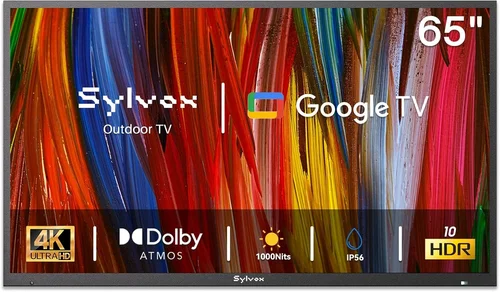
If you live in an apartment but still crave the joy of outdoor entertainment, you’re not alone. More than ever, urban dwellers are transforming tiny balconies, shared courtyards, and compact patios into cozy outdoor living spaces. And what better way to elevate that experience than with a backyard TV? But here’s the catch: most outdoor TVs come with a hefty price tag, often starting at $1,500 and climbing well past $3,000. For budget-conscious renters or first-time buyers, that’s simply not feasible.
That’s where this guide comes in. We’re not talking about luxury outdoor displays built for sprawling backyards. Instead, we’re focusing on affordable, apartment-friendly TVs that deliver solid performance without breaking the bank. Whether you want to stream your favorite show under the stars, catch the big game with friends, or just enjoy some background entertainment while grilling, there are now viable options under $800—and even under $500—that can handle the elements when used responsibly.
In this comprehensive buying guide, you’ll learn exactly what to look for when shopping for a budget backyard TV suitable for apartment life. We’ll break down key factors like weather resistance, brightness, size constraints, portability, and smart features. You’ll also discover common pitfalls to avoid, how to stretch your dollar across different price tiers, and expert tips for scoring the best deals. By the end, you’ll have a clear roadmap to choose a TV that fits your space, your lifestyle, and your wallet—without compromising too much on quality.
The market for outdoor-capable TVs has evolved significantly in recent years. While true “outdoor-rated” models from brands like SunBrite or Samsung’s The Terrace remain premium products, many indoor TVs now offer features that make them surprisingly resilient in covered or semi-protected outdoor settings. Advances in display technology, improved anti-glare coatings, and more robust build materials mean you don’t always need to pay a fortune for durability. Plus, with the rise of smart platforms and streaming integration, even entry-level models deliver a rich viewing experience. This guide cuts through the marketing noise to help you find the sweet spot between affordability and functionality.

What to Look for When Buying Buying Guide
1. Budget & Price Range
Your budget is the foundation of your entire decision. For apartment dwellers, spending thousands on a TV that might only be used seasonally or moved frequently doesn’t make financial sense. A realistic budget for a budget backyard TV ranges from $300 to $800. Within this range, you can find models that offer solid picture quality, decent brightness, and enough durability for covered outdoor use.
Set a hard limit before you start shopping—and stick to it. It’s easy to get tempted by “just $200 more” for a slightly brighter screen or a fancier design, but those incremental upgrades often don’t justify the cost for casual outdoor viewing. Remember: you’re not building a permanent outdoor theater. You’re enhancing your small-space lifestyle with something fun and functional.
Also consider hidden costs: mounting hardware, extension cords, weatherproof enclosures (if needed), and potential Wi-Fi boosters if your signal is weak outdoors. These can add $50–$150 to your total investment, so factor them into your initial budget.
2. Performance Specifications
Not all TVs perform equally well in outdoor environments—even if they’re technically “indoor” models. The two most critical specs for backyard use are brightness (measured in nits) and contrast ratio. For shaded or covered areas like balconies or screened patios, aim for at least 350–400 nits of brightness. If you plan to watch during daylight hours or in partially sunny spots, 500+ nits is ideal.
Resolution matters too. While 4K is standard even on budget models, don’t overlook HDR support. HDR10 or Dolby Vision enhances color depth and dynamic range, making daytime viewing more vibrant. However, avoid TVs that advertise “HDR” without specifying the format—many low-end models fake HDR through software upscaling, which offers minimal real benefit.
Refresh rate is less critical for casual viewing but worth noting if you’re a sports fan or gamer. A 60Hz panel is fine for most, but 120Hz models (even budget ones) can reduce motion blur during fast-paced action. Input lag under 20ms is ideal for gaming, though this is rarely a priority for backyard TV use.
3. Build Quality & Durability
Here’s the big misconception: you don’t need a fully sealed, IP55-rated outdoor TV to enjoy your balcony. Most apartment setups involve covered or semi-covered spaces—think under an awning, inside a screened porch, or mounted under an eave. In these conditions, a well-built indoor TV with some protective measures can last several seasons.
Look for TVs with metal chassis components, reinforced corners, and minimal plastic seams where moisture could seep in. Avoid ultra-thin designs with exposed circuitry or flimsy back panels. Also check the power cord and ports: rubberized grommets or covers add a layer of protection against dust and light splashes.
That said, never place an indoor TV in direct rain, snow, or extreme humidity. Even “weather-resistant” budget models aren’t built for full exposure. If your space lacks overhead cover, consider a ventilated outdoor enclosure (more on that later). But for most renters, a sturdy indoor TV + smart placement = a durable solution.
4. Features & Functionality
Smart capabilities are non-negotiable in 2026. Nearly every budget TV now runs Android TV, Roku, or Fire TV OS, giving you access to Netflix, YouTube, Disney+, and more without extra devices. Make sure the model you choose supports your preferred streaming services and receives regular software updates—some ultra-cheap brands abandon support after a year.
Connectivity is equally important. Look for at least three HDMI ports (for a soundbar, streaming stick, or game console), USB ports for media playback, and Bluetooth for wireless audio. Wi-Fi 5 (802.11ac) is standard, but if your outdoor area is far from your router, consider a model with Ethernet or plan to use a Wi-Fi extender.
Voice control via Alexa or Google Assistant is a nice bonus, especially if you’ll be controlling the TV from a distance (e.g., while lounging on a balcony chair). Some models even include built-in microphones for hands-free operation—just remember to disable them when privacy matters.
5. Brand Reputation
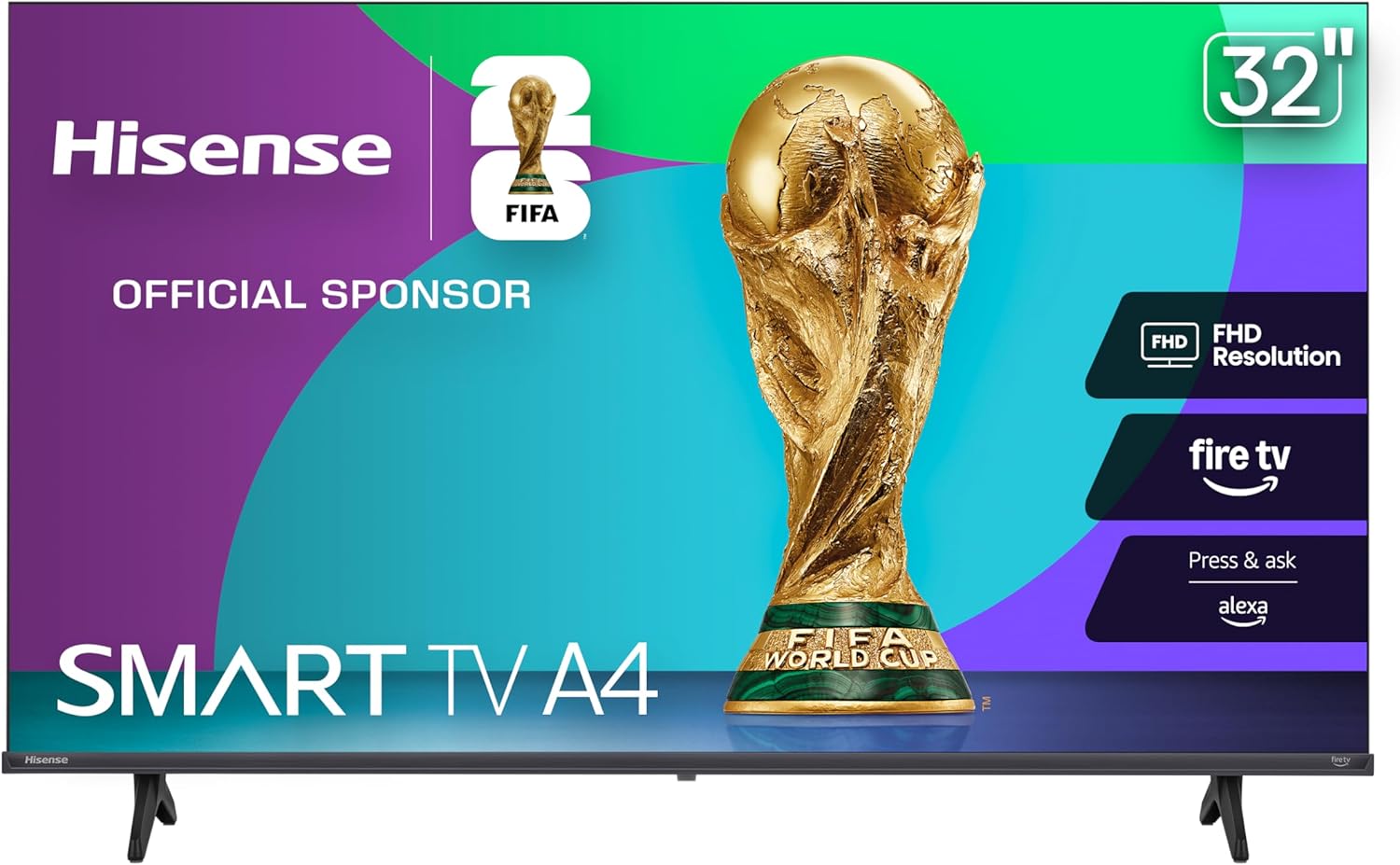
Not all budget brands are created equal. Stick with manufacturers known for reliability and customer service: TCL, Hisense, Samsung, LG, and Vizio dominate the affordable TV space with consistent quality. These brands offer better firmware support, wider service networks, and more transparent warranty policies.
Avoid no-name brands sold exclusively on Amazon or eBay, even if they boast “4K HDR outdoor-ready” specs. Many are rebranded units with poor quality control, non-existent customer support, and inflated ratings from incentivized reviews. A quick Google search for “[Brand Name] TV complaints” can save you from a lemon.
That said, don’t overlook value-oriented lines from reputable brands. For example, TCL’s 4-Series and 5-Series, Hisense’s U6/U7 series, and Samsung’s Crystal UHD line offer excellent bang-for-buck and are frequently recommended by tech reviewers for outdoor-adjacent use.
6. Warranty & Support
A solid warranty is your safety net—especially when using a TV in a non-traditional environment. Most major brands offer a one-year limited warranty covering defects, but some extend it to two years for certain models. Check the fine print: does it cover outdoor use? Some explicitly void warranties if the TV is used outside, even under cover.
Customer support quality varies wildly. Samsung and LG generally provide responsive service, while some budget brands outsource support to third parties with long wait times and limited technical knowledge. Read recent user reviews about post-purchase experiences, not just picture quality.
Consider purchasing an extended warranty if you’re investing in a higher-end budget model (~$600+). For sub-$400 TVs, it’s usually not worth the added cost—but do register your product immediately to activate coverage.
7. Size & Portability
In apartments, space is precious. A 75-inch TV might look impressive, but it’s impractical for a 6-foot-wide balcony. Most experts recommend 43–55 inches for outdoor viewing at 6–10 feet distance. Anything larger becomes unwieldy and harder to protect from the elements.
Portability matters too. If you move frequently or share outdoor space with roommates, a lighter, thinner TV is easier to store or relocate. Look for models under 25 lbs for 50-inch screens—many modern LEDs are surprisingly lightweight thanks to slim designs and plastic frames.
Mounting options are crucial. VESA compatibility (the standard for wall mounts) is universal, but check the pattern (e.g., 200x200mm or 400x400mm) to ensure your chosen mount fits. For renters, a freestanding outdoor TV stand with wheels offers flexibility without drilling holes.
8. User Reviews & Ratings
Never buy a TV based solely on specs or marketing claims. Real-world user feedback reveals quirks that spec sheets hide: inconsistent brightness, buggy software, poor remote ergonomics, or premature backlight failure. Focus on reviews from buyers who mention outdoor or semi-outdoor use—they’ll highlight issues like glare, heat buildup, or Wi-Fi dropouts in open areas.
Use trusted sources like RTINGS.com, CNET, Wirecutter, and Amazon verified purchase reviews. Pay attention to trends: if multiple users report the same problem (e.g., “HDMI ports stopped working after 3 months”), it’s likely a design flaw, not a fluke.
Also check return rates and replacement frequency. A TV with a 4.5-star average but hundreds of 1-star reviews citing early failure should raise red flags. Balance overall rating with recency—older models may have been improved in newer revisions.
Different Types of Buying Guide
Common Buying Mistakes to Avoid
❌ Mistake: Assuming All “Outdoor” TVs Are Worth the Price
Why it’s bad: True outdoor-rated TVs are over-engineered for apartment use. They’re built for full sun, rain, and temperature extremes—conditions most balcony setups never encounter. Paying $2,000+ for a feature you don’t need wastes money that could go toward better audio, a nicer mount, or even a weekend getaway.
What to do instead: Assess your actual exposure level. If you have overhead cover and minimal direct weather contact, a high-quality indoor TV with basic precautions will serve you better and cheaper.
❌ Mistake: Ignoring Brightness Requirements
Why it’s bad: A dim TV (under 300 nits) will look washed out even in light shade. You’ll strain your eyes trying to see details, especially during afternoon viewing. Many budget buyers prioritize size or price over luminance and end up disappointed.
What to do instead: Check the nit rating before buying. If unavailable, look for terms like “high brightness,” “anti-glare coating,” or “daylight viewable.” RTINGS.com lists peak brightness for most models—use it as a resource.
❌ Mistake: Skimping on Mounting and Protection
Why it’s bad: A poorly mounted TV can fall, get stolen, or suffer water damage from runoff. Using indoor mounts outdoors often voids warranties and creates safety hazards.
What to do instead: Invest in a weather-resistant mount rated for your TV’s weight. For extra protection, use a clear acrylic shield or a custom-fit outdoor cover when not in use. Never rely on tape or DIY solutions.
❌ Mistake: Overlooking Audio Quality
Why it’s bad: Most budget TVs have weak built-in speakers that struggle outdoors due to open space and ambient noise. You’ll miss dialogue or effects, ruining the experience.
What to do instead: Pair your TV with a compact Bluetooth soundbar or weather-resistant outdoor speakers. Many cost under $100 and dramatically improve audio clarity.
❌ Mistake: Buying Based Solely on Size
Why it’s bad: A giant screen looks impressive but may overwhelm a small space, cause glare issues, or be impossible to protect. Larger TVs also consume more power and generate more heat—problematic in enclosed outdoor nooks.
What to do instead: Measure your viewing distance and choose a size that fills about 30–40 degrees of your field of vision. For most apartment balconies, 43–50 inches is ideal.
❌ Mistake: Neglecting Return Policies
Why it’s bad: Outdoor conditions can reveal flaws not apparent indoors—like backlight bleeding in bright light or Wi-Fi instability. If you can’t return the TV easily, you’re stuck with a dud.
What to do instead: Only buy from retailers with generous return windows (30+ days) and free return shipping. Test the TV outdoors immediately upon delivery.
❌ Mistake: Forgetting About Power and Connectivity
Why it’s bad: Outdoor outlets are often limited or far from your setup. Long extension cords create tripping hazards and voltage drops. Weak Wi-Fi leads to buffering.
What to do instead: Plan your power and network needs ahead of time. Use a heavy-duty outdoor-rated extension cord and consider a mesh Wi-Fi system or powerline adapter for reliable connectivity.
Budget Guidelines: How Much Should You Spend?
Entry-Level ($300–$450): This tier is perfect for casual viewers who watch occasionally in fully covered areas. Expect 43–50-inch 4K HDR TVs from TCL or Hisense with basic smart features, 350–400 nits brightness, and plastic builds. Picture quality is solid for the price, but don’t expect premium color accuracy or deep blacks. Ideal for streaming movies on summer evenings or catching weekend sports.
Mid-Range ($450–$650): The sweet spot for most apartment dwellers. Here, you’ll find models with 450–550 nits brightness, better HDR performance, metal-reinforced frames, and improved audio. Brands like Samsung and LG offer reliable options in this range. You can also find semi-outdoor enclosures bundled with TVs, adding protection without the full outdoor TV cost. Great for regular use and partial sun exposure.
Premium ($650–$800): For enthusiasts who want near-outdoor durability without the luxury price tag. Look for refurbished outdoor-rated models (certified by the manufacturer) or high-end indoor TVs with exceptional brightness (600+ nits) and anti-reflective coatings. These handle brighter conditions and offer longer lifespans. Some include advanced cooling systems to prevent overheating in enclosed spaces.
Luxury ($800+): While this guide focuses on budget options, it’s worth noting that spending beyond $800 usually means stepping into true outdoor TV territory. These are overkill for apartments unless you have a massive, fully exposed rooftop deck. Save your money unless you’re certain you need IP55+ protection.
Expert Tips for Getting the Best Deal
- Buy Refurbished from Authorized Sellers: Certified refurbished TVs from Samsung, LG, or Best Buy come with full warranties and are often indistinguishable from new units. You can save $150–$300 on high-quality models.
- Use Price Tracking Tools: Set alerts on CamelCamelCamel (for Amazon) or Honey to monitor price drops. Many TVs fluctuate by $50–$100 weekly.
- Check Local Classifieds: Facebook Marketplace and Craigslist sometimes have barely-used TVs from people who moved or upgraded. Insist on in-person testing before paying.
- Bundle with Accessories: Some retailers offer free mounts, HDMI cables, or streaming sticks with TV purchases. Compare total value, not just TV price.
- Test Brightness Indoors First: Before moving your TV outside, test it near a window during daytime. If it looks dim indoors, it won’t improve outdoors.
- Negotiate Extended Warranties: Sales associates often push expensive protection plans. Politely decline or ask for a discount—they’re rarely worth it for sub-$600 TVs.
- Consider a Projector Alternative: For under $500, a short-throw projector with a portable screen can deliver a 100-inch image. Just remember: projectors need darkness to shine.
- Register for Manufacturer Promos: Brands like TCL and Hisense occasionally offer $50–$100 rebates or free streaming subscriptions with new TV purchases.

Frequently Asked Questions
Q: Can I really use a regular indoor TV outside?
A: Yes—but only in covered or semi-protected areas like balconies with roofs, screened patios, or under eaves. Never expose an indoor TV to direct rain, snow, or extreme humidity. With proper mounting and occasional covers, many users report 3–5 years of reliable outdoor use from standard models.
Q: What’s the minimum brightness I need for outdoor viewing?
A: For shaded areas, 350–400 nits is acceptable. For partial sun or bright afternoons, aim for 500+ nits. Anything below 300 nits will appear dim and washed out.
Q: Do I need a special mount for outdoor use?
A: Yes. Use a mount rated for outdoor conditions with rust-resistant hardware (stainless steel or coated aluminum). Indoor mounts may corrode or fail when exposed to moisture.
Q: Will my Wi-Fi work reliably outdoors?
A: Not always. Concrete walls, distance, and interference can weaken signals. Use a Wi-Fi extender, mesh system, or powerline adapter to boost connectivity to your outdoor space.
Q: Are soundbars safe to use outdoors?
A: Most indoor soundbars aren’t weatherproof, but they’re fine under cover. For exposed areas, look for IPX4-rated outdoor speakers or keep the soundbar sheltered.
Q: How do I protect my TV from dust and insects?
A: Use a breathable outdoor TV cover when not in use. Avoid sealing the TV in an airtight box—it needs ventilation to prevent overheating.
Q: Can I leave my TV outside year-round?
A: Only if it’s a true outdoor-rated model. Indoor TVs should be brought inside during winter or extreme weather to prolong lifespan.
Q: What’s the best size for a small balcony?
A: For viewing distances of 6–8 feet, a 43–50-inch TV is ideal. Larger screens become difficult to view comfortably in tight spaces.
Q: Are OLED TVs suitable for outdoor use?
A: Generally no. OLEDs are more susceptible to burn-in and perform poorly in bright light due to lower peak brightness. Stick with LED/LCD for outdoor applications.
Q: How long will a budget outdoor TV last?
A: With proper care, 3–5 years is realistic. Heat, humidity, and UV exposure accelerate wear, so seasonal storage and covers help extend life.
Our Final Recommendations
Best for Budget-Conscious Buyers: TCL 50S555 50-inch 4K QLED ($399) – Offers 450 nits brightness, Dolby Vision, and Roku TV at an unbeatable price. Perfect for covered balconies.
Best Overall Value: Hisense 55U6HF 55-inch ULED ($549) – Combines 500+ nits brightness, excellent HDR, and robust build quality. Great for partial sun exposure.
Best Premium Option: Samsung QN50Q60C 50-inch QLED (Refurbished) ($699) – Certified refurbished with 600 nits, anti-reflective screen, and sleek design. Ideal for serious outdoor viewers.
Best for Beginners: Insignia F30 43-inch 4K Fire TV ($329) – Simple setup, built-in Alexa, and reliable performance. Great first outdoor TV.
Best for Advanced Users: LG 55UR7300 55-inch UHD with Outdoor Enclosure Bundle ($749) – Includes a ventilated weatherproof case for added protection without full outdoor TV cost.
Conclusion: Making the Right Choice
Choosing a budget backyard TV for your apartment doesn’t have to be overwhelming—or expensive. By focusing on your actual needs (covered space? occasional use? daytime viewing?), prioritizing brightness and smart features, and avoiding common pitfalls, you can enjoy outdoor entertainment without overspending. Remember: the goal isn’t to replicate a backyard cinema, but to enhance your small-space lifestyle with convenience, comfort, and a little fun.
Don’t let the allure of premium outdoor TVs distract you from practical, affordable solutions. With the right model, a thoughtful setup, and basic maintenance, even a $400 TV can deliver years of enjoyment on your balcony or patio. Take your time, read real user reviews, and invest in accessories that protect your purchase. Your perfect outdoor viewing experience is closer—and cheaper—than you think.
Now go enjoy that sunset with your favorite show playing softly in the background. You’ve earned it.

