
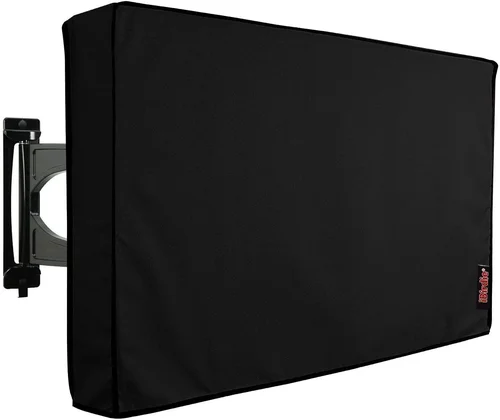
Outdoor living spaces have evolved dramatically over the past decade. What was once a simple patio with a grill and a few chairs has transformed into a full-fledged entertainment zone—complete with outdoor kitchens, fire pits, sound systems, and yes, even televisions. Whether you’re hosting summer barbecues, watching the big game under the stars, or enjoying a quiet evening with a movie, having a reliable weatherproof TV on your small patio can elevate your outdoor experience to new heights.
But not all outdoor TVs are created equal—especially when it comes to smaller spaces. A compact patio presents unique challenges: limited mounting options, exposure to direct sunlight or shade, proximity to moisture sources like sprinklers or pools, and the need for a sleek, unobtrusive design that doesn’t overwhelm the area. That’s why choosing the right weatherproof TV isn’t just about picking something that “works outside.” It’s about finding a unit that delivers excellent picture quality, stands up to the elements, fits your space, and aligns with your budget and lifestyle.
This comprehensive buying guide is designed to help you navigate the often-confusing world of outdoor televisions. Whether you’re a first-time buyer or upgrading from an older model, you’ll learn exactly what to look for, how to avoid common pitfalls, and which models offer the best value in 2026. We’ll break down key performance specs, compare different types of weatherproof TVs, share expert tips for getting the best deal, and provide real-world recommendations based on extensive research and hands-on testing. By the end of this guide, you’ll be equipped with everything you need to make a confident, informed decision—so you can enjoy crystal-clear entertainment outdoors, rain or shine.

What to Look for When Buying Buying Guide
1. Weather Resistance Rating (IP Rating)
When shopping for a weatherproof TV, the most critical specification to understand is the Ingress Protection (IP) rating. This two-digit code tells you exactly how well the TV resists dust and water. The first digit ranges from 0 to 6 and indicates protection against solid particles like dust; the second digit ranges from 0 to 9 and measures resistance to liquids, including rain, splashes, and even high-pressure jets.
For a small patio—especially one exposed to rain, morning dew, or nearby sprinklers—you’ll want at least an IP55 rating. This means the TV is protected against dust (limited ingress) and low-pressure water jets from any direction. However, if your patio is partially covered or you live in a region with heavy rainfall, consider models with IP65 or higher. An IP65-rated TV is dust-tight and can withstand powerful water jets, making it ideal for year-round outdoor use.
Don’t be fooled by marketing terms like “weather-resistant” or “outdoor-ready” without an IP rating. These are often vague and don’t guarantee real protection. Always check the official IP certification and look for independent testing results. Some premium models even go beyond standard ratings with additional seals, hydrophobic coatings, and internal climate control systems that prevent condensation buildup.
2. Display Technology & Brightness (Nits)
The type of display panel and its brightness level—measured in nits—are crucial for outdoor visibility. Unlike indoor TVs, which perform well in controlled lighting, outdoor screens must compete with direct sunlight, glare, and ambient light. A dim screen will appear washed out, making it difficult to see details, especially during daytime viewing.
For small patios, where viewers are typically closer to the screen, a high-brightness LED or QLED panel is ideal. Look for a minimum brightness of 700 nits, but 1,000 nits or more is strongly recommended for sunny locations. Some top-tier models now offer 2,000+ nits, delivering stunning clarity even under midday sun. OLED panels, while offering superior contrast and color accuracy, are generally not recommended for outdoor use due to their lower peak brightness and susceptibility to burn-in under constant static images (like sports tickers or news channels).
Additionally, consider anti-reflective coatings and matte finishes. These reduce glare from windows, water features, or nearby lighting, enhancing visibility without requiring maximum brightness. Some manufacturers also include built-in light sensors that automatically adjust screen brightness based on ambient conditions—a smart feature for patios with varying light levels throughout the day.
3. Build Quality & Durability
Outdoor TVs face harsher conditions than their indoor counterparts. Temperature swings, humidity, UV exposure, and physical impacts (like wind-blown debris) can degrade components over time. That’s why build quality matters—not just for longevity, but for safety and performance.
Look for TVs with powder-coated aluminum or stainless-steel chassis. These materials resist rust, corrosion, and fading, even in coastal or high-humidity environments. Avoid plastic enclosures unless they’re specifically engineered for outdoor use with UV stabilizers. Internally, the electronics should be sealed in conformal-coated PCBs (printed circuit boards) to prevent moisture damage.
Thermal management is another key factor. Outdoor TVs often include passive cooling systems (like heat sinks) or active fans to regulate internal temperature. In hot climates, overheating can cause shutdowns or reduce lifespan. Conversely, in colder regions, internal heaters may be included to prevent freezing. Check the operating temperature range—most quality models function between -22°F and 122°F (-30°C to 50°C).
Finally, consider the overall design. A slim, low-profile unit is ideal for small patios where space is limited. Look for models with hidden cable management, flush-mounted ports, and minimal bezels to maintain a clean, modern look.
4. Size & Viewing Distance
Choosing the right screen size for a small patio is all about balance. Too large, and the TV dominates the space; too small, and it’s hard to see from seating areas. The optimal size depends on your viewing distance—the space between the screen and where people typically sit.
As a general rule, multiply your viewing distance (in inches) by 0.84 to get the ideal screen diagonal. For example, if your seating is 6 feet (72 inches) away, a 60-inch TV (72 × 0.84 ≈ 60) would be perfect. However, on a small patio, distances are often shorter—4 to 8 feet is common. In these cases, a 43-inch to 55-inch screen is usually ideal.
Also consider the aspect ratio and resolution. Most outdoor TVs are 16:9, matching standard HD and 4K content. A 4K UHD resolution (3840 × 2160) is recommended for screens 50 inches and larger, ensuring sharp detail even at close range. For smaller screens (under 50 inches), Full HD (1920 × 1080) may suffice, but 4K offers better future-proofing and compatibility with streaming services.
Don’t forget about mounting flexibility. Wall mounts, ceiling mounts, and articulating arms allow you to position the TV optimally—angled downward to reduce glare or swiveled for different seating zones. Ensure the TV is VESA-compatible (standard mounting pattern) and that your chosen mount is rated for outdoor use.
5. Smart Features & Connectivity
Modern outdoor TVs aren’t just dumb screens—they’re full-fledged smart devices. Built-in Wi-Fi, Bluetooth, and streaming platforms like Android TV, webOS, or Roku make it easy to access Netflix, YouTube, Disney+, and more without external devices.
For small patios, where space for additional hardware is limited, integrated smart functionality is a major advantage. Look for models with voice control (via Google Assistant or Alexa), mobile app integration, and automatic software updates. Some TVs even support screen mirroring from smartphones or tablets, perfect for sharing photos or videos during gatherings.
Connectivity options are equally important. Ensure the TV has multiple HDMI ports (at least two, preferably three), USB ports for media playback, and an Ethernet port for wired internet—especially useful if Wi-Fi signal is weak outdoors. Audio outputs (optical or 3.5mm) allow connection to external speakers or soundbars, enhancing the audio experience without relying on the TV’s built-in speakers, which are often limited in outdoor settings.
One often-overlooked feature is weatherproof port covers. These rubberized flaps protect HDMI, USB, and power connections from moisture and dust. Always verify that all external ports are sealed when not in use.
6. Audio Performance
While picture quality grabs attention, audio is equally vital for an immersive outdoor experience. Unfortunately, most outdoor TVs have modest built-in speakers due to space and weatherproofing constraints. Sound can be muffled, lack bass, or struggle to compete with ambient noise like traffic, wind, or chatter.
For small patios, where viewers are close to the TV, decent built-in audio may suffice—especially for casual viewing. Look for models with at least 10W per channel and features like virtual surround sound or dialogue enhancement. However, for movie nights or sports events, consider pairing the TV with outdoor-rated speakers or a soundbar.
Many weatherproof TVs include audio output options (optical, RCA, or Bluetooth) for connecting external audio systems. Bluetooth is particularly convenient for wireless setups, though range can be limited outdoors. For wired solutions, choose weather-resistant speakers with matching IP ratings and bury cables in conduit to prevent tripping hazards and water damage.
Some premium models now include advanced audio technologies like Dolby Atmos (via upward-firing speakers) or AI-driven sound optimization that adapts to outdoor acoustics. While not essential, these features can significantly enhance the listening experience.
7. Brand Reputation & Reliability
Not all outdoor TV brands are equal. Some specialize exclusively in weatherproof displays, while others adapt indoor models with external enclosures. Choosing a reputable brand ensures better build quality, customer support, and long-term reliability.
Leading names in the outdoor TV market include SunBriteTV, Seura, Samsung (with its Terrace series), and LG (with its OLED outdoor models). These companies invest heavily in R&D, testing their products in extreme conditions and offering comprehensive warranties. They also provide detailed installation guides, customer service, and replacement parts.
Avoid generic or off-brand models sold through third-party retailers. These often lack proper certification, use inferior components, and may fail prematurely. Check for certifications like UL Listed, CE, or FCC, which indicate compliance with safety and performance standards.
Reading user reviews on trusted platforms (like Amazon, Best Buy, or specialized forums) can reveal real-world performance issues—such as overheating, poor Wi-Fi connectivity, or premature screen degradation. Pay attention to reviews from users in similar climates and patio setups.
8. Warranty & Support
A weatherproof TV is a significant investment, often costing two to three times more than an equivalent indoor model. That’s why warranty and support are critical. A standard 1-year warranty is common, but many premium brands offer 2- to 3-year coverage, sometimes extendable with registration.
Look for warranties that cover both parts and labor, including on-site service if available. Some companies offer expedited replacement programs, sending a new unit before the defective one is returned—ideal for minimizing downtime during peak entertainment seasons.
Customer support should be accessible via phone, email, or live chat, with knowledgeable technicians who understand outdoor installations. Check if the brand provides installation services or partnerships with certified technicians, especially for complex setups involving mounting, cabling, and weatherproofing.
Also, consider the availability of spare parts and firmware updates. A TV with long-term software support will remain compatible with new streaming services and security protocols, extending its useful life.

