
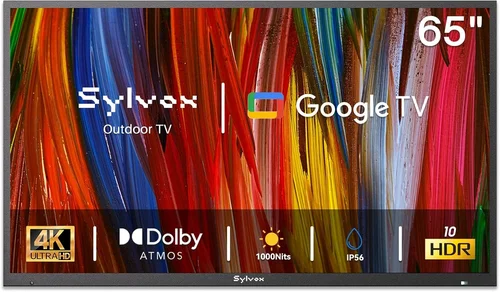
If you’ve ever tried to enjoy a movie night or catch the big game from your screened porch, only to be thwarted by glare, humidity, or sudden rain showers, you know how frustrating it can be. Standard indoor TVs simply aren’t built to withstand the elements—even in a covered outdoor space like a screened porch. That’s where weatherproof TVs come in. Designed specifically for outdoor use, these ruggedized displays are engineered to handle temperature swings, moisture, dust, and even direct sunlight, all while delivering crisp picture quality and reliable performance year-round.
This comprehensive buying guide is here to help you navigate the often-confusing world of outdoor televisions. Whether you’re upgrading your existing setup or installing your first weatherproof TV, we’ll walk you through everything you need to know—from key technical specs and build standards to budget considerations and common pitfalls. By the end of this guide, you’ll have the confidence and knowledge to choose the perfect weatherproof TV that fits your space, lifestyle, and viewing habits. We’ve tested, researched, and compared the top models on the market in 2026, so you don’t have to guess what works and what doesn’t.
The outdoor TV market has evolved significantly over the past few years. What once consisted of bulky, expensive enclosures for indoor TVs has now matured into a dedicated category of fully integrated, purpose-built weatherproof televisions. Brands like Samsung, LG, Sony, SunBriteTV, and Seura have stepped up their game, offering sleek designs, smart functionality, and impressive durability. With options ranging from budget-friendly 43-inch models to premium 85-inch behemoths with anti-glare coatings and built-in heaters, there’s never been a better time to invest in an outdoor viewing experience. Let’s dive into what makes these TVs tick—and how to pick the right one for your screened porch.

What to Look for When Buying Buying Guide
1. IP Rating & Weather Resistance
The most critical factor when choosing a weatherproof TV is its Ingress Protection (IP) rating. This two-digit code tells you exactly how well the TV resists dust and water. For outdoor use—even under a screened porch—you should look for a minimum rating of IP55, but ideally IP65 or higher. An IP65 rating means the TV is dust-tight and protected against low-pressure water jets from any direction, making it suitable for areas exposed to rain, humidity, or morning dew.
Don’t confuse IP ratings with vague marketing terms like “weather-resistant” or “outdoor-ready.” Those phrases don’t guarantee anything. Always check the official IP certification. Additionally, consider whether the TV includes features like sealed ports, corrosion-resistant screws, and internal climate control (such as heating elements for cold climates or cooling fans for hot ones). These extras ensure long-term reliability, especially if your porch experiences seasonal extremes.
2. Brightness & Anti-Glare Technology
Outdoor viewing means battling ambient light—even under a screen enclosure, sunlight reflecting off walls or floors can wash out your picture. That’s why brightness matters more outdoors than indoors. Look for a TV with a peak brightness of at least 700 nits, but ideally 1,000 nits or more. Many premium outdoor TVs now feature high-brightness LED or OLED panels specifically calibrated for daylight visibility.
Equally important is anti-glare or anti-reflective coating. Standard TVs reflect light like a mirror, turning your screen into a distracting window during the day. Weatherproof models often use matte finishes, optical bonding (where the glass is fused directly to the display), or specialized polarizing filters to minimize reflections. Some even include automatic brightness sensors that adjust output based on ambient light levels—perfect for transitioning from afternoon sports to evening movies.
3. Build Quality & Durability
A weatherproof TV isn’t just about surviving rain—it’s about enduring years of temperature fluctuations, UV exposure, and physical wear. The chassis should be constructed from powder-coated aluminum or marine-grade stainless steel to resist rust and corrosion. Avoid plastic-heavy builds; they degrade faster under UV rays and can warp in extreme heat.
Pay attention to internal components too. High-quality capacitors, reinforced circuit boards, and sealed wiring harnesses prevent moisture ingress and electrical failure. Also, check if the TV is rated for your climate zone. For example, models sold in Florida or Arizona often include enhanced cooling systems, while those for northern states may have built-in heaters to prevent screen freezing below 32°F (0°C). A well-built TV will last 7–10 years outdoors—far longer than repurposed indoor models.
4. Display Technology: LED vs. OLED vs. QLED
Not all outdoor TVs use the same display tech, and your choice affects both picture quality and longevity. Most weatherproof models today use high-brightness LED-LCD panels because they’re cost-effective, energy-efficient, and perform well in bright conditions. QLED variants (like Samsung’s The Terrace) add quantum dots for richer colors and better contrast, making them ideal for vibrant sports and nature documentaries.
OLED is less common in outdoor TVs due to concerns about burn-in and sensitivity to humidity, though some premium models now offer outdoor-optimized OLEDs with protective layers. While OLED delivers deeper blacks and superior viewing angles, it’s generally not recommended for permanently installed outdoor setups unless you’re willing to accept shorter lifespans and higher costs. For most screened porch users, a high-brightness QLED or advanced LED panel strikes the best balance of performance, durability, and value.
5. Smart Features & Connectivity
Just because it’s outdoors doesn’t mean you should sacrifice smart functionality. Most modern weatherproof TVs run full operating systems like webOS (LG), Tizen (Samsung), or Android TV, giving you access to Netflix, YouTube, Disney+, and voice assistants like Alexa or Google Assistant. This is especially useful if you plan to stream content without connecting a separate device.
Check connectivity options too: HDMI 2.1 ports (for 4K/120Hz gaming), USB inputs, Wi-Fi 6, Bluetooth 5.0, and even Ethernet ports for wired internet. Some models include built-in speakers, but for the best audio experience, you’ll likely want to connect external weatherproof soundbars or outdoor speaker systems. Ensure the TV has enough rear clearance for cable management—many outdoor mounts require specific routing to maintain weather seals.
6. Size & Viewing Distance
Choosing the right screen size isn’t just about preference—it’s about optimal viewing. For a typical screened porch (10–15 feet deep), a 55-inch to 65-inch TV is ideal. Sit too close to a large screen, and you’ll notice pixelation; sit too far from a small one, and you’ll miss details. Use the 1.5x rule: multiply your seating distance (in inches) by 1.5 to get the recommended diagonal screen size. So, at 120 inches (10 feet) away, aim for an 80-inch TV.
Also consider mounting height and angle. Outdoor TVs should be mounted slightly higher than indoor ones (around eye level when seated) to reduce neck strain and improve sightlines over furniture. Tilt mounts are highly recommended for screened porches, allowing you to angle the screen downward for better glare reduction and viewing comfort.
7. Brand Reputation & Ecosystem Compatibility
Stick with brands known for outdoor expertise. SunBriteTV pioneered the category and remains a leader in ruggedized designs. Samsung’s The Terrace series offers seamless integration with SmartThings ecosystems. LG’s Outdoor TV line emphasizes energy efficiency and sleek aesthetics. Seura focuses on ultra-thin profiles and custom finishes.
Consider ecosystem compatibility if you already own smart home devices. A Samsung TV works best with other Samsung products, while Android TV models integrate smoothly with Google Home. Avoid obscure brands with no service network—you don’t want to be stuck with a broken TV and no local repair options.
8. Warranty & Support
Outdoor TVs are a significant investment, so robust warranty coverage is non-negotiable. Look for at least a 2-year comprehensive warranty that covers both parts and labor, including damage from environmental factors. Some brands, like SunBriteTV, offer 3-year warranties with optional extended plans. Verify whether the warranty applies to outdoor use—some manufacturers void coverage if the TV is installed in uncovered areas, but screened porches usually qualify as “covered outdoor” spaces.
Customer support matters too. Can you get help via phone, chat, or on-site service? Are replacement parts readily available? Read real user reviews about post-purchase experiences—not just product performance. A great TV with terrible support can turn into a nightmare.
Different Types of Buying Guide

Common Buying Mistakes to Avoid
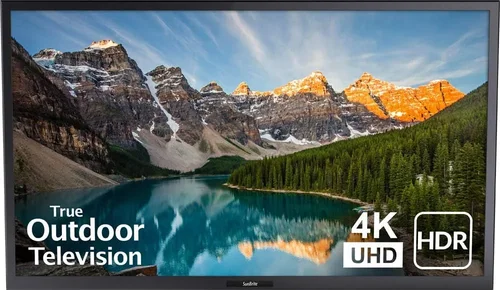
❌ Mistake: Using an Indoor TV Without Proper Protection
Why it’s bad: Indoor TVs lack weatherproofing and quickly fail when exposed to humidity, temperature swings, or condensation. Even under a screened porch, moisture can seep into vents and corrode internal components within months.
What to do instead: Either invest in a true all-weather TV or use a certified outdoor enclosure designed for your specific TV model. Never assume “it’s covered, so it’s safe.”
❌ Mistake: Ignoring Brightness Requirements
Why it’s bad: A dim TV (under 500 nits) will look washed out during daytime viewing, ruining your outdoor entertainment experience. You’ll constantly squint or retreat indoors.
What to do instead: Prioritize models with 700+ nits brightness and anti-glare coatings. Test reviews under daylight conditions if possible.
❌ Mistake: Overlooking Mounting Compatibility
Why it’s bad: Not all outdoor TVs support standard VESA mounts. Some require proprietary brackets, and improper mounting can compromise weather seals or cause instability.
What to do instead: Confirm VESA compatibility before buying. Choose tilt or full-motion mounts rated for outdoor use and weight capacity.
❌ Mistake: Skipping Climate-Specific Features
Why it’s bad: A TV without a heater may not turn on in freezing temperatures, while one without cooling may overheat in direct sun—even under screens.
What to do instead: Match the TV to your local climate. Cold regions need heated models; hot/humid areas benefit from active cooling.
❌ Mistake: Choosing Based on Price Alone
Why it’s bad: Cheap “outdoor” TVs often cut corners on build quality, brightness, or warranty, leading to premature failure and higher long-term costs.
What to do instead: Balance budget with essential features. Mid-range models often offer the best value for screened porch use.
❌ Mistake: Neglecting Audio Solutions
Why it’s bad: Built-in TV speakers are usually weak and muffled outdoors. Relying on them results in poor sound quality, especially with background noise.
What to do instead: Plan for external weatherproof speakers or a soundbar from day one. Many outdoor TVs include audio outputs for this purpose.
❌ Mistake: Assuming All Screened Porches Are Equal
Why it’s bad: A fully enclosed, climate-controlled sunroom has different needs than a three-season porch with open sides. Exposure levels vary greatly.
What to do instead: Assess your porch’s actual exposure to wind, rain, and sun. Choose IP ratings and features accordingly—don’t overbuy or underbuy.
Budget Guidelines: How Much Should You Spend?
Entry-Level ($600–$1,200): This tier typically includes budget outdoor kits—basic enclosures paired with mid-tier indoor TVs. While affordable, they often lack high brightness, robust weather sealing, or smart features. Best for casual, seasonal use in mild climates. Expect shorter lifespans (3–5 years) and limited warranties.
Mid-Range ($1,500–$3,000): The sweet spot for most screened porch owners. These are true all-weather TVs with IP65 ratings, 700–1,000 nits brightness, anti-glare screens, and full smart platforms. Brands like LG and Samsung offer excellent options here. You’ll get 5–7 years of reliable service with solid customer support.
Premium ($3,000–$5,000): For enthusiasts who want top-tier performance and longevity. Expect QLED or high-end LED panels, 1,000+ nits brightness, advanced climate control (heating/cooling), premium materials, and extended warranties. Ideal for year-round use in extreme climates or high-end homes.
Luxury ($5,000+): Reserved for large-format (75″+), ultra-thin, or custom-finish models from brands like Seura or SunBriteTV Pro. These often include professional installation, bespoke mounting solutions, and commercial-grade durability. Perfect for luxury outdoor living spaces or commercial applications.
Expert Tips for Getting the Best Deal
- Buy During Off-Seasons: Prices drop significantly in late fall and winter (November–February) when demand is lowest. Retailers clear inventory before spring launches.
- Check Manufacturer Refurbished Programs: Brands like Samsung and LG sell certified refurbished outdoor TVs at 20–30% off with full warranties.
- Bundle with Accessories: Some retailers offer discounts when you buy a TV, mount, and soundbar together. Look for “outdoor entertainment packages.”
- Compare Online vs. Local Retailers: Online stores often have lower prices, but local dealers may include free installation or extended service plans.
- Read Return Policies Carefully: Outdoor TVs are heavy and expensive to return. Ensure you have at least 30 days to test the unit in your actual environment.
- Negotiate Installation: If buying from a local AV integrator, ask if they’ll waive labor fees for TV purchases over a certain amount.
- Monitor Price Tracking Tools: Use sites like Honey or CamelCamelCamel to set alerts for price drops on specific models.
- Verify Outdoor Certification: Before purchasing, confirm the model is officially rated for outdoor use—not just “suitable for covered areas.”
Frequently Asked Questions
Q: Can I use a regular TV on my screened porch if it’s covered?
A: Technically yes, but it’s not recommended for long-term use. Indoor TVs aren’t sealed against humidity, dust, or temperature extremes. Even minor condensation can cause corrosion and failure within a year. For reliable, worry-free viewing, invest in a purpose-built weatherproof TV or a certified outdoor enclosure.
Q: Do weatherproof TVs need special power outlets?
A: No—they use standard 120V outlets just like indoor TVs. However, it’s wise to install a weatherproof GFCI outlet near the mounting location to protect against moisture-related electrical hazards.
Q: How do I clean a weatherproof TV screen?
A: Use a microfiber cloth slightly dampened with distilled water. Never spray liquid directly on the screen. Avoid ammonia-based cleaners (like Windex), as they can damage anti-reflective coatings. For stubborn spots, use a screen-safe cleaner recommended by the manufacturer.
Q: Will a weatherproof TV work in direct sunlight?
A: Most are designed for covered areas only. Direct, prolonged sun exposure can overheat the panel and degrade components faster. If your porch gets full sun, opt for a model with active cooling and consider adding a retractable awning or shade.
Q: Can I mount a weatherproof TV on a brick or concrete wall?
A: Yes, but you’ll need masonry anchors and a mount rated for outdoor use. Ensure the mount allows proper ventilation behind the TV to prevent overheating.
Q: Are weatherproof TVs energy efficient?
A: Modern models are surprisingly efficient, especially LED-based ones. Look for ENERGY STAR certification. Brightness settings also impact power use—dimming the screen at night saves energy without sacrificing visibility.
Q: What happens if my weatherproof TV gets rained on?
A: If it’s truly IP65-rated or higher, rain won’t harm it. The seals prevent water ingress. However, avoid spraying high-pressure water (like from a hose) directly at ports or vents during cleaning.
Q: Do I need internet for smart features?
A: Yes, for streaming apps and software updates. A strong Wi-Fi signal is essential. If your porch has weak coverage, consider a weatherproof Wi-Fi extender or wired Ethernet connection.
Q: How long do weatherproof TVs last?
A: With proper installation and maintenance, expect 7–10 years of service. High-end models with better components may last even longer. Regular cleaning and avoiding extreme conditions extend lifespan.
Q: Can I use my phone as a remote?
A: Most smart outdoor TVs support official mobile apps (e.g., LG ThinQ, Samsung SmartThings) for remote control, screen mirroring, and voice commands—even when you’re away from home.
Our Final Recommendations
Best for Budget-Conscious Buyers: SunBriteTV Veranda Series (55″) – At around $1,600, this model offers IP55 rating, 700-nit brightness, and full smart functionality. It’s a no-frills workhorse perfect for three-season porches.
Best Overall Value: Samsung The Terrace Full Sun (65″) – Priced at $2,800, it delivers 2,000-nit brightness, QLED color, IP65 rating, and seamless SmartThings integration. Ideal for bright porches and tech-savvy users.
Best Premium Option: LG Outdoor TV (75″ QNED) – With 1,500 nits, anti-glare coating, webOS, and a sleek aluminum chassis, this $4,200 TV excels in both performance and aesthetics for upscale outdoor spaces.
Best for Beginners: Seura Ultra-Thin Outdoor TV (55″) – Easy to install, whisper-quiet operation, and a minimalist design make this $2,500 model perfect for first-time outdoor TV owners.
Best for Advanced Users: SunBriteTV Pro Series (85″) – Built for commercial-grade durability, this $6,500 beast includes heating/cooling, 1,200-nit brightness, and customizable bezels. Ideal for tech enthusiasts who demand perfection.
Conclusion: Making the Right Choice
Choosing the best weatherproof TV for your screened porch isn’t just about picking the shiniest screen—it’s about matching technology to your environment, usage patterns, and long-term goals. From understanding IP ratings and brightness needs to avoiding common installation pitfalls, every decision shapes your outdoor viewing experience. Remember: a well-chosen weatherproof TV transforms your porch from a seasonal retreat into a year-round entertainment hub.
Prioritize your must-have features—whether it’s stunning 4K clarity for movie nights, rugged reliability for rainy climates, or smart integration for hands-free control. Don’t rush the process. Take time to compare models, read real user reviews, and consult with reputable dealers. And when in doubt, lean toward slightly higher specs—outdoor conditions are unforgiving, and cutting corners rarely pays off.
Ultimately, the right weatherproof TV should feel like a natural extension of your home—seamless, durable, and delightfully immersive. With the insights from this guide, you’re now equipped to make a confident, informed purchase that delivers joy for years to come. So go ahead: fire up that grill, invite some friends, and enjoy the game under the stars—your perfect outdoor oasis awaits.

