
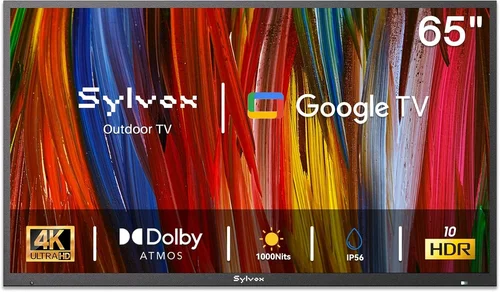
Outdoor living spaces like pergolas have evolved from simple shade structures into fully functional extensions of our homes—complete with grills, lighting, sound systems, and yes, even televisions. But bringing a TV outdoors isn’t as simple as mounting your living room set under a canopy. Exposure to sun, rain, humidity, dust, and temperature swings demands a specialized solution: a weatherproof TV built to thrive in the elements. Whether you’re hosting summer barbecues, watching the big game under string lights, or enjoying a quiet evening movie night in your backyard oasis, the right weatherproof TV can transform your pergola into a true outdoor entertainment hub.
This comprehensive buying guide is designed to help you navigate the often-confusing world of outdoor TVs with confidence. We’ll break down everything you need to know—from critical performance specs and build quality to budget considerations and common pitfalls—so you can make an informed decision that matches your lifestyle, space, and expectations. The market has grown significantly in recent years, with brands like Samsung, LG, SunBrite, and Seura offering increasingly sophisticated models tailored for outdoor use. However, not all “weatherproof” TVs are created equal, and understanding the nuances can mean the difference between a TV that lasts a decade and one that fails after a single rainy season.

What to Look for When Buying Buying Guide
1. Weather Resistance Rating (IP Rating)
The most fundamental factor when choosing a weatherproof TV is its Ingress Protection (IP) rating—a two-digit code that tells you exactly how well the TV resists dust and water. The first digit ranges from 0 to 6 and indicates protection against solid particles like dust; the second digit ranges from 0 to 9 and measures resistance to moisture. For pergola installations, where the TV may be partially exposed to rain, wind-driven moisture, and ambient humidity, we recommend a minimum IP55 rating. However, for full exposure or areas with heavy rainfall, aim for IP65 or higher.
An IP55-rated TV can handle low-pressure water jets from any direction and is dust-protected, making it suitable for covered pergolas with some overhang. An IP65 model offers complete dust-tight protection and can withstand powerful water jets—ideal if your pergola has minimal coverage or you live in a region with frequent storms. Some premium models even boast IP66 or IP67 ratings, providing near-total protection against immersion in water up to 1 meter deep for short periods. Always verify the IP rating with the manufacturer, as marketing terms like “weather-resistant” or “all-weather” can be misleading without official certification.
2. Display Technology & Brightness (Nits)
Outdoor visibility is arguably the biggest challenge for any TV used outside. Direct sunlight can wash out standard indoor displays, making images appear dim and colors muted. That’s why brightness—measured in nits—is critical. While most indoor TVs range from 200 to 600 nits, outdoor models typically start at 700 nits and can exceed 2,500 nits for premium units. For a pergola setup with partial shade, a minimum of 1,000 nits is advisable. If your pergola gets direct midday sun, consider models with 1,500+ nits.
Additionally, look for anti-glare or anti-reflective coatings on the screen. These reduce mirror-like reflections from sunlight, improving contrast and color accuracy. OLED technology, while offering superior black levels and viewing angles, tends to struggle in bright environments unless specifically engineered for outdoor use (like LG’s OLED EX series with enhanced brightness). Most high-end outdoor TVs use QLED or enhanced LED panels optimized for daylight visibility. Also pay attention to color gamut coverage—look for DCI-P3 or Rec. 2020 support for vibrant, lifelike colors even under harsh lighting.
3. Thermal Management & Operating Temperature Range
Electronics generate heat, and in an outdoor environment, that heat has nowhere to escape easily—especially in enclosed cabinets or tightly mounted setups. Overheating is a leading cause of premature failure in outdoor TVs. Quality weatherproof models include built-in cooling systems such as silent fans, heat sinks, or passive ventilation channels that maintain safe internal temperatures without compromising weather sealing.
Equally important is the specified operating temperature range. Most outdoor TVs are rated for use between -22°F (-30°C) and 122°F (50°C), but verify this with the manufacturer. If you live in an area with extreme winters or scorching summers, ensure the model you choose can handle those conditions. Some brands, like SunBriteTV, design their units with dual-zone thermal management—separate cooling for the display panel and internal electronics—to maximize longevity. Avoid placing the TV in direct sunlight during peak hours if possible, or use a compatible sunshade to reduce thermal load.
4. Build Quality & Materials
Durability goes beyond just the IP rating. The chassis, bezel, and internal components must be constructed from corrosion-resistant materials capable of withstanding years of UV exposure, salt air (if near the coast), and temperature cycling. Look for powder-coated aluminum or stainless-steel frames instead of plastic, which can become brittle and discolored over time. The screen itself should be made of tempered glass with hydrophobic and oleophobic coatings to repel water, fingerprints, and smudges.
Pay close attention to cable management and input ports. Outdoor TVs should feature sealed, rubber-grommeted HDMI and power ports to prevent moisture ingress. Some models include rear access panels or side-mounted connectors for easier maintenance. Also consider whether the TV comes with a vandal-resistant or tamper-proof design—especially important if installed in public or semi-public spaces. Finally, check the weight and mounting compatibility: many outdoor TVs require specialized VESA patterns or reinforced brackets due to their reinforced construction.
5. Smart Features & Connectivity
Just because a TV lives outside doesn’t mean it should lack modern conveniences. Most premium weatherproof TVs now come with full smart platforms—such as webOS (LG), Tizen (Samsung), or Android TV—allowing access to streaming services like Netflix, Disney+, and YouTube without needing an external device. Ensure the OS is regularly updated and supports voice assistants like Alexa or Google Assistant for hands-free control.
Connectivity options matter too. Look for at least three HDMI 2.1 ports (for gaming consoles, soundbars, or set-top boxes), USB ports for media playback, and Wi-Fi 6 or Ethernet for stable internet. Bluetooth support enables wireless audio streaming to outdoor speakers. Some models even include built-in tuners for over-the-air broadcasts. Avoid TVs that rely solely on proprietary apps or lack app store access—you want flexibility, not limitations. Also confirm that remote controls are weather-resistant or come with a protective case, as standard remotes won’t survive long in humid or wet conditions.
6. Audio Performance & Speaker Quality
Outdoor acoustics are vastly different from indoor environments. Sound dissipates quickly in open air, and background noise from wind, birds, or traffic can drown out dialogue. Many weatherproof TVs include enhanced speaker systems—often 20W to 40W output—with bass reflex designs or dedicated subwoofers to deliver fuller sound. However, for immersive audio experiences, especially in larger pergolas, we strongly recommend pairing your TV with a weatherproof soundbar or outdoor speaker system.
Check whether the TV supports audio passthrough via optical or HDMI ARC/eARC, which allows you to route sound to external amplifiers or wireless speakers. Some models also offer AI-powered sound optimization that adjusts EQ based on ambient noise levels. Avoid TVs with tinny, low-wattage speakers—they’ll leave you straining to hear during crucial moments. If audio is a priority, consider models with Dolby Atmos support or multi-channel output capabilities.
7. Brand Reputation & Industry Experience
Not all consumer electronics brands specialize in outdoor solutions. While Samsung and LG offer excellent indoor TVs, their outdoor offerings are often adaptations rather than purpose-built designs. True outdoor TV specialists—like SunBriteTV (a subsidiary of Sylvane), Seura, and Avid Power—have spent years refining products specifically for exterior use. These companies conduct rigorous environmental testing, including salt fog, thermal shock, and accelerated UV exposure trials.
Research customer reviews on trusted platforms like Wirecutter, CNET, or specialized forums like AVS Forum. Look for feedback on real-world durability, customer service responsiveness, and how well the TV performs after 12–24 months of outdoor use. Brands with a proven track record in commercial or hospitality installations (e.g., hotels, stadiums) often translate that reliability to residential products. Don’t be swayed by flashy specs alone—longevity and support matter just as much.
8. Warranty & After-Sales Support
A robust warranty is your safety net against manufacturing defects and environmental damage. Most reputable outdoor TV manufacturers offer warranties ranging from 2 to 5 years, with some extending coverage to include accidental damage or power surges. SunBriteTV, for example, provides a 3-year comprehensive warranty that covers both parts and labor, including in-home service in many regions.
Before purchasing, review the warranty terms carefully. Does it cover corrosion? What about damage from lightning strikes or power fluctuations? Is there a dedicated support line for outdoor products? Also check return policies—some retailers allow 30-day trials for outdoor TVs, letting you test performance in your specific environment. Avoid brands with vague or limited warranties, as repairs for outdoor units can be costly and logistically complex.
Different Types of Buying Guide

Common Buying Mistakes to Avoid
❌ Mistake: Assuming All “All-Weather” TVs Are Equal
Why it’s bad: The term “all-weather” is unregulated and often used loosely. A TV marketed as all-weather might only have basic splash resistance (IP44) and fail within months in a humid or rainy climate.
What to do instead: Always check the official IP rating and ask for third-party test reports. Prioritize models with documented performance in real-world outdoor conditions.
❌ Mistake: Overlooking Brightness Requirements
Why it’s bad: A 500-nit TV will look dim and washed out even in partial shade. You’ll constantly struggle to see content, defeating the purpose of having an outdoor screen.
What to do instead: Measure the light levels in your pergola at different times of day. Use a lux meter app or consult with an installer. Aim for at least 1,000 nits for shaded areas and 1,500+ for sun-exposed spots.
❌ Mistake: Skimping on Mounting Hardware
Why it’s bad: Standard indoor mounts aren’t designed for the weight, wind load, or thermal expansion of outdoor TVs. Improper mounting can lead to sagging, vibration damage, or even detachment during storms.
What to do instead: Invest in a certified outdoor mounting kit from the TV manufacturer or a trusted third party. Ensure it’s rated for your TV’s weight and includes tilt/swivel options for optimal viewing angles.
❌ Mistake: Ignoring Power Protection
Why it’s bad: Outdoor electrical systems are prone to surges from lightning, grid fluctuations, or nearby appliances. Without protection, a single spike can fry your TV’s circuitry.
What to do instead: Use a heavy-duty outdoor surge protector with at least 2,000 joules of protection. For added safety, consider installing a whole-house surge suppressor or UPS (uninterruptible power supply).
❌ Mistake: Neglecting Audio Planning
Why it’s bad: Relying solely on built-in speakers leads to poor sound quality, especially in open spaces. Dialogue becomes unintelligible, and music lacks depth.
What to do instead: Budget for a weatherproof soundbar or wireless speaker system from the start. Look for models with IPX5 or higher ratings and integrate them during installation.
❌ Mistake: Buying Based on Indoor TV Logic
Why it’s bad: Features like ultra-thin bezels, glossy finishes, or minimalist stands look great indoors but are impractical outdoors. They’re harder to clean, more prone to glare, and less durable.
What to do instead: Focus on function over form. Choose rugged builds, matte screens, and practical designs that prioritize longevity and performance in harsh conditions.
Budget Guidelines: How Much Should You Spend?
Entry-Level ($800 – $1,500): This tier includes convertible indoor/outdoor models or basic partial-shade TVs. Expect brightness around 700–1,000 nits, limited smart features, and shorter warranties (1–2 years). Ideal for seasonal use or fully covered pergolas with minimal exposure. Brands like Avid Power and some LG/Samsung “outdoor-ready” variants fall here.
Mid-Range ($1,500 – $3,000): The sweet spot for most homeowners. These TVs offer 1,000–1,500 nits brightness, IP55+ ratings, robust smart platforms, and 2–3 year warranties. Models from SunBriteTV’s Veranda series or Seura’s Shadow Series deliver excellent value with reliable performance in typical backyard conditions.
Premium ($3,000 – $6,000): Designed for full exposure and demanding environments. Expect 1,500–2,500+ nits, IP65/66 ratings, advanced thermal management, and commercial-grade materials. These are built to last 8–10 years with minimal maintenance. Perfect for open pergolas, coastal homes, or regions with extreme weather.
Luxury ($6,000+): Top-tier solutions for enthusiasts and professionals. Includes modular displays, 24/7 operation capability, custom finishes, and integrated control systems (e.g., Crestron, Control4). Often used in high-end resorts, luxury homes, or large outdoor entertainment zones. Brands like Peerless-AV and Planar offer bespoke options in this range.
Expert Tips for Getting the Best Deal
- Shop during off-seasons: Prices on outdoor TVs drop significantly in late fall and winter (October–February) when demand is lowest. Retailers often clear inventory before spring launches.
- Bundle with accessories: Many manufacturers offer discounts when you buy a TV with a mount, soundbar, or extended warranty. SunBriteTV frequently runs “complete outdoor entertainment” packages.
- Check certified refurbished units: Reputable sellers like Sylvane or manufacturer outlets sell certified pre-owned outdoor TVs with full warranties at 20–30% off retail.
- Negotiate with local installers: Some AV integrators have partnerships with outdoor TV brands and can secure volume discounts—ask if they offer package deals.
- Verify return policies: Ensure the retailer allows returns if the TV doesn’t perform well in your specific environment. Outdoor conditions vary widely by location.
- Register your warranty immediately: Some brands require registration within 30 days to activate full coverage. Keep all documentation and purchase receipts.
- Consider energy efficiency: Higher brightness often means higher power consumption. Look for ENERGY STAR-certified models to reduce long-term electricity costs.
- Test viewing angles beforehand: If possible, visit a showroom or friend’s setup to assess how the TV looks from typical seating positions in your pergola.

Frequently Asked Questions
Q: Can I use a regular indoor TV under my pergola?
A: Technically yes—but it’s not recommended. Indoor TVs lack weather sealing, proper brightness, and thermal management. Even under cover, humidity, temperature swings, and dust will shorten its lifespan dramatically. Most indoor TV warranties void coverage if used outdoors.
Q: Do weatherproof TVs need special cleaning?
A: Yes. Use a microfiber cloth and mild soap solution—never ammonia-based cleaners or abrasive pads. Avoid spraying liquid directly on the screen; instead, dampen the cloth first. Regular cleaning prevents grime buildup that can affect visibility and cooling.
Q: How do I protect my outdoor TV from theft?
A: Use a locking mount with security screws, install motion-sensor lighting, and consider a GPS tracker. Some high-end models offer built-in anti-theft alarms or integration with home security systems.
Q: Will my outdoor TV work in winter?
A: Most are rated for temperatures as low as -22°F (-30°C), but performance may degrade in extreme cold. Allow the TV to acclimate for 1–2 hours before powering on after exposure to sub-zero temps. Avoid rapid temperature changes.
Q: Can I stream 4K HDR content outdoors?
A: Absolutely. Most premium outdoor TVs support 4K UHD, HDR10, Dolby Vision, and HDMI 2.1. Just ensure your internet connection is stable—Wi-Fi 6 or wired Ethernet is preferred for buffer-free streaming.
Q: How long do weatherproof TVs typically last?
A: With proper installation and maintenance, quality outdoor TVs last 7–10 years. Full-exposure models may require more frequent component checks, but robust builds from trusted brands offer excellent longevity.
Q: Are there solar-powered outdoor TV options?
A: Not yet mainstream, but some DIY enthusiasts pair small outdoor displays with solar generators. For now, hardwired electrical connections remain the most reliable power source.
Q: Do I need a permit to install an outdoor TV?
A: It depends on local regulations. If you’re running new electrical wiring or modifying your pergola structure, a permit may be required. Consult your local building department before installation.
Q: Can I mount my outdoor TV on a post or freestanding frame?
A: Yes, but ensure the mounting solution is rated for wind load and seismic activity. Freestanding frames should be anchored to concrete footings for stability.
Q: What’s the difference between a weatherproof TV and a digital signage display?
A: Digital signage displays are built for 24/7 operation, often lack smart features, and prioritize reliability over consumer conveniences. Weatherproof TVs are designed for home entertainment with full smart platforms, better audio, and user-friendly interfaces.
Our Final Recommendations
Best for Budget-Conscious Buyers: SunBriteTV Veranda Series (55″) – Offers excellent brightness (1,000 nits), IP55 rating, and reliable performance at under $2,000. Perfect for covered pergolas with basic smart features.
Best Overall Value: Seura Shadow Series (65″) – Combines 1,500-nit brightness, IP65 protection, and a sleek design with robust audio. Priced around $3,200, it’s ideal for most outdoor living spaces.
Best Premium Option: SunBriteTV Pro Series (75″) – Built for full exposure with 2,500+ nits, IP66 rating, and military-grade durability. At ~$5,500, it’s the ultimate choice for open-air pergolas and harsh climates.
Best for Beginners: LG OLED G3 Outdoor Edition (55″) – A hybrid model that works indoors and out, with 1,200 nits and webOS simplicity. Great for those testing the outdoor TV waters without full commitment.
Best for Advanced Users: Peerless-AV Xtreme Outdoor Display (86″) – A commercial-grade beast with modular design, 3,000-nit brightness, and custom integration support. Ideal for tech-savvy homeowners building a smart outdoor ecosystem.
Conclusion: Making the Right Choice
Choosing the best weatherproof TV for your pergola is about more than just picking the shiniest screen—it’s about aligning technology with your environment, lifestyle, and long-term expectations. From understanding IP ratings and brightness needs to avoiding common installation pitfalls, every decision shapes how seamlessly your outdoor entertainment space comes to life. Remember: a great outdoor TV isn’t just durable—it’s invisible in the best way, delivering stunning visuals and reliable performance year after year without demanding constant attention.
As you weigh your options, prioritize your specific conditions. Is your pergola fully covered or open to the elements? How much direct sunlight does it receive? What’s your typical usage pattern—casual viewing or hosting large gatherings? Answering these questions honestly will guide you toward the right balance of performance, price, and peace of mind. And when in doubt, lean on expert reviews, professional installers, and manufacturer support to validate your choice.
Ultimately, investing in a quality weatherproof TV transforms your pergola from a passive retreat into an active centerpiece of outdoor living. Whether you’re catching sunrise yoga sessions, weekend football games, or stargazing with a movie soundtrack, the right TV ensures every moment shines—rain or shine. So take your time, do your research, and enjoy the journey. Your perfect outdoor screen is out there—ready to elevate every backyard adventure.

