
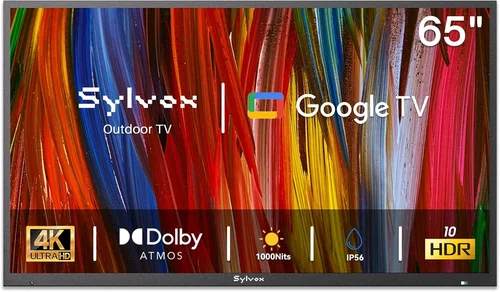
Outdoor sports watching has evolved far beyond the limitations of indoor viewing. Whether you’re hosting a backyard tailgate for the big game, enjoying a crisp morning round of golf on a patio TV, or catching live action from your deck during a summer barbecue, having a reliable, high-quality television that can withstand the elements is no longer a luxury—it’s a necessity. Traditional indoor TVs simply aren’t built to handle direct sunlight, humidity, rain, dust, or extreme temperatures. That’s where weatherproof TVs come in: purpose-built displays engineered to deliver stunning picture quality and dependable performance, no matter the weather.
This comprehensive buying guide is designed to help you navigate the growing market of outdoor televisions and make an informed decision tailored to your specific needs. Whether you’re a weekend warrior looking to upgrade your outdoor entertainment setup or a serious sports fan who refuses to miss a single play, we’ve got you covered. In the following pages, you’ll learn everything from the critical technical specifications that define a true weatherproof TV to the real-world performance differences between models. We’ll break down key factors like brightness, durability, connectivity, and installation requirements, and compare the various types of outdoor TVs available today. You’ll also discover common pitfalls to avoid, budget-friendly options that don’t compromise on quality, and expert tips to ensure you get the best value for your investment.
The market for weatherproof TVs has expanded significantly in recent years, driven by advances in display technology and a growing demand for outdoor living spaces. Major brands like Samsung, Sony, LG, and specialized manufacturers such as SunBriteTV, Seura, and Peerless have introduced models that blend cutting-edge picture quality with rugged, all-weather construction. These TVs are no longer just glorified monitors—they’re full-featured entertainment systems capable of streaming 4K content, supporting HDR, and integrating with smart home ecosystems. However, with so many options on the shelf, it’s easy to feel overwhelmed. That’s why this guide goes beyond surface-level specs. We’ll dive deep into what makes a TV truly suitable for outdoor use, helping you distinguish between marketing hype and genuine performance. By the end, you’ll have the knowledge and confidence to choose the best weatherproof TV for your outdoor sports-watching experience.

What to Look for When Buying Buying Guide
1. Brightness & Sunlight Readability
One of the most critical factors when selecting a weatherproof TV is its ability to remain visible in direct sunlight. Unlike indoor TVs, which typically operate in controlled lighting environments, outdoor displays must contend with intense ambient light that can wash out the screen. Look for a TV with a brightness rating of at least 700 nits, but ideally 1,000 nits or higher. This level of luminance ensures that colors remain vibrant and details stay sharp even under bright midday sun. Some premium models boast up to 2,500 nits, making them ideal for south-facing patios or open decks with minimal shade.
Beyond raw brightness, consider anti-glare and anti-reflective screen coatings. These technologies reduce the amount of light bouncing off the screen, improving contrast and minimizing eye strain. Additionally, full-array local dimming (FALD) can enhance black levels and dynamic range, which is especially important for night games or evening viewing. If you plan to watch during twilight hours or under partial shade, a TV with excellent contrast ratio and HDR support (such as HDR10, Dolby Vision, or HLG) will deliver a more immersive experience.
2. Weather Resistance & IP Rating
True weatherproof TVs are built to withstand the elements, but not all are created equal. The Ingress Protection (IP) rating is your best indicator of a TV’s resistance to dust and moisture. For outdoor use, look for a minimum IP55 rating, which means the TV is protected against dust ingress and low-pressure water jets from any direction. Higher-end models often feature IP65 or IP66 ratings, offering even greater protection against dust and powerful water sprays—ideal for coastal areas or regions with heavy rainfall.
However, IP ratings only tell part of the story. The entire unit, including the chassis, ports, and internal components, must be sealed and corrosion-resistant. Aluminum or powder-coated steel enclosures are common in high-quality outdoor TVs, as they resist rust and UV degradation. Also, check whether the TV is designed for permanent outdoor installation or if it’s meant for semi-outdoor use (like a covered porch). Permanent outdoor models typically have more robust sealing and thermal management systems to handle temperature fluctuations.
3. Temperature Tolerance & Thermal Management
Outdoor environments can experience extreme temperature swings—from freezing winters to scorching summer heat. A weatherproof TV must be engineered to operate reliably across a wide thermal range, typically from -22°F to 122°F (-30°C to 50°C). This is crucial because LCD panels and internal electronics can degrade or malfunction outside their optimal temperature window.
Look for TVs with active thermal management systems, such as internal fans or heat sinks, that help regulate temperature without exposing internal components to the elements. Some models use passive cooling with sealed heat exchangers, which are quieter and more durable over time. Avoid TVs that rely solely on passive convection, as they may overheat in direct sun or fail to function in cold weather. Additionally, check the manufacturer’s specifications for operating and storage temperature ranges—these should be clearly listed and match your local climate.
4. Build Quality & Durability
Durability goes beyond weather resistance. A high-quality outdoor TV should be built to last decades, not just a few seasons. The frame should be sturdy and resistant to warping, cracking, or fading under UV exposure. Look for TVs with reinforced corners, tamper-resistant screws, and vandal-resistant designs if you’re installing in a public or high-traffic area.
The screen itself should be made of tempered glass or polycarbonate with scratch-resistant properties. Some models feature shatterproof screens for added safety, especially in homes with children or pets. Pay attention to the weight and mounting options—outdoor TVs are often heavier due to their rugged construction, so ensure your wall or stand can support the load. VESA-compatible mounting is standard, but verify compatibility with your chosen bracket.
5. Display Technology & Picture Quality
While durability is essential, you still want a TV that delivers excellent picture quality. Most weatherproof TVs use either LED-LCD or OLED panels. LED-LCD is more common due to its higher brightness capabilities and lower cost, making it ideal for outdoor use. OLED, while offering superior contrast and deeper blacks, tends to be more expensive and less bright, which can be a drawback in sunny conditions.
Resolution is another key factor. 4K UHD (3840 x 2160) is the standard for modern outdoor TVs and provides sharp, detailed images even on larger screens. If you’re sitting more than 8–10 feet away, a 1080p model might suffice, but for closer viewing or larger displays, 4K is strongly recommended. HDR support enhances color accuracy and dynamic range, making sports action more lifelike. Look for TVs that support multiple HDR formats to ensure compatibility with various streaming services and broadcast standards.
6. Smart Features & Connectivity
Modern outdoor TVs are increasingly equipped with smart platforms that allow you to stream content directly without external devices. Popular options include Roku TV, Android TV, webOS (LG), and Tizen (Samsung). These platforms offer access to apps like Netflix, YouTube, ESPN, and Hulu, making it easy to catch live sports or on-demand highlights.
Connectivity is equally important. Ensure the TV has multiple HDMI ports (preferably HDMI 2.0 or 2.1 for 4K/60Hz), USB ports for media playback, and audio outputs for external speakers or soundbars. Some models include built-in Wi-Fi and Bluetooth for wireless streaming and audio. If you plan to use a streaming stick or game console, verify that the HDMI ports are easily accessible and not obstructed by the weatherproof housing.
7. Audio Performance
Outdoor environments are inherently noisy—wind, traffic, and ambient chatter can drown out dialogue and commentary. While many weatherproof TVs include built-in speakers, they are often limited in power and clarity. For the best audio experience, consider models with higher wattage (10W or more per channel) and enhanced audio processing features like Dolby Audio or DTS:X.
However, for serious sports watching, we recommend pairing your TV with external weatherproof speakers or a soundbar. Many outdoor TVs support optical audio output or Bluetooth, allowing you to connect wireless speakers without running cables through walls. If you’re mounting the TV in a hard-to-reach location, wireless audio solutions are a game-changer.
8. Installation & Mounting Considerations
Proper installation is crucial for both performance and longevity. Weatherproof TVs should be mounted in a location that minimizes direct sun exposure, such as under an eave, pergola, or retractable awning. Avoid placing the TV in areas prone to water pooling or heavy snow accumulation.
Use a weatherproof mounting bracket designed for outdoor use. These brackets are typically made of rust-resistant materials and include features like tilt and swivel for optimal viewing angles. Ensure the mounting surface is structurally sound—concrete, brick, or reinforced wood studs are ideal. If you’re unsure about installation, hire a professional to avoid damage to the TV or your property.
9. Warranty & Support
Given the investment involved, a strong warranty is essential. Most reputable outdoor TV manufacturers offer warranties ranging from 2 to 5 years, covering both parts and labor. Some brands, like SunBriteTV, provide extended service plans and in-home repair options, which can be invaluable if something goes wrong.
Check the warranty terms carefully—some exclude damage from improper installation or extreme weather events. Also, verify that the manufacturer offers customer support via phone, email, or live chat. A responsive support team can help troubleshoot issues quickly and minimize downtime during critical game days.
10. Brand Reputation & User Reviews
Not all outdoor TV brands are equal. Established names like Samsung, Sony, and LG have a proven track record of reliability and innovation, but specialized manufacturers like SunBriteTV, Seura, and Peerless are often leaders in outdoor-specific technology. These companies focus exclusively on weatherproof displays and typically offer better thermal management, brighter screens, and more robust enclosures.
Before making a purchase, read user reviews on trusted platforms like Amazon, Best Buy, or specialty AV forums. Look for feedback on long-term durability, picture quality in sunlight, and ease of installation. Pay attention to recurring issues—such as overheating, poor Wi-Fi connectivity, or speaker distortion—as these can indicate design flaws.
Different Types of Buying Guide

Common Buying Mistakes to Avoid
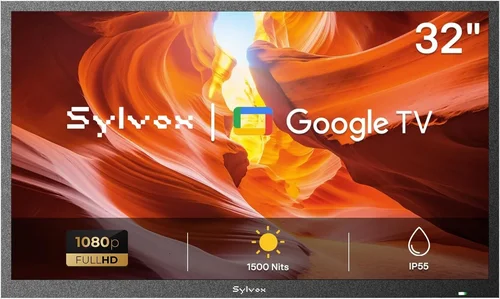
❌ Mistake: Buying an Indoor TV for Outdoor Use
Why it’s bad: Indoor TVs lack the brightness, weather resistance, and thermal protection needed for outdoor environments. They can overheat, suffer screen burn-in from UV exposure, or fail prematurely due to moisture ingress. In extreme cases, using an indoor TV outside can void the warranty or create safety hazards.
What to do instead: Invest in a TV specifically designed for outdoor use. Even if you’re placing it under a covered area, a semi-outdoor model will offer better longevity and performance.
❌ Mistake: Ignoring Brightness Requirements
Why it’s bad: A dim screen will be unreadable in sunlight, turning your outdoor viewing experience into a frustrating blur. Many buyers assume their indoor TV’s brightness is sufficient, only to be disappointed when they can’t see the game.
What to do instead: Prioritize TVs with at least 1,000 nits of brightness. If your viewing area gets direct sun, aim for 1,500 nits or higher. Test the TV in similar lighting conditions if possible.
❌ Mistake: Overlooking Installation Challenges
Why it’s bad: Improper mounting can lead to water damage, structural failure, or poor viewing angles. DIY installations without proper tools or knowledge can also void warranties.
What to do instead: Use a certified outdoor mounting bracket and consult a professional installer if you’re unsure. Ensure the mounting surface is level, secure, and protected from water runoff.
❌ Mistake: Skimping on Audio
Why it’s bad: Built-in TV speakers are often underpowered and easily drowned out by outdoor noise. Poor audio can ruin the excitement of a close game or critical play.
What to do instead: Pair your TV with weatherproof outdoor speakers or a Bluetooth soundbar. Look for models with optical audio output for wired connections or strong Bluetooth range for wireless setups.
❌ Mistake: Not Checking Warranty Coverage
Why it’s bad: Outdoor TVs are expensive, and repairs can be costly. A limited or unclear warranty may leave you paying out of pocket for issues that should be covered.
What to do instead: Read the warranty terms carefully. Look for coverage of weather-related damage, thermal issues, and labor costs. Consider extended service plans for added peace of mind.
❌ Mistake: Choosing the Wrong Size
Why it’s bad: A TV that’s too small will be hard to see from a distance, while one that’s too large can overwhelm the space and increase glare.
What to do instead: Measure your viewing distance and use a TV size calculator. For outdoor use, add 10–20% to the recommended indoor size due to ambient light and distance.
❌ Mistake: Forgetting About Connectivity
Why it’s bad: Running cables through walls or under decks can be difficult and unsightly. Limited ports may force you to use unreliable adapters or daisy-chain devices.
What to do instead: Choose a TV with multiple HDMI, USB, and audio ports. Consider wireless streaming options like Wi-Fi 6 or Bluetooth 5.0 for a cleaner setup.
Budget Guidelines: How Much Should You Spend?
Entry-Level ($500 – $1,200): This range includes portable outdoor TVs and indoor models with basic outdoor enclosures. These are ideal for temporary setups like tailgating or camping. Picture quality and durability are limited, but they offer a budget-friendly way to enjoy outdoor viewing. Expect lower brightness (500–700 nits), basic weather resistance, and minimal smart features.
Mid-Range ($1,200 – $2,500): This is the sweet spot for most buyers. You’ll find semi-outdoor TVs and entry-level all-weather models with 1,000+ nits brightness, IP55 ratings, and decent smart platforms. These TVs are suitable for covered patios and offer a good balance of performance, durability, and price. Look for 4K resolution, HDR support, and reliable Wi-Fi connectivity.
Premium ($2,500 – $4,500): Designed for full outdoor exposure, these TVs feature IP65+ ratings, advanced thermal management, and high-end display technology. Brands like SunBriteTV and Seura dominate this space, offering models with 1,500–2,500 nits brightness, anti-glare screens, and robust audio systems. These are ideal for open decks, pool areas, and year-round use.
Luxury ($4,500+): At this level, you’re investing in commercial-grade durability and cutting-edge performance. These TVs are built for 24/7 operation, extreme climates, and professional installations. Features may include modular designs, remote monitoring, and custom mounting solutions. Perfect for luxury homes, resorts, or public venues.
Expert Tips for Getting the Best Deal
– Buy During Off-Season: Prices on outdoor TVs often drop in late fall and winter when demand is lower. Look for end-of-season sales from retailers like Best Buy, Costco, or specialty AV dealers.
– Check Manufacturer Rebates: Brands like Samsung and Sony frequently offer rebates or bundle deals with outdoor speakers or mounts. Sign up for newsletters to stay informed.
– Consider Refurbished Models: Certified refurbished outdoor TVs from reputable sellers can save you 20–30% off retail. Ensure they come with a full warranty.
– Bundle with Accessories: Some retailers offer discounts when you buy a TV with a weatherproof mount, soundbar, or streaming device. These bundles can provide better value than purchasing separately.
– Read the Fine Print on Returns: Outdoor TVs often have stricter return policies due to their specialized nature. Confirm the return window and restocking fees before buying.
– Test Before You Buy: If possible, visit a showroom to see the TV in person. Pay attention to brightness, color accuracy, and menu navigation.
– Invest in a Surge Protector: Outdoor electronics are vulnerable to power surges from lightning or grid fluctuations. Use a high-quality outdoor-rated surge protector to safeguard your investment.

Frequently Asked Questions
Q: Can I use a regular TV outdoors if it’s under a covered patio?
A: While possible, it’s not recommended for long-term use. Indoor TVs lack the brightness and weather resistance needed for outdoor conditions. Even under cover, they can suffer from humidity, temperature swings, and UV exposure. A semi-outdoor TV is a safer, more reliable choice.
Q: How do I clean my weatherproof TV screen?
A: Use a soft, lint-free microfiber cloth and a mild cleaning solution designed for electronics. Avoid ammonia-based cleaners or abrasive materials. Gently wipe the screen in a circular motion. For the exterior, use a damp cloth and dry thoroughly.
Q: Do outdoor TVs consume more power?
A: Yes, due to higher brightness and thermal systems, outdoor TVs typically use 20–30% more power than indoor models. Look for Energy Star-certified models to reduce electricity costs.
Q: Can I leave my outdoor TV on all the time?
A: Most all-weather TVs are designed for continuous operation, but it’s best to turn them off when not in use to extend lifespan and save energy. Use a smart plug with a timer for convenience.
Q: What’s the difference between IP55 and IP65?
A: IP55 protects against dust and low-pressure water jets. IP65 offers complete dust protection and resistance to water projected from a nozzle. IP65 is better for areas with heavy rain or sprinkler exposure.
Q: Do I need a special antenna for outdoor TV?
A: For over-the-air broadcasts, a high-gain outdoor antenna is recommended to ensure strong signal reception. Indoor antennas often struggle with outdoor interference.
Q: Can I install the TV myself?
A: If you’re experienced with electrical work and mounting hardware, DIY installation is possible. However, for permanent setups or complex wiring, hiring a professional is safer and may be required by warranty terms.
Q: Are outdoor TVs compatible with streaming devices?
A: Yes, most outdoor TVs have HDMI ports and support popular streaming devices like Roku, Apple TV, and Amazon Fire Stick. Ensure the ports are accessible and the TV supports HDCP 2.2 for 4K content.
Q: How long do weatherproof TVs last?
A: With proper installation and maintenance, high-quality outdoor TVs can last 7–10 years or more. Lower-end models may need replacement sooner due to component degradation.
Q: Can I use a soundbar with an outdoor TV?
A: Yes, many outdoor TVs support soundbars via HDMI ARC, optical audio, or Bluetooth. Choose a weatherproof soundbar for full outdoor compatibility.
Our Final Recommendations
Best for Budget-Conscious Buyers: SunBriteTV Veranda Series 55″ – Offers excellent brightness (1,000 nits), IP55 rating, and 4K HDR at a competitive price. Ideal for covered patios and casual outdoor viewing.
Best Overall Value: Seura Outdoor 65″ 4K Smart TV – Combines premium build quality, 1,500 nits brightness, and a sleek design. Includes built-in Roku for easy streaming and strong audio performance.
Best Premium Option: Peerless-AV Xtreme 75″ All-Weather TV – Built for extreme conditions with IP66 rating, 2,500 nits brightness, and commercial-grade durability. Perfect for open decks and luxury installations.
Best for Beginners: Samsung The Terrace 55″ – User-friendly interface, excellent picture quality, and reliable performance. Great for first-time outdoor TV buyers.
Best for Advanced Users: SunBriteTV Pro Series 65″ – Features modular design, remote monitoring, and customizable mounting. Ideal for tech-savvy users who want full control over their setup.
Conclusion: Making the Right Choice
Choosing the best weatherproof TV for outdoor sports watching is about more than just picture quality—it’s about finding a display that can thrive in the unpredictable world of outdoor entertainment. From battling glare under midday sun to surviving a sudden downpour, your TV must be as resilient as it is responsive. By focusing on key factors like brightness, weather resistance, thermal management, and smart features, you can narrow down your options and find a model that fits both your environment and your entertainment needs.
Remember, the most expensive TV isn’t always the best choice. Consider your specific use case: Are you watching from a shaded patio or an open deck? Do you need portability or permanent installation? How important is audio quality? Answering these questions will guide you toward the right balance of performance, durability, and value.
Don’t rush the decision. Take advantage of seasonal sales, read user reviews, and consult with experts if needed. And when you do make your purchase, invest in proper installation and accessories to protect your investment for years to come. With the right weatherproof TV, every game day becomes an event, every play feels closer, and your outdoor space transforms into the ultimate sports-watching destination.

