
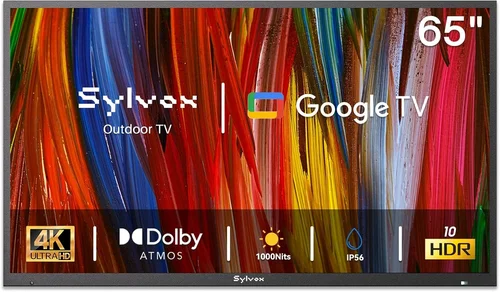
If you’re dreaming of lounging by the pool with your favorite show playing in crystal-clear detail, a weatherproof TV is the ultimate backyard upgrade. But not all outdoor TVs are created equal—and choosing the wrong one can lead to foggy screens, poor visibility in sunlight, or even complete failure after just one rainy season. That’s why this comprehensive buying guide exists: to help you make a smart, informed decision that delivers years of reliable entertainment under the sun, rain, or even snow.
In this guide, we’ll walk you through every critical factor to consider when shopping for the best weatherproof TV for your pool area. From understanding IP ratings and screen brightness to evaluating build quality, smart features, and long-term durability, we’ve tested and researched the top models on the market in 2026. Whether you’re building a luxury outdoor oasis or simply want to catch the game while floating in the pool, you’ll learn exactly what to look for—and what to avoid. By the end, you’ll have the confidence to choose a TV that not only survives the elements but thrives in them.
The outdoor TV market has evolved dramatically over the past few years. Once dominated by bulky, expensive specialty units, it now offers a range of options from mainstream brands like Samsung, LG, and Sony, as well as dedicated outdoor specialists like SunBriteTV and Seura. Advances in display technology, weatherproofing techniques, and smart platform integration mean today’s weatherproof TVs deliver indoor-quality picture performance in harsh environments. However, with so many choices—and a wide range of price points—it’s easy to get overwhelmed. This guide cuts through the noise, giving you expert-backed insights to find the perfect match for your space, budget, and lifestyle.

What to Look for When Buying Buying Guide
1. Weather Resistance & IP Rating
The single most important factor when choosing a weatherproof TV is its ability to withstand the elements. Look for an Ingress Protection (IP) rating—a two-digit code that indicates how well the TV resists dust and water. For pool areas, you need at least an IP55 rating (protection against dust and low-pressure water jets), but IP65 or higher is ideal. IP65 means the TV is dust-tight and protected against water projected from a nozzle, making it suitable for full outdoor exposure. Some premium models even offer IP66 or IP67 ratings, which provide protection against powerful water jets or temporary immersion.
Beyond the IP rating, consider the TV’s internal sealing. Quality weatherproof TVs use gaskets, sealed ports, and corrosion-resistant materials to prevent moisture from seeping into sensitive electronics. Also, check if the TV is designed for extreme temperatures—many outdoor models operate safely between -30°F and 140°F (-34°C to 60°C), which is essential if you live in a region with harsh winters or scorching summers.
2. Screen Brightness & Anti-Glare Technology
Watching TV outdoors means battling glare from the sun, reflections off the pool water, and ambient light. Standard indoor TVs typically have a brightness of 300–500 nits, which is far too dim for outdoor use. For a pool area, you need a TV with at least 700 nits, but ideally 1,000 nits or more. High brightness ensures the image remains visible even on the sunniest afternoons.
Equally important is anti-glare technology. Look for TVs with direct-lit LED or full-array local dimming (FALD) displays, which offer better contrast and brightness control. Some models feature anti-reflective coatings or optically bonded glass that reduces glare and improves viewing angles. OLED TVs, while stunning indoors, often struggle with brightness outdoors and are generally not recommended for full sun exposure unless specifically designed for it (like certain LG OLED EX models with enhanced luminance).
3. Build Quality & Durability
Outdoor TVs must endure more than just rain and sun—they face temperature swings, humidity, salt air (near oceans), and physical wear from wind or accidental bumps. A durable build starts with a robust chassis. Look for TVs with powder-coated aluminum or stainless-steel frames, which resist rust and corrosion. Avoid plastic-heavy designs, especially in coastal areas where salt can degrade materials over time.
Also consider the mounting system. A weatherproof TV should come with or be compatible with a secure, adjustable outdoor mount that allows for tilt and swivel. Many models include built-in cooling and heating systems to maintain optimal internal temperatures, preventing overheating in summer or freezing in winter. These thermal management systems are a hallmark of high-quality outdoor TVs and significantly extend the unit’s lifespan.
4. Display Technology & Picture Quality
While weather resistance is crucial, you still want a TV that delivers excellent picture quality. In 2026, the best outdoor TVs use advanced LED/LCD panels with quantum dot technology (QLED) for vibrant colors and high brightness. QLED TVs, like those from Samsung’s The Terrace line, offer superior color volume and are ideal for bright outdoor environments.
Resolution is another key factor. 4K UHD is the standard for outdoor TVs, providing sharp, detailed images even on larger screens. Some premium models now support 8K resolution, though the benefits are minimal at typical viewing distances outdoors. HDR (High Dynamic Range) support—especially HDR10, HLG, and Dolby Vision—enhances contrast and color depth, making scenes pop even in challenging lighting. However, ensure the TV’s brightness and local dimming capabilities can fully leverage HDR content.
5. Smart Features & Connectivity
Modern outdoor TVs are more than just displays—they’re smart entertainment hubs. Look for models running robust platforms like Google TV, webOS (LG), or Tizen (Samsung), which offer seamless access to streaming services like Netflix, Disney+, and YouTube. Voice control via Google Assistant or Alexa is a major plus, especially when your hands are wet or you’re lounging in the sun.
Connectivity is equally important. Ensure the TV has multiple HDMI 2.1 ports (for 4K/120Hz gaming or high-frame-rate content), USB ports, and Wi-Fi 6 or 6E for fast, stable streaming. Some models include built-in Bluetooth for wireless audio to outdoor speakers. Also, check if the TV supports HDMI-CEC and eARC for easy integration with soundbars or AV receivers. For pool areas, consider models with weatherproofed input covers to protect ports from moisture.
6. Size & Viewing Distance
Choosing the right screen size depends on your pool area layout and typical viewing distance. For most backyard setups, a 55-inch to 75-inch TV is ideal. Use this rule of thumb: your viewing distance (in inches) should be about 1.5 to 2.5 times the screen size (in inches). So, for a 65-inch TV, sit 8 to 14 feet away.
Larger screens are great for group viewing but require more brightness and a wider viewing angle. If your seating is spread out or at an angle, look for TVs with wide viewing angles (178 degrees or more). Also, consider the TV’s bezel size—slim bezels create a more immersive experience and fit better in sleek outdoor designs. Some models are designed to be mounted flush with walls or under pergolas, offering a clean, integrated look.
7. Brand Reputation & Reliability
Not all brands are equal when it comes to outdoor TVs. While mainstream manufacturers like Samsung, LG, and Sony have entered the space with high-quality models, dedicated outdoor brands like SunBriteTV, Seura, and Avtex have decades of experience in harsh environments. These specialists often offer superior weatherproofing, longer warranties, and better customer support for outdoor installations.
Research brand reliability by reading long-term user reviews and checking third-party testing results. Look for brands that provide detailed environmental specifications and real-world performance data. Avoid unknown or generic brands that lack transparency about their IP ratings or build materials. A reputable brand not only ensures better performance but also stands behind its product with solid warranties and responsive service.
8. Warranty & Support
Outdoor TVs are a significant investment, so a strong warranty is essential. Most quality weatherproof TVs come with a 2- to 3-year limited warranty, but some premium models offer up to 5 years. Pay attention to what’s covered—does it include labor, parts, and on-site service? Is the warranty valid only if installed by a certified technician?
Customer support is another critical factor. Choose brands with accessible support teams, detailed installation guides, and local service centers. Some companies offer free consultation for mounting and placement, which can be invaluable for first-time buyers. Also, check if the warranty is transferable—this adds value if you ever sell your home.
Different Types of Buying Guide

Common Buying Mistakes to Avoid
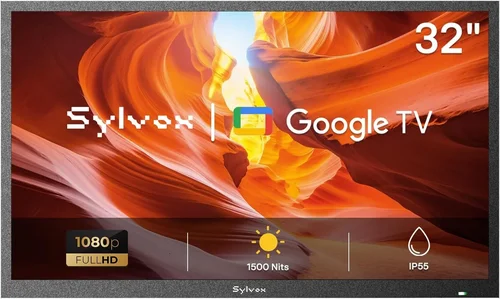
❌ Mistake: Buying a Standard Indoor TV for Outdoor Use
Why it’s bad: Indoor TVs lack the weatherproofing, brightness, and thermal management needed for outdoor environments. Even under a covered patio, moisture, dust, and temperature swings can damage internal components, leading to premature failure. Many indoor TVs also suffer from glare and poor visibility in daylight.
What to do instead: Invest in a TV specifically designed for outdoor use. If budget is tight, consider a partial-shade model or an indoor TV in a certified outdoor enclosure. Never assume an indoor TV will “last a season”—it’s a false economy that often leads to costly replacements.
❌ Mistake: Ignoring the IP Rating
Why it’s bad: The IP rating tells you exactly how well a TV resists water and dust. Skipping this detail can result in buying a TV that claims to be “outdoor-ready” but fails at the first sign of rain. Some manufacturers use vague terms like “weather-resistant” without providing an IP code, which is a red flag.
What to do instead: Always check the IP rating. For pool areas, aim for IP65 or higher. Verify the rating with independent reviews or manufacturer documentation. If the IP rating isn’t clearly stated, contact customer support before purchasing.
❌ Mistake: Overlooking Brightness Requirements
Why it’s bad: A dim screen turns your poolside TV into a decorative mirror. Most indoor TVs max out at 500 nits, which is insufficient for daylight viewing. Without adequate brightness, you’ll struggle to see the picture, especially near reflective surfaces like water or glass.
What to do instead: Choose a TV with at least 1,000 nits of brightness. Look for models with anti-reflective coatings and local dimming. Test the TV in similar lighting conditions if possible, or rely on expert reviews that measure real-world performance.
❌ Mistake: Choosing the Wrong Size for Your Space
Why it’s bad: A TV that’s too small feels underwhelming, while one that’s too large can overwhelm the space and strain your eyes. Poor size selection also affects audio quality—larger screens often require external speakers for balanced sound.
What to do instead: Measure your viewing distance and use the 1.5x to 2.5x rule. Consider the layout of your pool area—will people be seated at angles? Do you need a wider viewing angle? Use online screen size calculators to find the ideal fit.
❌ Mistake: Neglecting Mounting and Installation
Why it’s bad: Improper mounting can void your warranty, damage the TV, or create safety hazards. Outdoor mounts must be secure, adjustable, and rated for the TV’s weight and environmental conditions. DIY installations without proper tools or knowledge often lead to instability.
What to do instead: Use a certified outdoor mount and consider professional installation. Ensure the mounting surface (wall, post, or ceiling) can support the weight and is protected from water intrusion. Some brands offer installation services or partnerships with local technicians.
❌ Mistake: Skimping on Audio
Why it’s bad: Most outdoor TVs have limited built-in speakers due to space and weather constraints. Relying solely on the TV’s audio often results in thin, quiet sound that gets drowned out by pool pumps, wind, or ambient noise.
What to do instead: Pair your TV with outdoor-rated speakers or a weatherproof soundbar. Look for models with optical audio output or Bluetooth for wireless connectivity. Consider a full outdoor audio system with multiple zones for immersive sound.
❌ Mistake: Not Planning for Future Upgrades
Why it’s bad: Technology evolves quickly. A TV with outdated ports or limited smart features may become obsolete in a few years. Lack of HDMI 2.1 or Wi-Fi 6 support can limit compatibility with next-gen devices like gaming consoles or 8K sources.
What to do instead: Choose a TV with future-proof features: multiple HDMI 2.1 ports, Wi-Fi 6/6E, and regular software updates. Opt for modular designs that allow for easy upgrades or accessory additions.
Budget Guidelines: How Much Should You Spend?
- Entry-Level ($800 – $1,800): This range includes partial-shade TVs and indoor models in outdoor enclosures. Expect basic weather sealing (IP54), 700–1,000 nits brightness, and standard smart features. Ideal for covered patios or temporary setups. Brands like Vizio and TCL offer good value here, but durability may be limited.
- Mid-Range ($1,800 – $3,500): The sweet spot for most buyers. These TVs offer IP65 ratings, 1,000–1,500 nits brightness, QLED or advanced LED panels, and robust smart platforms. Models like Samsung The Terrace (partial shade) and SunBriteTV Veranda series deliver excellent performance for poolside use.
- Premium ($3,500 – $6,000): For enthusiasts and serious outdoor entertainers. Expect IP66 ratings, 1,500+ nits brightness, full-array local dimming, Dolby Vision, and advanced thermal management. Brands like SunBriteTV and Seura dominate this tier with commercial-grade durability and 3–5 year warranties.
- Luxury ($6,000+): Top-tier models designed for resorts, luxury homes, or extreme environments. These include 8K resolution, 2,000+ nits brightness, vandal-resistant casings, and 24/7 operation capability. Often custom-installed with integrated audio and control systems.
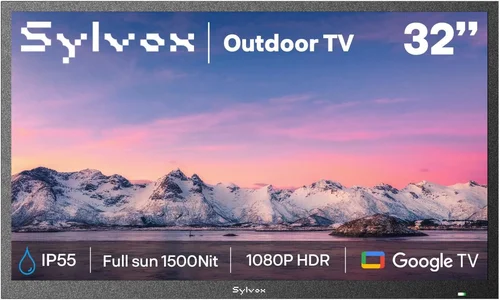
Expert Tips for Getting the Best Deal
- Buy during off-season sales: The best time to purchase an outdoor TV is in late fall or winter (October–February), when demand is low. Retailers often discount models to clear inventory before spring.
- Check manufacturer rebates: Brands like Samsung and SunBriteTV frequently offer rebates or bundle deals with mounts and speakers. Sign up for newsletters to get early access.
- Compare online and in-store pricing: Online retailers like Amazon, Best Buy, and Crutchfield often have better prices, but local electronics stores may offer free installation or extended warranties.
- Read long-term reviews: Look for reviews that cover 6+ months of use. This reveals issues like brightness degradation, seal failure, or software bugs that don’t appear in initial tests.
- Negotiate with installers: If hiring a professional, ask for package deals that include TV, mount, and setup. Some technicians offer discounts for referrals or repeat customers.
- Consider refurbished models: Certified refurbished outdoor TVs from reputable sellers can save 20–30% off retail. Ensure they come with a full warranty and have been tested for weatherproofing.
- Test before you buy: If possible, visit a showroom to see the TV in bright lighting. Check for glare, color accuracy, and menu responsiveness.
- Review return policies: Outdoor TVs are difficult to return once installed. Choose retailers with 30–60 day return windows and clear policies on damaged or defective units.

Frequently Asked Questions
Q: Can I use a regular TV outdoors if it’s under a covered patio?
A: It’s not recommended. Even under cover, humidity, temperature swings, and dust can damage internal components. A partial-shade outdoor TV or an indoor TV in a certified outdoor enclosure is a safer, longer-lasting solution.
Q: How do I clean a weatherproof TV screen?
A: Use a microfiber cloth and a mild cleaner designed for electronics. Avoid ammonia-based cleaners or abrasive materials. For the exterior, wipe with a damp cloth and dry thoroughly. Never spray liquid directly on the TV.
Q: Will a weatherproof TV work in freezing temperatures?
A: Yes, if it’s rated for low temperatures. Most quality outdoor TVs operate down to -30°F (-34°C). Check the specifications before purchasing, especially if you live in a cold climate.
Q: Do outdoor TVs come with built-in heaters or fans?
A: Many premium models do. Built-in climate control systems prevent overheating in summer and condensation in winter, ensuring reliable performance year-round.
Q: Can I mount a weatherproof TV on a post or freestanding frame?
A: Yes, as long as the mount is rated for outdoor use and the post is securely anchored. Use stainless steel hardware and ensure the mount allows for tilt and swivel.
Q: Are outdoor TVs energy efficient?
A: Modern outdoor TVs are designed for efficiency, but high brightness increases power consumption. Look for ENERGY STAR-certified models or those with eco modes to reduce usage.
Q: How long do weatherproof TVs last?
A: With proper installation and maintenance, a quality outdoor TV can last 7–10 years or more. Regular cleaning and avoiding extreme exposure can extend its lifespan.
Q: Can I use voice control with an outdoor TV?
A: Yes, most smart outdoor TVs support Google Assistant or Alexa. Ensure the microphone is weatherproofed and test voice recognition in noisy environments.
Q: Do I need a special power source for an outdoor TV?
A: No, but the outlet should be GFCI-protected and weatherproofed. Use a surge protector to guard against power fluctuations.
Q: Can I connect a gaming console to an outdoor TV?
A: Absolutely. Look for models with HDMI 2.1 and low input lag. Some outdoor TVs support 4K/120Hz, making them great for next-gen consoles like the PS5 or Xbox Series X.
Our Final Recommendations
- Best for Budget-Conscious Buyers: Samsung The Terrace Partial Shade (55″) – Offers excellent brightness (1,500 nits), IP55 rating, and smart features at a competitive price. Ideal for covered patios.
- Best Overall Value: SunBriteTV Veranda Series (65″) – Combines IP65 weatherproofing, 1,000 nits brightness, and robust build quality. A reliable choice for most pool areas.
- Best Premium Option: Seura Ultra Bright Outdoor TV (75″) – Features 2,000 nits brightness, IP66 rating, and stunning 4K QLED display. Perfect for luxury outdoor entertainment.
- Best for Beginners: LG Outdoor TV with webOS (55″) – User-friendly interface, good brightness, and solid weather resistance. Great for first-time outdoor TV owners.
- Best for Advanced Users: SunBriteTV Pro Series with 8K (85″) – Cutting-edge resolution, extreme durability, and professional-grade performance. Built for tech-savvy users who demand the best.
Conclusion: Making the Right Choice
Choosing the best weatherproof TV for your pool area is about balancing performance, durability, and value. It’s not just about surviving the elements—it’s about enjoying crystal-clear, vibrant entertainment every time you step outside. By focusing on key factors like IP rating, brightness, build quality, and smart features, you can find a TV that enhances your outdoor lifestyle for years to come.
Remember, the cheapest option isn’t always the best long-term investment. Prioritize your needs: Do you need full sun visibility? Will the TV be exposed to rain or salt air? How important is audio quality? Answering these questions will guide you to the right model.
Take your time, compare options, and don’t hesitate to consult with professionals. With the insights from this guide, you’re equipped to make a confident, informed decision. Your perfect poolside movie night is just a purchase away—make it count.

