
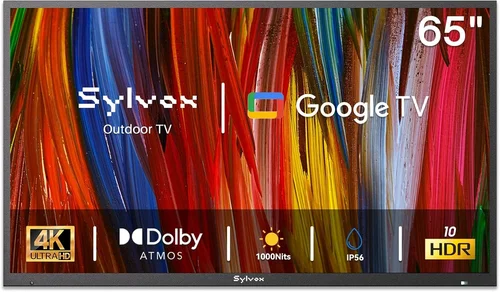
Outdoor kitchens have evolved from simple grilling stations into full-fledged culinary entertainment zones. Whether you’re hosting summer barbecues, watching the big game with friends, or simply enjoying a quiet evening under the stars, having a reliable TV in your outdoor kitchen transforms the experience. But unlike indoor televisions, outdoor TVs face harsh conditions—direct sunlight, rain, humidity, dust, temperature swings, and even pests. That’s why choosing the right weatherproof TV isn’t just about picture quality; it’s about durability, performance, and long-term value.
This comprehensive buying guide is designed to help you navigate the complex world of outdoor TVs in 2026. Whether you’re a homeowner building your dream outdoor kitchen or a contractor sourcing equipment for high-end installations, this guide will equip you with expert knowledge to make a smart, informed decision. We’ll break down the essential factors to consider, compare different types of outdoor TVs, highlight common pitfalls, and provide actionable tips to get the best deal. By the end, you’ll know exactly what to look for—and what to avoid—when investing in a TV that can stand up to the elements without compromising on performance.
The outdoor TV market has matured significantly over the past decade. Once dominated by a handful of niche manufacturers, it now includes mainstream brands offering weather-resistant models alongside specialized outdoor display companies. From fully sealed, all-weather LCDs to high-brightness commercial-grade screens, the options are more diverse—and more confusing—than ever. Prices range from under $1,000 to well over $5,000, depending on size, features, and build quality. With so many choices, it’s easy to overspend on unnecessary features or, worse, end up with a TV that fails after one season. This guide cuts through the noise, focusing on real-world performance, reliability, and value.

What to Look for When Buying Buying Guide
1. Weatherproof Rating & IP Certification
One of the most critical factors when selecting an outdoor TV is its weatherproof rating, typically indicated by an IP (Ingress Protection) code. This two-digit number tells you exactly how well the TV resists dust and water. For outdoor kitchens, you need at least an IP55 rating—this means the TV is protected against dust ingress (limited) and low-pressure water jets from any direction. However, for areas exposed to heavy rain, sprinklers, or high humidity, aim for IP65 or higher. An IP65-rated TV is dust-tight and protected against water projected from a nozzle, making it ideal for most outdoor environments.
Don’t be fooled by marketing terms like “weather-resistant” or “outdoor-ready” without an IP rating. These are often vague and don’t guarantee protection. Always verify the IP certification and understand what it means. For example, an IP66 rating offers even better water resistance, suitable for coastal areas or regions with frequent storms. Some premium models go up to IP68, which allows submersion in water—though this is usually overkill for outdoor kitchens unless you’re near a pool or fountain.
Also, consider the TV’s internal climate control. Many weatherproof TVs include built-in heaters and cooling fans to maintain optimal operating temperatures. This is crucial because extreme heat can cause screen burn-in or component failure, while cold temperatures can slow response times or damage internal circuits. Look for models with automatic thermal management that adjusts based on ambient conditions.
2. Brightness & Anti-Glare Technology
Sunlight is the enemy of outdoor viewing. Even the best indoor TV will appear washed out under direct sun. That’s why outdoor TVs must have significantly higher brightness levels—measured in nits—than their indoor counterparts. For shaded outdoor kitchens, a minimum of 700 nits is acceptable, but for areas with partial or full sun exposure, you’ll need at least 1,000 to 2,500 nits. Premium models can exceed 3,000 nits, ensuring crisp, vibrant images even at noon.
Brightness alone isn’t enough. Anti-glare or anti-reflective coatings are equally important. These coatings reduce mirror-like reflections from windows, stainless steel appliances, or shiny countertops—common in outdoor kitchens. Look for TVs with matte finishes and advanced optical filters that diffuse light rather than reflect it. Some manufacturers use proprietary technologies like “Sunlight Readable” or “Daylight Viewable” displays, which combine high brightness with specialized polarizing layers to enhance contrast and color accuracy in bright conditions.
Another factor is viewing angle. Outdoor kitchens often have multiple seating areas, so you want a TV that maintains color and contrast even when viewed from the side. IPS (In-Plane Switching) panels offer wider viewing angles than VA (Vertical Alignment) panels, though they may sacrifice some contrast. For outdoor use, the trade-off is usually worth it—especially if your TV will be mounted above a grill or island where viewers might be standing at an angle.
3. Build Quality & Durational Materials
An outdoor TV isn’t just a screen—it’s a piece of ruggedized equipment. The enclosure must be made from corrosion-resistant materials like powder-coated aluminum or marine-grade stainless steel. These materials resist rust, UV degradation, and salt air, making them ideal for coastal or humid environments. Avoid plastic housings, even if they’re labeled “weatherproof.” Over time, UV exposure can cause plastic to become brittle and crack, compromising the seal.
Pay attention to the seals and gaskets. High-quality outdoor TVs use silicone or rubber gaskets around ports, vents, and the screen bezel to prevent moisture and dust from entering. Look for models with fully sealed rear panels and no exposed ventilation holes. Some manufacturers go a step further by using conformal coating on internal circuit boards—a protective layer that shields electronics from moisture and corrosion.
Durability also extends to the mounting system. Outdoor TVs should come with heavy-duty, corrosion-resistant wall mounts or articulating arms. Ensure the mount is rated for the TV’s weight and includes features like tilt and swivel for optimal viewing angles. If you’re mounting the TV under a pergola or awning, consider a ceiling mount with a weatherproof junction box to protect wiring.
4. Performance Specifications
While durability is paramount, you still want a TV that delivers excellent picture and sound quality. Start with resolution: 4K UHD is the standard in 2026, offering four times the detail of Full HD. For screens 55 inches and larger, 4K is essential to avoid pixelation when viewed up close. Some premium models now support 8K, but the content is still limited, and the benefits are marginal for most outdoor viewing distances.
HDR (High Dynamic Range) support is another must-have. HDR enhances contrast, color depth, and brightness, making images pop—especially in mixed lighting conditions common in outdoor kitchens. Look for TVs that support HDR10, HDR10+, or Dolby Vision. These formats deliver richer blacks and brighter highlights, improving visibility in both shadowed and sunlit areas.
Refresh rate matters too. A 60Hz panel is acceptable for casual viewing, but for sports or fast-action content, a 120Hz refresh rate reduces motion blur and provides smoother playback. Many outdoor TVs now include motion interpolation or MEMC (Motion Estimation, Motion Compensation) technology to enhance fast-moving scenes.
Audio is often overlooked, but outdoor environments are noisy. Grills sizzle, guests talk, and wind blows—so built-in speakers need to be powerful and clear. Look for TVs with at least 20W of audio output and features like dialogue enhancement or virtual surround sound. For the best experience, consider pairing your TV with weatherproof outdoor speakers or a soundbar designed for exterior use.
5. Smart Features & Connectivity
Most outdoor TVs in 2026 come with smart platforms, allowing you to stream content without external devices. Popular options include Android TV, webOS, Tizen, and Roku TV. Each has its strengths: Android TV offers the most app flexibility, while Roku is known for simplicity and reliability. Ensure the platform is regularly updated and supports major streaming services like Netflix, Disney+, Hulu, and YouTube.
Connectivity is crucial for outdoor kitchens, where running cables can be challenging. Look for TVs with multiple HDMI ports (preferably HDMI 2.1 for 4K/120Hz), USB ports, and Ethernet for wired internet. Wi-Fi 6 support ensures fast, stable streaming even in areas with weak signals. Some models include built-in Bluetooth for wireless audio or keyboard/mouse input.
For advanced users, consider TVs with voice control via Alexa, Google Assistant, or Siri. This allows hands-free operation—perfect when you’re cooking or handling food. Integration with smart home systems (like Control4 or Crestron) is also valuable for whole-home automation, letting you control lighting, music, and climate from the TV interface.
6. Size & Placement Considerations
Choosing the right size depends on your viewing distance and space constraints. For outdoor kitchens, a 55-inch to 65-inch TV is typically ideal. At a viewing distance of 8 to 10 feet, a 55-inch screen provides an immersive experience without overwhelming the space. If your seating is farther away—say, 12 to 15 feet—opt for a 75-inch model.
Placement is just as important as size. Avoid mounting the TV directly above a grill or smoker, where heat, smoke, and grease can damage the screen and internal components. Instead, position it on a side wall or under an overhang. Ensure the screen is angled downward slightly to reduce glare and improve visibility.
Consider the TV’s depth and bezel width. Outdoor TVs are often thicker than indoor models due to weatherproofing, so make sure there’s enough clearance for mounting. Slim bezels enhance the viewing experience and make the TV look more modern, especially when paired with stainless steel appliances.
7. Brand Reputation & Reliability
Not all outdoor TV brands are created equal. Stick with manufacturers known for quality and reliability. Top-tier brands like Samsung, LG, Sony, and Panasonic offer outdoor-specific models with proven track records. Specialty brands like SunBriteTV, Seura, and Avid Power focus exclusively on outdoor displays and often lead in innovation and durability.
Research customer reviews and professional ratings. Look for feedback on long-term performance, especially in extreme climates. Brands that offer extensive testing—such as salt spray, UV exposure, and thermal cycling—are more likely to deliver reliable products. Avoid no-name brands or “outdoor-ready” TVs from companies with no history in ruggedized electronics.
Also, consider regional availability. Some brands are more common in North America, while others dominate in Europe or Asia. Ensure the brand you choose has local service centers and warranty support in your area.
8. Warranty & Support
A strong warranty is a sign of confidence in a product’s durability. Most reputable outdoor TV manufacturers offer at least a 2-year warranty, with some extending to 3 or even 5 years. Look for comprehensive coverage that includes parts, labor, and on-site service if possible.
Pay attention to what the warranty covers. Does it include damage from weather, power surges, or accidental impact? Some warranties exclude “acts of nature,” which could leave you unprotected during a storm. Read the fine print and ask retailers for clarification.
Customer support is equally important. Choose brands with responsive service teams, online troubleshooting guides, and accessible repair centers. Some companies offer extended service plans or maintenance packages, which can be worthwhile for high-end installations.
Different Types of Buying Guide

Common Buying Mistakes to Avoid
❌ Mistake: Buying an Indoor TV for Outdoor Use
Why it’s bad: Indoor TVs lack weatherproofing, proper brightness, and thermal management. Even under a covered patio, they can fail due to humidity, temperature swings, or accidental water exposure. The internal components are not sealed, making them vulnerable to corrosion and short circuits.
What to do instead: Invest in a purpose-built outdoor TV or use a weatherproof enclosure designed for your specific model. Never assume an indoor TV will survive outdoors—even for short periods.
❌ Mistake: Ignoring IP Ratings
Why it’s bad: Without a verified IP rating, you have no guarantee of protection. A TV labeled “weather-resistant” might only resist light splashes, not heavy rain or dust. This can lead to premature failure and voided warranties.
What to do instead: Always check the IP code and understand its meaning. For outdoor kitchens, aim for IP55 or higher. Verify the rating on the manufacturer’s website or product manual.
❌ Mistake: Overlooking Brightness Requirements
Why it’s bad: A TV with low brightness will appear dim and washed out in sunlight, making it unusable during the day. This defeats the purpose of having an outdoor entertainment system.
What to do instead: Choose a TV with at least 1,000 nits for partial sun and 2,500+ nits for full sun. Pair it with anti-glare technology and consider shading solutions like retractable awnings.
❌ Mistake: Poor Placement Near Heat Sources
Why it’s bad: Mounting a TV directly above a grill or smoker exposes it to extreme heat, smoke, and grease. This can damage the screen, degrade internal components, and create fire hazards.
What to do instead: Position the TV at least 3 to 5 feet away from heat sources and at a downward angle. Use a heat-resistant mount and ensure proper ventilation around the unit.
❌ Mistake: Skimping on Mounting Hardware
Why it’s bad: Using indoor mounts or low-quality brackets can lead to instability, sagging, or even collapse—especially in windy conditions. This risks damage to the TV and injury to people below.
What to do instead: Invest in a heavy-duty, corrosion-resistant outdoor mount rated for your TV’s weight. Consider professional installation for permanent setups.
❌ Mistake: Neglecting Audio Quality
Why it’s bad: Outdoor environments are noisy. Weak built-in speakers make dialogue hard to hear, forcing you to rely on external audio systems that may not be weatherproof.
What to do instead: Choose a TV with strong audio output (20W or more) and consider adding weatherproof speakers or a soundbar. Look for models with voice enhancement features.
❌ Mistake: Not Planning for Cable Management
Why it’s bad: Exposed cables are unsightly, vulnerable to damage, and can create tripping hazards. Running wires through walls or under decks requires planning.
What to do instead: Use weatherproof conduit, in-wall rated cables, and junction boxes. Plan your layout before mounting the TV to minimize visible wiring.
Budget Guidelines: How Much Should You Spend?
Entry-Level ($800 – $1,500): These are typically portable outdoor TVs or indoor models with basic weatherproof enclosures. They offer decent picture quality and IP54 ratings but may lack advanced features like high brightness or smart platforms. Best for covered patios with minimal sun exposure.
Mid-Range ($1,500 – $3,000): This is the sweet spot for most homeowners. You’ll find fully sealed outdoor TVs with 1,000+ nits brightness, IP55 or IP65 ratings, 4K HDR, and smart functionality. Brands like SunBriteTV and Seura offer reliable models in this range. Ideal for semi-covered outdoor kitchens.
Premium ($3,000 – $5,000): These TVs deliver top-tier performance with 2,500+ nits brightness, advanced thermal management, and premium materials. They often include features like voice control, wide viewing angles, and extended warranties. Perfect for full-sun areas and luxury installations.
Luxury ($5,000+): Reserved for commercial-grade displays or ultra-high-end residential projects. These TVs are built for 24/7 operation, extreme climates, and seamless integration with smart home systems. They offer the best durability, image quality, and support—ideal for high-traffic outdoor kitchens or hospitality settings.
Expert Tips for Getting the Best Deal
- Buy during off-season sales: Outdoor TV prices drop significantly in late fall and winter. Retailers often clear inventory before the spring outdoor season begins. Look for Black Friday, Cyber Monday, and end-of-year deals.
- Compare retailers: Check prices at specialty outdoor electronics stores, big-box retailers, and online marketplaces. Some retailers offer bundle deals with mounts or sound systems.
- Consider refurbished models: Certified refurbished outdoor TVs from reputable brands can save you 20-30% off retail. Ensure they come with a full warranty and have been thoroughly tested.
- Negotiate installation packages: Many retailers offer free or discounted installation with purchase. This can save hundreds, especially for complex setups.
- Check for rebates and incentives: Some manufacturers offer mail-in rebates or trade-in programs for old TVs. Energy-efficient models may qualify for local utility rebates.
- Read return policies carefully: Outdoor TVs are often non-returnable due to their specialized nature. Ensure the retailer allows returns within 30 days and covers return shipping.
- Test before finalizing: If possible, view the TV in person under similar lighting conditions. Some retailers have outdoor demo areas.
- Invest in surge protection: Outdoor electronics are vulnerable to power surges from lightning or grid fluctuations. Use a high-quality outdoor surge protector to extend the TV’s lifespan.

Frequently Asked Questions
Q: Can I use a regular TV in my outdoor kitchen if it’s under cover?
A: Technically yes, but it’s not recommended. Even under cover, indoor TVs are exposed to humidity, temperature changes, and accidental splashes. Over time, this can cause corrosion, screen damage, or electrical failure. A weatherproof TV or enclosure is a safer, longer-lasting investment.
Q: How do I clean my outdoor TV?
A: Use a soft, lint-free microfiber cloth and a mild cleaning solution designed for electronics. Avoid ammonia-based cleaners or abrasive materials. Turn off and unplug the TV before cleaning. For the exterior, a damp cloth with soapy water is usually sufficient.
Q: Do outdoor TVs consume more power?
A: Yes, due to higher brightness and internal cooling systems. However, many modern models are energy-efficient and include power-saving modes. Look for ENERGY STAR certification to reduce electricity costs.
Q: Can I leave my outdoor TV on all the time?
A: Most outdoor TVs are designed for continuous use, but it’s best to turn them off when not in use to extend lifespan and save energy. Use a smart plug or timer to automate power cycles.
Q: What’s the difference between an outdoor TV and a commercial display?
A: Commercial displays are built for 24/7 operation, higher brightness, and extreme durability. They’re often used in restaurants, hotels, and public spaces. Outdoor TVs are designed for residential use with similar weatherproofing but lower operational demands.
Q: Do I need a special mount for an outdoor TV?
A: Yes. Outdoor mounts are heavier, corrosion-resistant, and designed to handle wind and weather. Indoor mounts may not provide adequate support or protection.
Q: Can I connect gaming consoles to an outdoor TV?
A: Absolutely. Most outdoor TVs have HDMI 2.1 ports that support 4K/120Hz, making them ideal for gaming. Ensure the TV has low input lag for responsive gameplay.
Q: How long do outdoor TVs last?
A: With proper care, a quality outdoor TV can last 7 to 10 years or more. Factors like climate, usage, and maintenance play a role. Regular cleaning and surge protection can extend lifespan.
Q: Are outdoor TVs safe in lightning storms?
A: While the TV itself is weatherproof, it’s not lightning-proof. During storms, unplug the TV and disconnect all cables to prevent damage from power surges. Consider a whole-house surge protector for added safety.
Q: Can I use streaming devices like Roku or Apple TV with an outdoor TV?
A: Yes, but ensure the device is also protected from the elements. Use a weatherproof media box or mount the device indoors with an HDMI extender.
Our Final Recommendations
Best for Budget-Conscious Buyers: SunBriteTV Veranda Series 55-inch. Offers excellent value with IP55 rating, 1,000 nits brightness, and 4K HDR. Priced around $1,800, it’s perfect for covered outdoor kitchens.
Best Overall Value: Seura Shadow 65-inch. Combines IP65 protection, 2,500 nits brightness, and a sleek design. At $3,200, it delivers premium performance without the luxury price tag.
Best Premium Option: Samsung The Terrace 75-inch. Features 3,000 nits brightness, IP55 rating, and seamless smart integration. Ideal for full-sun areas and high-end installations. Priced at $4,500.
Best for Beginners: Avid Power Outdoor TV 50-inch. User-friendly setup, solid build quality, and strong customer support. Great for first-time buyers at $1,500.
Best for Advanced Users: LG UltraBright 86-inch Commercial Display. Built for 24/7 use, extreme brightness, and professional integration. Priced at $6,500, it’s perfect for luxury outdoor kitchens and commercial settings.
Conclusion: Making the Right Choice
Choosing the best weatherproof TV for your outdoor kitchen is about balancing performance, durability, and budget. It’s not just about watching TV—it’s about creating a reliable, enjoyable space where family and friends can gather year-round. By focusing on key factors like IP rating, brightness, build quality, and smart features, you can avoid costly mistakes and invest in a TV that lasts.
Remember, the cheapest option isn’t always the best value. A well-chosen outdoor TV will enhance your outdoor living experience for years, while a poor choice could lead to frustration and replacement costs. Take the time to assess your environment, prioritize your needs, and consult with experts if necessary.
Whether you’re grilling under the stars or hosting a game-day party, the right TV will keep you connected, entertained, and comfortable. Use this guide as your roadmap, and you’ll make a decision you can enjoy—rain or shine.

