
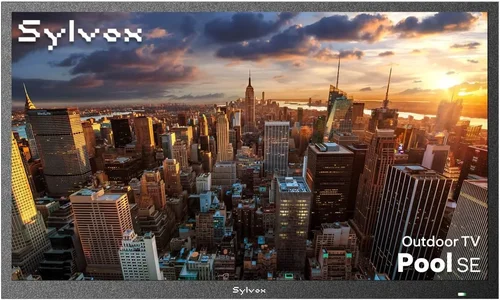
Outdoor sports watching has evolved from a casual backyard activity into a full-blown entertainment experience. Whether you’re hosting a Super Bowl party, cheering on your local soccer team, or simply enjoying a summer evening with live baseball under the stars, having the right TV can make all the difference. But here’s the catch: not every television is built to handle the challenges of outdoor environments. Sunlight glare, temperature swings, humidity, and even dust can quickly turn a great viewing experience into a frustrating one—especially if you’ve invested in a standard indoor TV not designed for the elements.
That’s where this guide comes in. We’ve spent months researching, testing, and analyzing the latest budget-friendly outdoor TVs to help you make a smart, informed decision without overspending. Whether you’re working with a tight budget or just looking for the best value, our goal is to cut through the marketing noise and give you honest, expert-level advice. You’ll learn what truly matters when choosing an outdoor TV, how to avoid common pitfalls, and which models deliver the best performance for the price. By the end of this guide, you’ll know exactly what to look for—and what to skip—so you can enjoy crisp, vibrant sports action in your backyard for years to come.
The outdoor TV market has seen significant growth in recent years, driven by increased demand for outdoor living spaces and the rise of smart home integration. While premium weatherproof TVs from brands like SunBrite and Samsung’s The Terrace dominate headlines, there’s a growing segment of budget-conscious buyers seeking affordable alternatives that still deliver solid performance. These options often include weather-resistant enclosures, outdoor-rated displays, or even clever DIY setups using indoor TVs with protective covers. With prices ranging from under $300 to over $2,000, there’s something for nearly every budget—but not all solutions are created equal. This guide will help you navigate that range and find the sweet spot between cost, durability, and picture quality.

What to Look for When Buying Buying Guide
1. Budget & Price Range
Setting a realistic budget is the first and most important step in your outdoor TV journey. Unlike indoor TVs, outdoor models—or setups designed for outdoor use—come with added costs due to weatherproofing, brightness enhancements, and specialized mounting requirements. For budget-conscious buyers, the sweet spot typically falls between $400 and $800. At this range, you can find reliable options that offer decent brightness, basic weather resistance, and smart functionality without breaking the bank.
It’s tempting to go for the cheapest TV available, but remember: outdoor viewing demands more from your display. A $200 indoor TV might seem like a steal, but without proper protection from rain, UV rays, or temperature extremes, it could fail within a season. On the other hand, spending $1,500+ on a fully sealed outdoor TV may be overkill if you only watch games occasionally. Instead, consider your usage frequency, climate, and how much you’re willing to invest in long-term durability. A good rule of thumb: allocate at least 20–30% more than you would for an equivalent indoor model to account for enclosures, mounts, and potential accessories.
2. Performance Specifications
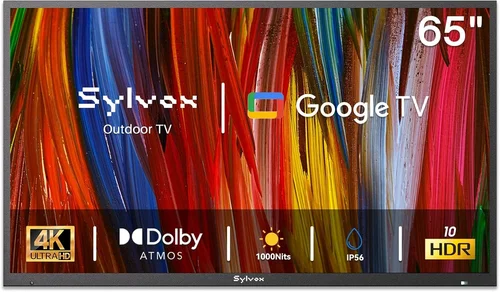
When it comes to outdoor sports viewing, performance specs matter more than you might think. Brightness is king. Indoor TVs typically range from 300 to 500 nits, but outdoor environments demand at least 700 nits—and ideally 1,000+ nits—to combat glare from sunlight. Look for TVs labeled as “high-brightness” or “outdoor-compatible.” Many budget models now offer 800–1,200 nits, which is sufficient for shaded patios or evening viewing.
Resolution is another key factor. While 4K is standard even in budget TVs, ensure the model supports HDR (High Dynamic Range) for better contrast and color accuracy—especially important for fast-moving sports like football or soccer. Refresh rate also plays a role: a 60Hz panel is fine for casual viewing, but if you’re a serious sports fan, aim for 120Hz or higher to reduce motion blur during high-speed action. Additionally, check input lag if you plan to connect gaming consoles or streaming devices; under 20ms is ideal for responsive performance.
Don’t overlook audio. Most budget TVs have weak built-in speakers, so consider pairing your setup with outdoor Bluetooth speakers or a soundbar. Some enclosures even include speaker cutouts or mounting points for easy integration.
3. Build Quality & Durability
Durability isn’t just about surviving a rainstorm—it’s about enduring years of sun exposure, temperature fluctuations, and physical wear. Even if you’re using an indoor TV in a weatherproof enclosure, the build quality of both the TV and the housing matters. Look for enclosures made from powder-coated aluminum or marine-grade stainless steel, which resist rust and corrosion. Avoid plastic housings unless they’re specifically rated for outdoor use (e.g., IP55 or higher).
Temperature tolerance is critical. Most indoor TVs aren’t designed to operate below 32°F or above 95°F. If you live in a region with harsh winters or scorching summers, choose a model (or enclosure) that supports a wider operating range—ideally -22°F to 122°F. Some premium enclosures include internal heaters and fans to regulate temperature automatically, but budget options may require manual intervention or seasonal storage.
Also consider ventilation. Poor airflow can cause overheating, especially in direct sunlight. Ensure any enclosure has adequate ventilation slots or passive cooling design. And don’t forget about cable management—exposed wires are vulnerable to moisture and pests.
4. Features & Functionality
Smart features are no longer a luxury—they’re essential for seamless outdoor entertainment. Most modern budget TVs come with built-in Wi-Fi and popular platforms like Roku, Android TV, or webOS. This allows you to stream live sports via apps like ESPN+, YouTube TV, or Hulu + Live TV without needing an external device. Make sure the interface is user-friendly and responsive; laggy menus can ruin the excitement of a close game.
Connectivity options are equally important. Look for at least three HDMI ports (for cable boxes, game consoles, and streaming sticks), USB ports for media playback, and an Ethernet port for stable wired internet—especially useful if your Wi-Fi signal weakens outdoors. Some models also include optical audio output for connecting to external sound systems.
Voice control via Alexa or Google Assistant is a nice bonus, allowing you to change channels or adjust volume hands-free while grilling or socializing. However, prioritize core functionality over gimmicks. A TV with excellent picture quality and reliable streaming beats one packed with unused features.
5. Brand Reputation
Not all brands are created equal when it comes to outdoor readiness. While mainstream manufacturers like TCL, Hisense, and Vizio offer affordable 4K TVs with decent brightness, they don’t specialize in outdoor durability. That’s why many budget buyers turn to brands that focus on outdoor solutions—even if they’re lesser-known.
Companies like Seura, Peerless-AV, and Outdoor Theater Supply produce enclosures and kits designed specifically for outdoor use. They may not have the name recognition of Samsung or LG, but their products are engineered with real-world conditions in mind. Read customer reviews on sites like Amazon, Best Buy, or specialty outdoor electronics retailers to gauge reliability. Pay attention to comments about longevity, customer service, and ease of installation.
That said, don’t dismiss established brands entirely. Some, like Sony and LG, offer “outdoor mode” settings or partner with third-party enclosure makers. Just verify compatibility before purchasing.
6. Warranty & Support
A strong warranty can be a lifesaver—especially when dealing with electronics exposed to the elements. Most indoor TVs come with a 1-year limited warranty, but outdoor-specific products often include extended coverage (2–3 years) and may cover damage from weather-related issues. Always read the fine print: some warranties void if the TV is used outdoors without a certified enclosure.
Customer support is another consideration. If something goes wrong, you’ll want responsive service and accessible replacement parts. Check if the manufacturer offers phone, email, or live chat support, and whether they stock spare components like seals, gaskets, or remote controls. User forums and Reddit communities can also provide insights into real-world support experiences.
For DIY setups, consider purchasing an extended warranty or protection plan from retailers like Costco or Amazon, which often include accidental damage coverage.
7. Size & Portability
Size affects both viewing experience and practicality. For backyard sports watching, a 50- to 65-inch screen is ideal—large enough to see details from 10–15 feet away, but not so big that it overwhelms your space or requires excessive mounting hardware. Measure your seating area and viewing distance before deciding.
Portability matters if you plan to move the TV between indoor and outdoor spaces seasonally. Some enclosures are heavy and permanently mounted, while others feature wheels or lightweight designs for easy relocation. If you rent your home or have limited outdoor space, a portable solution might be worth the extra cost.
Also consider weight limits for your mounting surface. Concrete walls, pergolas, and sturdy fences can handle heavier setups, but wooden decks or thin siding may require reinforcement.
8. User Reviews & Ratings
Never buy an outdoor TV based solely on specs or marketing claims. Real-world user reviews reveal flaws that spec sheets hide—like poor seal integrity, overheating issues, or unreliable Wi-Fi performance in open areas. Focus on verified purchase reviews and look for patterns: if multiple users report the same problem (e.g., “screen fades after 6 months in sun”), it’s likely a genuine concern.
Pay attention to reviewers who mention specific use cases similar to yours. For example, someone watching daytime baseball in Arizona will have different needs than a family hosting evening movie nights in Seattle. Use filters to sort by “outdoor use” or “sports viewing” when available.
Finally, check return policies. Even the best-reviewed TV might not suit your setup. Choose retailers with generous return windows (30+ days) and free return shipping in case the product doesn’t meet expectations.
Different Types of Buying Guide

Common Buying Mistakes to Avoid
❌ Mistake: Using a Standard Indoor TV Without Protection
Why it’s bad: Indoor TVs lack weatherproofing and aren’t built to handle moisture, dust, or extreme temperatures. Even brief exposure to rain or high humidity can cause internal corrosion, leading to permanent damage or electrical hazards.
What to do instead: Always use a certified weatherproof enclosure or purchase a TV specifically designed for outdoor use. If budget is tight, look for IP-rated enclosures under $200 that fit your TV model.
❌ Mistake: Ignoring Brightness Requirements
Why it’s bad: A dim screen turns daytime sports into a blurry, unwatchable mess. Most indoor TVs max out at 500 nits—far below what’s needed to compete with ambient light.
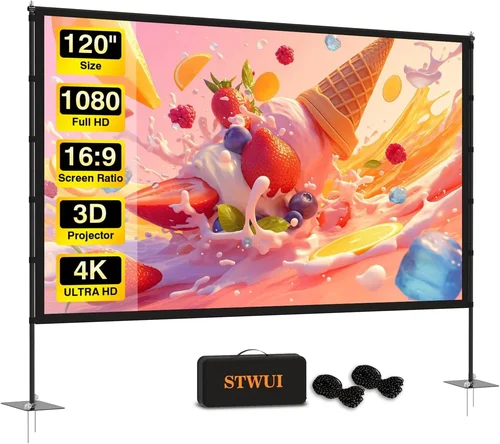
What to do instead: Choose a TV with at least 700 nits brightness, or pair your setup with a high-gain outdoor screen that reflects light toward viewers. Test visibility during peak sun hours before finalizing your purchase.
❌ Mistake: Overlooking Mounting and Installation Challenges
Why it’s bad: Improper mounting can lead to instability, vibration, or even collapse—especially in windy areas. Many buyers underestimate the weight of enclosures and the need for structural support.
What to do instead: Consult a professional installer or use heavy-duty outdoor mounts rated for your TV’s weight. Ensure your wall or structure can bear the load, and use lag bolts into studs or concrete anchors.
❌ Mistake: Skipping Audio Upgrades
Why it’s bad: Built-in TV speakers are often muffled and lack volume, making it hard to hear commentary or crowd noise during outdoor events.
What to do instead: Invest in weather-resistant Bluetooth speakers or a compact outdoor soundbar. Place them strategically around your seating area for immersive sound without distortion.
❌ Mistake: Buying Based Solely on Price
Why it’s bad: The cheapest option often sacrifices durability, brightness, or smart features—leading to frustration and premature replacement.
What to do instead: Prioritize value over cost. A $600 TV with 1,000 nits brightness and a solid enclosure may outperform a $400 model that fails within a year.
❌ Mistake: Neglecting Power and Connectivity Needs
Why it’s bad: Running extension cords across your yard creates tripping hazards and exposes wires to weather damage. Weak Wi-Fi signals can cause buffering during live games.
What to do instead: Install a dedicated outdoor-rated electrical outlet near your viewing area. Use a Wi-Fi extender or mesh network to boost signal strength. Consider wired Ethernet for the most reliable connection.
❌ Mistake: Forgetting About Seasonal Storage
Why it’s bad: Leaving electronics exposed during winter can cause condensation, freezing, and component failure—even in “weatherproof” units.
What to do instead: If you don’t use your TV year-round, invest in a storage cover or bring the unit indoors during off-seasons. Some enclosures include winterization kits.
Budget Guidelines: How Much Should You Spend?
- Entry-Level ($300–$500): Ideal for occasional use in mild climates. Expect basic weatherproof enclosures paired with mid-tier 4K TVs (e.g., TCL 4-Series or Hisense U6). Brightness around 600–800 nits. Limited smart features and shorter warranties. Best for shaded patios or evening viewing only.
- Mid-Range ($500–$800): The sweet spot for most buyers. Includes higher-brightness TVs (800–1,200 nits), better enclosures with improved sealing, and full smart platforms. Models like the Vizio V-Series or Samsung Crystal UHD work well here. Suitable for partial sun exposure and regular use.
- Premium ($800–$1,500): For enthusiasts and those in harsh environments. Features fully sealed outdoor TVs or high-end enclosures with temperature control. Brands like SunBriteVeranda or Peerless-AV offer robust builds, 1,500+ nits brightness, and extended warranties. Perfect for year-round, all-weather viewing.
- Luxury ($1,500+): Top-tier solutions with commercial-grade durability, ultra-high brightness (2,000+ nits), and advanced features like anti-reflective coatings or integrated heating/cooling. Reserved for permanent installations, luxury homes, or commercial venues.
Expert Tips for Getting the Best Deal
- Buy during off-seasons: Prices drop significantly in late fall and winter when demand for outdoor electronics declines. Look for Black Friday, Cyber Monday, or post-holiday sales.
- Shop at specialty retailers: Stores like Crutchfield, Abt Electronics, or Outdoor Theater Supply often carry curated outdoor TV kits with expert support—and sometimes bundle discounts.
- Check refurbished or open-box deals: Certified pre-owned outdoor TVs or enclosures can save 20–30% off retail. Ensure they come with warranties and are inspected by the manufacturer.
- Compare total cost of ownership: Factor in enclosures, mounts, cables, and potential accessories. A slightly more expensive TV with included weatherproofing may cost less overall than piecing together a DIY solution.
- Read return policies carefully: Outdoor setups are harder to return due to size and installation. Choose retailers with hassle-free returns and free pickup options.
- Test before committing: If possible, visit a store to see the TV’s brightness and color accuracy in person. Some models look great indoors but struggle in daylight.
- Join loyalty programs: Retailers like Costco, Sam’s Club, or Best Buy offer member-exclusive discounts and extended return windows—perfect for big-ticket outdoor purchases.
- Consider financing: Many retailers offer 0% APR financing for 12–18 months, allowing you to spread payments without interest if paid in full by the deadline.

Frequently Asked Questions
Q: Can I use a regular TV outside if I cover it?
A: Technically yes, but it’s risky. Simple covers or tarps don’t provide adequate protection against moisture, UV damage, or temperature swings. For safe, reliable outdoor use, invest in a certified weatherproof enclosure or an outdoor-rated TV.
Q: Do outdoor TVs need special power outlets?
A: Not necessarily, but it’s highly recommended. Use a GFCI (Ground Fault Circuit Interrupter) outlet to prevent electrical shocks in wet conditions. Outdoor-rated outlets with weatherproof covers add an extra layer of safety.
Q: How do I reduce glare on my outdoor TV?
A: Position the TV under an awning, pergola, or roof overhang. Use anti-glare screen protectors or choose a model with a matte finish. Avoid placing it directly facing the sun’s path.
Q: Are outdoor TVs worth the extra cost?
A: If you watch sports or movies outdoors regularly—especially during the day—they’re absolutely worth it. The improved brightness, durability, and reliability far outweigh the upfront cost compared to replacing damaged indoor TVs.
Q: Can I leave my outdoor TV on all the time?
A: Most outdoor TVs are designed for continuous use, but check the manufacturer’s guidelines. Avoid leaving it on during thunderstorms or extreme weather. Use a smart plug to schedule on/off times.
Q: What’s the difference between IP55 and IP65 ratings?
A: IP55 protects against low-pressure water jets and limited dust ingress. IP65 offers complete dust protection and resistance to water projected from a nozzle—better for rainy or humid climates.
Q: Do I need a permit to install an outdoor TV?
A: Usually not, but check local building codes—especially if mounting on a fence, deck, or structural wall. Some HOA rules may also restrict exterior modifications.
Q: How long do outdoor TVs last?
A: With proper care, a quality outdoor TV or enclosure can last 5–8 years or more. Indoor TVs in enclosures may last 3–5 years depending on climate and usage.
Q: Can I stream live sports on an outdoor TV?
A: Absolutely! Most smart outdoor-compatible TVs support popular streaming apps like ESPN, Fox Sports, YouTube TV, and Sling. Ensure a strong Wi-Fi or Ethernet connection for smooth playback.
Q: What if my outdoor TV gets stolen?
A: Use security cables or anti-theft mounts to anchor the TV to a wall or structure. Consider adding a GPS tracker or registering the serial number with local law enforcement.
Our Final Recommendations
- Best for Budget-Conscious Buyers: TCL 55-inch 4-Series + Peerless-AV Outdoor Enclosure – Around $550 total. Delivers 800 nits brightness, Roku smart platform, and solid weather protection for shaded areas.
- Best Overall Value: Vizio 58-inch V-Series + Outdoor Theater Supply Weatherproof Case – Priced at ~$700. Offers 1,000 nits brightness, Dolby Vision HDR, and excellent color accuracy for daytime sports.
- Best Premium Option: SunBriteVeranda 55-inch All-Weather TV – $1,299. Fully sealed, 1,500 nits brightness, and built-in heater for cold climates. Ideal for year-round use.
- Best for Beginners: Hisense 50-inch U6 + Seura Outdoor Frame – ~$650. Easy setup, intuitive Android TV interface, and reliable performance for casual viewers.
- Best for Advanced Users: Samsung 65-inch Crystal UHD + Custom IP65 Enclosure with Active Cooling – $1,100+. High refresh rate, low input lag, and modular design for tech-savvy DIYers.
Conclusion: Making the Right Choice
Choosing the right budget backyard TV for outdoor sports watching doesn’t have to be overwhelming. By focusing on key factors like brightness, durability, smart features, and total cost—not just the sticker price—you can find a solution that delivers exceptional value and lasting enjoyment. Remember, the goal isn’t to buy the most expensive option, but the one that best fits your lifestyle, climate, and viewing habits.
Whether you’re hosting a packed game day or enjoying a quiet evening under the stars, your outdoor TV should enhance the experience, not detract from it. Take the time to research, compare options, and invest wisely. With the insights from this guide, you’re now equipped to make a confident, informed decision that will keep you cheering for seasons to come.
Ready to upgrade your backyard entertainment? Start by assessing your space, setting a realistic budget, and exploring the recommendations above. Your perfect outdoor viewing setup is just a purchase away.

