
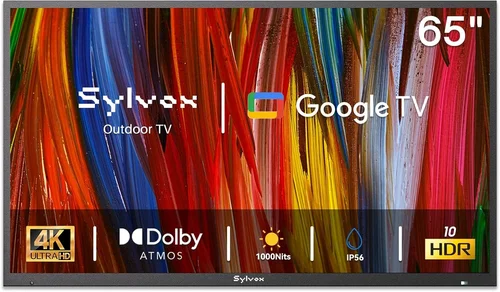
Outdoor living spaces have evolved dramatically over the past decade, and the backyard pergola has become one of the most popular outdoor entertainment zones in modern homes. Whether you’re sipping morning coffee under the shade or hosting a summer movie night with friends, having a reliable outdoor TV can transform your pergola into a true outdoor living room. But finding the right television for this unique environment isn’t as simple as grabbing any indoor model and mounting it outside. The elements—sunlight, rain, humidity, temperature swings, and dust—pose serious challenges that standard TVs simply aren’t built to handle.
That’s where this comprehensive buying guide comes in. Whether you’re a first-time buyer or upgrading from an older setup, this guide is designed to help you make an informed, confident decision when selecting a budget-friendly outdoor TV for your pergola. We’ll walk you through everything from understanding key performance specs and build quality to avoiding common pitfalls and maximizing your investment. By the end, you’ll know exactly what to look for, how much to spend, and which models offer the best value for your specific needs.
The market for outdoor TVs has expanded significantly in recent years, with more brands offering weather-resistant models at increasingly accessible price points. However, not all “outdoor-ready” TVs are created equal—some are merely indoor TVs with a protective cover, while others are purpose-built for year-round exposure. Our goal is to cut through the marketing noise and deliver expert-level insights grounded in real-world performance, durability, and usability. Whether you’re working with a tight budget or aiming for the best long-term value, this guide will equip you with the knowledge to choose wisely.

What to Look for When Buying Buying Guide
1. Budget & Price Range
Setting a realistic budget is the first and most critical step in your outdoor TV purchase. Unlike indoor TVs, outdoor models come with specialized engineering to withstand environmental stressors, which often comes at a premium. However, thanks to increased competition and technological advancements, you can now find capable outdoor TVs starting around $800 for smaller sizes (43–50 inches), with mid-range options typically falling between $1,200 and $2,500. Premium models with full weatherproofing, anti-glare screens, and extended warranties can run $3,000 or more.
When budgeting, consider not just the TV itself but also essential accessories: a sturdy outdoor-rated mount, weatherproof cable management, and possibly a soundbar or external speakers (since many outdoor TVs have limited built-in audio). Don’t forget potential installation costs if you’re not DIY-savvy. A good rule of thumb is to allocate 15–20% of your total budget for mounting and setup.
2. Performance Specifications
Outdoor viewing demands higher brightness and better contrast than indoor use. Sunlight glare can wash out even the best indoor TVs, so prioritize models with high nit ratings—ideally 700 nits or higher, though 1,000+ nits is ideal for direct sunlight exposure. Look for displays with anti-reflective coatings or optically bonded glass, which reduce glare and improve visibility in bright conditions.
Resolution matters too. While 4K UHD is now standard even in budget outdoor TVs, ensure the model supports HDR (High Dynamic Range) for richer colors and deeper blacks. Refresh rate (60Hz vs. 120Hz) affects motion smoothness—important if you watch sports or action movies outdoors. Also check input lag if you plan to game; under 20ms is ideal for casual gaming.
Smart TV platforms vary by brand. Roku TV, Android TV, and webOS are user-friendly and regularly updated. Avoid proprietary systems with limited app support. Ensure the TV has enough HDMI ports (at least 3) for streaming devices, gaming consoles, and sound systems.
3. Build Quality & Durability
This is where outdoor TVs separate themselves from indoor models. A true outdoor TV should be constructed with sealed components, corrosion-resistant materials, and thermal management systems to handle temperature extremes. Look for an IP55 or higher rating—this means the TV is protected against dust ingress and low-pressure water jets from any direction.
The chassis should be made of powder-coated aluminum or marine-grade stainless steel to resist rust and UV degradation. Internal components like circuit boards and connectors must be conformal-coated to prevent moisture damage. Avoid plastic-heavy builds, especially in coastal or humid climates.
Thermal regulation is crucial. Outdoor TVs generate heat, and without proper ventilation or passive cooling, internal temps can spike, shortening lifespan. Quality models include heat sinks, thermal sensors, and fanless designs that dissipate heat safely without sucking in dust or moisture.
4. Features & Functionality
Beyond basic viewing, consider features that enhance your outdoor experience. Built-in Wi-Fi and Bluetooth are essential for streaming and wireless audio. Some models include ambient light sensors that auto-adjust brightness based on sunlight—a huge battery-saver and eye-comfort booster.
Voice control via Alexa or Google Assistant adds convenience, especially when your hands are full with grilling tools or drinks. Look for models with weather-resistant remotes or smartphone app control as backup.
For pergola setups, slim profiles and VESA-compatible mounting (standard 200×200 or 400×400) make installation cleaner. Some brands offer optional outdoor soundbars that mount directly below the TV, creating a sleek, integrated look.
5. Brand Reputation
Not all brands are equal when it comes to outdoor durability. Established names like Samsung (with their Terrace line), LG, and Sony offer reliable performance but at premium prices. However, several niche outdoor specialists deliver excellent value:
- SunBriteTV: The original outdoor TV brand, known for rugged builds and lifetime warranties—but expensive.
- Seura: Offers stylish, mirror-finish models that double as decor when off.
- Aviditi: Budget-friendly with solid weatherproofing and good customer support.
- Kodak Outdoor TV: Surprisingly capable entry-level options with decent brightness and smart features.
Research brand history: How long have they been making outdoor TVs? Do they offer local service centers? Avoid unknown brands with no track record—your TV will be exposed to the elements 24/7, so reliability is non-negotiable.
6. Warranty & Support
Outdoor TVs are investments, and a strong warranty reflects manufacturer confidence. Aim for at least a 2-year comprehensive warranty covering parts, labor, and on-site service if possible. Some premium brands offer 3–5 years, including accidental damage protection.
Check what the warranty excludes: Does it cover corrosion? What about power surges from lightning? Many policies void coverage if installed incorrectly, so professional installation may be required for full protection.
Customer support responsiveness matters too. Can you reach a human quickly? Are replacement parts readily available? Read recent reviews about post-purchase service—delayed repairs can leave you TV-less for weeks during peak season.
7. Size & Viewing Distance
Choosing the right screen size depends on your pergola’s dimensions and typical seating arrangement. A general rule: for every 1 inch of screen diagonal, allow 1.5 feet of viewing distance. So a 55-inch TV is ideal for 6–8 feet away, while a 65-inch model suits 8–10 feet.
Don’t go too big—oversized screens can cause eye strain and look awkward in smaller pergolas. Conversely, too small a screen defeats the purpose of outdoor entertainment. Measure your space and mock up dimensions with painter’s tape before buying.
Consider bezel width: ultra-slim bezels create a more immersive experience and fit better in tight spaces. Also, ensure the TV’s depth allows clearance from the pergola beam—most outdoor mounts add 2–4 inches of protrusion.
8. User Reviews & Real-World Testing
Spec sheets tell part of the story, but real user experiences reveal the rest. Scour Amazon, Best Buy, and specialty outdoor electronics forums for detailed reviews. Pay attention to comments about:
- Brightness in midday sun
- Durability after 1–2 seasons
- Ease of setup and mounting
- Remote functionality in rain or glare
- Customer service responsiveness
Be wary of overly glowing reviews that lack specifics—they may be incentivized. Look for balanced feedback that mentions both pros and cons. If multiple users report the same issue (e.g., Wi-Fi dropping in humidity), take note.
Different Types of Buying Guide

Common Buying Mistakes to Avoid
❌ Mistake: Buying an Indoor TV for Outdoor Use
Why it’s bad: Indoor TVs lack weatherproofing, corrosion resistance, and thermal regulation. Even under a pergola, humidity, morning dew, and occasional rain can seep into vents and damage internal components within months. The screen will also appear dim and washed out in daylight.
What to do instead: Invest in a purpose-built outdoor TV or use a certified outdoor enclosure. If budget is tight, choose a “covered outdoor” model designed for protected spaces—not a standard living room TV.
❌ Mistake: Ignoring Sunlight and Glare
Why it’s bad: A TV with only 300–400 nits brightness will be nearly invisible on a sunny afternoon, no matter how good the picture quality is indoors. Glare from reflective surfaces (like glass tables or water features) can further reduce visibility.
What to do instead: Prioritize brightness (700+ nits) and anti-glare technology. Position the TV to avoid direct sun exposure—north-facing walls (in the Northern Hemisphere) are ideal. Use curtains or retractable shades if needed.
❌ Mistake: Overlooking Mounting and Installation
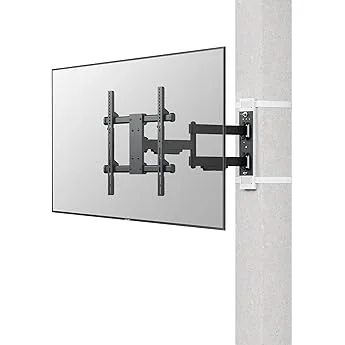
Why it’s bad: Standard indoor mounts aren’t rated for outdoor conditions. Rust, wind load, and weight distribution can cause failure, leading to costly damage or injury. Improper cable routing can also expose wires to moisture.
What to do instead: Use an outdoor-rated full-motion or fixed mount with corrosion-resistant hardware. Route cables through waterproof conduits or raceways. Consider professional installation if your pergola structure requires reinforcement.
❌ Mistake: Skimping on Audio
Why it’s bad: Most outdoor TVs have weak built-in speakers that struggle against ambient noise (wind, traffic, birds). Poor audio ruins the viewing experience, especially for movies or sports.
What to do instead: Pair your TV with weatherproof outdoor speakers or a soundbar. Wireless options like Bluetooth speakers offer flexibility. For larger spaces, consider a multi-zone audio system.
❌ Mistake: Not Planning for Power and Connectivity
Why it’s bad: Running extension cords across your yard is unsafe and unsightly. Weak Wi-Fi signals can cause buffering, especially if your router is indoors.
What to do instead: Install a dedicated outdoor GFCI outlet near the TV. Use a weatherproof Wi-Fi extender or mesh network node to boost signal. Pre-wire for HDMI and power during pergola construction if possible.
❌ Mistake: Choosing Based Solely on Price
Why it’s bad: The cheapest option often cuts corners on durability, brightness, or warranty. You may end up replacing it in 1–2 years, costing more long-term.
What to do instead: Focus on total cost of ownership—including lifespan, energy efficiency, and repair costs. Mid-range models often offer the best balance of price and performance.
❌ Mistake: Neglecting Future-Proofing
Why it’s bad: Technology evolves quickly. A TV with only one HDMI port or no HDR support may become obsolete sooner.
What to do instead: Choose a model with multiple HDMI 2.1 ports, eARC for audio, and support for current streaming standards. Ensure firmware is updatable for future app compatibility.
Budget Guidelines: How Much Should You Spend?
Outdoor TV pricing varies widely based on size, features, and build quality. Here’s a realistic breakdown to help you allocate your budget wisely:
Entry-Level ($800 – $1,200): Ideal for small pergolas (43–50 inches) with solid overhead protection. Expect 700–900 nits brightness, basic smart features, and IP54 rating. Brands like Kodak Outdoor and Aviditi offer solid options here. Great for casual viewing but may struggle in direct sun or harsh winters.
Mid-Range ($1,200 – $2,500): The sweet spot for most homeowners. Look for 55–65 inch models with 1,000+ nits, HDR10, IP55 rating, and robust build quality. Brands like Seura and premium Aviditi lines shine here. These TVs handle partial sun exposure and offer 3–5 year lifespans with proper care.
Premium ($2,500 – $4,000): For enthusiasts who want top-tier performance and durability. Features include 1,500+ nits brightness, optically bonded glass, fanless cooling, and extended warranties. Samsung Terrace and SunBriteTV Veranda series dominate this tier. Perfect for open pergolas or coastal climates.
Luxury ($4,000+): Commercial-grade displays built for 24/7 operation in extreme conditions. Often used in resorts, stadiums, or luxury homes. Include advanced thermal management, vandal-resistant casings, and custom calibration. Overkill for most residential pergolas but unmatched in reliability.
Expert Tips for Getting the Best Deal
- Buy in Spring: Retailers discount last year’s models to clear inventory for new releases. March through May offers the best balance of selection and price.
- Shop Specialty Retailers: Stores like Crutchfield, Abt Electronics, and Outdoor TV Direct often bundle mounts, cables, and extended warranties at better rates than big-box stores.
- Check Refurbished Options: Certified refurbished outdoor TVs from reputable sellers can save 25–40% and come with full warranties.
- Negotiate Installation: Some retailers offer free or discounted installation with purchase—especially if you’re buying a mount or sound system too.
- Read the Fine Print on Returns: Outdoor TVs often have stricter return policies due to their specialized nature. Ensure you have at least 30 days to test in your actual environment.
- Test Before Finalizing: If possible, visit a showroom to compare brightness and color accuracy in person. Online photos don’t capture real-world glare performance.
- Consider Energy Efficiency: Brighter screens consume more power. Look for ENERGY STAR ratings to reduce long-term electricity costs.
- Bundle Accessories: Buying a TV, mount, and soundbar together often triggers package discounts unavailable when purchased separately.

Frequently Asked Questions
Q: Can I use a regular TV under my pergola?
A: Technically yes, but it’s not recommended for long-term use. Without proper weatherproofing, moisture and temperature swings will likely damage the TV within 6–12 months. If you must, use a high-quality outdoor enclosure and ensure the pergola is fully covered with no side exposure.
Q: How bright should my outdoor TV be?
A: For shaded pergolas, 700–900 nits is sufficient. If your TV faces direct sunlight for part of the day, aim for 1,000+ nits. Always check the manufacturer’s “outdoor brightness” spec—not the indoor rating.
Q: Do outdoor TVs need special mounts?
A: Yes. Use mounts rated for outdoor use with corrosion-resistant coatings (e.g., powder-coated steel or aluminum). Ensure the mount’s weight capacity exceeds your TV’s weight by at least 25% for safety.
Q: Will an outdoor TV work in winter?
A: Most outdoor TVs operate safely from -22°F to 122°F (-30°C to 50°C). However, extreme cold can temporarily reduce brightness. Choose models with wide operating temperature ranges if you live in a cold climate.
Q: Can I leave my outdoor TV on all the time?
A: Commercial-grade models are designed for 24/7 operation, but residential outdoor TVs are not. Continuous use generates heat and shortens component life. Turn it off when not in use.
Q: How do I clean my outdoor TV screen?
A: Use a microfiber cloth and distilled water only. Avoid ammonia-based cleaners or paper towels, which can scratch anti-glare coatings. Clean gently to avoid pushing moisture into seams.
Q: Are outdoor TVs worth the extra cost?
A: Absolutely—if you plan to use your pergola regularly. The durability, brightness, and reliability justify the premium over indoor TVs. Think of it as an investment in your outdoor lifestyle.
Q: What’s the difference between IP54 and IP55?
A: Both protect against dust and water, but IP55 offers stronger resistance to low-pressure water jets from any direction. IP55 is better for areas with rain exposure; IP54 suits fully covered pergolas.
Q: Can I connect a soundbar to an outdoor TV?
A: Yes, via HDMI ARC, optical audio, or Bluetooth. Choose a weatherproof soundbar designed for outdoor use to avoid damage.
Q: How long do outdoor TVs last?
A: With proper care, most last 5–7 years. Premium models with robust cooling and sealed designs can exceed 10 years in mild climates.
Our Final Recommendations
Best for Budget-Conscious Buyers: Aviditi 55″ Covered Outdoor TV – At around $1,100, it delivers 900 nits brightness, IP54 rating, and solid smart features. Perfect for shaded pergolas and offers excellent value.
Best Overall Value: Seura 65″ Outdoor TV – Priced near $2,200, it combines sleek design, 1,200 nits brightness, IP55 rating, and reliable performance. Ideal for most homeowners seeking longevity and style.
Best Premium Option: Samsung The Terrace 65″ – At $3,500, it’s a powerhouse with 2,000 nits brightness, anti-reflective coating, and weatherproof remote. Built for open-air entertainment with minimal compromise.
Best for Beginners: Kodak 50″ Outdoor Smart TV – Simple setup, intuitive Roku interface, and 800 nits brightness make this a great entry point at under $900.
Best for Advanced Users: SunBriteTV Veranda Series 75″ – For those who demand perfection: fanless cooling, military-grade durability, and customizable calibration. Over $4,000, but unmatched in harsh environments.
Conclusion: Making the Right Choice
Choosing the right outdoor TV for your pergola doesn’t have to be overwhelming. By focusing on key factors like brightness, build quality, weather resistance, and real-world performance, you can find a model that fits both your budget and your lifestyle. Remember: this isn’t just a TV—it’s the centerpiece of your outdoor living space, designed to withstand the elements while delivering crisp, vibrant entertainment year after year.
Prioritize your specific needs: Do you need maximum brightness for sunny afternoons? Is durability more important than smart features? Will you use it daily or occasionally? Answering these questions will guide you toward the perfect match. And don’t forget the accessories—mounting, audio, and connectivity complete the experience.
Investing in a quality outdoor TV transforms your pergola from a simple shade structure into a true outdoor sanctuary. Whether you’re watching the big game, streaming a sunset movie, or simply enjoying quiet time with a podcast, the right TV makes all the difference. Use this guide as your roadmap, shop wisely, and enjoy countless hours under the open sky.

