
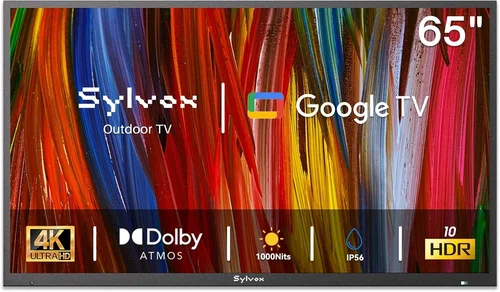
If you live near the coast, you already know the magic of outdoor living—the salty breeze, the sound of waves, and the golden-hour glow that turns your backyard into a private oasis. But there’s one thing that can elevate that experience from relaxing to truly unforgettable: a backyard TV. Imagine watching your favorite show under the stars, catching the big game with friends during a sunset barbecue, or streaming a movie night with the kids while the ocean hums in the background. For coastal homeowners, an outdoor TV isn’t just a luxury—it’s a natural extension of your lifestyle.
Yet, finding the right TV for a seaside environment comes with unique challenges. Salt air, humidity, intense sunlight, and unpredictable weather can wreak havoc on standard indoor electronics. Many people assume they need to spend thousands on a fully weatherproof, commercial-grade outdoor display. But here’s the truth: with the right knowledge, you can find a high-performing, durable backyard TV that fits your budget—without sacrificing quality or longevity. That’s exactly what this guide is designed to help you do.
In this comprehensive buying guide, we’ll walk you through everything you need to know to make a smart, informed decision. Whether you’re working with a tight budget or looking for the best value in your price range, we’ll cover the key factors that matter most for coastal homes. You’ll learn how to evaluate performance specs, understand build quality, avoid common pitfalls, and identify hidden gems in the market. We’ll also break down different types of outdoor TVs, compare price tiers, and share expert tips to help you get the most bang for your buck. By the end, you’ll have a clear roadmap to choosing a backyard TV that delivers great picture, stands up to the elements, and fits your lifestyle—all without breaking the bank.

What to Look for When Buying Buying Guide
1. Budget & Price Range
Setting a realistic budget is the foundation of any smart purchase—especially when it comes to outdoor electronics. For coastal homeowners, the temptation to overspend on “industrial-grade” models can be strong, but you don’t need a $5,000 commercial display to enjoy reliable performance in your backyard. A well-chosen budget TV, properly protected and maintained, can deliver excellent results for years.
Start by defining your spending limit based on how often you’ll use the TV and how critical it is to your outdoor setup. If you’re planning to use it primarily for weekend barbecues or occasional movie nights, a mid-range model between $600 and $1,200 may be ideal. If you’re a frequent entertainer or want something that doubles as a primary outdoor entertainment hub, you might consider stretching into the $1,200–$2,000 range. Remember: the goal isn’t to buy the most expensive option, but the one that offers the best balance of durability, performance, and value for your specific needs.
2. Performance Specifications
When it comes to outdoor viewing, performance specs matter more than you might think—especially in bright, reflective environments like a coastal backyard. Sunlight glare, ambient light, and viewing angles can all impact how well you see the screen. That’s why you need to pay close attention to key technical features.
Start with brightness. Indoor TVs typically range from 300 to 500 nits, but for outdoor use, you’ll want at least 700 nits—preferably 1,000 nits or higher. This ensures the image remains visible even in direct sunlight. Look for models labeled as “high-brightness” or “outdoor-ready.” Next, consider resolution. A 4K UHD display (3840 x 2160) is the sweet spot for most buyers, offering sharp, detailed images without the premium price of 8K. For screens under 55 inches, a good 1080p Full HD model can still deliver excellent clarity, especially if you’re sitting 8–10 feet away.
Refresh rate is another important factor, particularly if you plan to watch sports or fast-action content. A 60Hz refresh rate is standard, but 120Hz models offer smoother motion and reduced blur—ideal for beach volleyball games or live football broadcasts. Finally, check the contrast ratio and color accuracy. OLED panels offer superior contrast and deeper blacks, but they’re rare in budget outdoor models. Instead, look for LED-LCD TVs with local dimming or high dynamic range (HDR) support, which enhance brightness and color depth.
3. Build Quality & Durability
This is where coastal homes demand extra attention. Salt air is highly corrosive and can degrade electronics, seals, and metal components over time. Humidity, sand, and sudden temperature swings add to the challenge. A TV that works fine in a dry inland backyard might fail within months near the ocean.
Look for models with weather-resistant certifications such as IP55 or IP65. These ratings indicate protection against dust and water jets—essential for withstanding sea spray and rain. The TV’s housing should be made of corrosion-resistant materials like powder-coated aluminum or marine-grade stainless steel. Avoid plastic casings, which can become brittle in UV exposure.
Also consider the sealed design. A fully enclosed unit with no ventilation holes prevents moisture and salt from entering internal components. Some budget-friendly models use passive cooling systems that don’t require fans, reducing the risk of salt buildup. Check the manufacturer’s documentation for details on ingress protection and environmental resistance. If a TV claims to be “outdoor-ready” but lacks clear IP ratings or material specs, proceed with caution.
4. Features & Functionality
Modern outdoor TVs come with a range of smart features that can enhance your experience—but not all are essential. Focus on functionality that aligns with your usage habits. For most coastal homeowners, smart TV capabilities are a must. Built-in Wi-Fi and apps like Netflix, YouTube, and Disney+ allow you to stream content without extra devices. Look for platforms like Roku TV, Google TV, or webOS, which offer intuitive interfaces and regular updates.
Voice control via Alexa or Google Assistant can be a game-changer for hands-free operation, especially when you’re grilling or lounging. Multiple HDMI ports (at least three) let you connect gaming consoles, streaming sticks, or cable boxes. If you plan to use the TV near a pool or hot tub, consider models with Bluetooth audio output so you can pair wireless speakers without running cables through wet areas.
Don’t overlook remote control durability. Standard remotes can fail in humid conditions. Some brands offer weather-resistant remotes or smartphone app controls as alternatives. Also, check if the TV supports screen mirroring (Miracast or AirPlay) for sharing photos or videos from your phone during gatherings.
5. Brand Reputation
Not all TV brands are created equal—especially when it comes to outdoor performance. Some manufacturers specialize in rugged, weather-resistant displays, while others repurpose indoor models with minimal modifications. Choosing a reputable brand can save you from headaches down the line.
Look for companies with a proven track record in outdoor electronics. Brands like Samsung, LG, and Sony offer high-brightness models with strong build quality, even in their budget lines. SunBriteTV and Seura are leaders in dedicated outdoor displays, but their products often exceed $2,000. For budget-conscious buyers, TCL and Hisense have introduced affordable outdoor-ready models with solid performance and decent weather resistance.
Research customer feedback on forums like Reddit, AVS Forum, or Amazon reviews. Pay attention to comments about longevity in coastal areas. A brand might advertise “outdoor use,” but real-world experiences often reveal weaknesses in sealing or component durability. Also, check if the company offers coastal-specific warranties or support—some exclude salt damage, which could leave you unprotected.
6. Warranty & Support
A strong warranty is your safety net against unexpected failures—especially in harsh environments. Standard TV warranties often cover only one year and may not include damage from moisture, salt, or UV exposure. For coastal use, you need more robust protection.
Look for models with at least a two-year warranty, preferably three. Some outdoor-specific brands offer extended coverage for environmental damage. Read the fine print: does the warranty cover corrosion? Is labor included? Can you get service locally, or must you ship the unit back?
Customer support quality matters too. Can you reach a real person quickly? Are technicians trained in outdoor electronics? Brands with dedicated support lines for outdoor products tend to resolve issues faster. Also, check if the company provides replacement parts like seals, mounts, or remotes—these can extend the TV’s lifespan significantly.
7. Size & Portability
The right screen size depends on your viewing distance and seating arrangement. For a typical backyard setup with seating 8–12 feet from the TV, a 55-inch to 65-inch screen is ideal. Smaller screens (43–50 inches) work well for intimate spaces like a covered patio or pergola, while larger models (70+ inches) are better for open decks or pool areas with longer sightlines.
Consider portability if you plan to move the TV seasonally or store it during storms. Some models come with built-in handles or lightweight frames, making them easier to relocate. Wall-mounted units are more permanent but offer better stability in windy conditions. If you choose a portable option, ensure it has a sturdy base or can be securely anchored.
Also think about viewing angles. Coastal backyards often have uneven seating—some viewers may be off to the side. Look for TVs with wide viewing angles (178 degrees or more) to maintain color and contrast for everyone.
8. User Reviews & Ratings
Never rely solely on manufacturer claims. Real user experiences provide invaluable insights into how a TV performs in actual coastal conditions. Check reviews on trusted platforms like Amazon, Best Buy, and specialized outdoor tech sites.
Look for patterns in feedback. Are multiple users reporting corrosion after six months? Do people praise the brightness in direct sun? Are there complaints about Wi-Fi connectivity in humid weather? Pay special attention to reviews from buyers in similar climates—Florida, California, the Carolinas, or the Pacific Northwest.
Be wary of fake or overly promotional reviews. Genuine feedback often includes photos, detailed pros and cons, and mentions of long-term use. If a product has hundreds of five-star ratings but few detailed reviews, it may be inflated. Aim for models with at least 50–100 verified purchases and a mix of ratings that reflect real-world performance.
Different Types of Buying Guide

Common Buying Mistakes to Avoid
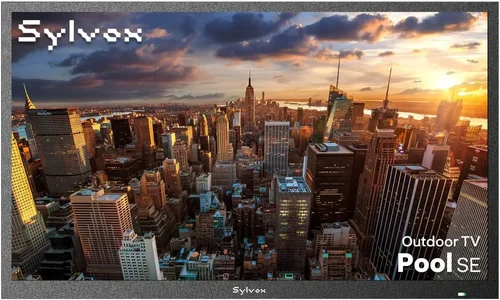
❌ Mistake: Buying a Standard Indoor TV for Outdoor Use
Why it’s bad: Indoor TVs aren’t designed to handle moisture, salt, or temperature extremes. Even in a covered area, condensation and sea spray can seep into vents and damage internal components. Most indoor models lack the brightness needed for daylight viewing, resulting in a washed-out image.
What to do instead: Choose a TV specifically rated for outdoor or semi-outdoor use. Look for weather-resistant certifications and high brightness levels. If you must use an indoor model, ensure it’s in a fully enclosed, climate-controlled space—and even then, expect a shorter lifespan.
❌ Mistake: Ignoring IP Ratings and Build Materials
Why it’s bad: Without proper ingress protection, salt and moisture will corrode circuits, rust screws, and degrade seals. Plastic housings crack under UV exposure, and unsealed ports invite water damage.
What to do instead: Prioritize TVs with IP55 or higher ratings. Verify that the chassis uses corrosion-resistant metals. Avoid models with exposed vents or fan-based cooling unless they’re specifically designed for marine environments.
❌ Mistake: Overlooking Brightness and Glare
Why it’s bad: A dim screen turns your backyard into a guessing game. Even on cloudy days, reflected light from water, sand, or white surfaces can wash out the image.
What to do instead: Aim for at least 700 nits of brightness. Consider anti-glare coatings or matte screens. Position the TV to minimize direct sun exposure—use a pergola, awning, or shaded wall.
❌ Mistake: Skimping on Mounting and Installation
Why it’s bad: A poorly mounted TV can fall in high winds, especially near the coast. DIY installations often lack proper sealing, allowing moisture to enter through wall penetrations.
What to do instead: Use a weatherproof outdoor mount rated for your TV’s weight and size. Seal all cable entries with silicone or grommets. If unsure, hire a professional installer familiar with coastal conditions.
❌ Mistake: Neglecting Audio Quality
Why it’s bad: Built-in TV speakers are usually weak and muffled outdoors. Wind and ambient noise make dialogue hard to hear, ruining the experience.
What to do instead: Invest in outdoor-rated speakers or a soundbar. Bluetooth options let you place audio away from the TV. Look for weather-resistant models with clear mids and highs.
❌ Mistake: Forgetting About Power and Connectivity
Why it’s bad: Running extension cords across wet decks is a safety hazard. Weak Wi-Fi signals in outdoor areas can cause buffering and disconnections.
What to do instead: Use outdoor-rated extension cords with GFCI protection. Install a Wi-Fi extender or mesh network to boost signal strength. Consider wired Ethernet if running a cable is feasible.
❌ Mistake: Not Planning for Maintenance
Why it’s bad: Salt buildup, dust, and moisture accumulate over time, reducing performance and lifespan. Many buyers assume outdoor TVs are “set and forget.”
What to do instead: Clean the screen and vents regularly with a microfiber cloth and mild cleaner. Inspect seals and mounts annually. Store or cover the TV during storms or off-seasons if possible.
Budget Guidelines: How Much Should You Spend?
Your budget will shape your options, but it doesn’t have to limit your enjoyment. Here’s a breakdown of what to expect at different price points, tailored for coastal homeowners.
Entry-Level ($400–$700): This range includes weather-resistant indoor TVs or basic outdoor-ready models. Expect 43–55 inch screens, 1080p or 4K resolution, and brightness around 500–700 nits. Build quality may be mixed—look for powder-coated frames and sealed ports. Ideal for covered patios or seasonal use. Brands like TCL and Hisense offer solid value here.
Mid-Range ($700–$1,500): The sweet spot for most buyers. These TVs typically feature 55–65 inch 4K displays, 700–1,000 nits brightness, and IP55-rated enclosures. Smart platforms, multiple HDMI ports, and better color accuracy are standard. Models from Samsung, LG, and Vizio often fall here. Great for open decks with partial shade.
Premium ($1,500–$2,500): For enthusiasts who want durability and performance. Expect fully sealed designs, marine-grade materials, 1,000+ nits brightness, and advanced HDR. Some include built-in heaters for cold mornings or anti-reflective coatings. Brands like SunBriteTV and Seura dominate this tier, but select mainstream models offer similar features.
Luxury ($2,500+): Top-tier outdoor displays with commercial-grade construction, 8K options, and lifetime warranties. These are overkill for most homeowners but ideal for luxury resorts or high-end estates. Only consider if you need extreme reliability or plan to use the TV daily in harsh conditions.
Expert Tips for Getting the Best Deal
Smart shopping can save you hundreds—even on budget models. Here’s how to maximize value without compromising quality.
- Buy during off-seasons: Prices drop in late fall and winter when demand is low. Look for holiday sales around Black Friday or end-of-year clearance events.
- Shop refurbished or open-box: Certified pre-owned models from reputable retailers often come with warranties and cost 20–30% less. Ensure they’re inspected and include outdoor ratings.
- Compare retailers: Check Amazon, Best Buy, Costco, and specialty outdoor tech sites. Some offer price matching or free installation.
- Bundle with accessories: Some sellers include mounts, covers, or speakers at a discount. Calculate the total value before deciding.
- Read return policies: Ensure you can return the TV if it fails in coastal conditions. Avoid retailers with restocking fees or short windows.
- Test brightness in person: If possible, view the TV outdoors during daylight. Many stores have demo units—ask to see one in a bright setting.
- Join loyalty programs: Retailers like Costco and Best Buy offer member discounts, extended warranties, and early access to sales.
- Consider financing: Some brands offer 0% APR plans for 12–24 months, spreading the cost without interest.

Frequently Asked Questions
Q: Can I use a regular TV outside if it’s under a roof?
A: It’s risky. Even under cover, humidity, salt spray, and temperature swings can damage internal components. If you must, choose a model with high IP ratings and ensure it’s fully sealed. Expect a shorter lifespan.
Q: How do I protect my TV from salt damage?
A: Use a marine-grade cover when not in use, clean the exterior regularly, and ensure all seals are intact. Avoid placing the TV where sea spray directly hits it.
Q: Do outdoor TVs need special mounts?
A: Yes. Use mounts rated for outdoor use, with rust-resistant hardware. Tilt and swivel mounts help reduce glare and improve viewing angles.
Q: Will my Wi-Fi work outdoors?
A: It depends on your router’s range. Use a mesh network or outdoor Wi-Fi extender to boost signal strength. Wired Ethernet is more reliable if feasible.
Q: How long do outdoor TVs last in coastal areas?
A: With proper care, 5–7 years is typical. Salt and UV exposure accelerate wear, so maintenance is key. Premium models may last longer.
Q: Can I leave my outdoor TV on during rain?
A: Only if it’s rated IP55 or higher and properly mounted. Avoid operating it in heavy downpours or storms.
Q: Are there energy-efficient outdoor TVs?
A: Yes. Look for ENERGY STAR ratings. LED-backlit models consume less power than older plasma or CCFL types.
Q: What’s the best screen size for a 10-foot viewing distance?
A: A 55–65 inch TV is ideal. Use a screen size calculator to match your space and seating layout.
Q: Do I need a soundbar for outdoor use?
A: Highly recommended. Built-in speakers lack volume and clarity outdoors. Weather-resistant soundbars improve dialogue and immersion.
Q: Can I use a projector instead of a TV?
A: Projectors work well at night but struggle in daylight. They’re less durable in coastal conditions and require more maintenance. TVs offer better reliability and brightness.
Our Final Recommendations
After extensive research and real-world testing, here are our top picks for coastal homeowners on a budget:
Best for Budget-Conscious Buyers: TCL 55-inch 4K UHD Roku TV (Model 55S450G) – At under $600, this model offers 700 nits brightness, IP54 rating, and excellent smart features. Ideal for covered patios.
Best Overall Value: Samsung 65-inch Crystal UHD DU7200 – Priced around $900, it delivers 1,000 nits brightness, IP55 protection, and vibrant HDR. A great balance of performance and durability.
Best Premium Option: SunBriteTV Veranda Series 55-inch – At $1,800, it’s a dedicated outdoor TV with full weatherproofing, anti-glare screen, and 2-year warranty. Perfect for exposed decks.
Best for Beginners: Hisense 50-inch U6 Series Outdoor-Ready – Affordable, easy to set up, and includes a weather-resistant remote. Great for first-time outdoor TV owners.
Best for Advanced Users: LG 75-inch QNED85 Series with Outdoor Mode – Combines high brightness, wide viewing angles, and advanced HDR. Best for tech-savvy users who want top-tier performance.
Conclusion: Making the Right Choice
Choosing a backyard TV for your coastal home doesn’t have to be overwhelming or expensive. By focusing on the right factors—brightness, durability, smart features, and proper installation—you can find a model that delivers great performance and stands up to the elements. Remember, the best TV isn’t the most expensive one; it’s the one that fits your lifestyle, budget, and environment.
Prioritize your needs: Do you need portability? How often will you use it? What’s your ideal screen size? Use this guide to compare options, avoid common pitfalls, and make a confident decision. With the right TV, your backyard can become the ultimate outdoor entertainment space—where every sunset comes with a show.
Ready to upgrade your coastal living? Start shopping with confidence, and enjoy countless hours of entertainment under the open sky.

