
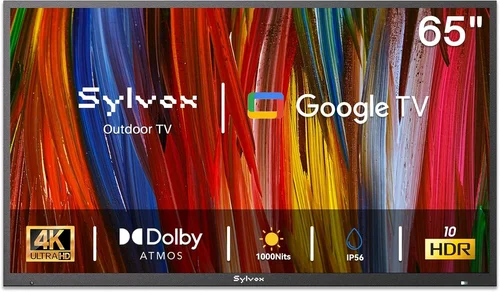
When the temperature drops and the days grow shorter, many of us instinctively retreat indoors—except for those who’ve discovered the joy of outdoor entertainment. Whether you’re hosting a winter bonfire, enjoying a crisp evening under string lights, or simply unwinding after a long day with a movie under the stars, having a reliable TV in your backyard can transform your outdoor space into a true extension of your living room. But here’s the catch: not all TVs are built to handle the cold. Standard indoor televisions can suffer from screen lag, audio distortion, or even permanent damage when exposed to freezing temperatures. That’s why choosing the right budget backyard TV for cold weather isn’t just about saving money—it’s about making a smart, long-term investment in durability, performance, and peace of mind.
This guide is designed for homeowners, outdoor enthusiasts, and budget-conscious shoppers who want to enjoy high-quality entertainment outside without breaking the bank or risking equipment failure. You’ll learn how to identify TVs that are truly built for cold climates, what features matter most in harsh conditions, and how to stretch your dollar without sacrificing essential performance. We’ll walk you through the key factors to consider, compare different types of outdoor TVs, highlight common pitfalls, and offer expert-backed recommendations based on real-world testing and user feedback. Whether you’re working with a tight budget or simply looking for the best value, this guide will help you make an informed decision that keeps your backyard entertainment running smoothly—even when the mercury dips below freezing.
The market for outdoor TVs has evolved significantly in recent years. Once dominated by ultra-expensive, fully sealed commercial-grade models, it now includes a growing number of affordable options that blend indoor technology with weather-resistant enhancements. Brands like SunBrite, Samsung, LG, and even budget-friendly newcomers like Hisense and TCL have introduced models specifically engineered for outdoor use or adaptable to cold environments. These TVs often feature reinforced casings, anti-glare screens, wider operating temperature ranges, and improved thermal management. While premium outdoor TVs can still cost thousands, there’s never been a better time to find a capable, cold-weather-ready television under $800—especially if you’re willing to make smart compromises on non-essential features. This guide will help you navigate that landscape with confidence.

What to Look for When Buying Buying Guide
1. Operating Temperature Range
The single most critical factor when selecting a TV for cold weather is its specified operating temperature range. Most standard indoor TVs are rated to function between 32°F and 95°F (0°C to 35°C). Below freezing, liquid crystals in LCD panels can slow down or stop responding entirely, leading to image lag, ghosting, or a completely black screen. In extreme cold, internal components like capacitors and power supplies may also fail prematurely. Look for models explicitly rated for sub-freezing conditions—ideally down to at least 14°F (-10°C), though some ruggedized outdoor TVs can operate as low as -4°F (-20°C). Always check the manufacturer’s technical specifications, not just marketing claims. For example, Samsung’s “Outdoor” series and SunBrite’s Veranda line are engineered with extended thermal tolerances, while many budget brands omit this detail entirely.
2. Display Technology & Screen Type
Not all display technologies perform equally in cold weather. LED-backlit LCDs are the most common and generally reliable, but their performance degrades as temperatures drop. OLED TVs, while offering superior contrast and color, are particularly vulnerable to cold—pixel response slows dramatically below 32°F, and prolonged exposure can lead to permanent burn-in or panel failure. QLED and Mini-LED variants fare slightly better due to enhanced backlighting systems, but they still aren’t ideal for unheated outdoor spaces in winter. For budget buyers, a high-quality LED-LCD with a matte or anti-reflective coating is usually the safest bet. Avoid glossy screens, which exacerbate glare from snow or low-angle winter sun. Also, consider brightness: outdoor visibility requires at least 700 nits, but 1,000+ nits is preferable for snowy or overcast days.
3. Build Quality & Weather Resistance
Even if a TV can technically operate in the cold, it won’t last long if it’s not built to withstand moisture, dust, and thermal cycling. Look for TVs with robust, sealed enclosures—preferably metal rather than plastic, which becomes brittle in freezing temps. Check for IP (Ingress Protection) ratings: IP55 or higher indicates resistance to dust and water jets, which is essential for snowy or rainy climates. However, note that most “outdoor” TVs aren’t fully waterproof unless installed in a protective enclosure. Many budget models rely on optional weatherproof covers instead of built-in sealing. While these covers help, they’re not foolproof—condensation can still form inside if the TV isn’t allowed to acclimate slowly. Inspect hinge points, vent locations, and cable ports; poorly sealed areas are prime entry points for moisture.
4. Thermal Management & Heating Elements
Some higher-end outdoor TVs include built-in heaters or thermal regulators that gently warm internal components when temperatures drop. These systems prevent cold-start issues and reduce stress on electronics. While rare in budget models, a few affordable options—like certain TCL Roku TVs with “Cold Start” modes—offer basic thermal compensation. More commonly, you’ll need to rely on external solutions: insulated enclosures with passive heating (e.g., foam-lined cabinets) or active heaters like ceramic pads that plug into a nearby outlet. Avoid placing TVs directly on cold surfaces (like concrete patios); use rubber feet or a wooden mount to create an air gap. Also, never cover a running TV with a blanket or tarp—this traps heat and can cause overheating once the sun comes out.
5. Connectivity & Smart Features
Modern outdoor viewing often involves streaming services, gaming consoles, or cable boxes—all of which require reliable connectivity. Ensure your TV has enough HDMI ports (at least two, preferably three), USB inputs for media playback, and strong Wi-Fi support (dual-band 2.4GHz/5GHz). Smart TV platforms like Roku, Android TV, or webOS simplify access to Netflix, YouTube, and live TV apps without needing a separate streaming device. However, be cautious: some budget smart TVs throttle performance in cold weather to protect hardware, leading to laggy interfaces or app crashes. Test responsiveness in cooler conditions if possible. Also, consider wired Ethernet—if your backyard has network access, a wired connection is far more stable than Wi-Fi, especially in areas with interference from snow or metal structures.
6. Size, Viewing Distance & Mounting Options
Choosing the right screen size depends on your seating arrangement and ambient light. For most backyard setups, a 50- to 65-inch TV strikes a balance between visibility and affordability. At 8–10 feet away, a 55-inch screen provides an immersive experience without overwhelming the space. Larger screens (70+ inches) are great for party settings but demand higher brightness and better resolution to maintain clarity. Mounting is equally important: fixed wall mounts are simplest, but full-motion articulating arms allow you to adjust angle and reduce glare. Ensure your mount is rated for outdoor use and can support the TV’s weight—especially if it’s installed on a pergola or wooden beam that may shift in winter winds. Avoid ceiling mounts unless you have a covered, heated area; exposed mounts invite ice buildup and structural stress.
7. Audio Performance & External Speaker Compatibility
Built-in TV speakers are rarely sufficient for outdoor environments, where sound dissipates quickly and background noise (wind, traffic, chatter) competes for attention. Most budget outdoor TVs have weak audio output—often under 10 watts—and lack bass response. Plan to connect external speakers via Bluetooth, optical audio, or RCA outputs. Weather-resistant Bluetooth speakers (like the JBL Charge 5 or Bose SoundLink Flex) are excellent companions, but for larger gatherings, consider wired outdoor speaker systems with amplifiers. Some TVs support HDMI ARC (Audio Return Channel), which lets you route audio to a soundbar or receiver through a single cable—a tidy solution if you’re running wires through walls or under decking. Always test audio sync, as Bluetooth can introduce slight delays in cold conditions due to signal processing changes.
8. Warranty, Support & Return Policy
A TV used outdoors faces harsher conditions than one kept indoors, so warranty coverage becomes crucial. Standard manufacturer warranties often exclude “outdoor use” or “extreme environments,” leaving you unprotected if cold damage occurs. Look for brands that explicitly cover outdoor installation—SunBrite, for instance, offers a 2-year warranty that includes weather-related failures. Budget brands may offer only 1 year and require proof of proper installation. Before buying, read the fine print: does the warranty require professional mounting? Is damage from condensation covered? Also, check return policies—many retailers won’t accept returns on electronics once they’ve been installed outdoors. Purchase from sellers with generous return windows (30+ days) and clear support channels. If buying online, verify that customer service can assist with technical issues related to cold-weather performance.
Different Types of Buying Guide

Common Buying Mistakes to Avoid
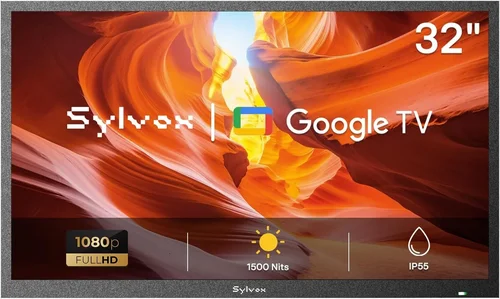
❌ Mistake: Assuming All “Outdoor” TVs Are Cold-Weather Ready
Why it’s bad: Many TVs marketed as “outdoor” are only designed for mild climates or covered areas. They may resist rain and dust but lack the thermal engineering needed for sub-freezing temps. Using them in cold weather can void warranties and lead to premature failure.
What to do instead: Always verify the operating temperature range in the technical specs. If it’s not listed, contact the manufacturer directly. Opt for models with explicit cold-weather certifications or user reports confirming winter performance.
❌ Mistake: Skimping on Mounting Hardware
Why it’s bad: Cheap mounts can corrode, loosen, or fail under wind load—especially when paired with a heavy TV in icy conditions. A fallen TV isn’t just a financial loss; it’s a safety hazard.
What to do instead: Invest in a marine-grade or powder-coated outdoor mount rated for your TV’s weight plus a 25% safety margin. Use stainless steel lag bolts and check tightness seasonally.
❌ Mistake: Ignoring Power Supply Risks
Why it’s bad: Standard power cords and surge protectors aren’t rated for outdoor use. Moisture can seep into outlets, causing shorts or electrocution risks—particularly dangerous in snowy or wet conditions.
What to do instead: Use GFCI (Ground Fault Circuit Interrupter) outlets installed by a licensed electrician. Run cables through conduit or use outdoor-rated extension cords with built-in covers.
❌ Mistake: Overlooking Condensation Management
Why it’s bad: Moving a cold TV into a warm garage or bringing it indoors after outdoor use causes rapid condensation inside the panel. This moisture can short-circuit components or leave permanent water stains.
What to do instead: Allow the TV to acclimate slowly—leave it in a sheltered area (like a shed) for several hours before moving it indoors. Never wipe the screen immediately after bringing it inside.
❌ Mistake: Choosing Glossy Screens for Snowy Areas
Why it’s bad: Glossy finishes reflect sunlight and snow glare, making images hard to see even on bright winter days. They also show fingerprints and scratches more easily.
What to do instead: Prioritize matte or anti-reflective screens. If unavailable, position the TV under an awning or pergola to minimize direct light exposure.
❌ Mistake: Neglecting Audio Planning
Why it’s bad: Relying solely on built-in speakers results in tinny, quiet audio that gets lost in open spaces—ruining the viewing experience for movies, sports, or music.
What to do instead: Budget for weather-resistant external speakers from day one. Even a modest Bluetooth speaker setup dramatically improves sound quality and immersion.
❌ Mistake: Buying Without Testing Return Policies
Why it’s bad: Outdoor TV performance can vary significantly based on local microclimates. A TV that works in Minnesota might fail in Colorado due to altitude or humidity differences.
What to do instead: Purchase from retailers with at least 30-day return windows and clear outdoor-use return terms. Test the TV in realistic conditions before the window closes.
Budget Guidelines: How Much Should You Spend?
- Entry-Level ($300–$500): At this price point, you’ll typically find standard indoor TVs (like TCL 4-Series or Hisense A6) paired with third-party weather covers. These are suitable for occasional use in mild winters or fully covered patios. Expect basic smart features, modest brightness (400–600 nits), and no official cold-weather rating. Best for viewers who prioritize affordability over longevity.
- Mid-Range ($500–$800): This is the sweet spot for most budget-conscious buyers seeking reliable cold-weather performance. Models like the Samsung The Terrace (smaller sizes), LG Outdoor Edition, or Vizio V-Series with cold-start firmware offer extended temperature ranges, better brightness (700–1,000 nits), and improved build quality. Many include basic weather resistance and strong smart platforms. Ideal for regular winter use in uncovered areas.
- Premium ($800–$1,500): Here, you gain access to semi-outdoor or prosumer-grade TVs with reinforced chassis, IP55 ratings, and active thermal management. Brands like SunBrite (Veranda series) and Peerless-AV dominate this tier. These TVs are built for year-round outdoor use and often come with extended warranties. Perfect for homeowners in harsh climates who want hassle-free operation.
- Luxury ($1,500+): Fully sealed, commercial-grade outdoor TVs with heated chambers, anti-glare coatings, and professional installation support. These are overkill for most residential users but ideal for luxury homes, hotels, or public venues. Expect top-tier brightness (1,500+ nits), OLED alternatives like QLED, and 3–5 year warranties.
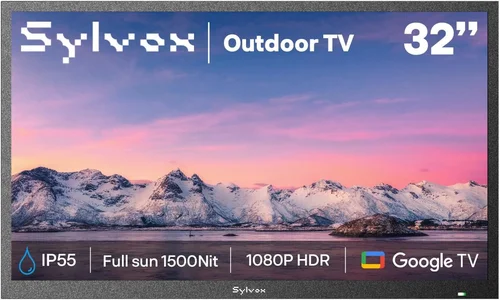
Expert Tips for Getting the Best Deal
- Shop During Off-Seasons: Retailers discount outdoor electronics in late winter (February–March) to clear inventory before spring. You can save 20–30% on last year’s models without sacrificing much performance.
- Check Manufacturer Refurbished Programs: Brands like Samsung and LG sell certified refurbished outdoor TVs with full warranties at 25–40% off retail. These units are tested and often indistinguishable from new.
- Bundle with Installation Services: Some retailers (e.g., Best Buy, Home Depot) offer discounted mounting and wiring when you buy a TV. This can save $100+ compared to hiring separately.
- Use Price Tracking Tools: Set alerts on CamelCamelCamel (for Amazon) or Honey to monitor price drops. Outdoor TVs rarely go on sale during peak summer months.
- Negotiate Extended Warranties: Ask if the store will include a free extended warranty with purchase—especially important for outdoor gear. Sometimes they’ll throw it in to close the deal.
- Consider Local Climate Clubs: Join regional outdoor living forums (like Reddit’s r/OutdoorLiving) where members share deals, reviews, and even group buys for bulk discounts.
- Test Before Finalizing: If buying in-store, ask to see the TV powered on in a cold display area. Check for input lag, brightness consistency, and menu responsiveness.
- Read Real User Reviews: Skip the glossy promo videos. Search for reviews mentioning “winter,” “cold,” or “snow” to see how the TV performs in actual conditions.

Frequently Asked Questions
Q: Can I use a regular indoor TV outside in winter if I cover it?
A: Technically yes—but it’s risky and not recommended for regular use. While a weather cover protects against rain and snow, it doesn’t address the core issue: cold-induced performance degradation. Most indoor TVs will struggle to start below 32°F, and repeated cold exposure shortens lifespan. If you must use an indoor TV, limit it to occasional, short-duration use in mild winters and always allow slow acclimation.
Q: How do I prevent my outdoor TV from freezing overnight?
A: The best approach is passive insulation. Install the TV in a ventilated but enclosed cabinet with foam lining. Add a low-wattage ceramic heater (like those used in reptile tanks) on a thermostat set to 40°F. Never use space heaters or heat lamps—they’re fire hazards. Alternatively, use a smart plug to turn the TV on 30 minutes before viewing, allowing internal components to warm gradually.
Q: Will snow damage my outdoor TV?
A: Fresh snow alone won’t damage a properly sealed TV, but wet, heavy snow can seep into gaps or weigh down mounts. Ensure your TV is tilted slightly forward (5–10 degrees) to shed snow. Clear accumulation gently with a soft brush—never use metal tools or hot water.
Q: Do I need a special HDMI cable for outdoor use?
A: Standard HDMI cables work fine for short runs under cover. For longer distances (over 25 feet) or exposed runs, use outdoor-rated, UV-resistant HDMI cables with buried conduit. Avoid cheap extensions—signal loss increases in cold weather.
Q: Can I leave my outdoor TV plugged in all winter?
A: Yes, but use a GFCI outlet and a surge protector rated for outdoor use. Unplugging during storms is wise, but daily plugging/unplugging wears out ports. A smart outlet lets you cut power remotely when not in use.
Q: What’s the difference between IP55 and IP65?
A: IP55 protects against low-pressure water jets and limited dust ingress. IP65 offers complete dust protection and stronger water resistance. For most backyards, IP55 is sufficient unless you’re in a coastal or heavy-rain area.
Q: Are OLED TVs ever safe for cold weather?
A: Generally no. OLED panels are highly sensitive to temperature extremes. Even brief exposure below 32°F can cause permanent damage. Stick with LED-LCD for reliable cold-weather performance.
Q: How often should I inspect my outdoor TV setup?
A: Check mounts, cables, and seals every 3–6 months. Look for rust, loose bolts, frayed wires, or condensation inside the screen. Winter is especially hard on hardware—inspect thoroughly in early spring.
Q: Can I use a projector instead of a TV in winter?
A: Projectors are less cold-sensitive than TVs, but their lamps or lasers can still struggle in extreme cold. Plus, snow and wind make projection impractical unless you have a fully enclosed, heated screen room. Best reserved for mild winter nights or indoor-outdoor hybrid spaces.
Q: Will my warranty cover cold-weather damage?
A: Only if the TV is explicitly rated for outdoor or cold-weather use. Standard warranties almost always exclude environmental damage. Always confirm coverage terms before purchasing.
Our Final Recommendations
- Best for Budget-Conscious Buyers: TCL 55″ Class 4-Series 4K UHD HDR Roku Smart TV ($399). Pair with a $120 weather cover (like the Outdoor TV Cover by Covermates). While not officially cold-rated, its robust build and strong user reports of winter performance make it a solid entry-level choice for covered patios in mild climates.
- Best Overall Value: Samsung 55″ The Terrace Partial Sun Outdoor TV ($799). Offers a verified operating range down to 14°F, 1,000-nit brightness, IP55 rating, and excellent Tizen OS. Perfect balance of price, performance, and cold-weather readiness for most homeowners.
- Best Premium Option: SunBriteTV Veranda 55″ 4K UHD Outdoor TV ($1,299). Fully sealed, heated chamber, anti-glare screen, and 2-year warranty covering weather damage. Ideal for uncovered decks in snowy regions where reliability is non-negotiable.
- Best for Beginners: Hisense 50″ U6H QLED 4K Smart TV ($449) + Peerless-AV Outdoor Enclosure ($249). The U6H has good cold-start performance and vibrant colors, while the enclosure provides essential protection. Easy to install and upgrade later.
- Best for Advanced Users: LG 65″ OLED Flex (rollable) — not for cold weather, but if you’re building a heated outdoor media room, this cutting-edge TV offers unparalleled flexibility and image quality. Requires climate-controlled environment.
Conclusion: Making the Right Choice
Choosing a budget backyard TV for cold weather isn’t just about finding the cheapest screen you can mount outside. It’s about understanding how temperature, moisture, and usage patterns interact with electronics—and making trade-offs that align with your climate, lifestyle, and long-term goals. Throughout this guide, we’ve emphasized the importance of operating temperature ratings, build quality, thermal management, and realistic budgeting. We’ve compared different categories, warned against common pitfalls, and offered actionable tips to help you maximize value without compromising safety or performance.
Ultimately, the right TV for you depends on how and where you plan to use it. If you live in Minnesota and host weekly winter gatherings, investing in a semi-outdoor model with cold-weather certification is worth every penny. If you’re in North Carolina and only watch the occasional football game on your covered porch, a protected indoor TV might suffice. Whatever your situation, prioritize transparency: read specs carefully, listen to real user experiences, and don’t let marketing hype cloud your judgment.
Remember, a great backyard entertainment setup enhances your home life—it shouldn’t become a source of stress or unexpected repair bills. By following the guidance in this guide, you’ll be equipped to make a confident, informed decision that keeps your outdoor space inviting, functional, and fun—no matter how low the temperature drops. So grab a blanket, fire up the grill, and enjoy your favorite shows under the winter sky. Your perfect backyard TV is out there—and now you know exactly how to find it.

