
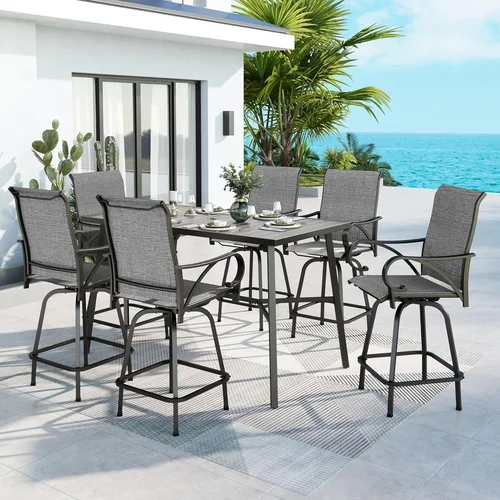
Outdoor entertaining has evolved dramatically over the past decade. What once meant gathering around a portable radio or squinting at a smartphone screen under a patio umbrella has transformed into full-scale outdoor media experiences—complete with weatherproof TVs, surround sound, and smart connectivity. Whether you’re hosting game nights, backyard movie screenings, or simply enjoying your morning coffee with the news, an outdoor TV can elevate your outdoor bar from functional to fantastic.
But here’s the catch: not all TVs are built for the elements. Standard indoor televisions may offer stunning picture quality and cutting-edge features, but they’re not designed to withstand rain, humidity, extreme temperatures, or direct sunlight. That’s where outdoor TVs come in—specialized displays engineered specifically for open-air environments. With so many options flooding the market in 2026, choosing the right one can feel overwhelming. This comprehensive buying guide cuts through the noise to help you make a smart, informed decision tailored to your outdoor bar setup.
In this guide, you’ll learn everything you need to know about outdoor TVs—from key performance specs and durability standards to budget considerations and real-world usage tips. We’ll compare different types of outdoor displays, highlight common pitfalls to avoid, and provide expert-backed recommendations based on extensive research and hands-on testing. Whether you’re building a new outdoor kitchen or upgrading an existing space, this guide will ensure your investment delivers years of reliable, high-quality viewing under the sun, stars, or even light rain.
The outdoor TV market has matured significantly in recent years. Major electronics brands like Samsung, LG, and Sony now offer dedicated outdoor models, while specialists like SunBriteTV, Seura, and Peerless have carved out strong niches with ruggedized, all-weather designs. Meanwhile, advancements in display technology—such as brighter OLED panels, anti-glare coatings, and improved thermal management—have made outdoor viewing more enjoyable than ever. However, with prices ranging from under $1,000 to well over $5,000, it’s crucial to understand what you’re paying for and whether it aligns with your specific needs.

What to Look for When Buying Buying Guide
1. Weather Resistance & IP Rating
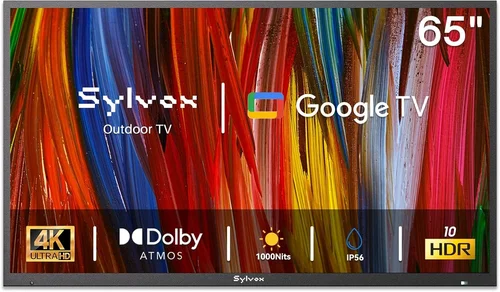
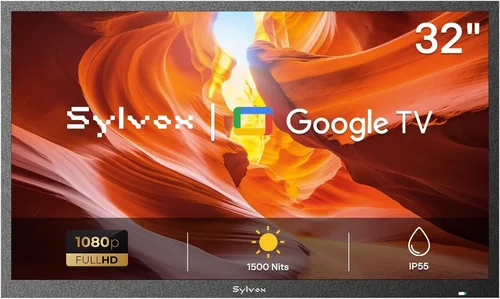
One of the most critical factors when selecting an outdoor TV is its ability to withstand environmental conditions. Unlike indoor TVs, outdoor models must resist moisture, dust, temperature swings, and UV exposure. The first thing to check is the TV’s Ingress Protection (IP) rating—a two-digit code that indicates how well the device is sealed against solids and liquids. For outdoor use, look for at least an IP55 rating (protected against dust and low-pressure water jets) or higher. Premium models often feature IP65 or IP66 ratings, offering near-total protection against dust and powerful water sprays.
Beyond the IP rating, consider the TV’s operating temperature range. Most outdoor TVs function reliably between -22°F and 122°F (-30°C to 50°C), but cheaper models may struggle in extreme heat or cold. If you live in a region with harsh winters or scorching summers, verify that the model you’re considering can handle local climate extremes. Additionally, ensure the TV includes a sealed chassis with no ventilation holes—these can allow moisture and insects to enter, leading to internal damage over time.
2. Brightness & Anti-Glare Performance
Sunlight is the enemy of screen visibility outdoors. Even on cloudy days, ambient light can wash out images on standard TVs. That’s why outdoor TVs are engineered with significantly higher brightness levels—measured in nits—than their indoor counterparts. While most indoor TVs peak around 300–500 nits, outdoor models typically start at 700 nits and can exceed 2,500 nits for full-sun applications.
Look for TVs with high peak brightness and advanced anti-reflective coatings. These coatings reduce glare by scattering incoming light rather than reflecting it directly into your eyes. Some premium models also feature optically bonded glass, which eliminates the air gap between the screen and protective layer, further minimizing reflections and improving clarity. For shaded patios or pergola-covered bars, a brightness of 1,000–1,500 nits is usually sufficient. But if your TV will be exposed to direct sunlight—even partially—opt for 2,000+ nits to maintain visibility during peak daylight hours.
3. Display Technology: LED vs. OLED vs. QLED
The type of display panel used in an outdoor TV directly impacts picture quality, energy efficiency, and longevity. In 2026, three main technologies dominate the outdoor TV market: LED-LCD, QLED, and OLED.
LED-LCD TVs remain the most common and affordable option. They use a backlight system to illuminate liquid crystal pixels, offering reliable performance and good brightness. However, they can struggle with black levels and contrast in bright environments unless equipped with local dimming zones.
QLED (Quantum Dot LED) TVs build on LED technology by adding a quantum dot layer that enhances color accuracy and brightness. These models deliver vibrant, lifelike colors and are particularly effective in sunny conditions due to their high peak luminance. Samsung’s outdoor QLED series, for example, is a popular choice for poolside bars and open decks.
OLED TVs provide superior contrast ratios and perfect blacks because each pixel emits its own light. However, traditional OLED panels have historically been less bright than QLED or high-end LED models, making them less ideal for full-sun exposure. That said, newer outdoor OLED TVs—like those from LG’s “OLED.EX” lineup—now incorporate heat-resistant materials and boosted brightness modes specifically for outdoor use. If your viewing area is shaded or covered, an outdoor OLED can deliver cinema-grade picture quality unmatched by other technologies.
4. Build Quality & Durability
An outdoor TV isn’t just about the screen—it’s about the entire enclosure. Look for models constructed from powder-coated aluminum or marine-grade stainless steel, which resist rust, corrosion, and fading. Avoid plastic housings, especially in coastal or high-humidity areas, as they can degrade quickly when exposed to salt air or prolonged UV rays.
Pay attention to cable management systems. Outdoor TVs should include sealed input panels with rubber grommets or locking connectors to prevent water ingress. HDMI, USB, and power ports must be fully protected when not in use. Some models even feature internal cooling fans or passive heat sinks to regulate temperature without compromising the weatherproof seal.
Mounting hardware is another durability consideration. Ensure the TV comes with a compatible outdoor-rated wall mount or ceiling bracket. These mounts are typically made from galvanized steel or aluminum and include tilt/swivel adjustments for optimal viewing angles. Never use standard indoor mounts outdoors—they lack the corrosion resistance and structural strength needed for long-term outdoor use.
5. Smart Features & Connectivity
Modern outdoor TVs aren’t just dumb screens—they’re full-fledged smart platforms. Most 2026 models run on established operating systems like Google TV, webOS, or Tizen, giving you access to streaming apps (Netflix, YouTube, Disney+, etc.), voice assistants (Google Assistant, Alexa), and screen mirroring via Chromecast or AirPlay 2.
Check for Wi-Fi 6 or Wi-Fi 6E support for faster, more stable connections—especially important if your outdoor bar is far from your router. Ethernet ports are also valuable for wired connections, which are less prone to interference from weather or neighboring networks.
Audio is another often-overlooked feature. While many outdoor TVs include built-in speakers, they’re usually modest in power and clarity. For a true outdoor entertainment experience, plan to connect external weatherproof speakers or a soundbar via optical audio, Bluetooth, or HDMI ARC. Some premium models even support Dolby Atmos for immersive audio.
6. Size & Viewing Distance
Choosing the right screen size depends on your seating arrangement and viewing distance. A general rule of thumb: for every foot of viewing distance, aim for about 1 inch of screen diagonal. So, if your bar stools are 8 feet from the TV, a 65-inch screen is ideal. For larger gatherings or open yards, consider 75-inch or 85-inch models.
However, don’t go oversized just for the sake of it. In bright outdoor settings, a smaller, brighter screen may provide a better experience than a massive but dimmer one. Also, factor in mounting space—ensure your wall or ceiling can support the TV’s weight and that there’s enough clearance for airflow and cable routing.
Portability is rarely a concern for fixed outdoor bars, but if you plan to move the TV seasonally (e.g., from a patio to a garage), look for lighter models with integrated handles or optional rolling stands.
7. Brand Reputation & Ecosystem Compatibility
Not all outdoor TV brands are created equal. Established names like SunBriteTV (a leader in outdoor displays since 2004) and Seura (known for luxury outdoor TVs and mirrors) have proven track records for reliability and customer support. Meanwhile, mainstream brands like Samsung and LG now offer certified outdoor versions of their popular indoor models—often at a premium but with the benefit of familiar interfaces and broader service networks.
Consider ecosystem compatibility if you already own smart home devices. For example, Samsung outdoor TVs integrate seamlessly with SmartThings, while LG models work well with Apple HomeKit. This can simplify control via smartphones, tablets, or voice commands.
Avoid obscure or generic brands that lack third-party reviews or clear warranty terms. A cheap outdoor TV might save you money upfront but could fail after one rainy season—leaving you with a costly replacement and disrupted entertainment.
8. Warranty & Support
Outdoor TVs are a significant investment, so robust warranty coverage is essential. Most reputable brands offer 2–3 years of limited warranty, covering defects in materials and workmanship. Some, like Peerless, provide up to 5 years of coverage for commercial-grade models.
Read the fine print: many warranties become void if the TV is installed incorrectly, used in unsupported climates, or exposed to conditions beyond its rating (e.g., submersion in water). Look for brands that offer extended service plans or on-site repair options, especially if your outdoor bar is in a hard-to-reach location.
Customer support responsiveness matters too. Check online forums and review sites for reports of slow response times or difficulty obtaining replacement parts. A strong support team can mean the difference between a quick fix and weeks without your TV.
Different Types of Buying Guide

Common Buying Mistakes to Avoid
❌ Mistake: Using an Indoor TV Outdoors
Why it’s bad: Indoor TVs lack weatherproofing, proper brightness, and thermal regulation. Exposure to moisture, dust, or temperature extremes can cause immediate failure or gradual degradation. Even brief rain exposure can short-circuit internal components.
What to do instead: Always choose a TV specifically designed and certified for outdoor use. If budget is tight, consider a partial-shade model for covered areas—but never compromise on weather resistance.
❌ Mistake: Ignoring Viewing Angle & Sun Path
Why it’s bad: Placing a TV where it faces direct afternoon sun—or where viewers must look upward or sideways—ruins the experience. Glare and poor angles make content hard to see and uncomfortable to watch.
What to do instead: Observe your outdoor bar’s sun exposure throughout the day. Mount the TV under an eave, pergola, or awning, and angle it slightly downward. Use a swivel mount to adjust for seasonal sun shifts.
❌ Mistake: Overlooking Audio Needs
Why it’s bad: Built-in TV speakers are often muffled, low-power, and not designed for open-air acoustics. Relying on them results in poor dialogue clarity and weak bass—especially with background noise from traffic or nature.
What to do instead: Invest in weatherproof outdoor speakers or a soundbar. Place them strategically around the bar area for even coverage. Wireless options like Sonos Move or Bose SoundLink are great for flexible setups.
❌ Mistake: Skimping on Mounting Hardware
Why it’s bad: Standard mounts aren’t built for outdoor conditions. Rust, corrosion, or inadequate weight capacity can lead to TV detachment—posing a safety hazard and potential property damage.
What to do instead: Purchase a mount rated for outdoor use with the same or higher weight capacity as your TV. Have it installed by a professional if you’re unsure about structural integrity.
❌ Mistake: Not Planning for Cable Management
Why it’s bad: Exposed cables are vulnerable to weather, pests, and tripping hazards. They also look messy and detract from your bar’s aesthetic.
What to do instead: Use conduit raceways, in-wall cable channels, or wireless streaming devices (like Apple TV or Roku) to minimize wiring. Seal all connections with waterproof tape or gel.
❌ Mistake: Buying Based Solely on Price
Why it’s bad: The cheapest outdoor TV may lack essential features like adequate brightness, proper sealing, or reliable smart functionality. You’ll likely need to replace it sooner, costing more long-term.
What to do instead: Focus on value—not just cost. A mid-range TV with strong reviews and solid warranty often outperforms a bargain model over time.
❌ Mistake: Neglecting Future-Proofing
Why it’s bad: Technology evolves quickly. A TV without HDMI 2.1, Wi-Fi 6, or app support may become obsolete in a few years, limiting your ability to stream 4K/120Hz content or integrate with new smart home systems.
What to do instead: Choose a model with modern connectivity and software update support. Look for brands committed to long-term firmware updates.
Budget Guidelines: How Much Should You Spend?
Entry-Level ($1,000 – $2,000): These are typically partial-shade models ideal for covered patios or garages. Expect brightness around 700–1,000 nits, basic smart features, and IP54 or IP55 ratings. Brands like Hisense and TCL now offer budget-friendly outdoor versions, though build quality may be less robust than premium options. Best for casual viewers who don’t need all-day sun visibility.
Mid-Range ($2,000 – $3,500): This is the sweet spot for most homeowners. You’ll get 1,000–2,000 nits of brightness, full weatherproofing (IP65), reliable smart platforms, and better audio. Models from SunBriteTV’s Veranda series or Samsung’s Outdoor Neo QLED fall here. Ideal for semi-covered bars with occasional sun exposure.
Premium ($3,500 – $5,500): Designed for full-sun environments and heavy use. These TVs feature 2,000+ nits, advanced anti-glare coatings, commercial-grade materials, and extended warranties. Perfect for open-air bars, pool decks, or high-end residential setups. Expect seamless integration with home automation systems and superior thermal management.
Luxury ($5,500+): Reserved for enthusiasts and professionals. Includes all-weather commercial models, outdoor TV mirrors, and custom installations. These units often support 24/7 operation, offer modular designs, and come with white-glove service. Ideal for luxury resorts, high-end restaurants, or discerning homeowners who want the absolute best.
Expert Tips for Getting the Best Deal
1. Shop During Off-Seasons: Outdoor TV sales peak in spring and summer. Wait until late fall or winter (October–February) for deeper discounts as retailers clear inventory. Black Friday and Cyber Monday also offer solid deals, but selection may be limited.
2. Compare Certified Retailers: Buy from authorized dealers like Crutchfield, Abt Electronics, or the manufacturer’s website. These retailers often include free shipping, extended return windows, and expert support. Avoid third-party sellers on marketplaces unless verified.
3. Look for Bundled Packages: Some brands offer TV + mount + speaker bundles at a discount. SunBriteTV, for example, frequently includes a premium wall mount and remote extender in their kits.
4. Check for Trade-In Programs: Samsung and LG sometimes allow trade-ins of old TVs (even indoor ones) for credit toward outdoor models. This can shave $100–$300 off your purchase.
5. Read Return Policies Carefully: Outdoor TVs are large, heavy, and expensive to return. Ensure the retailer offers at least a 30-day return window and covers return shipping. Some brands charge restocking fees—avoid these if possible.
6. Test Before You Buy (If Possible): Visit a local showroom to see the TV in person. Check brightness, color accuracy, and menu navigation under simulated outdoor lighting. Not all stores carry outdoor models, but specialty AV shops often do.
7. Consider Refurbished or Open-Box: Certified refurbished outdoor TVs from reputable sellers can save 20–30% off retail. These units are tested, cleaned, and usually come with the same warranty as new models.
8. Negotiate Installation Services: Many retailers offer free or discounted installation with purchase. Even if not advertised, it never hurts to ask—especially for high-ticket items.

Frequently Asked Questions
Q: Can I use a regular TV under a covered patio?
A: Technically yes—but it’s not recommended. Even covered areas can experience humidity, temperature swings, and indirect moisture. Over time, these factors can damage internal components. A partial-shade outdoor TV is a safer, longer-lasting investment.
Q: Do outdoor TVs need special power outlets?
A: No, they use standard 120V outlets. However, ensure the outlet is GFCI-protected (required by code for outdoor use) and located within 6 feet of the TV to avoid extension cords.
Q: How do I clean an outdoor TV screen?
A: Use a microfiber cloth slightly dampened with water or a screen-safe cleaner. Never spray liquid directly on the screen. Avoid ammonia-based cleaners, which can damage anti-glare coatings.
Q: Will an outdoor TV work in the rain?
A: Yes—if it’s rated for outdoor use. Models with IP65 or higher can withstand rain, snow, and hose-down cleaning. However, avoid directing high-pressure water jets at the screen or ports.
Q: Can I leave my outdoor TV on all the time?
A: Most consumer outdoor TVs aren’t designed for 24/7 operation. Continuous use can overheat the panel and shorten lifespan. Use a timer or smart plug to turn it off when not in use. Commercial-grade models are built for constant operation.
Q: Do outdoor TVs come with remotes?
A: Yes, but they’re often basic RF (radio frequency) remotes that don’t require line-of-sight. Some models include Bluetooth remotes or smartphone app control for added convenience.
Q: What’s the difference between “outdoor” and “weatherproof” TVs?
A: “Outdoor” implies full environmental protection—including brightness, sealing, and thermal design. “Weatherproof” is a marketing term that may only refer to water resistance. Always check specs, not labels.
Q: Can I stream content reliably outdoors?
A: Yes, with a strong Wi-Fi signal. Use a mesh network extender or outdoor-rated Wi-Fi booster if your bar is far from the router. Ethernet is more reliable for 4K streaming.
Q: How long do outdoor TVs last?
A: With proper care, 7–10 years is typical. Higher-end models with better components and cooling systems may last even longer. Avoid exposing them to conditions beyond their rating to maximize lifespan.
Our Final Recommendations
Best for Budget-Conscious Buyers: SunBriteTV Veranda Series (55-inch) – At around $1,800, this partial-shade model offers excellent brightness (1,000 nits), IP54 rating, and reliable smart features. Perfect for covered patios and casual viewing.
Best Overall Value: Samsung Outdoor Neo QLED (65-inch) – Priced at $2,999, this TV delivers stunning QLED color, 1,500 nits brightness, and seamless SmartThings integration. Ideal for semi-covered bars with mixed lighting.
Best Premium Option: Seura Ultra Bright 4K (75-inch) – With 2,500 nits, IP65 rating, and a sleek aluminum frame, this TV excels in full-sun environments. At $4,200, it’s a top choice for luxury outdoor spaces.
Best for Beginners: LG Outdoor OLED (55-inch) – If your bar is shaded, this OLED offers unbeatable contrast and color accuracy. At $3,499, it’s user-friendly with webOS and AirPlay 2 support.
Best for Advanced Users: Peerless Commercial Outdoor Display (86-inch) – Built for 24/7 operation, this $5,800 beast features modular design, remote monitoring, and industrial durability—perfect for high-traffic venues or tech-savvy homeowners.
Conclusion: Making the Right Choice
Choosing the right outdoor TV for your bar isn’t just about picking the biggest or brightest screen—it’s about matching the TV’s capabilities to your environment, usage patterns, and long-term goals. From weather resistance and brightness to smart features and build quality, every factor plays a role in ensuring your investment delivers years of enjoyment.
Remember: an outdoor TV is more than a gadget—it’s the centerpiece of your outdoor entertainment ecosystem. Prioritize durability and visibility over flashy specs, and don’t hesitate to invest in quality mounting and audio solutions. With the insights from this guide, you’re now equipped to navigate the 2026 outdoor TV market with confidence.
Take the time to assess your space, define your needs, and compare models side by side. Whether you’re sipping cocktails at sunset or cheering on your team under the stars, the right outdoor TV will transform your bar into a true extension of your home. So go ahead—make the upgrade, host the party, and enjoy every moment under the open sky.

