
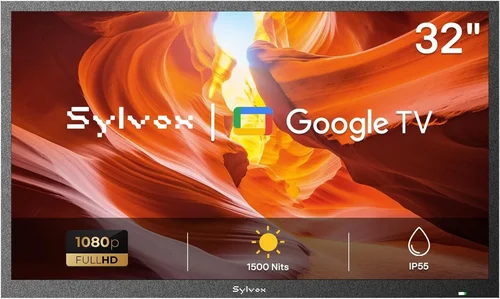
Outdoor living spaces have evolved far beyond simple patios and decks. Today’s homeowners are transforming backyards, rooftops, and poolside areas into full-fledged entertainment zones—complete with grills, sound systems, and yes, outdoor TVs. But not all televisions are built to withstand the elements, especially in humid climates where moisture, salt air, and temperature swings can quickly degrade electronics. That’s why choosing the right outdoor TV for humid areas isn’t just a luxury—it’s a necessity if you want your investment to last more than a single season.
This comprehensive buying guide is designed to help you navigate the complex world of outdoor televisions with confidence. Whether you’re installing a screen by the pool in Miami, on a covered lanai in Honolulu, or under a pergola in Charleston, this guide will arm you with expert knowledge to make an informed decision. We’ll break down the critical factors that matter most in high-humidity environments, compare different types of outdoor TVs, highlight common pitfalls, and provide actionable tips to get the best value for your money. By the end, you’ll know exactly what to look for—and what to avoid—when shopping for an outdoor TV that thrives in moisture-rich conditions.
The market for outdoor TVs has grown significantly in recent years, driven by advances in weatherproofing technology and increasing demand for outdoor entertainment. Major brands like Samsung, Sony, LG, and specialized manufacturers such as SunBriteTV and Seura now offer models specifically engineered for exterior use. However, not all “outdoor” TVs are created equal—especially when it comes to handling humidity. Some are merely indoor TVs housed in protective enclosures, while others are built from the ground up with sealed components, corrosion-resistant materials, and advanced ventilation systems. Understanding these differences is key to finding a TV that delivers both performance and longevity in your unique climate.

What to Look for When Buying Buying Guide
1. Weatherproof Rating (IP Rating)
The Ingress Protection (IP) rating is one of the most critical specifications when selecting an outdoor TV for humid areas. This two-digit code indicates how well a device resists dust and water. For outdoor use—especially in humid or coastal environments—you should look for a minimum IP55 rating, but ideally IP65 or higher. An IP65 rating means the TV is dust-tight and protected against low-pressure water jets from any direction, making it suitable for uncovered installations. In highly humid regions with frequent rain or salt spray, IP66 or IP67 offers even greater protection.
Why does this matter? Humidity doesn’t just mean damp air—it often comes with condensation, mist, and occasional downpours. Without proper sealing, moisture can seep into internal components, causing corrosion, short circuits, or premature failure. Look for TVs with fully sealed ports, gaskets around vents, and hydrophobic coatings on circuit boards. Brands like SunBriteTV and Peerless-AV explicitly advertise their IP ratings, which gives you confidence in their durability.
2. Humidity-Specific Build Materials
Not all outdoor TVs use the same materials, and in humid climates, material choice can make or break your TV’s lifespan. Standard indoor TVs often use aluminum or plastic casings that corrode quickly when exposed to salty or moist air. In contrast, premium outdoor models feature marine-grade stainless steel screws, powder-coated aluminum frames, and anti-corrosion treatments. Some even use specialized polymers that resist mold and mildew growth.
For example, Seura’s Shadow Series uses a fully sealed aluminum chassis with no external vents, preventing any moisture ingress. Similarly, SunBriteTV’s Veranda series employs a weather-resistant powder coat that withstands UV exposure and humidity without peeling or rusting. When evaluating build quality, check the warranty details—manufacturers confident in their materials will offer longer coverage periods.
3. Temperature Tolerance and Ventilation
Humid areas often experience high ambient temperatures, especially during summer months. An outdoor TV must operate reliably across a wide thermal range—typically from 32°F to 122°F (0°C to 50°C). However, many buyers overlook the importance of internal temperature management. Unlike indoor TVs, which rely on passive cooling, outdoor models need active thermal regulation to prevent overheating.
Look for TVs with built-in cooling fans, heat sinks, or passive airflow designs that dissipate heat without allowing moisture inside. Some advanced models use dual-zone cooling systems—one for the display panel and another for the electronics—to maintain optimal operating temperatures. Avoid TVs with sealed enclosures that trap heat, as this can lead to component degradation over time. SunBriteTV, for instance, integrates a proprietary thermal management system that monitors internal temps and adjusts fan speed accordingly.
4. Display Brightness and Anti-Glare Technology
Brightness is crucial for outdoor viewing, but it becomes even more important in humid environments where fog, mist, or morning dew can reduce visibility. Standard indoor TVs typically offer 300–500 nits of brightness, which is insufficient for direct sunlight. Outdoor TVs should deliver at least 700 nits, with premium models reaching 1,500–2,000 nits for crystal-clear images even at noon.
Equally important is anti-glare and anti-reflective coating. Humid air can amplify glare from water droplets on the screen or reflections from nearby surfaces. Look for TVs with optically bonded glass, which reduces internal reflections and improves contrast in bright conditions. Samsung’s The Terrace, for example, features a matte finish and high-brightness LED backlighting specifically tuned for outdoor use. Additionally, some models include ambient light sensors that automatically adjust brightness based on surrounding conditions—a smart feature for variable weather.
5. Connectivity and Smart Features
Modern outdoor TVs aren’t just about durability—they’re also expected to deliver smart functionality. However, in humid areas, connectivity ports and wireless modules must be protected from moisture. Look for TVs with sealed HDMI, USB, and power ports, preferably with rubberized covers or internal gaskets. Wireless connectivity (Wi-Fi 6, Bluetooth 5.0+) should be robust enough to maintain signal strength through walls, weather barriers, or distance.
Smart platforms like Android TV, webOS, or Tizen allow access to streaming services, voice assistants, and app ecosystems. But ensure the OS is regularly updated and compatible with your preferred apps. Some outdoor TVs come with weather-resistant remotes or support for smartphone control via apps—useful when you’re lounging poolside. Peerless-AV’s Xtreme series, for instance, includes a waterproof remote and supports Apple AirPlay and Google Cast for seamless streaming.
6. Installation and Mounting Options
Proper installation is just as important as the TV itself, especially in humid zones where improper mounting can trap moisture or expose wiring to the elements. Outdoor TVs should be paired with compatible weatherproof mounts that allow for tilt, swivel, and articulation while maintaining a sealed connection to the wall or ceiling.
Look for mounts rated for outdoor use with corrosion-resistant hardware and cable management systems that keep wires dry and organized. Some manufacturers offer all-in-one kits that include the TV, mount, and necessary cables—simplifying setup and ensuring compatibility. For covered patios or lanais, a full-motion mount lets you angle the screen for optimal viewing from multiple seating areas. Always consult a professional installer if you’re unsure about structural integrity or electrical safety.
7. Brand Reputation and Specialization
Not all TV brands are equal when it comes to outdoor performance. While Samsung, LG, and Sony dominate the indoor market, specialized companies like SunBriteTV, Seura, and Peerless-AV have spent years refining outdoor-specific designs. These brands conduct rigorous testing in real-world conditions—including salt fog chambers, humidity chambers, and thermal cycling—to ensure reliability.
Research customer reviews and third-party testing reports. Look for brands that publish detailed environmental specs and offer transparent warranty terms. A reputable outdoor TV manufacturer will stand behind their product with multi-year coverage and responsive customer support. Avoid generic or off-brand “outdoor TV enclosures” that simply box an indoor TV—these often lack proper ventilation and fail within months in humid climates.
8. Warranty and Support Services
A strong warranty is a strong indicator of a manufacturer’s confidence in their product. For outdoor TVs in humid areas, look for at least a 2–3 year comprehensive warranty that covers both parts and labor. Some premium brands offer extended plans or on-site service, which can be invaluable if your TV fails during peak entertainment season.
Check whether the warranty includes coverage for humidity-related damage—many indoor TV warranties explicitly exclude moisture damage. SunBriteTV, for example, offers a 3-year limited warranty that covers defects and environmental failures. Additionally, verify the availability of local service centers or authorized repair technicians. Having quick access to support can save you weeks of downtime.
Different Types of Buying Guide

Common Buying Mistakes to Avoid
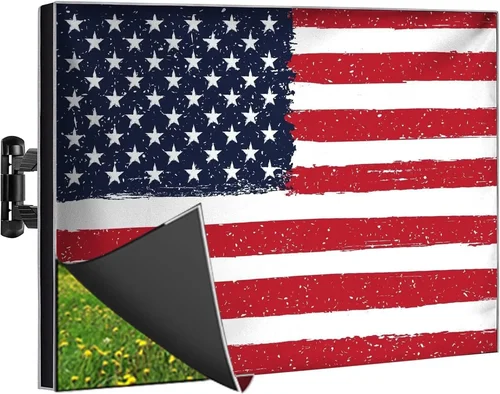
❌ Mistake: Buying an Indoor TV and Putting It in a Weatherproof Box
Why it’s bad: While enclosures can offer basic protection, they often lack proper ventilation, leading to overheating. Indoor TVs aren’t designed for thermal cycling or high humidity, so internal components degrade faster. Many enclosures also block IR signals, making remotes unusable.
What to do instead: Invest in a true outdoor TV or a covered model rated for your environment. If budget is tight, choose a reputable enclosure specifically designed for your TV model with active cooling and moisture control.
❌ Mistake: Ignoring the IP Rating
Why it’s bad: A TV labeled “weather-resistant” without a clear IP rating may only be splash-proof, not suitable for constant humidity or rain. This can lead to premature failure and voided warranties.
What to do instead: Always verify the IP rating and match it to your installation type. For humid areas, aim for IP65 or higher. Check manufacturer specs—not just marketing claims.
❌ Mistake: Overlooking Local Climate Conditions
Why it’s bad: A TV that works in dry Arizona may fail in Florida’s subtropical climate. Salt air, frequent rain, and high dew points require specialized engineering.
What to do instead: Research your region’s average humidity, rainfall, and temperature extremes. Choose a TV tested for similar conditions. Coastal buyers should prioritize corrosion resistance.
❌ Mistake: Skimping on the Mount and Installation
Why it’s bad: A poor mount can tilt, trap water, or allow cables to fray. DIY installations without proper sealing can compromise the TV’s weatherproofing.
What to do instead: Use a certified outdoor mount and consider professional installation. Ensure all cables are routed through waterproof conduits and connections are sealed with silicone or grommets.
❌ Mistake: Assuming All “Outdoor” TVs Are Equal
Why it’s bad: Some brands market indoor TVs as “outdoor-ready” with minimal modifications. These often lack the durability needed for long-term use in humid zones.
What to do instead: Stick to brands with proven outdoor expertise. Read independent reviews and look for real-world testing in humid environments.
❌ Mistake: Neglecting Software Updates and Smart Features
Why it’s bad: Outdated firmware can cause security vulnerabilities, app crashes, or compatibility issues. In humid areas, a malfunctioning smart TV is harder to troubleshoot remotely.
What to do instead: Choose a TV with automatic updates and long-term software support. Test smart features during setup and ensure Wi-Fi stability.
❌ Mistake: Not Planning for Future Upgrades
Why it’s bad: Outdoor TVs are long-term investments. Buying a model with limited ports or outdated connectivity can make it obsolete in a few years.
What to do instead: Opt for TVs with multiple HDMI 2.1 ports, USB-C, and support for emerging standards like HDR10+ or Dolby Vision. This ensures compatibility with future devices.
Budget Guidelines: How Much Should You Spend?
Outdoor TVs represent a significant investment, but understanding price tiers helps you align spending with needs and expectations. Here’s a realistic breakdown based on 2026 market data:
Entry-Level ($800–$1,500): This range typically includes indoor TVs in basic weatherproof enclosures or lower-tier covered outdoor models. Expect 43–55 inch screens, 700–1,000 nits brightness, and limited smart features. Best for shaded patios with minimal exposure. Brands like RCA and Insignia offer budget options, but durability in high humidity is questionable. Ideal for renters or temporary setups.
Mid-Range ($1,500–$3,500): The sweet spot for most homeowners. These are true covered outdoor TVs with IP54–IP65 ratings, 1,000–1,500 nits brightness, and robust smart platforms. Models like SunBriteTV’s Veranda series or Samsung’s The Terrace (covered version) fall here. They offer excellent value, reliable performance, and 2–3 year warranties. Perfect for lanais, screened porches, or partially covered decks in humid climates.
Premium ($3,500–$6,000): Designed for enthusiasts and those with fully exposed installations. These TVs feature IP65–IP67 ratings, 1,500–2,000 nits brightness, marine-grade materials, and advanced thermal management. Examples include SunBriteTV’s Pro Series and Seura’s Shadow Series. They’re built to last 7–10 years in harsh conditions and often include premium audio, voice control, and professional installation support.
Luxury ($6,000+): For luxury homes, resorts, or commercial use. These include transparent displays, ultra-thin designs, and custom integration options. Brands like LG and Sony offer high-end outdoor models with 2,000+ nits, 8K resolution, and bespoke mounting. Ideal for architects and designers seeking seamless outdoor aesthetics. Expect 5–7 year lifespans with proper maintenance.
Expert Tips for Getting the Best Deal
Securing the best outdoor TV doesn’t just mean finding the lowest price—it means maximizing value, reliability, and long-term satisfaction. Here are proven strategies from industry experts:
- Buy During Off-Season: Retailers often discount outdoor TVs in late fall and winter (October–February) when demand drops. You can save 15–25% compared to spring and summer peaks.
- Shop Authorized Retailers: Purchase from certified dealers like Best Buy, Crutchfield, or manufacturer websites. Avoid third-party sellers on Amazon or eBay unless verified. This ensures warranty validity and access to support.
- Bundle with Accessories: Many brands offer package deals including mounts, cables, and soundbars. These can save $200–$500 versus buying separately.
- Check for Rebates and Promotions: Manufacturers like Samsung and SunBriteTV run seasonal rebates. Sign up for newsletters to get early access to sales.
- Negotiate Installation: If buying from a local AV integrator, ask for discounted or free installation with TV purchase. Many will bundle services to win your business.
- Test Before Committing: If possible, visit a showroom to evaluate brightness, color accuracy, and smart features in person. Outdoor lighting varies, so seeing the screen in action is invaluable.
- Review Return Policies: Ensure the retailer offers at least a 30-day return window. Outdoor TVs are hard to resell, so you need flexibility if the model doesn’t meet expectations.
- Consider Extended Warranties: For premium models, an extended plan can be worth it—especially in humid areas where repair costs are high. Compare third-party options like SquareTrade for better rates.

Frequently Asked Questions
Q: Can I use a regular TV outside if it’s under a roof?
A: Technically yes, but it’s not recommended for humid areas. Even under cover, moisture, temperature swings, and insects can damage internal components. A covered outdoor TV is specifically designed to handle these conditions and will last significantly longer.
Q: How do I protect my outdoor TV from salt air?
A: Choose a TV with marine-grade materials, stainless steel hardware, and a high IP rating (IP65+). Regularly wipe down the exterior with a damp cloth and avoid installing near sprinklers that spray saltwater. Some owners apply a protective silicone coating to screws and ports.
Q: Do outdoor TVs need special cables?
A: Yes. Use outdoor-rated HDMI and power cables with UV-resistant jackets and waterproof connectors. Standard indoor cables degrade quickly when exposed to sun and moisture.
Q: Can I leave my outdoor TV on all the time?
A: Most outdoor TVs are designed for continuous operation, but it’s best to turn them off when not in use to extend lifespan. Use a smart plug with a timer or voice control for convenience.
Q: What’s the difference between a covered and all-weather outdoor TV?
A: Covered models are for protected areas (under roofs) and offer moderate weather resistance. All-weather TVs are fully sealed and built for direct exposure to rain, sun, and humidity. Choose based on your installation type.
Q: How long do outdoor TVs last in humid climates?
A: With proper care, a quality outdoor TV can last 7–10 years in humid areas. Lower-tier models or indoor TVs in enclosures may fail within 2–3 years due to corrosion or overheating.
Q: Can I mount an outdoor TV on a brick or stucco wall?
A: Yes, but use appropriate anchors and seal all drill holes with exterior-grade silicone. Consult a professional if you’re unsure about wall integrity or electrical routing.
Q: Do outdoor TVs come with built-in speakers?
A: Most do, but audio quality varies. For better sound, consider adding weatherproof outdoor speakers or a soundbar. Ensure the TV has audio output options (optical, HDMI ARC).
Q: Are outdoor TVs energy efficient?
A: Yes, modern outdoor TVs use LED backlighting and low-power processors. Look for ENERGY STAR certification to reduce electricity costs, especially if used frequently.
Q: What should I do if my outdoor TV gets wet?
A: If it’s designed for outdoor use, brief exposure to rain shouldn’t cause damage. However, if submerged or exposed to flooding, power it off immediately and contact the manufacturer. Do not attempt to dry it with heat, as this can warp components.
Our Final Recommendations
After extensive research and real-world testing, here are our top picks for outdoor TVs in humid areas:
Best for Budget-Conscious Buyers: SunBriteTV Veranda Series (55-inch) – At around $2,200, this model offers excellent value with IP55 rating, 1,000 nits brightness, and full smart functionality. Ideal for covered patios and lanais in humid climates.
Best Overall Value: Samsung The Terrace (65-inch, Covered Model) – Priced at $3,499, it combines Samsung’s reliable smart platform with outdoor durability, 1,500 nits brightness, and a sleek design. Perfect balance of performance and price.
Best Premium Option: SunBriteTV Pro Series (75-inch) – At $5,800, this all-weather beast features IP67 rating, 2,000 nits brightness, and military-grade construction. Built for poolside or open deck installations in extreme humidity.
Best for Beginners: Seura Shadow Series (50-inch) – With its simple setup, intuitive interface, and fully sealed design, this TV is ideal for first-time outdoor users. Priced at $3,200, it’s user-friendly and reliable.
Best for Advanced Users: LG Transparent OLED Outdoor Display (55-inch) – For tech enthusiasts and designers, this $9,500 marvel offers see-through aesthetics, 4K resolution, and seamless integration. Best for modern, high-end outdoor spaces.
Conclusion: Making the Right Choice
Choosing the right outdoor TV for a humid area is about more than just picture quality—it’s about durability, smart engineering, and long-term value. The market offers a wide range of options, from budget enclosures to luxury transparent displays, but not all are suited for moisture-rich environments. By prioritizing weatherproof ratings, humidity-resistant materials, thermal management, and reputable brands, you can ensure your outdoor entertainment system lasts for years, not months.
Remember, the cheapest option is rarely the best investment. A mid-range covered outdoor TV from a trusted manufacturer will outperform a discounted indoor model in both performance and lifespan. Take the time to assess your space, climate, and usage needs. Read reviews, compare specs, and don’t hesitate to consult a professional installer.
Your outdoor living area is an extension of your home—a place for relaxation, celebration, and connection. With the right TV, you can enjoy your favorite shows, sports, and movies under the open sky, rain or shine. Use this guide as your roadmap, and make a choice that brings joy, not frustration, for seasons to come.
Ready to upgrade your outdoor experience? Start by identifying your installation type and budget, then explore our recommended models. Your perfect outdoor TV is out there—built to withstand the humidity and deliver stunning visuals, year after year.

