
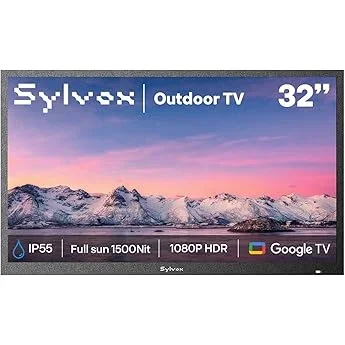
Outdoor living spaces have evolved dramatically over the past decade. What once was a simple grill and a few folding chairs has transformed into fully equipped outdoor kitchens, complete with refrigerators, sinks, pizza ovens, and—perhaps most importantly—entertainment systems. At the heart of this transformation is the outdoor TV. Whether you’re hosting a summer barbecue, watching the big game under the stars, or enjoying a quiet evening with a movie, an outdoor TV can elevate your backyard experience from functional to fantastic.
But choosing the right outdoor TV isn’t as simple as picking up any old flat-screen from the electronics store. These devices face unique challenges: direct sunlight, rain, dust, extreme temperatures, and even pests. A standard indoor TV simply won’t cut it. That’s where this comprehensive buying guide comes in. We’ve spent countless hours researching, testing, and comparing outdoor TVs to bring you everything you need to make an informed decision. You’ll learn what features matter most, how to avoid common pitfalls, how much you should realistically spend, and which models offer the best value for your setup.
The outdoor TV market has matured significantly in recent years. Brands like Samsung, LG, Sony, and specialized manufacturers such as SunBriteTV, Seura, and Peerless have stepped up their game, offering models that are not only weather-resistant but also deliver stunning picture quality even in bright daylight. Whether you’re building a new outdoor kitchen or upgrading an existing space, this guide will help you navigate the options and find the perfect TV for your needs.

What to Look for When Buying Buying Guide
1. Weather Resistance & IP Rating
When it comes to outdoor TVs, weather resistance isn’t just a nice-to-have—it’s essential. Unlike indoor TVs, outdoor models must withstand rain, snow, dust, humidity, and temperature fluctuations. The first thing to check is the TV’s Ingress Protection (IP) rating. This two-digit code tells you how well the device is protected against solids (like dust) and liquids (like water).
For outdoor use, look for a minimum IP55 rating. The first digit (5) indicates protection against dust, while the second digit (5) means the TV can handle low-pressure water jets from any direction. However, for full outdoor kitchens—especially those exposed to direct rain or sprinklers—an IP65 or higher rating is strongly recommended. IP65 offers complete dust protection and resistance to water projected from a nozzle, making it ideal for most outdoor environments.
Beyond the IP rating, consider the TV’s build materials. High-quality outdoor TVs use powder-coated aluminum or stainless steel enclosures that resist rust and corrosion. Avoid plastic-heavy designs, as they can degrade over time when exposed to UV rays and moisture. Also, check if the TV includes a protective cover or is designed to be used with one. Some models come with built-in ventilation systems to prevent overheating, which is crucial in enclosed outdoor cabinets.
2. Brightness & Anti-Glare Technology
One of the biggest challenges with outdoor TVs is visibility in bright sunlight. Indoor TVs typically have brightness levels around 300–500 nits, which is fine for a dimly lit living room but completely inadequate for an outdoor kitchen on a sunny afternoon. For outdoor use, you need a TV with high brightness—ideally 700 nits or more. Some premium models go as high as 2,500 nits, making them readable even in direct sunlight.
But brightness alone isn’t enough. Glare from windows, water features, or reflective surfaces can wash out the screen. That’s why anti-glare technology is critical. Look for TVs with matte or anti-reflective coatings on the screen. These coatings diffuse light rather than reflecting it, reducing glare and improving visibility.
Another feature to consider is local dimming. This technology adjusts the backlight in different zones of the screen, improving contrast and making dark scenes appear deeper. While not all outdoor TVs include this, it’s a valuable addition for evening viewing. Some models also feature ambient light sensors that automatically adjust brightness based on surrounding light conditions, ensuring optimal picture quality at all times.
3. Display Technology: LED vs. OLED vs. QLED
The type of display technology used in an outdoor TV affects everything from picture quality to durability and cost. Here’s a breakdown of the main options:
LED/LCD: These are the most common and affordable outdoor TVs. They use LED backlighting and liquid crystal displays to produce images. While they offer good brightness and are energy-efficient, they can struggle with contrast and black levels compared to newer technologies. However, many high-end LED models now include full-array local dimming, which significantly improves performance.
QLED: Developed by Samsung, QLED (Quantum Dot LED) TVs use quantum dots to enhance color accuracy and brightness. They offer wider color gamuts and higher peak brightness than standard LED TVs, making them excellent for outdoor use. QLEDs are also more resistant to burn-in than OLEDs, which is a plus for static content like sports scores or news tickers.
OLED: OLED (Organic Light-Emitting Diode) TVs deliver the best picture quality with perfect blacks, infinite contrast, and wide viewing angles. However, they are generally not recommended for outdoor use due to lower peak brightness and susceptibility to burn-in from static images. Additionally, OLED panels are more expensive and less durable in extreme temperatures.
For most outdoor kitchens, a high-brightness QLED or full-array LED TV is the best choice. These technologies strike a balance between performance, durability, and cost.
4. Size & Viewing Distance
Choosing the right screen size is crucial for both comfort and immersion. A TV that’s too small will be hard to see from a distance, while one that’s too large can overwhelm the space and strain your eyes.
As a general rule, the ideal screen size depends on your viewing distance. For outdoor kitchens, where seating is often 6 to 12 feet from the TV, a 55-inch to 75-inch screen is typically ideal. Here’s a quick reference:
– 6–8 feet: 55–65 inches
– 8–10 feet: 65–75 inches
– 10–12 feet: 75–85 inches
Keep in mind that outdoor environments often have more ambient light and less controlled acoustics, so a larger screen can enhance the experience. However, don’t go overboard—your outdoor kitchen should feel like an extension of your home, not a sports bar.
Also consider the TV’s aspect ratio. Most modern TVs are 16:9, which is perfect for movies and TV shows. But if you plan to use the TV for gaming or displaying content from multiple sources, ensure it supports common resolutions like 1080p, 4K, and even 8K if you’re future-proofing.
5. Connectivity & Smart Features
An outdoor TV isn’t just a screen—it’s the hub of your outdoor entertainment system. That means it needs robust connectivity options and smart features to stream content, connect to speakers, and integrate with other devices.
Look for TVs with multiple HDMI ports (at least 3–4), USB ports, and audio outputs. HDMI 2.1 is ideal for 4K/120Hz content and gaming, while USB ports allow you to play media from flash drives or external hard drives. If you plan to use a soundbar or outdoor speakers, ensure the TV has optical audio or ARC (Audio Return Channel) support.
Smart TV platforms are another key consideration. Popular options include:
– webOS (LG): User-friendly interface with access to Netflix, YouTube, Disney+, and more.
– Tizen (Samsung): Smooth performance and strong app support.
– Android TV: Highly customizable with Google Assistant and access to the Google Play Store.
– Fire TV (Amazon): Integrated with Alexa and Amazon Prime Video.
Choose a platform that aligns with your existing devices and streaming preferences. Also, check if the TV supports Wi-Fi 6 or Ethernet for stable internet connectivity, especially if you’re streaming 4K content.
6. Mounting & Installation Options
How and where you mount your outdoor TV can affect both performance and longevity. Most outdoor TVs are designed to be wall-mounted, but some models support ceiling mounts or articulating arms for flexible viewing angles.
When choosing a mount, ensure it’s rated for outdoor use and compatible with your TV’s VESA pattern (the spacing of the mounting holes). Look for mounts with weather-resistant coatings and secure locking mechanisms to prevent theft or accidental dislodging.
Consider the TV’s placement carefully. Avoid direct sunlight if possible, or use a shaded area like under a pergola or awning. If the TV will be in an enclosed cabinet, ensure there’s adequate ventilation to prevent overheating. Some outdoor TVs include built-in cooling fans, but passive ventilation is often sufficient.
Also, think about cable management. Outdoor installations should use weatherproof conduit or cable raceways to protect wires from moisture and UV damage. Label your cables for easy maintenance and future upgrades.
7. Audio Quality & External Sound Options
While picture quality often takes center stage, audio is just as important for an immersive outdoor experience. Unfortunately, most outdoor TVs have limited built-in speakers due to space and weatherproofing constraints. The sound can be tinny or lack bass, especially in open-air environments.
To overcome this, consider pairing your TV with external speakers. Options include:
– Outdoor soundbars: Weather-resistant models designed to mount below or above the TV.
– Landscape speakers: Discreet speakers that blend into your garden or patio.
– Wireless Bluetooth speakers: Portable and easy to reposition.
If you go with external audio, ensure your TV supports Bluetooth or has audio outputs for wired connections. Some high-end outdoor TVs even include built-in subwoofers or support for Dolby Atmos, but these are rare and often come at a premium.
8. Brand Reputation & Warranty
Not all outdoor TVs are created equal. Choosing a reputable brand can make a big difference in reliability, customer support, and long-term performance. Established brands like Samsung, LG, and Sony have strong track records in consumer electronics, while specialized manufacturers like SunBriteTV and Seura focus exclusively on outdoor displays.
When evaluating brands, consider:
– Customer reviews: Look for consistent feedback on durability, picture quality, and ease of use.
– Warranty coverage: Most outdoor TVs come with 1–3 year warranties. Some brands offer extended coverage for outdoor use, which is a good sign of confidence in their product.
– Support availability: Can you easily reach customer service? Are replacement parts available?
Avoid no-name or ultra-budget brands that may cut corners on materials and testing. While they might save you money upfront, they could cost more in repairs or replacements down the line.
Different Types of Buying Guide

Common Buying Mistakes to Avoid
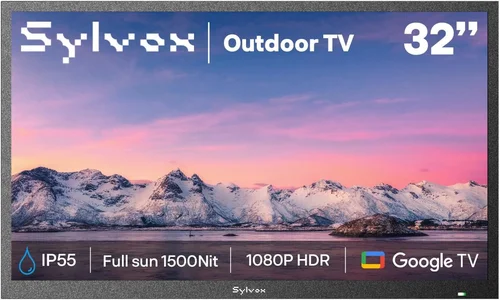
❌ Mistake: Buying a Standard Indoor TV for Outdoor Use
Why it’s bad: Indoor TVs are not designed to handle moisture, dust, or temperature extremes. Even a light rain can cause internal damage, and prolonged exposure to sunlight can degrade the screen and electronics. Additionally, indoor TVs lack the brightness needed for outdoor visibility.
What to do instead: Invest in a TV specifically designed for outdoor use. Look for models with weatherproof enclosures, high brightness, and proper ventilation. If budget is a concern, consider an indoor TV in a certified outdoor enclosure, but ensure the case is rated for your climate.
❌ Mistake: Ignoring the IP Rating
Why it’s bad: Without a proper IP rating, you have no guarantee that the TV can withstand the elements. A TV with a low or unspecified rating may fail prematurely, leaving you with a costly repair or replacement.
What to do instead: Always check the IP rating before purchasing. For full outdoor exposure, aim for IP65 or higher. For covered areas, IP55 may suffice, but verify the manufacturer’s recommendations.
❌ Mistake: Overlooking Brightness Requirements
Why it’s bad: A dim TV will be unwatchable on sunny days, defeating the purpose of having an outdoor screen. You’ll end up watching a washed-out image or avoiding the TV altogether.
What to do instead: Choose a TV with at least 700 nits of brightness. For direct sunlight, 1,000 nits or more is ideal. Check reviews and specifications to confirm real-world performance.
❌ Mistake: Poor Mounting or Placement
Why it’s bad: Incorrect mounting can lead to water ingress, overheating, or even the TV falling. Placing the TV in direct sunlight without shade can also reduce lifespan and visibility.
What to do instead: Use a weatherproof mount rated for your TV’s weight and size. Position the TV in a shaded or covered area, and ensure proper ventilation. Consider using a tilt or swivel mount for optimal viewing angles.
❌ Mistake: Neglecting Audio Quality
Why it’s bad: Poor sound can ruin an otherwise great viewing experience. Built-in speakers on outdoor TVs are often weak, and outdoor environments can drown out audio.
What to do instead: Plan for external audio from the start. Invest in weather-resistant speakers or a soundbar. Test the setup in different conditions to ensure clarity and volume.
❌ Mistake: Skipping the Warranty Check
Why it’s bad: Outdoor TVs are expensive, and repairs can be costly. Without a solid warranty, you’re taking on significant risk.
What to do instead: Choose a brand with a strong warranty (at least 2 years) and read the fine print. Ensure the warranty covers outdoor use and includes parts and labor.
❌ Mistake: Buying Based on Price Alone
Why it’s bad: The cheapest option may lack essential features like brightness, weather resistance, or smart capabilities. You could end up replacing it sooner than expected.
What to do instead: Balance cost with features and durability. Consider the total cost of ownership, including installation, accessories, and potential repairs.
Budget Guidelines: How Much Should You Spend?
When it comes to outdoor TVs, price varies widely based on features, size, and brand. Here’s a breakdown to help you set a realistic budget:
Entry-Level ($800–$1,500): These are typically partial-shade models or indoor TVs in outdoor enclosures. They offer basic weather resistance and moderate brightness (500–700 nits). Ideal for covered patios or mild climates. Expect limited smart features and shorter warranties.
Mid-Range ($1,500–$3,000): This is the sweet spot for most homeowners. These TVs offer full weather resistance (IP65), high brightness (1,000+ nits), and robust smart platforms. You’ll find models from reputable brands with good warranties and solid audio options. Perfect for most outdoor kitchens.
Premium ($3,000–$5,000): For enthusiasts and those who want the best, premium models deliver top-tier picture quality, extreme durability, and advanced features like local dimming, HDR support, and integrated cooling. These are often used in high-end homes or commercial settings.
Luxury ($5,000+): These are commercial-grade or custom-built displays designed for 24/7 operation in harsh environments. They feature ultra-high brightness (2,000+ nits), redundant cooling systems, and extended warranties. Best for large venues or extreme climates.
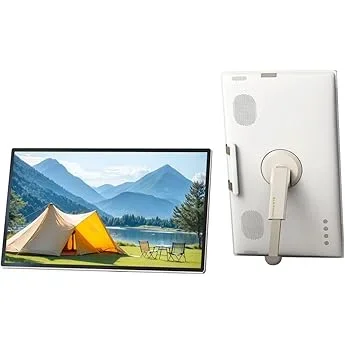
Expert Tips for Getting the Best Deal
1. Shop During Seasonal Sales: Outdoor TVs often go on sale during spring and early summer, as retailers prepare for the outdoor living season. Black Friday and holiday sales can also offer significant discounts.
2. Compare Online and In-Store: Online retailers like Amazon, Best Buy, and specialty outdoor electronics stores often have better prices and wider selections. However, in-store visits let you see the TV in person and ask questions.
3. Look for Bundles: Some retailers offer packages that include the TV, mount, and cables at a discounted rate. These can save you money and simplify installation.
4. Check Return Policies: Ensure the retailer offers a generous return window (at least 30 days) in case the TV doesn’t meet your expectations.
5. Read User Reviews: Look for reviews from people who’ve used the TV in similar conditions. Pay attention to comments about brightness, durability, and customer service.
6. Consider Refurbished Models: Certified refurbished outdoor TVs from reputable brands can offer significant savings with full warranties.
7. Negotiate with Installers: If you’re hiring a professional, ask if they offer package deals or discounts on multiple services.
8. Future-Proof Your Purchase: Choose a TV with 4K resolution, HDMI 2.1, and smart features to ensure it stays relevant for years.

Frequently Asked Questions
Q: Can I use a regular TV outdoors if I cover it?
A: While you can use a regular TV in a covered area, it’s not recommended for long-term outdoor use. Even with a cover, moisture, dust, and temperature changes can damage internal components. For reliable performance, choose a TV designed for outdoor conditions.
Q: How long do outdoor TVs last?
A: With proper care, most outdoor TVs last 5–10 years. Factors like climate, usage, and maintenance play a big role. Regular cleaning and avoiding extreme conditions can extend lifespan.
Q: Do outdoor TVs need special power outlets?
A: Most outdoor TVs use standard 120V outlets, but it’s important to use a GFCI (Ground Fault Circuit Interrupter) outlet for safety. This protects against electrical shock in wet conditions.
Q: Can I leave my outdoor TV on all the time?
A: While some commercial models are designed for 24/7 operation, most consumer outdoor TVs are not. Continuous use can lead to overheating and reduced lifespan. Use a timer or smart plug to control usage.
Q: Are outdoor TVs worth the extra cost?
A: If you spend a lot of time outdoors and value entertainment, yes. The durability, brightness, and weather resistance justify the higher price for most users.
Q: Can I mount an outdoor TV on a brick wall?
A: Yes, but you’ll need masonry anchors and a sturdy mount. Consult a professional if you’re unsure about the wall’s structural integrity.
Q: Do outdoor TVs come with remotes?
A: Yes, most include weather-resistant remotes. Some also support smartphone apps or voice control via Alexa or Google Assistant.
Q: What’s the difference between an outdoor TV and a weatherproof TV?
A: “Outdoor TV” is a general term, while “weatherproof TV” usually refers to models with certified IP ratings and sealed enclosures. Always check specifications to confirm weather resistance.
Q: Can I use an outdoor TV in winter?
A: Yes, as long as the TV is rated for low temperatures. Most outdoor models operate between -22°F and 122°F. Avoid turning it on immediately after extreme cold—let it warm up gradually.
Q: Do I need a separate antenna for outdoor TV?
A: If you’re using over-the-air broadcasts, a weather-resistant outdoor antenna is recommended. Indoor antennas often don’t provide strong enough signals for outdoor use.
Our Final Recommendations
Best for Budget-Conscious Buyers: SunBriteTV Veranda Series – Offers excellent value with full weather resistance, 700+ nits brightness, and a user-friendly interface. Ideal for covered patios.
Best Overall Value: Samsung The Terrace – Combines QLED technology, 2,000 nits brightness, and a sleek design. Perfect for most outdoor kitchens with direct sun exposure.
Best Premium Option: LG OLED Flex (with outdoor enclosure) – While not natively outdoor, this innovative TV can be used with a certified weatherproof case for stunning picture quality in controlled environments.
Best for Beginners: Seura Shadow Series – Easy to install, reliable performance, and strong customer support. Great for first-time outdoor TV buyers.
Best for Advanced Users: Peerless-AV Xtreme – Commercial-grade durability, extreme brightness, and customizable mounting. Ideal for large outdoor spaces or professional installations.
Conclusion: Making the Right Choice
Choosing the right outdoor TV for your outdoor kitchen is a significant investment, but one that can transform your backyard into a true entertainment destination. By focusing on key factors like weather resistance, brightness, display technology, and smart features, you can find a model that delivers both performance and durability.
Remember, the best TV for you depends on your specific needs, budget, and environment. Don’t rush the decision—take time to compare options, read reviews, and consult with experts if needed. And always prioritize safety and proper installation to get the most out of your purchase.
Whether you’re watching the sunset with a movie or cheering on your team during a backyard game night, the right outdoor TV will make every moment more memorable. So go ahead—upgrade your outdoor kitchen, and enjoy the great outdoors in style.

