
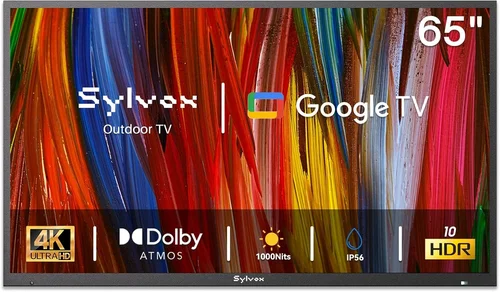
Outdoor living spaces have evolved dramatically over the past decade. What was once a simple deck or patio with a few chairs has transformed into fully equipped entertainment zones—complete with grills, fire pits, sound systems, and yes, outdoor TVs. As more homeowners invest in creating year-round outdoor retreats, the demand for durable, high-performance televisions designed specifically for open-air environments has surged. Whether you’re hosting summer barbecues, watching the big game under the stars, or enjoying a quiet evening with a movie in your backyard oasis, an outdoor TV can elevate your deck entertainment experience to new heights.
But choosing the right outdoor TV isn’t as simple as picking up any old flat-screen from the electronics store. Standard indoor TVs aren’t built to withstand the elements—sunlight glare, temperature swings, humidity, rain, and even dust can quickly degrade their performance or cause permanent damage. That’s where purpose-built outdoor TVs come in. These specialized displays are engineered with weather-resistant casings, anti-glare screens, enhanced brightness, and robust internal components that ensure reliable operation in challenging conditions. With so many options on the market in 2026—from budget-friendly models to premium 8K behemoths—it’s easy to feel overwhelmed. This comprehensive buyer’s guide is here to cut through the noise, helping you make an informed decision based on your specific needs, environment, and entertainment goals.
In this guide, you’ll learn everything you need to know about selecting the perfect outdoor TV for your deck. We’ll break down the most critical factors to consider—from build quality and display performance to smart features and warranty coverage. You’ll discover the different types of outdoor TVs available, understand common pitfalls to avoid, and get expert-backed tips for maximizing value and longevity. Whether you’re a first-time buyer or upgrading from an older model, this guide will equip you with the knowledge to choose a TV that delivers stunning visuals, stands up to the elements, and enhances your outdoor lifestyle for years to come. Let’s dive in.

What to Look for When Buying Buying Guide
1. Weather Resistance & IP Rating
When it comes to outdoor TVs, weather resistance isn’t just a nice-to-have—it’s essential. Unlike indoor models, outdoor televisions must endure exposure to rain, snow, humidity, dust, and extreme temperatures. The first thing to check is the TV’s Ingress Protection (IP) rating, which indicates how well the unit is sealed against environmental hazards. Look for a minimum IP55 rating, which means the TV is protected against low-pressure water jets and limited dust ingress. For decks in areas with heavy rainfall or coastal climates, aim for IP65 or higher, offering full dust protection and resistance to water projected from any direction.
Beyond the IP rating, examine the materials used in the TV’s construction. High-quality outdoor TVs feature powder-coated aluminum or stainless-steel housings that resist rust and corrosion. Internal components are often potted or sealed to prevent moisture damage, and vents may include hydrophobic filters to allow airflow while blocking water. Some premium models even include built-in heaters or cooling systems to maintain optimal operating temperatures in extreme cold or heat. Always verify that the TV is rated for your specific climate zone—manufacturers typically specify operating temperature ranges (e.g., -22°F to 122°F). Skimping on weather resistance might save money upfront, but it could lead to costly repairs or premature failure down the line.
2. Display Brightness & Anti-Glare Technology
One of the biggest challenges with outdoor viewing is screen glare from sunlight. Even on partly cloudy days, ambient light can wash out colors and reduce visibility, making it difficult to enjoy your favorite shows or sports. That’s why outdoor TVs must deliver significantly higher brightness than their indoor counterparts. While most indoor TVs range from 250 to 500 nits, outdoor models typically start at 700 nits and can exceed 2,000 nits for full sun exposure. Look for TVs with at least 1,000 nits if your deck gets direct sunlight for several hours a day.
Equally important is anti-glare technology. Many outdoor TVs use optically bonded glass or special matte coatings that diffuse reflected light without sacrificing image clarity. Some high-end models incorporate quantum dot or OLED panels with enhanced luminance and wide color gamuts, ensuring vibrant, true-to-life visuals even in bright conditions. Additionally, consider the viewing angle—wide-angle panels (178 degrees or more) allow multiple people to enjoy the screen comfortably from different positions around the deck. Don’t forget to test the TV during daylight hours if possible; a spec sheet can only tell you so much. Real-world performance under actual lighting conditions is the ultimate test.
3. Build Quality & Durability
An outdoor TV isn’t just exposed to weather—it’s also subject to physical wear and tear from wind, vibrations, and accidental bumps. That’s why build quality matters more than ever. Start by inspecting the chassis: is it made of thick, reinforced metal, or thin plastic that might warp or crack? Check the mounting hardware—does it include sturdy VESA-compatible brackets designed for outdoor use? Many manufacturers offer optional wall or ceiling mounts specifically engineered to handle outdoor stresses.
Internal durability is just as crucial. Look for TVs with solid-state components, reinforced circuit boards, and sealed connectors that resist corrosion. Some brands go the extra mile by using marine-grade materials or undergoing rigorous testing in simulated outdoor environments (e.g., salt spray, thermal cycling, UV exposure). Pay attention to details like cable management systems—exposed wires are vulnerable to moisture and pests. A well-designed outdoor TV should feel solid and substantial, not flimsy or lightweight. Remember, you’re investing in a long-term addition to your deck, so prioritize longevity over flashy aesthetics.
4. Smart Features & Connectivity
Today’s outdoor TVs aren’t just passive displays—they’re full-fledged smart entertainment hubs. Most models run popular operating systems like Android TV, webOS, or Roku, giving you access to streaming apps such as Netflix, YouTube, Disney+, and Hulu directly from the screen. This eliminates the need for external streaming devices and keeps your setup clean and clutter-free. When evaluating smart capabilities, check for regular software updates, voice control compatibility (Google Assistant or Alexa), and app availability in your region.
Connectivity is another key consideration. Ensure the TV has enough HDMI ports (at least three, preferably with HDMI 2.1 for 4K/120Hz content), USB inputs for media playback, and Wi-Fi 6 or Ethernet for stable internet access. Some models include Bluetooth for wireless audio streaming to outdoor speakers or headphones. If you plan to connect gaming consoles, soundbars, or cable boxes, verify that the ports are easily accessible and well-labeled. Also, consider future-proofing: will the TV support emerging standards like HDR10+, Dolby Vision, or next-gen gaming features? A smart outdoor TV should integrate seamlessly into your existing ecosystem while offering room to grow.
5. Size & Viewing Distance
Choosing the right screen size depends on both your deck’s dimensions and typical viewing distance. As a general rule, multiply your seating distance (in inches) by 0.84 to get the ideal diagonal screen size in inches. For example, if viewers sit 10 feet (120 inches) away, a 100-inch TV would be optimal. However, outdoor environments often require larger screens due to ambient light and the desire for immersive experiences. A 65-inch TV might feel small on a spacious deck, while a 75-inch or 85-inch model can create a true cinematic atmosphere.
Keep in mind that larger screens consume more power and may require stronger mounting solutions. Also, consider the TV’s bezel width—slim bezels provide a more modern look and maximize screen real estate. If space is limited, look for ultra-thin models or those with flexible mounting options (e.g., tilt, swivel, or full-motion arms). Don’t forget to account for ventilation clearance; most outdoor TVs need several inches of space around the unit for airflow. Measure your installation area carefully and consult the manufacturer’s guidelines before purchasing.
6. Audio Performance
While many homeowners pair outdoor TVs with external sound systems, built-in audio quality shouldn’t be overlooked—especially for casual viewing or when external speakers aren’t practical. Standard TV speakers often struggle outdoors due to open spaces and ambient noise (wind, traffic, birds). Look for models with front-firing or upward-firing drivers, which project sound toward the audience rather than downward into the deck. Some outdoor TVs include dedicated subwoofers or support for wireless rear speakers to enhance bass response.
Audio codecs matter too. Support for Dolby Atmos or DTS:X can deliver immersive, three-dimensional sound even without a full surround setup. Check the wattage output—higher wattage generally means louder, clearer audio, though efficiency and speaker design play big roles. If you plan to use the TV’s internal speakers regularly, listen to a demo if possible. Many retailers allow in-store testing, or you can watch video reviews that include audio samples. For serious audiophiles, consider TVs with optical or HDMI ARC outputs to easily connect to a high-end outdoor audio system.
7. Brand Reputation & Ecosystem Integration
Not all outdoor TV brands are created equal. Established names like Samsung, LG, Sony, and SunBriteTV have proven track records in both consumer electronics and outdoor-specific engineering. These companies invest heavily in R&D, quality control, and customer support, which translates to more reliable products and better long-term satisfaction. Research brand reputation by reading professional reviews, checking consumer forums, and looking at warranty claims data.
Ecosystem integration is another advantage of choosing a major brand. If you already own smart home devices (lights, thermostats, security cameras) from the same manufacturer, your outdoor TV can become a central control hub. For instance, Samsung’s SmartThings platform lets you manage all connected devices from the TV interface, while LG’s ThinQ AI offers personalized recommendations based on your viewing habits. Additionally, reputable brands often provide better compatibility with third-party accessories and longer software support cycles. Avoid unknown or generic brands that may disappear from the market, leaving you without parts or service.
8. Warranty & Support
Outdoor TVs represent a significant investment, so robust warranty coverage is non-negotiable. Most reputable manufacturers offer at least a 2-year limited warranty, with some extending to 3 or even 5 years for premium models. Pay close attention to what’s covered: does the warranty include labor, parts, and on-site service? Are accidental damages or weather-related failures included? Some brands offer extended protection plans for an additional fee, which may be worthwhile if you live in a harsh climate.
Customer support quality varies widely. Look for companies with dedicated outdoor product support lines, online troubleshooting tools, and local service centers. Check response times for technical inquiries and read user reviews about post-purchase experiences. A strong warranty backed by responsive support can save you time, money, and frustration if issues arise. Also, verify that the TV comes with a user manual, installation guide, and access to firmware updates—these resources are essential for maintaining optimal performance over time.
Different Types of Buying Guide

Common Buying Mistakes to Avoid
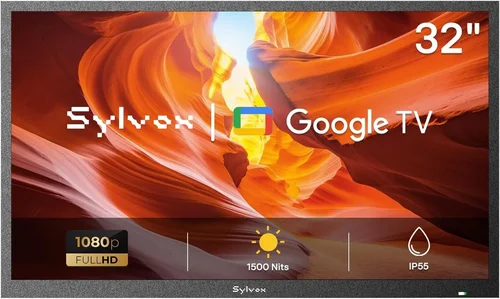
❌ Mistake: Buying an Indoor TV for Outdoor Use
Why it’s bad: Indoor TVs lack weatherproofing, have lower brightness, and aren’t designed for temperature extremes. Exposure to moisture or direct sunlight can cause immediate damage, void warranties, and create safety hazards.
What to do instead: Always choose a TV specifically rated for outdoor use. Look for certifications like IP55 or higher and verify the manufacturer’s outdoor suitability claims.
❌ Mistake: Ignoring Sunlight Conditions
Why it’s bad: A TV with insufficient brightness will appear dim and washed out in daylight, ruining the viewing experience even on a covered deck.
What to do instead: Assess your deck’s sun exposure throughout the day. For full sun, select a TV with at least 1,500–2,000 nits and anti-reflective coating.
❌ Mistake: Overlooking Mounting Requirements
Why it’s bad: Improper mounting can lead to instability, vibration damage, or even the TV falling, posing serious safety risks.
What to do instead: Use manufacturer-recommended outdoor mounts rated for your TV’s weight and wind load. Consider professional installation for large or complex setups.
❌ Mistake: Skimping on Audio
Why it’s bad: Weak built-in speakers struggle outdoors, forcing you to rely on external systems that add cost and complexity.
What to do instead: Choose a TV with strong audio specs or plan for a compatible soundbar/speaker system from day one.
❌ Mistake: Not Checking Warranty Details
Why it’s bad: Many warranties exclude outdoor use or have limited coverage for environmental damage, leaving you unprotected.
What to do instead: Read the fine print carefully. Ensure the warranty explicitly covers outdoor installation and weather-related issues.
❌ Mistake: Forgetting About Cable Management
Why it’s bad: Exposed cables are prone to water damage, UV degradation, and animal chewing, leading to signal loss or electrical faults.
What to do instead: Use weatherproof conduit, cable raceways, or in-wall wiring solutions designed for outdoor use.
❌ Mistake: Choosing Based Solely on Price
Why it’s bad: The cheapest option often sacrifices critical features like brightness, durability, or smart functionality, resulting in poor long-term value.
What to do instead: Balance budget with essential needs. Invest in quality where it matters most—weather resistance and display performance.
Budget Guidelines: How Much Should You Spend?
Entry-Level ($600–$1,200): These partial-shade or convertible models are ideal for covered decks with minimal direct sun exposure. Expect brightness around 700–1,000 nits, basic smart features, and limited weather sealing (IP54). Great for casual viewers on a tight budget, but may struggle in bright or wet conditions.
Mid-Range ($1,200–$2,500): This is the sweet spot for most homeowners. You’ll find fully weatherized TVs (IP55+) with 1,000–1,500 nits brightness, robust smart platforms, and solid build quality. Models in this range often include advanced anti-glare tech, multiple HDMI ports, and reliable audio—perfect for year-round deck entertainment.
Premium ($2,500–$4,500): Designed for enthusiasts and those with expansive, sun-drenched decks. These TVs boast 1,500–2,500+ nits, OLED or QLED panels, Dolby Vision support, and premium materials like marine-grade aluminum. Expect top-tier smart features, superior audio, and comprehensive warranties.
Luxury ($4,500+): Reserved for commercial applications or ultra-high-end residential setups. These include 8K resolution, 24/7 operation capability, custom calibration, and enterprise-grade security. Often used in luxury resorts, rooftop bars, or smart homes with integrated automation systems.
Expert Tips for Getting the Best Deal
- Shop during seasonal sales: Look for discounts during Black Friday, Memorial Day, or end-of-summer clearance events. Many retailers offer bundle deals with mounts or soundbars.
- Buy directly from manufacturers: Brands like SunBriteTV or Samsung often run exclusive promotions, extended warranties, or free shipping that you won’t find elsewhere.
- Compare certified refurbished units: Reputable sellers offer certified pre-owned outdoor TVs with full warranties at 20–40% off retail. These are thoroughly tested and often indistinguishable from new.
- Negotiate with local installers: Some AV specialists offer package pricing when you purchase the TV through them—ask about bundled rates for equipment and labor.
- Check return policies: Ensure you have at least 30 days to test the TV in real outdoor conditions. If it doesn’t perform as expected, you should be able to return it hassle-free.
- Verify compatibility early: Before buying, confirm that your deck structure can support the TV’s weight and that you have access to power and internet connections.
- Join loyalty programs: Retailers like Best Buy or Costco offer member-exclusive discounts, early access to sales, and enhanced return windows.
- Read real user reviews: Professional reviews are helpful, but owner feedback on sites like Amazon or Reddit reveals long-term reliability and hidden quirks.

Frequently Asked Questions
Q: Can I use a regular TV under a covered patio?
A: It depends on the coverage. If the area is fully enclosed with walls and a roof (like a sunroom), an indoor TV may work. But for open-sided patios or pergolas with partial exposure, always use an outdoor-rated model to avoid moisture and UV damage.
Q: Do outdoor TVs consume more power?
A: Yes, due to higher brightness and additional cooling/heating systems. However, many modern models use energy-efficient LED backlighting and smart power management to minimize consumption. Look for ENERGY STAR certification if efficiency is a priority.
Q: How do I protect my outdoor TV during winter?
A: Most all-weather TVs are designed for year-round use, but if you live in an area with heavy snow or sub-zero temperatures, consider a weatherproof cover when not in use. Avoid covering the TV while it’s running to prevent overheating.
Q: Can I mount an outdoor TV on a wooden deck railing?
A: Only if the railing is structurally sound and rated for the TV’s weight. Most manufacturers recommend wall or ceiling mounts anchored to solid framing. Consult a structural engineer if unsure.
Q: Are outdoor TVs compatible with streaming devices?
A: Absolutely. Most include built-in Wi-Fi and streaming apps, but you can also connect Fire Stick, Roku, or Apple TV via HDMI for additional flexibility.
Q: What’s the lifespan of an outdoor TV?
A: With proper care, a quality outdoor TV can last 7–10 years or more. Factors like climate, usage frequency, and maintenance play significant roles.
Q: Do I need a special antenna for over-the-air broadcasts?
A: Standard outdoor antennas work fine, but ensure they’re compatible with your TV’s tuner. Some outdoor TVs include built-in ATSC 3.0 tuners for next-gen broadcast signals.
Q: Can outdoor TVs be used in saltwater environments?
A: Yes, but only if specifically rated for marine or coastal use. Look for corrosion-resistant coatings and stainless-steel hardware to prevent salt damage.
Q: Is professional installation worth it?
A: Highly recommended for large screens, complex mounts, or hardwired setups. Professionals ensure safe, code-compliant installation and often provide warranties on their work.
Q: Do outdoor TVs come with remotes that work in sunlight?
A: Most include standard IR remotes, which can struggle in bright light. Consider upgrading to a Bluetooth remote or using a smartphone app for better reliability.
Our Final Recommendations
Best for Budget-Conscious Buyers: SunBriteTV Veranda Series (55″) – Offers excellent value with IP55 rating, 1,000 nits brightness, and reliable smart features under $1,500.
Best Overall Value: Samsung The Terrace (65″) – Combines QLED color, 1,500 nits brightness, robust weatherproofing, and seamless SmartThings integration at a mid-range price.
Best Premium Option: LG Outdoor OLED (77″) – Delivers stunning contrast, perfect blacks, and 2,000+ nits brightness in a sleek, fully sealed design for discerning viewers.
Best for Beginners: Seura Shade Series (50″) – User-friendly setup, intuitive interface, and solid performance in partial shade—ideal for first-time outdoor TV owners.
Best for Advanced Users: Peerless-AV Xtreme (86″) – Commercial-grade durability, 8K support, and customizable mounting options for tech-savvy enthusiasts building a high-end outdoor theater.
Conclusion: Making the Right Choice
Choosing the right outdoor TV for your deck is about more than just screen size or price—it’s about matching technology to your lifestyle, environment, and entertainment goals. From weather resistance and brightness to smart features and audio quality, every detail matters when you’re investing in a device meant to thrive in the great outdoors. By prioritizing durability, performance, and long-term support, you’ll ensure your outdoor TV becomes a centerpiece of memorable gatherings, relaxing evenings, and unforgettable moments under the open sky.
Remember, the best TV isn’t necessarily the most expensive or feature-packed—it’s the one that fits your unique needs and delivers consistent enjoyment year after year. Take the time to assess your deck’s conditions, define your must-have features, and compare options using the criteria outlined in this guide. And don’t hesitate to reach out to manufacturers or certified installers with questions—they’re there to help you succeed.
Your outdoor space deserves the same attention to detail as your indoor living areas. With the right TV, your deck can transform from a simple extension of your home into a true entertainment destination. So go ahead—make the investment, set it up with care, and get ready to enjoy the magic of outdoor viewing like never before. The perfect movie night, game day, or sunset concert is just a click away.

