
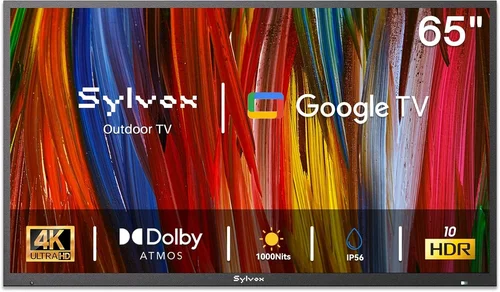
Outdoor living has evolved dramatically over the past decade. What once meant simple patio furniture and a string of solar lights now includes full-scale entertainment systems—complete with weatherproof TVs designed to withstand the elements year-round. Whether you’re hosting summer barbecues, cozying up by the fire pit in winter, or simply enjoying your morning coffee on the deck, an outdoor TV can transform your space into a true extension of your home. But not all outdoor TVs are created equal—especially when it comes to performing reliably in cold weather.
This comprehensive buying guide is designed for homeowners, contractors, and outdoor living enthusiasts who want to make a smart, informed investment in an outdoor television that will last through snow, ice, and sub-zero temperatures. You’ll learn how to evaluate critical performance specs, understand the differences between indoor, partial outdoor, and fully weatherized models, and avoid costly mistakes that could leave you with a frozen screen or a hefty repair bill. With climate extremes becoming more common and outdoor spaces serving as year-round retreats, choosing the right TV isn’t just about picture quality—it’s about durability, reliability, and long-term value.
The market for outdoor TVs has expanded significantly, with brands like Samsung, LG, Sony, and specialized manufacturers such as SunBriteTV, Seura, and Peerless-AV leading the charge. These companies now offer models specifically engineered for cold-weather performance, featuring heated internal components, anti-condensation technology, and ruggedized enclosures. However, navigating this landscape can be overwhelming. Prices range from under $1,000 to well over $5,000, and features vary widely. This guide cuts through the noise, giving you the tools to compare options based on your climate, budget, and usage needs—so you can enjoy crystal-clear viewing outdoors, no matter the season.

What to Look for When Buying Buying Guide
1. Cold-Weather Operating Range
The most critical factor when selecting an outdoor TV for cold climates is its official operating temperature range. Unlike indoor TVs—which typically function only between 50°F and 95°F—true outdoor models are built to operate in extreme conditions. Look for TVs rated for temperatures as low as -22°F (-30°C) or lower. This ensures the internal electronics, including the display panel and power supply, remain functional even during deep winter freezes.
Manufacturers achieve this through internal heating elements that gently warm the TV’s core components when ambient temperatures drop. These heaters activate automatically and consume minimal power, often adding just 10–20 watts to the TV’s total draw. Without this feature, LCD panels can become sluggish or unresponsive in cold weather, and condensation may form when the TV is powered on after being exposed to freezing air. Always verify the stated operating range in the product specifications—not just the storage range, which is less relevant for active use.
2. Display Technology & Brightness
Outdoor visibility hinges on two key display attributes: brightness and anti-glare coating. Standard indoor TVs max out around 300–400 nits, which is insufficient under direct sunlight or even on overcast winter days. For outdoor use, especially in snowy environments where reflected light is intense, you need a minimum of 700 nits—but ideally 1,000 nits or higher. Many premium outdoor TVs now feature 1,500+ nits brightness, ensuring vivid colors and sharp contrast even at noon.
Additionally, look for direct-lit or full-array LED backlighting with local dimming, which enhances black levels and reduces blooming—a common issue in bright outdoor settings. Anti-reflective coatings are equally important; they minimize glare from snow, water, or nearby windows. Some models also include optically bonded glass, which eliminates the air gap between the screen and outer glass layer, reducing internal reflections and improving clarity in all lighting conditions.
3. Weatherproof Enclosure & IP Rating
An outdoor TV must be fully sealed against moisture, dust, and temperature swings. The gold standard is an IP55 or higher rating, meaning the unit is protected against low-pressure water jets and limited dust ingress. However, for true all-weather resilience—especially in regions with heavy snow, ice, or freezing rain—look for TVs with robust aluminum or powder-coated steel housings and silicone-gasketed seams.
Pay close attention to ventilation design. Unlike indoor TVs, outdoor models shouldn’t rely on passive airflow, which can trap moisture. Instead, they use sealed convection channels or active thermal management systems that prevent condensation buildup. Also, ensure all ports (HDMI, USB, power) are covered by weatherproof flaps or located in a recessed, shielded compartment. A poorly sealed connection point is a common failure point in cold, wet climates.
4. Heating System & Thermal Management
Internal heating is non-negotiable for cold-weather operation. High-quality outdoor TVs integrate thermostatically controlled heaters that maintain optimal internal temperatures without overheating. These systems typically activate when the ambient temperature drops below 40°F (4°C) and shut off once the TV reaches a safe operating threshold. Advanced models include dual-zone heating—separate circuits for the display panel and mainboard—to ensure even thermal distribution.
Thermal management also involves efficient heat dissipation during warmer months. Look for TVs with passive cooling fins or quiet, low-RPM fans that won’t disrupt your outdoor ambiance. Avoid models that rely solely on passive cooling in summer, as prolonged exposure to high heat can degrade components over time. The best systems balance heating and cooling intelligently, adapting to seasonal changes automatically.
5. Audio Performance & Speaker Design
Outdoor acoustics are challenging—sound dissipates quickly in open spaces, and wind or ambient noise can drown out dialogue. Most outdoor TVs include built-in speakers, but their quality varies significantly. Premium models feature weather-resistant, upward-firing or front-firing speakers with dedicated amplifiers (often 20W or higher) and enhanced bass response. Some even support Dolby Audio or DTS:X for immersive sound.
However, many users opt for external outdoor speakers or soundbars to achieve theater-quality audio. If you plan to do this, ensure the TV has audio output options (optical, RCA, or Bluetooth) and consider models with audio passthrough capabilities. Also, check speaker placement—rear-facing speakers may be muffled by wall mounts, while front-firing designs deliver clearer sound in open areas.
6. Smart Features & Connectivity
Modern outdoor TVs come equipped with smart platforms like Android TV, webOS, or Roku, allowing access to streaming services without external devices. This is especially useful in cold weather when you don’t want to fumble with remotes or cables. Look for Wi-Fi 6 support for faster, more reliable streaming, and ensure the TV has multiple HDMI 2.1 ports for gaming consoles, soundbars, or streaming sticks.
Voice control via Google Assistant or Amazon Alexa is increasingly common and adds convenience. However, verify that the microphone and voice recognition work reliably in windy or noisy outdoor environments. Some models include physical mute buttons for privacy. Also, consider future-proofing: USB-C ports, eARC support, and compatibility with Matter or Thread smart home protocols can extend the TV’s lifespan.
7. Mounting & Installation Flexibility
Proper mounting is essential for both performance and safety. Outdoor TVs require heavy-duty, corrosion-resistant mounts rated for wind loads and thermal expansion. Look for full-motion articulating arms if you want to adjust viewing angles seasonally, or fixed tilt mounts for permanent installations. Ensure the mount is compatible with the TV’s VESA pattern and weight capacity.
Installation location matters too. Avoid placing the TV directly under eaves where ice dams may form, or in areas prone to snowdrifts. Ideally, mount it under a covered patio, pergola, or awning that provides overhead protection while allowing airflow. Professional installation is recommended for permanent setups, especially in regions with high winds or seismic activity.
8. Warranty & Customer Support
Outdoor TVs are a significant investment, so robust warranty coverage is crucial. Leading brands offer 2–3 years of comprehensive warranty that includes parts, labor, and on-site service. Some even provide extended plans covering accidental damage or power surges. Avoid models with only a 1-year warranty or those that exclude cold-weather-related failures.
Customer support quality varies widely. Research brands with dedicated outdoor product support teams, not just general consumer service lines. Check online forums and review sites for reports of responsiveness, repair turnaround times, and availability of replacement parts. A strong warranty backed by reliable service can save you thousands in the long run.
Different Types of Buying Guide
Common Buying Mistakes to Avoid
❌ Mistake: Buying an Indoor TV for Outdoor Use
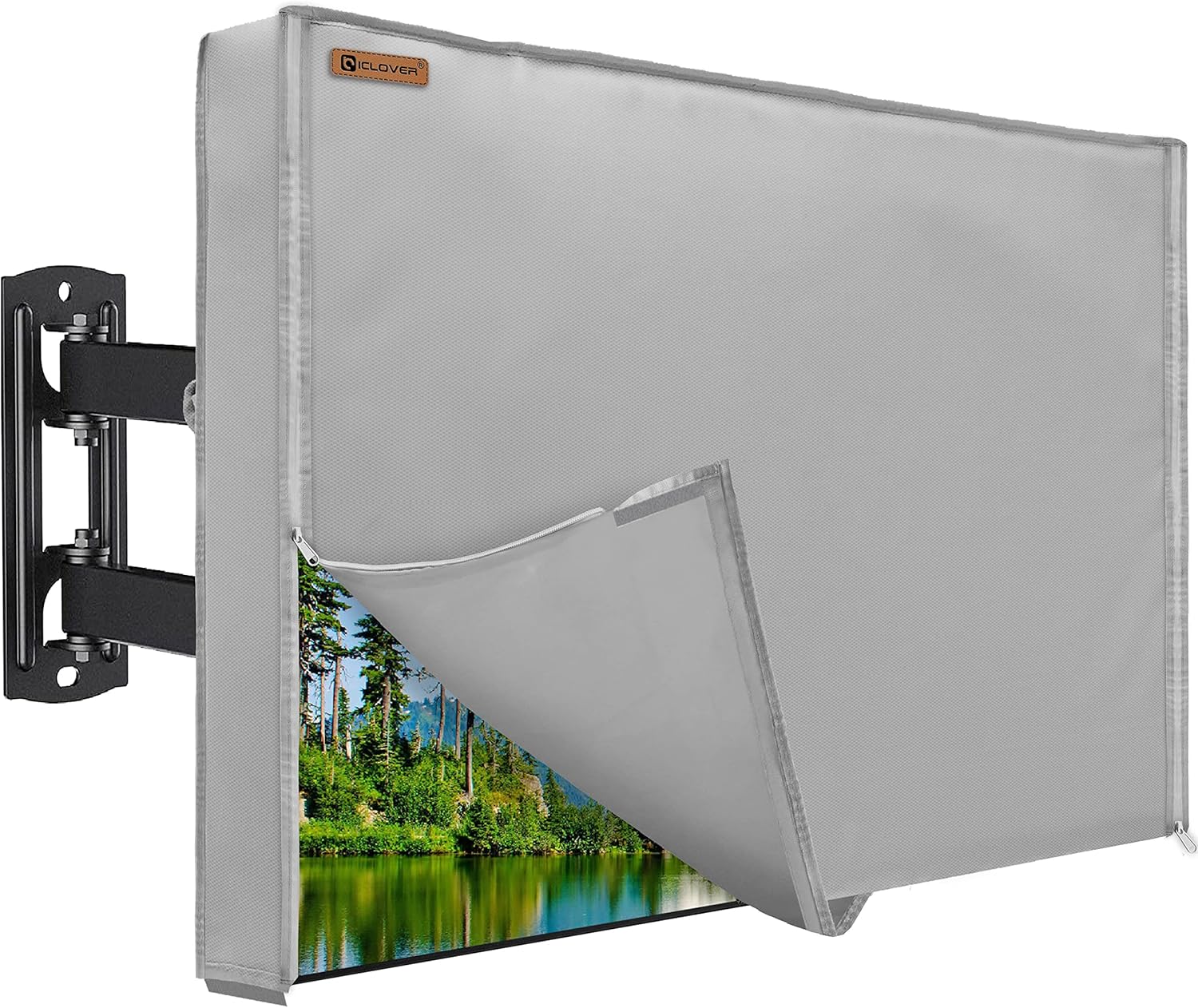
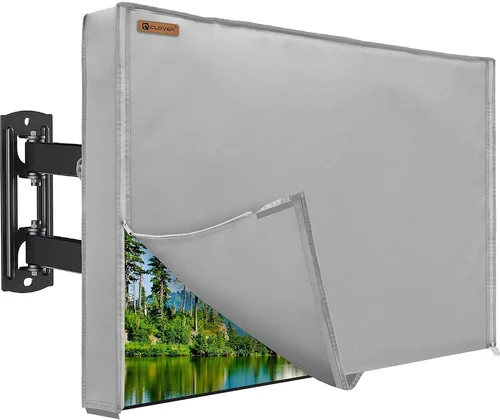
Why it’s bad: Indoor TVs lack weatherproofing, thermal management, and brightness needed for outdoor environments. In cold weather, their LCD panels can freeze, causing permanent damage or failure to power on. Moisture ingress can short-circuit internal components within weeks.
What to do instead: Invest in a purpose-built outdoor TV or use a certified weatherproof enclosure designed for your specific indoor model. Never assume “it’ll be fine under the eaves”—condensation and temperature swings will ruin it.
❌ Mistake: Ignoring the Operating Temperature Spec
Why it’s bad: Many buyers focus only on brightness or size and overlook the cold-weather rating. A TV rated only down to 32°F will fail in most northern climates during winter. You’ll end up with a non-functional screen when you need it most.
What to do instead: Always check the manufacturer’s official operating temperature range. If it’s not clearly stated or seems vague, contact customer support for clarification. Prioritize models rated for at least -10°F, ideally -22°F or lower.
❌ Mistake: Overlooking Audio Needs
Why it’s bad: Outdoor spaces lack acoustic reflection, so built-in TV speakers often sound tinny or quiet. Relying solely on the TV’s audio can ruin the viewing experience, especially during movies or sports.
What to do instead: Pair your outdoor TV with weather-resistant speakers or a soundbar. Look for models with optical audio out or Bluetooth 5.0 for wireless connectivity. Test audio setup during daylight to ensure clarity.
❌ Mistake: Choosing the Wrong Mount
Why it’s bad: Standard wall mounts aren’t designed for outdoor conditions. Corrosion, wind load, and thermal expansion can cause mounts to loosen or fail, risking damage to the TV and injury.
What to do instead: Use marine-grade or outdoor-specific mounts with stainless steel hardware. Ensure the mount is rated for your TV’s weight plus a 25% safety margin. Consider professional installation for permanent setups.
❌ Mistake: Neglecting Power Protection
Why it’s bad: Outdoor electrical systems are prone to surges from lightning, snowmelt, or grid fluctuations. Without protection, a single surge can fry the TV’s power supply or mainboard.
What to do instead: Install a whole-house surge protector and use a high-quality outdoor-rated power conditioner. Avoid daisy-chaining power strips, and ensure all outdoor outlets are GFCI-protected.
❌ Mistake: Skipping the Warranty Fine Print
Why it’s bad: Some warranties exclude “environmental damage” or “cold-weather operation,” leaving you with no recourse if the TV fails in winter. Others require professional installation to remain valid.
What to do instead: Read the warranty terms carefully before purchasing. Confirm that cold-weather use is covered and note any installation requirements. Register your product promptly and keep records.
❌ Mistake: Underestimating Installation Complexity
Why it’s bad: Outdoor TV installation involves electrical work, mounting, cable management, and weatherproofing. DIY attempts can lead to code violations, safety hazards, or voided warranties.
What to do instead: Hire a licensed electrician or AV installer experienced in outdoor setups. They’ll ensure proper grounding, conduit use, and compliance with local building codes.
Budget Guidelines: How Much Should You Spend?
Entry-Level ($800 – $1,500): This tier includes portable outdoor TVs or indoor models in basic weatherproof enclosures. Expect limited cold tolerance (down to 20°F), lower brightness (500–700 nits), and minimal smart features. Best for seasonal use in mild climates or temporary setups like RVs. Brands like Element and RCA offer budget options, but durability and longevity are concerns.
Mid-Range ($1,500 – $3,000): The sweet spot for most homeowners. These TVs are designed for covered outdoor spaces and moderate winters. Look for 700–1,000 nits brightness, partial weather sealing (IP54), and basic heating systems. Models from SunBriteTV’s Veranda series or Seura’s Shadow Series fall here. They offer reliable performance for 3–5 years with proper care.
Premium ($3,000 – $5,500): Built for year-round use in harsh climates. Features include full weatherproofing (IP55+), 1,000+ nits brightness, advanced thermal management, and robust smart platforms. Samsung’s The Terrace and LG’s Outdoor OLED are prime examples. These TVs often come with 3-year warranties and professional installation support.
Luxury ($5,500+): Top-tier models with commercial-grade durability, 1,500+ nits brightness, 24/7 operation capability, and custom finishes. Ideal for luxury homes, resorts, or extreme environments. Peerless-AV’s Xtreme series and SunBriteTV’s Pro models dominate this space. Expect concierge-level support and modular designs for easy servicing.
Expert Tips for Getting the Best Deal
- Buy in Spring or Early Summer: Most retailers offer discounts on outdoor electronics as the peak season begins. Look for Memorial Day, July 4th, or early-season promotions.
- Check Manufacturer Rebates: Brands like SunBriteTV and Seura often run rebate programs for bundled purchases (TV + mount + speakers).
- Compare Total Cost of Ownership: Factor in installation, mounts, surge protection, and potential repair costs. A cheaper TV may cost more long-term.
- Read Professional Reviews: Sites like CNET, RTINGS.com, and Outdoor Electronics Review provide hands-on testing in real-world conditions.
- Negotiate with Local Installers: Many AV integrators offer package deals when you purchase the TV through them.
- Consider Refurbished Models: Certified refurbished outdoor TVs from reputable sellers can save 20–30% with full warranty coverage.
- Verify Return Policies: Ensure the retailer allows returns if the TV doesn’t perform as expected in your climate.
- Join Outdoor Living Forums: Communities like Houzz, Reddit’s r/OutdoorLiving, and AVS Forum often share deals and user experiences.

Frequently Asked Questions
Q: Can I use a regular TV outside if it’s under a covered patio?
A: Technically yes, but it’s not recommended for cold or humid climates. Even under cover, temperature swings and moisture can damage internal components. If you must, use a high-quality outdoor enclosure and avoid operating it below 40°F.
Q: Do outdoor TVs consume more power due to heating?
A: Slightly. Internal heaters add 10–30 watts during cold starts, but modern systems are efficient and only activate when needed. Total power draw remains comparable to indoor TVs during normal operation.
Q: Will snow damage my outdoor TV?
A: Not if it’s properly installed. Most outdoor TVs are designed to shed snow, and the screen surface is durable enough to withstand light accumulation. Avoid placing them where heavy snowdrifts or ice dams may form.
Q: Can I leave my outdoor TV on during winter?
A: Yes, but only if it’s a true all-season model with continuous operation capability. Leaving it on maintains internal temperature and prevents condensation. However, use a timer or smart plug to reduce energy use when not viewing.
Q: Are outdoor TVs compatible with streaming devices?
A: Absolutely. Most include HDMI ports for Fire Stick, Apple TV, or Roku. Some even have built-in streaming platforms, eliminating the need for external devices.
Q: How do I clean my outdoor TV screen?
A: Use a microfiber cloth and mild glass cleaner. Avoid ammonia-based products or abrasive materials. Power off the TV and wait for it to reach room temperature before cleaning to prevent thermal shock.
Q: What’s the difference between IP55 and IP65?
A: IP55 protects against low-pressure water jets and dust. IP65 offers the same water protection but with complete dust resistance. For snowy areas, IP55 is usually sufficient.
Q: Can I mount an outdoor TV on a brick or stone wall?
A: Yes, but use masonry anchors and ensure the wall can support the weight. Consult a professional if the wall is old or unstable.
Q: Do outdoor TVs come with remotes that work in the cold?
A: Most include standard IR remotes, which work fine in cold weather. Some premium models offer Bluetooth remotes with longer range and better reliability in windy conditions.
Q: Will my outdoor TV work during a power outage?
A: Only if connected to a backup power source like a UPS or generator. The TV itself has no battery and requires continuous AC power.
Our Final Recommendations
Best for Budget-Conscious Buyers: SunBriteTV Veranda Series (55″) – At around $2,200, it offers excellent cold-weather performance down to -22°F, 1,000 nits brightness, and a 2-year warranty. Ideal for covered patios in moderate climates.
Best Overall Value: Samsung The Terrace (65″) – Priced at $3,500, it combines QLED color accuracy, 1,500 nits brightness, IP55 rating, and robust smart features. Its dual-zone heating system ensures reliability in snowy regions.
Best Premium Option: LG Outdoor OLED (77″) – At $5,200, it delivers stunning contrast, near-instant response times, and whisper-quiet operation. Perfect for luxury outdoor theaters with year-round use.
Best for Beginners: Seura Shadow Series (50″) – User-friendly setup, excellent customer support, and a sleek design that blends into outdoor decor. Great for first-time buyers.
Best for Advanced Users: Peerless-AV Xtreme (75″) – Commercial-grade build, 24/7 operation, and modular design for easy servicing. Ideal for tech-savvy users who demand maximum durability.
Conclusion: Making the Right Choice
Choosing the right outdoor TV for cold weather isn’t just about picking the brightest screen or the lowest price—it’s about matching your specific environment, usage habits, and long-term expectations. From understanding thermal management and weatherproofing to avoiding common installation pitfalls, every decision impacts your enjoyment and the TV’s lifespan. Remember: a well-chosen outdoor TV isn’t an expense—it’s an investment in your home’s lifestyle value.
Prioritize your needs. If you live in a region with harsh winters, don’t compromise on cold-weather specs. If you’re on a tight budget, consider a partial outdoor model for covered spaces. And always factor in professional installation and surge protection. With the insights from this guide, you’re equipped to navigate the market confidently and select a TV that will deliver stunning visuals season after season.
Now’s the time to upgrade your outdoor living space. Whether you’re watching the sunrise with coffee or hosting a winter movie night under the stars, the right outdoor TV will make every moment unforgettable. Start your search today—and enjoy the great outdoors, indoors.

