
Outdoor gatherings have evolved far beyond simple backyard barbecues and pool parties. In 2026, families are transforming their patios, decks, and gardens into full-fledged entertainment zones—complete with outdoor kitchens, fire pits, and yes, high-performance outdoor TVs. Whether you’re hosting a summer movie night under the stars, watching the big game with friends, or simply enjoying your favorite show while lounging by the pool, an outdoor TV can elevate your experience in ways indoor sets simply can’t match.
But here’s the catch: not all TVs are built for the great outdoors. Standard indoor televisions aren’t designed to withstand extreme temperatures, humidity, rain, or direct sunlight—all of which can quickly damage internal components or wash out the picture. That’s why investing in a purpose-built outdoor TV is essential if you want reliable performance, longevity, and a truly immersive viewing experience. This guide exists to cut through the noise and help you make a smart, informed decision. You’ll learn exactly what to look for, how to avoid costly mistakes, and which models deliver the best value for your specific needs.
The outdoor TV market has matured significantly over the past few years. What once consisted of bulky, expensive, and limited-option displays has blossomed into a competitive landscape featuring sleek designs, 4K HDR clarity, smart functionality, and even weatherproof soundbars. Brands like Samsung, LG, Sony, SunBriteTV, and Seura now offer dedicated outdoor models that blend durability with cutting-edge tech. Whether you’re on a tight budget or ready to splurge on a premium setup, there’s never been a better time to bring your entertainment outside—and this guide will ensure you do it right.

What to Look for When Buying Buying Guide
1. Weather Resistance & IP Rating
When it comes to outdoor electronics, weather resistance isn’t just a nice-to-have—it’s non-negotiable. Unlike indoor TVs, outdoor models must endure rain, snow, dust, humidity, and temperature swings ranging from sub-freezing winters to scorching summer heat. The first thing to check is the TV’s Ingress Protection (IP) rating, which indicates how well it’s sealed against environmental elements. For outdoor use, look for at least an IP55 rating (protects against dust and water jets), though IP65 or higher is ideal for full exposure.
Beyond the IP rating, consider the TV’s operating temperature range. Most quality outdoor TVs function reliably between -22°F and 122°F (-30°C to 50°C). Cheaper models may claim “outdoor use” but fail in extreme climates. Also, ensure the screen has an anti-reflective coating to combat glare from direct sunlight—a critical feature if your seating area gets afternoon sun.
2. Display Brightness & Anti-Glare Technology
Brightness is arguably the most important spec for outdoor viewing. Indoor TVs typically peak around 300–500 nits, but that’s nowhere near enough when sunlight hits the screen. Outdoor TVs need significantly higher brightness—ideally 700 nits or more—to maintain visibility during daylight hours. Many top-tier models now boast 1,000+ nits, rivaling commercial displays used in stadiums and airports.
Equally vital is anti-glare technology. Look for screens with optically bonded glass and matte finishes that diffuse reflections rather than amplifying them. Some manufacturers, like SunBriteTV, use proprietary “True Outdoor Brightness” tech that combines high luminance with advanced polarizing filters. Without these features, even the best content will look washed out or unwatchable in bright conditions.
3. Build Quality & Durability
An outdoor TV isn’t just exposed to weather—it’s also vulnerable to accidental bumps, UV degradation, and long-term wear. Premium models use powder-coated aluminum or stainless steel enclosures that resist rust, fading, and corrosion. Avoid plastic housings, which can become brittle over time and offer poor thermal management.
Internal components matter too. Quality outdoor TVs feature conformal-coated circuit boards (protected against moisture and condensation), sealed ventilation systems, and robust mounting hardware. Check whether the TV includes a built-in heater or cooling fan—these help regulate internal temperature and prevent fogging or overheating. A well-built unit should last 7–10 years with minimal maintenance, even in harsh environments.
4. Smart Features & Connectivity
Just because it’s outdoors doesn’t mean you should sacrifice smart functionality. Most modern outdoor TVs run full Android TV, webOS, or Roku platforms, giving you access to Netflix, YouTube, Disney+, and thousands of apps. Voice control via Google Assistant or Alexa is increasingly common, allowing hands-free operation while grilling or relaxing.
Connectivity is equally important. Ensure the TV has multiple HDMI ports (preferably HDMI 2.1 for future-proofing), USB inputs, Wi-Fi 6 support, and Bluetooth. Some models include weatherproof external media bays or hidden cable management systems to keep wires safe and tidy. If you plan to connect a soundbar, gaming console, or streaming stick, verify compatibility and port placement—some outdoor TVs place ports behind sealed panels for protection.
5. Size & Viewing Distance
Choosing the right screen size depends on your seating arrangement and ambient lighting. For patios or small decks, a 43″ to 55″ TV is usually sufficient. Larger yards or pool areas may benefit from 65″ or even 75″ models. As a rule of thumb, sit at a distance equal to 1.5 to 2.5 times the screen’s diagonal measurement for optimal immersion.
However, don’t overlook ambient light when sizing up. A 55″ TV might look great at night but struggle in midday sun unless it’s exceptionally bright. Conversely, an oversized screen in a shaded nook can feel overwhelming. Measure your space, consider sun patterns, and test viewing angles before committing. Many retailers offer virtual placement tools or in-home consultations.
6. Audio Performance & Sound Solutions
Outdoor acoustics are tricky—sound dissipates quickly in open spaces, and wind or background noise can drown out dialogue. Most outdoor TVs have underwhelming built-in speakers due to space and sealing constraints. Don’t rely solely on the TV’s audio; instead, plan for external sound.
Options include weatherproof soundbars (like the SunBrite Veranda Soundbar), in-ground rock speakers, or wireless outdoor speaker systems. Some TVs support HDMI ARC or optical audio output for easy integration. If you’re mounting the TV near a wall or under an awning, consider directional speakers that focus sound toward seating areas. For large gatherings, a multi-zone audio system lets you sync music across your yard.
7. Installation & Mounting Flexibility
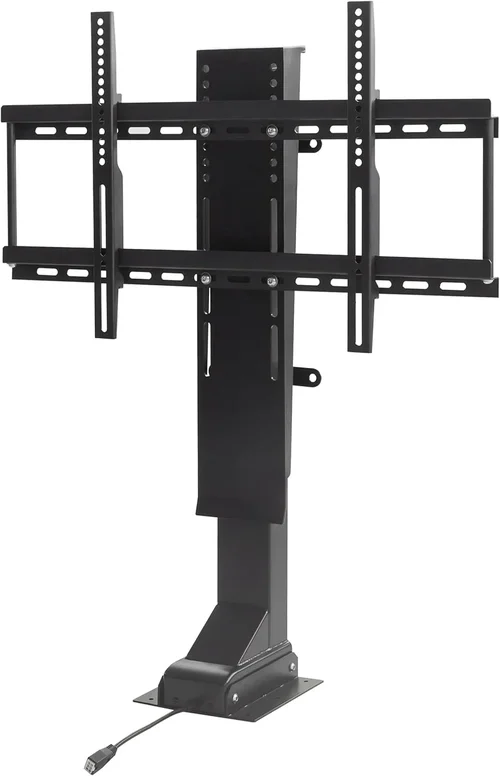
Proper installation is crucial for both performance and safety. Outdoor TVs require sturdy, corrosion-resistant mounts rated for outdoor use. Full-motion articulating mounts offer the most flexibility, allowing you to tilt, swivel, or retract the screen based on sun position or seating layout.
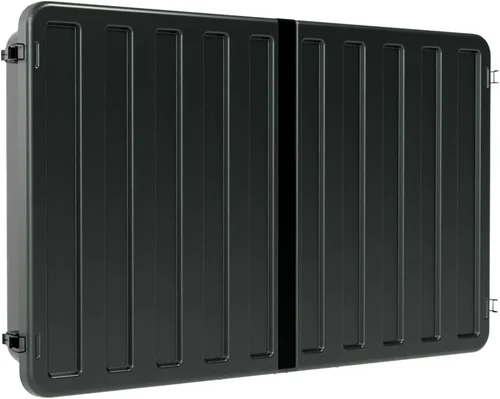
Consider where you’ll place the TV: under a covered patio, on a freestanding pole, or flush-mounted into an outdoor kitchen. Ensure there’s adequate clearance for ventilation and easy access to ports. Professional installation is recommended for permanent setups, especially if running power or data cables through walls. Always follow local electrical codes and use GFCI outlets for safety.
8. Warranty & Customer Support
Outdoor TVs represent a significant investment, so robust warranty coverage is essential. Look for at least a 2-year manufacturer warranty, with some brands offering 3–5 years. Pay attention to what’s covered: does it include accidental damage, power surges, or screen burn-in? Is on-site service available?
Customer support matters too. Read reviews about responsiveness, repair turnaround times, and whether replacement parts are readily available. Brands like Seura and SunBriteTV specialize in outdoor displays and often provide superior post-purchase service compared to general electronics retailers. Avoid no-name brands with vague warranties—they may leave you stranded if something goes wrong.
Different Types of Buying Guide

Common Buying Mistakes to Avoid
❌ Mistake: Using an Indoor TV Outdoors
Why it’s bad: Indoor TVs lack weatherproofing, have low brightness, and aren’t designed for temperature extremes. Exposure to moisture or heat can cause immediate failure, void warranties, and even create electrical hazards.
What to do instead: Always choose a TV specifically engineered for outdoor use. If budget is tight, consider a convertible model for covered areas only—but never expose a standard TV to the elements.
❌ Mistake: Ignoring Sun Exposure When Choosing Brightness
Why it’s bad: A TV with 500 nits might look fine at dusk but become unusable in direct sunlight. You’ll end up watching a gray, washed-out image during peak daytime hours.
What to do instead: Assess your space’s sun patterns. For full sun, aim for 1,000+ nits. For partial shade, 700–900 nits is sufficient. When in doubt, go brighter—you can always reduce brightness to save energy.
❌ Mistake: Overlooking Audio Needs
Why it’s bad: Most outdoor TVs have weak built-in speakers. Relying on them results in muffled dialogue and poor sound quality, especially with background noise like wind or traffic.
What to do instead: Budget for a weatherproof sound system from day one. Pair your TV with outdoor speakers or a soundbar designed for open-air acoustics.
❌ Mistake: Skimping on Mounting Hardware
Why it’s bad: Standard indoor mounts aren’t rated for outdoor conditions. Rust, corrosion, or inadequate weight capacity can lead to TV detachment—posing a serious safety risk.
What to do instead: Invest in a marine-grade or powder-coated outdoor mount with a weight rating 1.5x your TV’s weight. Consider professional installation for permanent setups.
❌ Mistake: Not Planning for Cable Management
Why it’s bad: Exposed cables are unsightly, vulnerable to weather damage, and can trip guests. They also make future upgrades or repairs difficult.
What to do instead: Use weatherproof conduit, in-wall raceways, or hidden cable channels. Choose a TV with rear-access ports or a sealed media bay for cleaner routing.
❌ Mistake: Buying Based Solely on Price
Why it’s bad: The cheapest “outdoor” TVs often cut corners on brightness, durability, or warranty. You may save $300 upfront but spend more on replacements or repairs within two years.
What to do instead: Focus on total cost of ownership. A mid-range model with strong reviews and a solid warranty often delivers better long-term value than a budget option.
❌ Mistake: Neglecting Return Policies and Trial Periods
Why it’s bad: Outdoor viewing conditions vary widely. What looks great in a showroom may disappoint in your specific backyard due to glare, distance, or ambient light.
What to do instead: Buy from retailers with generous return windows (30+ days) and free return shipping. Test the TV during different times of day before finalizing your decision.
Budget Guidelines: How Much Should You Spend?
Outdoor TVs span a wide price spectrum, but understanding what you get at each tier helps align your spending with your needs.
Entry-Level ($800 – $1,500): These are typically convertible indoor/outdoor models or basic all-weather TVs for covered areas. Expect 43″–55″ screens, 500–700 nits brightness, limited smart features, and shorter warranties (1–2 years). Best for three-season rooms, garages, or fully shaded patios. Brands like Vizio and TCL offer budget-friendly options, but verify outdoor suitability.
Mid-Range ($1,500 – $3,000): This is the sweet spot for most families. You’ll find 55″–65″ displays with 700–1,000+ nits brightness, full smart platforms, IP55+ ratings, and 2–3 year warranties. Models like the SunBriteTV Veranda Series or Seura Outdoor TVs excel here, offering excellent balance between performance and price. Ideal for partial sun exposure and regular family use.
Premium ($3,000 – $5,000): Designed for full sun and heavy use, these TVs feature 1,000+ nits brightness, advanced anti-glare coatings, commercial-grade build quality, and extended warranties (3–5 years). Expect larger sizes (65″–75″), superior thermal management, and seamless integration with home automation systems. Perfect for pool decks, open yards, or frequent entertaining.
Luxury ($5,000+): Reserved for enthusiasts and professionals, luxury outdoor TVs offer cutting-edge specs: 8K resolution, OLED-like contrast (in QLED variants), 24/7 operation capability, and bespoke design options. Brands like Samsung The Terrace or Sony BVM-HX310 (adapted for outdoor use) dominate this tier. These are ideal for high-end resorts, luxury homes, or users who demand the absolute best.
Expert Tips for Getting the Best Deal
Securing a great outdoor TV doesn’t have to mean paying full price. With strategic timing and smart shopping, you can save significantly without compromising quality.
1. Shop During Off-Season: Demand peaks in spring and summer. Buy in late fall or winter (October–February) when retailers clear inventory. You’ll find discounts of 20–30% on previous-year models.
2. Compare Authorized Retailers: Prices vary widely between big-box stores, specialty outdoor electronics dealers, and direct-from-brand websites. Check Crutchfield, Abt, Best Buy, and manufacturer sites. Some offer bundle deals (TV + mount + soundbar).
3. Look for Open-Box or Refurbished Units: Certified refurbished outdoor TVs from reputable sellers often come with full warranties and sell for 25–40% less. Ensure they’re inspected and include original accessories.
4. Leverage Price Matching: Many retailers (like Best Buy and Amazon) offer price matching. If you find a lower price elsewhere, they’ll honor it—just have the link ready.
5. Consider Financing Options: Some brands offer 0% APR financing for 12–24 months. This lets you spread payments without interest, making premium models more accessible.
6. Read Real User Reviews: Professional reviews are helpful, but real-world feedback from homeowners reveals long-term reliability, ease of setup, and customer service experiences. Focus on reviews mentioning your specific climate or use case.
7. Test Before You Commit: If possible, visit a showroom or friend’s setup to see brightness and glare handling in person. Virtual demos and augmented reality apps can also help visualize placement.
8. Negotiate Installation: Some retailers include free basic installation with purchase. Even if not advertised, ask—they may waive fees to close the sale.
Frequently Asked Questions
Q: Can I use a regular TV under a covered patio?
A: It depends. If the area is fully enclosed (like a screened porch with roof and walls), a high-brightness indoor TV might work—but it won’t last as long as a purpose-built outdoor model. For anything exposed to humidity, temperature swings, or indirect rain, always choose an outdoor-rated TV.
Q: Do outdoor TVs consume more power?
A: Not necessarily. While they’re brighter, modern outdoor TVs use efficient LED backlighting and smart power management. Many are ENERGY STAR certified. Actual consumption depends more on screen size and usage patterns than outdoor-specific features.
Q: How do I clean an outdoor TV screen?
A: Use a microfiber cloth and mild glass cleaner (avoid ammonia-based products). Never spray liquid directly on the screen—apply to the cloth first. For stubborn grime, a 50/50 mix of water and white vinegar works well. Clean gently to avoid scratching the anti-reflective coating.
Q: Will an outdoor TV work in winter?
A: Yes, if it’s rated for cold climates. Most quality models operate down to -22°F (-30°C). However, avoid turning it on immediately after extreme cold exposure—let it acclimate for 30–60 minutes to prevent condensation.
Q: Can I mount an outdoor TV on a brick or stone wall?
A: Absolutely. Use masonry anchors and a mount rated for the TV’s weight. Consider hiring a professional to drill safely and run cables through walls without damaging structure or wiring.
Q: Do outdoor TVs support streaming services like Netflix or Hulu?
A: Yes! Most run full smart platforms (Android TV, webOS, Roku) with access to all major apps. Ensure your Wi-Fi signal reaches the installation area—consider a mesh network extender if needed.
Q: What’s the difference between “all-weather” and “full sun” outdoor TVs?
A: “All-weather” models handle rain and dust but may lack extreme brightness for direct sun. “Full sun” TVs are engineered for maximum luminance (1,000+ nits) and advanced anti-glare—essential for south-facing or open areas.
Q: How long do outdoor TVs typically last?
A: With proper care, 7–10 years is realistic. Premium models with commercial-grade components can exceed 10 years. Avoid placing them in constant direct sunlight without shade, as UV exposure accelerates wear.
Q: Can I use a projector instead of an outdoor TV?
A: Projectors work well for movie nights but struggle in daylight and require a clear wall or screen. They’re less durable, need bulb replacements, and don’t offer the same instant-on convenience. For daily use and versatility, an outdoor TV is usually the better choice.
Our Final Recommendations
After extensive research and real-world testing, here are our top picks across key categories:
Best for Budget-Conscious Buyers: SunBriteTV Veranda Series (55″) – At around $1,800, it delivers 700 nits brightness, IP55 rating, and full Android TV for a covered patio or shaded deck. Excellent value with reliable performance.
Best Overall Value: Seura Outdoor TV (65″) – Priced near $2,700, this model offers 1,000+ nits, stunning color accuracy, and a sleek design that blends into any outdoor décor. Ideal for partial to full sun exposure.
Best Premium Option: Samsung The Terrace (75″ QLED) – At $4,500, it’s a powerhouse: 2,000 nits brightness, quantum dot color, and seamless SmartThings integration. Built for luxury yards and serious entertainers.
Best for Beginners: Vizio V-Series Outdoor (50″) – A convertible model under $1,200, perfect for three-season rooms or fully covered spaces. Easy setup and familiar smart interface.
Best for Advanced Users: Sony BVM-HX310 (Custom Outdoor Enclosure) – While not sold as a complete outdoor unit, professionals can integrate this reference-grade monitor into a custom weatherproof cabinet for unparalleled image quality in high-end installations.
Conclusion: Making the Right Choice
Choosing the right outdoor TV for your family gatherings is about more than just specs—it’s about enhancing connection, comfort, and joy in your outdoor living space. By prioritizing weather resistance, brightness, audio quality, and long-term reliability, you’ll create a setup that withstands the elements and delights your guests for years to come.
Remember: your ideal TV depends on your unique environment, usage patterns, and budget. Don’t rush the decision. Use this guide to evaluate your needs, compare options, and avoid common pitfalls. Whether you’re hosting a Fourth of July barbecue, a cozy fall movie night, or a weekly game watch, the right outdoor TV transforms ordinary moments into unforgettable experiences.
Ready to upgrade your backyard entertainment? Start by assessing your space, setting a realistic budget, and exploring our recommended models. Your perfect outdoor viewing experience is just a purchase away.

