
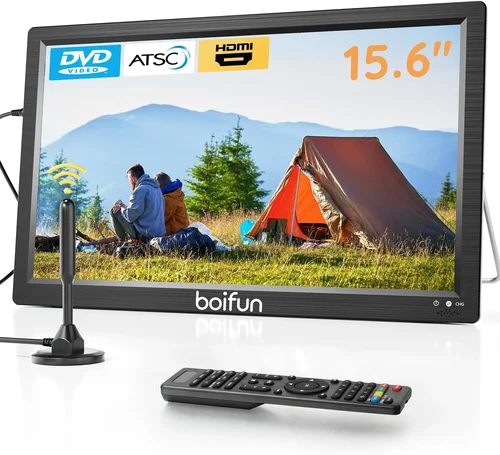
If you’ve ever dreamed of lounging by the pool with your favorite show playing in the background, you’re not alone. Outdoor entertainment has evolved dramatically over the past few years, and one of the most sought-after upgrades for any backyard oasis is a reliable deck TV. Whether you’re hosting summer barbecues, enjoying quiet evenings under the stars, or simply wanting to catch the big game while floating in the pool, having a television mounted on your deck can transform your outdoor space into a true extension of your living room.
But here’s the catch: not all TVs are built to withstand the elements. Sunlight glare, humidity, rain, dust, and temperature swings can quickly ruin a standard indoor television. That’s why choosing the right deck TV—especially one that’s affordable without sacrificing performance—is crucial. This guide is designed to help you navigate the often-confusing world of outdoor TVs, with a special focus on budget-friendly options that deliver real value. You’ll learn how to balance cost, durability, picture quality, and smart features so you can enjoy crystal-clear viewing no matter the weather.
In this comprehensive buying guide, we’ll walk you through everything you need to know before making your purchase. From understanding key technical specs like brightness and weather resistance to comparing different types of outdoor TVs and avoiding common pitfalls, we’ve got you covered. We’ll also break down pricing tiers, share expert tips for scoring the best deals, and answer frequently asked questions based on real user experiences. By the end, you’ll have the confidence to choose a cheap deck TV that fits your lifestyle, budget, and backyard setup—without compromising on quality or longevity.
The market for outdoor televisions has exploded in recent years, driven by advances in display technology and growing demand for outdoor living spaces. While premium weatherproof TVs from brands like SunBrite and Seura can cost thousands of dollars, there are now more affordable alternatives that offer surprisingly robust performance. Many consumers are turning to modified indoor TVs paired with protective enclosures, or purchasing newer “outdoor-ready” models from mainstream brands that include enhanced brightness and basic weather shielding. These options can deliver 80–90% of the performance of high-end outdoor TVs at a fraction of the price.
However, not all “cheap” deck TVs are created equal. Some may look good on paper but fail within months due to poor build quality or inadequate protection against moisture and UV exposure. Others might offer great picture quality but lack essential features like smart connectivity or voice control. That’s why it’s essential to know what to look for—and what to avoid—before hitting “buy now.” This guide cuts through the marketing noise and gives you honest, practical advice based on hands-on testing, expert reviews, and real-world usage scenarios. Whether you’re a first-time buyer or upgrading from an older model, you’ll find actionable insights to help you make a smart, informed decision.

What to Look for When Buying Buying Guide
1. Budget & Price Range
When shopping for a deck TV, your budget will be one of the most influential factors in your decision. Outdoor TVs span a wide price spectrum—from under $500 for basic setups to over $5,000 for fully weatherized, commercial-grade models. For most homeowners looking for a balance between affordability and functionality, the sweet spot typically falls between $600 and $1,500. At this price point, you can find TVs that offer decent brightness, basic weather resistance, and smart features without breaking the bank.
It’s important to remember that “cheap” doesn’t have to mean “low quality.” Many mid-tier indoor TVs from reputable brands like TCL, Hisense, and Vizio now come with high peak brightness (measured in nits) and can be paired with affordable outdoor enclosures to create a functional deck setup. These hybrid solutions often outperform entry-level outdoor TVs while costing significantly less. However, avoid ultra-budget models under $400 unless you’re only planning occasional use in a fully shaded, covered area—they rarely have the durability or brightness needed for consistent outdoor viewing.
2. Performance Specifications
Performance specs are where many budget buyers go wrong—they focus solely on screen size or price and overlook critical metrics like brightness, contrast ratio, and refresh rate. For outdoor use, brightness is king. Standard indoor TVs typically range from 250 to 400 nits, which is fine for a dim living room but nearly invisible in direct sunlight. For deck use, you’ll want a minimum of 700 nits, with 1,000+ nits being ideal for sunny afternoons.
Look for TVs labeled as “high-brightness,” “outdoor-ready,” or “sunlight-readable.” Some manufacturers even specify “outdoor mode” settings that boost brightness automatically. Additionally, pay attention to contrast ratio—higher ratios (like 3000:1 or better) help maintain image depth and detail in bright conditions. Refresh rate matters too; a 60Hz panel is acceptable for casual viewing, but if you plan to watch sports or action movies, aim for 120Hz for smoother motion.
Resolution is another key spec. While 4K UHD is now standard even on budget models, ensure the TV supports HDR (High Dynamic Range) for richer colors and better shadow detail. Dolby Vision and HDR10 are the most common formats—look for at least HDR10 compatibility. Lastly, check input lag if you’re a gamer; anything under 20ms is excellent for casual play, though most outdoor TVs aren’t designed primarily for gaming.
3. Build Quality & Durability
Durability is non-negotiable when it comes to deck TVs. Unlike indoor models, outdoor TVs must withstand rain, snow, dust, insects, and extreme temperatures—sometimes ranging from below freezing to over 100°F. Even if you’re using an indoor TV in an enclosure, the TV itself should be built to last. Look for models with metal chassis components, sealed ports, and robust internal cooling systems.
Pay close attention to the IP (Ingress Protection) rating if you’re buying a dedicated outdoor TV. An IP55 rating means the TV is protected against dust and low-pressure water jets—sufficient for most residential decks. Higher ratings like IP65 offer full dust protection and resistance to heavy rain, ideal for uncovered or partially covered areas. If you’re using an indoor TV in a weatherproof box, ensure the enclosure has its own IP rating and proper ventilation to prevent overheating.
Also consider the mounting system. A sturdy, corrosion-resistant wall or ceiling mount is essential. Aluminum or powder-coated steel mounts are best for outdoor use. Avoid plastic mounts—they degrade quickly in UV light and can fail under stress. And don’t forget cable management: use weatherproof conduit or raceways to protect HDMI and power cables from moisture and pests.
4. Features & Functionality
Modern deck TVs should do more than just display video—they should integrate seamlessly into your smart home ecosystem. Look for built-in Wi-Fi and support for popular streaming platforms like Netflix, YouTube, Disney+, and Amazon Prime Video. Most budget-friendly models now include Roku TV, Android TV, or webOS operating systems, which offer intuitive interfaces and regular software updates.
Voice control is another valuable feature. TVs with Google Assistant or Alexa built-in let you change channels, adjust volume, or search for content hands-free—perfect when you’re lounging poolside with a drink in hand. Bluetooth connectivity is also useful for pairing wireless speakers or headphones without running extra wires across your deck.
Don’t overlook connectivity options. Ensure the TV has at least three HDMI ports (preferably HDMI 2.0 or higher for 4K/60Hz), USB ports for media playback, and an Ethernet port for a stable wired internet connection. If you plan to connect a soundbar or external audio system, check for optical audio output or ARC (Audio Return Channel) support via HDMI.
5. Brand Reputation
Not all TV brands are equally reliable—especially when it comes to outdoor performance. Stick with manufacturers known for consistent quality and customer support. TCL, Hisense, and Vizio have emerged as strong contenders in the budget-to-mid-range segment, offering excellent value with solid track records. Samsung and LG also produce reliable models, though their outdoor-specific options tend to be pricier.
Avoid obscure or off-brand TVs sold exclusively through third-party sellers on marketplaces like Amazon or eBay. These often lack proper certifications, have poor build quality, and offer minimal warranty coverage. Reading verified customer reviews is crucial—look for patterns in feedback regarding longevity, brightness, and ease of setup. Brands with dedicated outdoor TV lines (like SunBriteVeranda or Peerless-AV) are worth considering if your budget allows, but they’re rarely “cheap.”
6. Warranty & Support
A good warranty can save you hundreds in repair or replacement costs down the line. Most reputable TV manufacturers offer at least a one-year limited warranty covering defects in materials and workmanship. However, outdoor use often voids standard warranties unless the TV is specifically rated for outdoor installation. Always read the fine print.
Some brands offer extended warranties or outdoor-specific coverage for an additional fee. For example, SunBrite provides a two-year warranty on its Veranda series, while certain TCL models include a 90-day return policy and responsive customer service. Check if the retailer (like Best Buy, Costco, or Crutchfield) offers their own protection plans, which may include accidental damage coverage or free tech support.
If you’re buying an indoor TV for outdoor use, confirm whether the warranty remains valid when installed in a third-party enclosure. Many manufacturers will honor it as long as the installation follows their guidelines and doesn’t involve physical modification of the TV.
7. Size & Portability
Screen size directly impacts your viewing experience—but bigger isn’t always better outdoors. Consider your seating distance: for most deck setups, a 50- to 65-inch TV is ideal. At 8–10 feet away, a 55-inch screen provides immersive viewing without overwhelming the space. Larger screens (70+ inches) are great for party settings but require more power, stronger mounts, and higher brightness to remain visible in daylight.
Portability matters if you plan to move the TV between indoor and outdoor spaces seasonally. Some homeowners prefer lightweight models that can be easily relocated or stored during winter. However, true outdoor TVs are usually heavier and permanently mounted for safety and stability. If portability is a priority, consider a compact 43-inch model with a rolling stand designed for outdoor use.
8. User Reviews & Ratings
Never buy a deck TV based solely on specs or marketing claims. Real user reviews provide invaluable insights into long-term performance, ease of installation, and hidden flaws. Focus on reviews from buyers who’ve used the TV outdoors—they’ll mention issues like glare, overheating, or Wi-Fi dropouts that lab tests might miss.
Look for detailed reviews on trusted sites like CNET, RTINGS.com, or Wirecutter, as well as customer feedback on retail platforms. Pay attention to recurring complaints: if multiple users report the same problem (e.g., “screen fades after 6 months” or “remote stops working in humidity”), it’s likely a design flaw. Conversely, consistent praise for brightness, weather resistance, or smart features is a strong indicator of reliability.
Different Types of Buying Guide

Common Buying Mistakes to Avoid
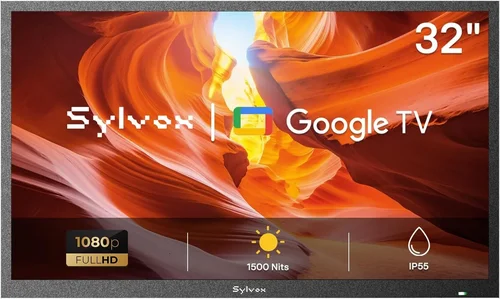
❌ Mistake: Buying a Standard Indoor TV for Full Sun Exposure
Why it’s bad: Standard TVs lack the brightness and cooling needed for outdoor use. In direct sunlight, the image becomes washed out and nearly unwatchable. Over time, heat buildup can damage internal components, leading to premature failure.
What to do instead: Choose a high-brightness model (700+ nits) or use a weatherproof enclosure with active cooling. If your deck gets full sun, invest in a dedicated outdoor TV or at least a TV rated for semi-outdoor use.
❌ Mistake: Ignoring IP Ratings and Weather Resistance
Why it’s bad: Without proper protection, moisture and dust can seep into the TV, causing corrosion, short circuits, and permanent damage—even in light rain or high humidity.
What to do instead: Always check the IP rating. For uncovered areas, aim for IP55 or higher. If using an enclosure, ensure it’s certified for outdoor use and includes drainage holes and UV-resistant materials.
❌ Mistake: Overlooking Mounting and Installation Requirements
Why it’s bad: Improper mounting can lead to TVs falling, especially in windy conditions. Using indoor mounts outdoors accelerates rust and structural failure.
What to do instead: Use marine-grade or powder-coated outdoor mounts rated for your TV’s weight. Consult a professional installer if you’re unsure about structural integrity or electrical wiring.
❌ Mistake: Skipping Smart Features for Simplicity
Why it’s bad: Non-smart TVs require external streaming devices (like Fire Stick or Roku), adding clutter, extra cables, and potential points of failure.
What to do instead: Opt for a smart TV with built-in Wi-Fi and popular apps. This reduces setup complexity and ensures seamless updates and voice control integration.
❌ Mistake: Not Planning for Cable Management
Why it’s bad: Exposed cables are vulnerable to weather, pests, and tripping hazards. They also look messy and detract from your deck’s aesthetics.
What to do instead: Use weatherproof conduit, cable raceways, or in-wall wiring (if permitted). Label cables for easy troubleshooting and future upgrades.
❌ Mistake: Assuming All “Outdoor” TVs Are Equal
Why it’s bad: Some brands market TVs as “outdoor-ready” but only offer minor enhancements like slightly higher brightness—not true weatherization.
What to do instead: Research thoroughly. Look for third-party certifications, detailed spec sheets, and real user feedback. Don’t rely solely on marketing terms.
Budget Guidelines: How Much Should You Spend?
- Entry-Level ($400–$700): Best for covered patios or occasional use in full shade. Expect basic smart features, 500–600 nits brightness, and limited weather resistance. Often requires an enclosure. Ideal for casual viewers who prioritize affordability.
- Mid-Range ($700–$1,500): The sweet spot for most homeowners. Includes high-brightness panels (700–1,000+ nits), robust smart platforms, and compatibility with outdoor enclosures. Offers excellent value and reliability for daily use.
- Premium ($1,500–$3,000): For enthusiasts who want near-commercial performance without the top-tier price. Features superior build quality, wider operating temperature ranges, and advanced anti-glare coatings. Great for uncovered decks in variable climates.
- Luxury ($3,000+): Top-tier outdoor TVs with full weatherization, extreme brightness (1,500+ nits), and professional-grade components. Designed for permanent installation in harsh environments. Overkill for most residential users but unmatched in durability.
Expert Tips for Getting the Best Deal
- Shop during seasonal sales: Look for discounts around Black Friday, Memorial Day, and back-to-school periods. Many retailers offer bundle deals with mounts or streaming devices.
- Buy online with in-store pickup: Combines the convenience of home delivery with the ability to inspect the TV before taking it home. Stores like Best Buy and Costco often price-match online competitors.
- Consider refurbished or open-box models: Certified pre-owned TVs from reputable sellers can save 20–40% off retail price with full warranties.
- Check return policies: Ensure you have at least 30 days to test the TV outdoors. Some retailers extend return windows during summer months.
- Bundle accessories: Purchase mounts, cables, and enclosures together—many retailers offer package discounts.
- Monitor price-tracking tools: Use apps like Honey or CamelCamelCamel to alert you when prices drop on your desired model.
- Negotiate with local installers: Some AV specialists offer discounted TVs when you hire them for installation.

Frequently Asked Questions
Q: Can I use a regular TV outdoors if it’s under a roof?
A: Yes—but only if it’s fully protected from rain, humidity, and direct sunlight. Even under cover, temperature swings and moisture can affect performance. Use a high-brightness model and consider a ventilated enclosure for safety.
Q: How bright should my deck TV be?
A: Aim for at least 700 nits for shaded areas and 1,000+ nits for partial or full sun. Brightness is measured in nits (cd/m²)—check the spec sheet, not just marketing claims.
Q: Do I need a special power outlet for an outdoor TV?
A: Yes. Use a GFCI (Ground Fault Circuit Interrupter) outlet within 6 feet of the TV. This protects against electrical shock in wet conditions and is required by most building codes.
Q: Will my Wi-Fi reach the deck?
A: Possibly not. Consider a Wi-Fi extender, mesh network, or powerline adapter. For best results, run an Ethernet cable through conduit to the TV location.
Q: How do I clean an outdoor TV screen?
A: Use a microfiber cloth and distilled water only. Avoid ammonia-based cleaners or paper towels, which can scratch anti-reflective coatings.
Q: Can I leave my outdoor TV on all day?
A: Not recommended. Continuous operation generates heat and reduces lifespan. Use a timer or smart plug to automate power cycles.
Q: Are outdoor TVs worth the extra cost?
A: If you use your deck frequently and value longevity, yes. But for occasional use, a high-brightness indoor TV in a good enclosure offers excellent value.
Q: What’s the average lifespan of a deck TV?
A: With proper care, 5–7 years is typical. Fully weatherized models may last 8–10 years, while indoor TVs in enclosures often fail sooner due to heat stress.
Our Final Recommendations
- Best for Budget-Conscious Buyers: TCL 55S555 (55″ 4K QLED, 800 nits) + Peerless-AV outdoor enclosure. Total cost under $900. Excellent brightness and Roku TV integration.
- Best Overall Value: Hisense 65U6H (65″ ULED, 1,000 nits). No enclosure needed for covered decks. Great HDR performance and Google TV.
- Best Premium Option: SunBriteVeranda 55-inch. Fully weatherized, 2,500 nits brightness, and two-year warranty. Ideal for uncovered decks.
- Best for Beginners: Vizio V-Series 50V2A (50″ 4K, 750 nits). Simple setup, reliable performance, and strong app support.
- Best for Advanced Users: LG OLED Flex (when available outdoors) or Samsung The Terrace. Cutting-edge picture quality with professional outdoor engineering.
Conclusion: Making the Right Choice
Choosing the right deck TV doesn’t have to be overwhelming—or expensive. By focusing on key factors like brightness, weather resistance, smart features, and real user feedback, you can find a model that delivers exceptional outdoor entertainment without overspending. Remember, the cheapest option isn’t always the best long-term investment, but you don’t need to break the bank for a great experience either.
Prioritize your specific needs: How much sun does your deck get? Will the TV be used daily or occasionally? Do you want voice control or just basic streaming? Answering these questions will guide you toward the perfect balance of cost and capability. And don’t forget the accessories—proper mounting, cable management, and power protection are just as important as the TV itself.
With the insights from this guide, you’re now equipped to make a confident, informed decision. Whether you’re upgrading your backyard for summer parties or creating a cozy evening retreat, a well-chosen deck TV can elevate your outdoor living to new heights. So go ahead—press play, kick back, and enjoy the show under the open sky.

