
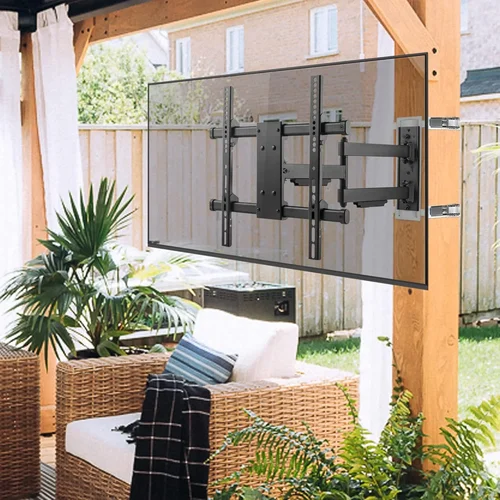
Outdoor living spaces have evolved dramatically over the past decade. What was once a simple backyard with a grill and a few lawn chairs has transformed into fully functional outdoor rooms—complete with kitchens, seating areas, lighting, and yes, even televisions. Among the most popular additions to modern pergolas and decks is the outdoor TV. Whether you’re hosting summer barbecues, watching the big game under string lights, or enjoying a quiet evening movie night under the stars, having a TV on your deck can elevate your outdoor experience to a whole new level.
But here’s the catch: outdoor TVs have traditionally been expensive. Weatherproof enclosures, specialized mounting systems, and ruggedized components all come at a premium. That’s why this guide is so important. We’re not here to sell you on the most expensive model on the market. Instead, we’re focused on helping you find a cheap deck TV that delivers solid performance, reliable durability, and excellent value—without breaking the bank. Whether you’re on a tight budget or simply want to maximize your return on investment, this comprehensive buying guide will walk you through everything you need to know to make a smart, informed decision in 2026.
By the end of this guide, you’ll understand exactly what to look for in an affordable outdoor TV, how to avoid common pitfalls, and where to find the best deals. We’ll break down key factors like weather resistance, screen brightness, connectivity options, and build quality. You’ll also learn about different types of outdoor TVs, compare price tiers, and get expert tips on timing your purchase for maximum savings. Whether you’re a first-time buyer or upgrading from an older model, this guide is designed to empower you with the knowledge and confidence to choose the right TV for your pergola or deck.
The market for outdoor TVs has grown significantly in recent years, driven by increased demand for outdoor entertainment and improvements in display technology. While premium brands like SunBriteTV and Seura still dominate the high-end segment, a new wave of budget-friendly alternatives has emerged—offering surprisingly good performance at a fraction of the cost. These affordable options often use standard indoor TVs housed in protective outdoor enclosures, or they feature semi-outdoor designs that balance cost and functionality. With options ranging from under $500 to over $3,000, there’s never been a better time to invest in an outdoor TV. But with so many choices, it’s easy to get overwhelmed. That’s where this guide comes in.
What to Look for When Buying Buying Guide
1. Weather Resistance & IP Rating
When it comes to outdoor electronics, weather resistance isn’t just a nice-to-have—it’s essential. Unlike indoor TVs, deck and pergola TVs are exposed to rain, snow, dust, humidity, and temperature fluctuations. A TV that can’t handle these conditions will fail prematurely, leaving you with a costly repair or replacement.
The first thing to check is the TV’s Ingress Protection (IP) rating. This two-digit code tells you how well the device resists solids (like dust) and liquids (like water). For outdoor use, look for a minimum IP55 rating—this means the TV is protected against dust and water jets from any direction. However, if your pergola is fully exposed or located in a region with heavy rainfall, aim for IP65 or higher. An IP65 rating ensures the TV can withstand low-pressure water jets and is dust-tight, making it ideal for most outdoor environments.
But don’t stop at the IP rating. Consider the TV’s overall build. Is it housed in a sealed aluminum or polymer enclosure? Does it have a hydrophobic coating on the screen to repel water and reduce glare? Are the ventilation ports designed to prevent moisture buildup? These details matter. A cheap TV with a high IP rating but poor internal sealing can still fail if condensation forms inside the unit.
Also, think about your local climate. If you live in a hot, sunny area, UV resistance is crucial. Prolonged exposure to sunlight can degrade plastic components and fade screen coatings. Look for TVs with UV-stabilized materials and anti-reflective screens. In colder regions, ensure the TV can operate in sub-freezing temperatures—some budget models shut down below 32°F (0°C), which can be a problem in winter months.
2. Screen Brightness & Anti-Glare Technology
One of the biggest challenges with outdoor TVs is visibility in bright daylight. A dim screen that looks great indoors will be nearly impossible to see under the sun. That’s why screen brightness—measured in nits—is a critical factor.
For outdoor use, you’ll want a minimum brightness of 700 nits. Anything below 500 nits will struggle in direct sunlight, especially during midday. Premium outdoor TVs often reach 1,000 to 2,000 nits, but even some budget models now offer 800–1,000 nits, which is sufficient for most pergola setups—especially if the TV is mounted under a covered area with partial shade.
But brightness alone isn’t enough. Glare from the sun or reflections from nearby surfaces can wash out the image. This is where anti-glare technology comes in. Look for TVs with matte or anti-reflective screens. These coatings diffuse light rather than reflecting it, improving visibility in bright conditions. Some models also feature polarized filters or adaptive brightness sensors that automatically adjust the screen’s luminance based on ambient light.
Another consideration is the screen’s viewing angle. Outdoor seating often spreads across a wide arc, so you’ll want a TV with wide viewing angles (at least 178 degrees). IPS (In-Plane Switching) panels typically offer better off-axis viewing than VA (Vertical Alignment) panels, making them a better choice for outdoor setups where people may be sitting at an angle.
3. Build Quality & Durability
A cheap deck TV isn’t just about low price—it’s about getting the most value for your money. That means prioritizing build quality and long-term durability, even on a budget.
Start with the materials. The TV’s housing should be made of corrosion-resistant metal (like aluminum) or high-grade polymer. Avoid plastic enclosures that can crack, warp, or degrade over time. Look for reinforced corners, sealed seams, and rust-proof screws. The mounting bracket should also be sturdy and weatherproof—preferably powder-coated steel or aluminum.
Internal components matter too. A well-built TV will have proper ventilation to prevent overheating, but with filters to keep out dust and insects. Some budget models use passive cooling (no fans), which reduces noise and maintenance but may limit performance in hot climates. If you live in a warm area, consider a model with a quiet, sealed fan system.
Durability also extends to the screen. Outdoor TVs are more prone to physical damage from wind-blown debris, accidental bumps, or even curious pets. A tempered glass screen protector or a shatter-resistant panel can add an extra layer of protection. Some models even include a removable screen cover for added safety during storms.
Finally, consider the TV’s lifespan. While no outdoor TV lasts forever, a quality model should provide 5–7 years of reliable service. Check the manufacturer’s expected lifespan and look for user reviews that mention long-term performance. A TV that fails after two years isn’t a bargain—it’s a liability.
4. Size & Placement Flexibility
Choosing the right size TV for your deck or pergola is about more than just screen real estate—it’s about visibility, comfort, and space constraints.
For most outdoor setups, a 43-inch to 55-inch TV is ideal. This range offers a good balance between screen size and affordability. A 43-inch TV works well for smaller decks or intimate seating areas, while a 55-inch model is better for larger gatherings or longer viewing distances. Use this rule of thumb: your viewing distance (in inches) should be about 1.5 to 2.5 times the screen size. So for a 50-inch TV, sit 6 to 10 feet away.
But size isn’t the only factor. Consider the TV’s depth and weight. Outdoor enclosures add bulk, so a 55-inch TV with a weatherproof case may be significantly thicker and heavier than an indoor model. Make sure your mounting system can support the weight—most pergola mounts are rated for 50–100 lbs, but always double-check.
Placement is equally important. Can the TV be mounted at eye level when seated? Is it protected from direct rain and sun? Is there enough clearance for ventilation? Some budget outdoor TVs come with swivel or tilt mounts, allowing you to adjust the angle for better viewing. Others require a fixed mount, which limits flexibility.
Also, think about cable management. Running power and HDMI cables through a pergola can be tricky. Look for TVs with rear access panels or built-in cable channels to keep wires organized and protected.
5. Connectivity & Smart Features
Even on a budget, you’ll want a TV that keeps up with modern streaming and connectivity needs. Most affordable outdoor TVs now come with smart platforms, allowing you to access Netflix, YouTube, Disney+, and other apps without needing an external device.
Check which operating system the TV uses. Popular options include Roku TV, Android TV, and webOS. Roku is user-friendly and widely supported, while Android TV offers more customization and app compatibility. Avoid proprietary systems that limit app availability or require subscriptions.
Connectivity is just as important. Look for at least three HDMI ports—one for a streaming stick, one for a game console or cable box, and one spare. USB ports are useful for playing media files or updating firmware. If you plan to use wireless speakers or headphones, ensure the TV supports Bluetooth.
For outdoor use, Wi-Fi reliability is crucial. A weak signal can cause buffering or disconnections. Some budget TVs have underpowered Wi-Fi antennas, so consider models with dual-band Wi-Fi (2.4 GHz and 5 GHz) for better performance. If your deck is far from the router, a Wi-Fi extender or mesh network may be necessary.
6. Audio Quality & External Speaker Options
Most budget outdoor TVs have underwhelming built-in speakers. They’re often small, low-powered, and lack bass—fine for casual listening but inadequate for parties or immersive viewing.
If you’re planning to host gatherings, consider pairing your TV with external speakers. Look for TVs with audio output options like optical digital audio, 3.5mm headphone jack, or Bluetooth. This allows you to connect weatherproof outdoor speakers, a soundbar, or even a full home theater system.
For a simple setup, wireless Bluetooth speakers are a great option. Many are waterproof and designed for outdoor use. Just make sure the TV supports Bluetooth audio output—some budget models only support Bluetooth for keyboards or remotes.
If you prefer wired audio, check the TV’s audio return channel (ARC) support. This lets you send audio from the TV to a receiver or soundbar via a single HDMI cable, reducing clutter.
Keep in mind that outdoor acoustics are different from indoor ones. Sound dissipates quickly in open spaces, so you may need more powerful speakers than you’d use indoors. Aim for speakers with at least 20W of power per channel, and consider placing them strategically around the deck for even coverage.
7. Brand Reputation & Customer Support
When buying a cheap deck TV, brand reputation can be a strong indicator of reliability. Established brands like Samsung, LG, and Sony may not offer dedicated outdoor models, but their indoor TVs are often used in outdoor enclosures with great success. Their reputation for quality control, software updates, and customer service adds peace of mind.
However, many budget outdoor TVs are sold by lesser-known brands or private-label manufacturers. While these can offer excellent value, they may lack long-term support. Before buying, research the brand’s history. How long have they been in business? Do they specialize in outdoor electronics? Are there consistent user reviews praising their durability?
Customer support is another critical factor. What happens if your TV fails after six months? Does the company offer phone, email, or live chat support? Are replacement parts available? A brand with a strong support network can save you time, money, and frustration.
Also, check if the TV is sold through reputable retailers. Buying from Amazon, Best Buy, or Costco often comes with better return policies and buyer protection than purchasing directly from a small online store.
8. Warranty & Return Policy
A good warranty can turn a risky purchase into a smart one. Most budget outdoor TVs come with a 1-year limited warranty, but some brands offer 2 or even 3 years—especially if you register the product.
Read the warranty terms carefully. Does it cover weather-related damage? What about screen burn-in or dead pixels? Is labor included, or do you have to ship the TV back at your own expense? Some warranties are void if the TV is installed incorrectly or used in extreme conditions.
Return policies are equally important. If the TV arrives damaged or doesn’t perform as expected, you’ll want a hassle-free return process. Look for retailers with 30-day return windows and free return shipping. Avoid sellers with restocking fees or short return periods.
Different Types of Buying Guide

Common Buying Mistakes to Avoid
❌ Mistake: Buying an Indoor TV for Outdoor Use
Why it’s bad: Indoor TVs are not designed to handle moisture, temperature changes, or UV exposure. Even under a pergola, they can suffer from condensation, overheating, or screen damage. Most indoor TVs also lack the brightness needed for daylight viewing.
What to do instead: Always use a TV specifically rated for outdoor use or pair an indoor TV with a certified outdoor enclosure. Never assume “it’ll be fine under the roof.”
❌ Mistake: Ignoring the IP Rating
Why it’s bad: A high price tag doesn’t guarantee weather resistance. Some “outdoor” TVs have low IP ratings and will fail in rain or humidity.
What to do instead: Always check the IP rating and match it to your environment. For covered pergolas, IP55 is acceptable. For exposed areas, aim for IP65 or higher.
❌ Mistake: Overlooking Screen Brightness
Why it’s bad: A dim screen will be unwatchable in sunlight, no matter how good the picture quality is indoors.
What to do instead: Choose a TV with at least 700 nits of brightness. Test it in similar lighting if possible, or read real-world reviews.
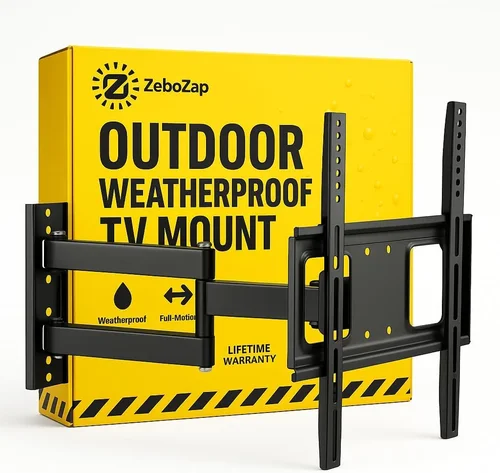
❌ Mistake: Skimping on the Mount
Why it’s bad: A weak or improperly installed mount can cause the TV to fall, especially in windy conditions. This poses a safety risk and can damage the TV.
What to do instead: Invest in a heavy-duty, weatherproof mount rated for your TV’s weight. Have it professionally installed if you’re unsure.
❌ Mistake: Forgetting About Audio
Why it’s bad: Built-in speakers on budget outdoor TVs are often quiet and tinny. You’ll miss out on the full entertainment experience.
What to do instead: Plan for external speakers from the start. Use Bluetooth or wired connections to enhance sound quality.
❌ Mistake: Not Checking the Warranty
Why it’s bad: A short or restrictive warranty can leave you stranded if the TV fails. Some brands exclude weather damage or require costly repairs.
What to do instead: Read the warranty terms carefully. Choose a brand with at least a 1-year warranty and clear coverage for outdoor use.
❌ Mistake: Buying Without Testing Connectivity
Why it’s bad: Weak Wi-Fi or limited HDMI ports can limit your ability to stream or connect devices.
What to do instead: Test the TV’s Wi-Fi range and ensure it has enough ports for your needs. Consider a streaming device for better performance.
Budget Guidelines: How Much Should You Spend?
Why it’s bad: Built-in speakers on budget outdoor TVs are often quiet and tinny. You’ll miss out on the full entertainment experience.
What to do instead: Plan for external speakers from the start. Use Bluetooth or wired connections to enhance sound quality.
❌ Mistake: Not Checking the Warranty
Why it’s bad: A short or restrictive warranty can leave you stranded if the TV fails. Some brands exclude weather damage or require costly repairs.
What to do instead: Read the warranty terms carefully. Choose a brand with at least a 1-year warranty and clear coverage for outdoor use.
❌ Mistake: Buying Without Testing Connectivity
Why it’s bad: Weak Wi-Fi or limited HDMI ports can limit your ability to stream or connect devices.
What to do instead: Test the TV’s Wi-Fi range and ensure it has enough ports for your needs. Consider a streaming device for better performance.
Budget Guidelines: How Much Should You Spend?
Why it’s bad: Weak Wi-Fi or limited HDMI ports can limit your ability to stream or connect devices.
What to do instead: Test the TV’s Wi-Fi range and ensure it has enough ports for your needs. Consider a streaming device for better performance.
Budget Guidelines: How Much Should You Spend?
Entry-Level ($400–$700): This tier includes indoor TVs paired with basic outdoor enclosures or semi-outdoor models with limited weatherproofing. Expect 43–50 inch screens, 700–800 nits brightness, and basic smart features. Ideal for covered pergolas in mild climates.
Mid-Range ($700–$1,200): The sweet spot for most buyers. These TVs offer better build quality, higher brightness (800–1,000 nits), and improved durability. Many include anti-glare screens, better Wi-Fi, and longer warranties. Perfect for semi-covered decks and moderate weather.
Premium ($1,200–$2,000): For those who want reliability and performance. These are often fully outdoor TVs with IP65+ ratings, 1,000+ nits brightness, and advanced cooling. Great for exposed decks or harsh climates.
Luxury ($2,000+): Top-tier models from brands like SunBriteTV. These offer the highest brightness (up to 2,000 nits), military-grade durability, and extended lifespans. Best for commercial use or extreme environments.
Expert Tips for Getting the Best Deal
– Buy during seasonal sales: Look for discounts during Black Friday, Prime Day, or end-of-summer clearance events. Many retailers offer 20–30% off outdoor electronics.
– Shop at big-box retailers: Stores like Costco, Sam’s Club, and Best Buy often have competitive pricing and generous return policies.
– Consider refurbished models: Certified refurbished outdoor TVs can save you 20–40% and often come with the same warranty as new units.
– Bundle with accessories: Some retailers offer discounts when you buy a TV, mount, and speakers together.
– Check for rebates: Utility companies and manufacturers sometimes offer rebates for energy-efficient outdoor electronics.
– Read user reviews: Focus on long-term reviews (6+ months) to assess durability and real-world performance.
– Test before you buy: If possible, visit a store with outdoor displays or ask for a demo unit.

Frequently Asked Questions
Q: Can I use a regular TV on my deck if it’s under a pergola?
A: Technically yes, but it’s not recommended. Even under cover, indoor TVs are vulnerable to humidity, temperature swings, and dust. For long-term reliability, use an outdoor-rated TV or enclosure.
Q: How do I protect my outdoor TV from theft?
A: Use a lockable mount, install motion-sensor lights, and consider a security camera. Some mounts have built-in locks or require special tools to remove.
Q: Do outdoor TVs use more power than indoor ones?
A: Not necessarily. Brightness and usage patterns matter more than the outdoor rating. Look for Energy Star-certified models to save on electricity.
Q: Can I leave my outdoor TV on all the time?
A: It’s not advisable. Continuous use can shorten the lifespan. Use a timer or smart plug to turn it off when not in use.
Q: What’s the difference between IP55 and IP65?
A: IP55 protects against dust and water jets. IP65 is dust-tight and protects against low-pressure water jets from any direction—better for harsher conditions.
Q: Do I need a special HDMI cable for outdoor use?
A: Standard HDMI cables work, but for long runs (over 25 feet), use weatherproof or in-wall rated cables to prevent signal loss.
Q: Can I mount an outdoor TV on a wooden pergola?
A: Yes, but ensure the structure is sturdy enough. Use lag bolts into solid beams, not just lattice or thin wood.
Q: How often should I clean my outdoor TV?
A: Clean the screen and vents every 1–2 months with a microfiber cloth and mild cleaner. Avoid harsh chemicals.
Q: Are outdoor TVs worth the cost?
A: If you use your deck frequently for entertainment, yes. The convenience and enjoyment often outweigh the upfront cost.
Q: Can I use a projector instead of a TV?
A: Projectors can work but require darkness and a flat surface. For daytime use, a bright outdoor TV is usually a better choice.
Our Final Recommendations
Best for Budget-Conscious Buyers: TCL 50S546 (50-inch) + Peerless Outdoor Enclosure – A 4K Roku TV with 800 nits brightness, housed in a durable IP55 case. Total cost under $800.
Best Overall Value: Hisense 55A7G (55-inch) – A semi-outdoor model with 900 nits, anti-glare screen, and Android TV. Priced around $900.
Best Premium Option: SunBriteTV Veranda 3 Series – Fully weatherproof, 1,000+ nits, and built for extreme conditions. Worth the investment for exposed decks.
Best for Beginners: Samsung The Terrace (Partial Sun) – Easy setup, excellent smart features, and reliable performance. Great for first-time outdoor TV owners.
Best for Advanced Users: LG OLED G3 + Outdoor Enclosure – For those who want the best picture quality. Pair with a high-end enclosure for stunning visuals.
Conclusion: Making the Right Choice
Choosing a cheap deck TV for your pergola doesn’t mean sacrificing quality or functionality. With the right knowledge, you can find an affordable, durable, and high-performing TV that enhances your outdoor living space for years to come. The key is to prioritize your specific needs—whether that’s weather resistance, screen brightness, or smart features—and avoid common pitfalls like underestimating environmental challenges or overlooking warranty details.
Remember, the cheapest option isn’t always the best value. A slightly higher upfront cost can save you money in the long run by reducing repairs, replacements, and frustration. Take the time to research, compare models, and read real user experiences. And don’t forget to factor in accessories like mounts, speakers, and cables—these can add up but are essential for a complete setup.
Ultimately, the right outdoor TV will transform your deck into a true entertainment hub—perfect for family movie nights, game-day gatherings, or quiet evenings under the stars. By following this guide, you’re well on your way to making a smart, confident purchase that delivers both performance and peace of mind. So go ahead, upgrade your outdoor space, and enjoy the show—rain or shine.

