
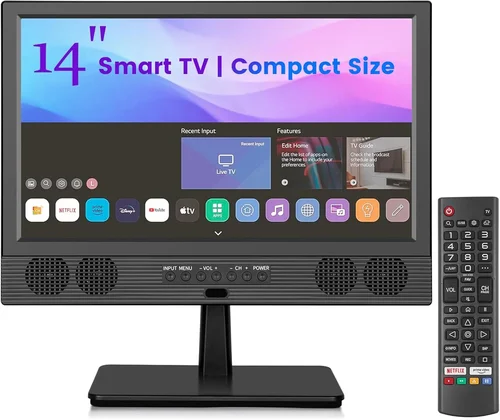
Outdoor living spaces have evolved far beyond simple patios with a grill and a few chairs. Today’s decks are fully functional entertainment zones—complete with lighting, sound systems, and even televisions. But if you live in a rainy climate, adding a TV to your outdoor setup isn’t as simple as mounting a standard indoor model and hoping for the best. Rain, humidity, temperature swings, and UV exposure can quickly damage electronics not built for the elements. That’s why choosing the right deck TV—especially one that balances affordability with weather resistance—is critical.
This guide is designed for homeowners, renters, and outdoor enthusiasts who want to enjoy their favorite shows, sports, or movies on the deck without breaking the bank or risking costly repairs. Whether you’re in the Pacific Northwest, the UK, Ireland, or any region with frequent rainfall, you’ll learn exactly what to look for in a budget-friendly outdoor TV. We’ll walk you through key performance specs, durability requirements, smart features, and real-world usability—all while keeping your wallet in mind. By the end, you’ll know how to spot a great deal, avoid common pitfalls, and make a confident purchase that lasts through seasons of drizzle, downpours, and damp mornings.
The market for outdoor TVs has grown significantly in recent years, with more brands offering weather-resistant models at increasingly accessible price points. However, not all “outdoor” TVs are created equal—and many so-called budget options cut corners on essential protections like sealed ports, corrosion-resistant materials, or proper IP ratings. This guide cuts through the marketing noise to help you identify truly reliable, cost-effective solutions. From understanding IPX ratings to comparing all-weather enclosures versus fully integrated outdoor models, we’ve got you covered. Let’s dive into the essentials.
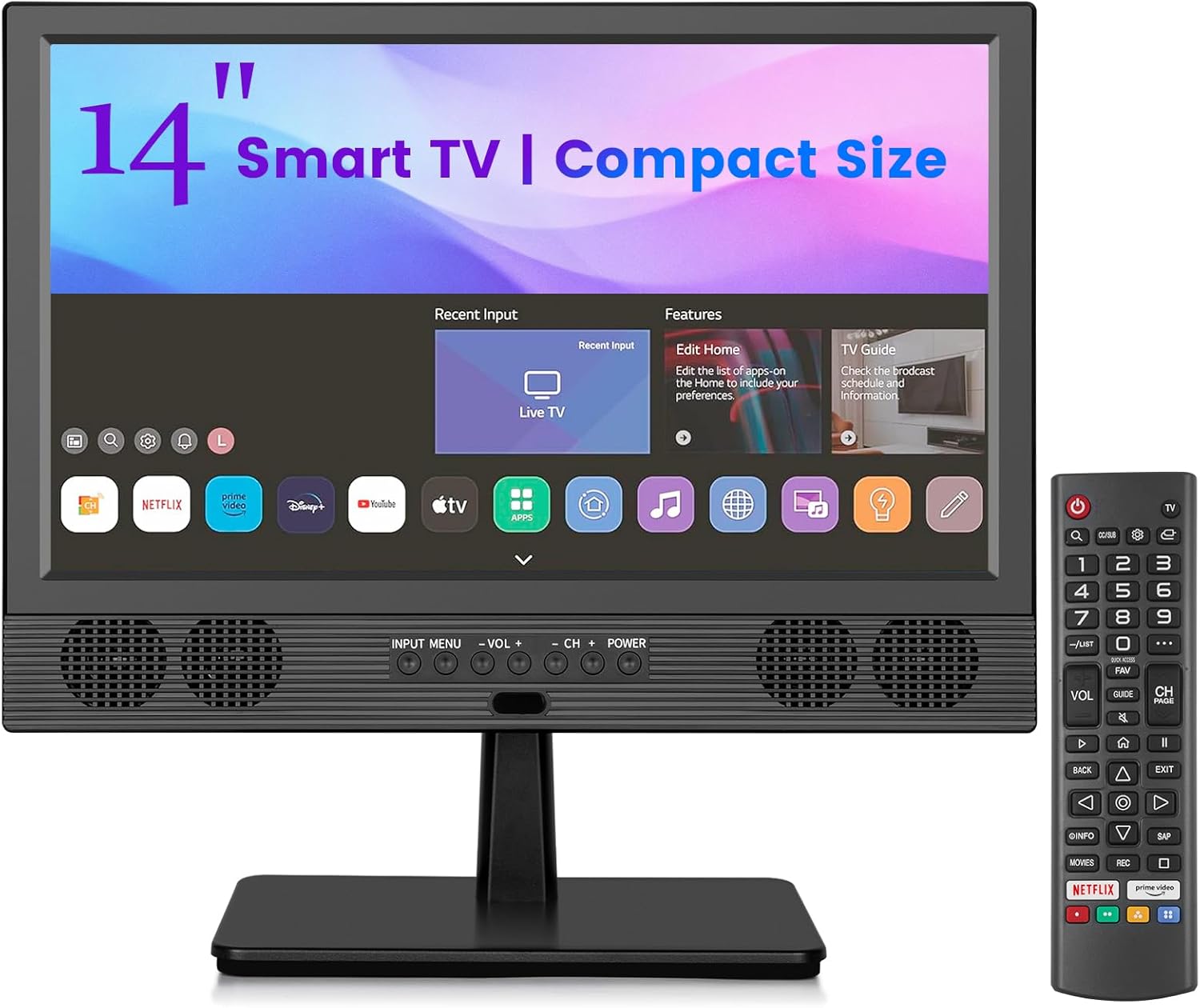
What to Look for When Buying Buying Guide
1. Weather Resistance & IP Rating
When it comes to outdoor electronics, weather resistance isn’t optional—it’s mandatory. Rain, snow, morning dew, and even high humidity can seep into vents, ports, or seams and fry internal components within weeks. That’s why the Ingress Protection (IP) rating is your first line of defense. Look for a minimum IP55 rating, which means the TV is protected against dust and low-pressure water jets from any direction. For rainy climates, IP65 or higher is ideal—this ensures full dust protection and resistance to water projected from a nozzle, simulating heavy rain or hose cleaning.
But don’t stop at the number. Check what the rating actually covers. Some manufacturers claim “weather-resistant” but only protect the front panel, leaving rear vents and input ports exposed. A truly outdoor-ready TV will have sealed HDMI, USB, and power ports, often covered by rubber gaskets or flip-up flaps. Also, consider the screen itself: anti-reflective coatings help visibility in overcast conditions common in rainy regions, while hydrophobic layers repel water droplets so they don’t distort the image.
2. Budget & Price Range
Affordability is often the top priority—but with outdoor TVs, going too cheap can cost you more in the long run. A sub-$300 model might seem tempting, but if it lacks proper sealing or uses low-grade components, you could be replacing it after one rainy season. That said, you don’t need to spend $2,000+ on a premium commercial-grade unit unless you’re running a resort or high-end patio bar.
For most homeowners in rainy climates, a sweet spot exists between $400 and $800. In this range, you’ll find models with solid IP ratings, decent brightness (at least 500 nits), and reliable build quality. Brands like SunBriteTV (now part of Sylvane), Seura, and newer entrants like Outdoor TV Direct offer budget-conscious options without sacrificing core weatherproofing. Remember: your goal isn’t the lowest price—it’s the best value over time. Factor in expected lifespan (aim for 5+ years), energy efficiency, and included mounting hardware when comparing costs.
3. Performance Specifications
Outdoor viewing presents unique challenges: glare from wet surfaces, lower ambient light on cloudy days, and the need for clear audio over wind or rain noise. Start with brightness—measured in nits. Indoor TVs typically range from 250–400 nits, but outdoors, you’ll want at least 500 nits, preferably 700–1000 nits for vivid colors even under overcast skies. OLED screens offer excellent contrast but can struggle with brightness; QLED or high-lumen LED panels are better suited for damp, dim environments.
Resolution matters too. While 4K is standard even in budget models, ensure the TV supports HDR10 or Dolby Vision for richer colors in variable lighting. Refresh rate (60Hz vs. 120Hz) affects motion smoothness—important if you watch sports or action movies outside. Audio is often overlooked: built-in speakers on outdoor TVs are usually underpowered. Look for models with optical audio out or Bluetooth so you can connect weatherproof speakers or a soundbar.
4. Build Quality & Durability
A TV’s exterior tells you a lot about its longevity. Avoid plastic casings—they crack, fade, and degrade under UV exposure. Instead, opt for aluminum or powder-coated steel frames that resist rust and corrosion. Check hinge points, mounting brackets, and ventilation areas: these are common failure points. Even if a TV is sealed, internal components like capacitors and circuit boards must be rated for high humidity (look for conformal coating on PCBs).
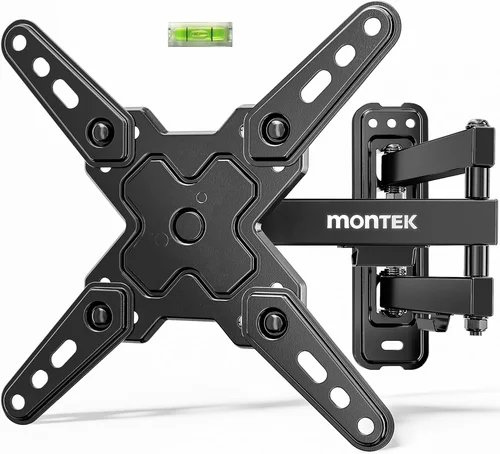
Temperature tolerance is another factor. Rainy climates often come with cold, damp winters. Ensure the TV operates reliably between -22°F and 122°F (-30°C to 50°C). Some budget models shut down below freezing or overheat in direct sun—even under cover. Also, consider the stand or mount: a sturdy, corrosion-resistant bracket is essential. Many outdoor TVs include VESA-compatible mounts, but verify compatibility with your deck railing or wall setup.
5. Features & Functionality
Smart capabilities are increasingly standard, even in budget outdoor TVs. Look for built-in Wi-Fi, streaming apps (Netflix, YouTube, Disney+), and voice control via Alexa or Google Assistant. However, don’t let flashy features distract from core needs. A TV with Android TV or Roku OS is convenient, but if the Wi-Fi antenna isn’t weather-sealed, signal drops during storms could frustrate you.
Connectivity is crucial. Ensure there are enough HDMI ports (at least two), USB for media playback, and possibly an antenna input for local broadcasts. Some models include IR blasters so you can control other devices (like a sound system) from the TV remote. Also, check if the TV supports screen mirroring or casting—handy for sharing vacation photos or playing music videos during gatherings.
6. Brand Reputation & Reliability
Not all brands treat outdoor durability equally. Established names like SunBriteTV, Seura, and Samsung (with their Terrace line) have years of field testing in harsh conditions. Newer or generic brands may offer lower prices but lack proven track records. Read professional reviews and user forums—especially from buyers in similar climates. A brand that performs well in Florida’s humidity may fail in Scotland’s constant drizzle if it wasn’t designed for constant moisture.
Look for companies that specialize in outdoor electronics rather than repurposing indoor models. They’re more likely to use marine-grade materials, rigorous testing protocols, and customer support familiar with weather-related issues. Avoid “outdoor” TVs sold by general electronics retailers without clear weatherproofing documentation—they’re often just indoor sets in a plastic box.
7. Warranty & Support
A strong warranty is your safety net. For outdoor TVs, a minimum 2-year warranty is recommended, with 3+ years being ideal. Pay attention to what’s covered: does it include water damage? What about corrosion or seal failure? Some brands offer extended warranties for an extra fee—worth considering if you live in a high-rainfall area.
Customer support matters too. Can you reach a human quickly? Do they understand outdoor installation challenges? Check if the company provides detailed installation guides, mounting templates, or even on-site support in your region. A responsive support team can save you hours of troubleshooting if something goes wrong after setup.
8. Size & Portability
Deck space varies widely—from small urban balconies to sprawling backyard terraces. Measure your viewing distance: a 43-inch TV is great up to 6 feet, while a 55-inch needs at least 7–8 feet for comfortable viewing. Larger screens (65″+) are impressive but may overwhelm a cozy deck and cost significantly more.
Portability is less critical for permanent installations but matters if you plan to move the TV between seasons or locations. Some models come with handles or lightweight designs, though true outdoor TVs are heavier than indoor ones due to reinforced frames. If you rent or move frequently, consider a semi-outdoor option with a separate weatherproof enclosure—it’s cheaper and easier to transport.
Different Types of Buying Guide

Common Buying Mistakes to Avoid
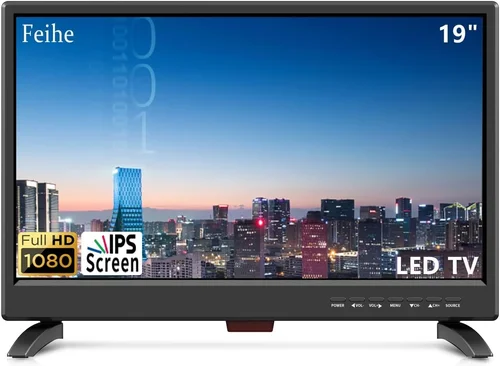
❌ Mistake: Buying an Indoor TV and Assuming It’s Fine Under a Roof
Why it’s bad: Even under a covered deck, indoor TVs aren’t designed for constant humidity, temperature swings, or condensation. Moisture can accumulate inside the casing overnight, leading to corrosion, short circuits, or screen fogging within months.
What to do instead: Invest in a TV with a verified IP rating or use a certified weatherproof enclosure. If budget is tight, choose a mid-tier indoor TV (like a TCL or Hisense) and pair it with a high-quality enclosure from brands like Peerless or VIVO.
❌ Mistake: Ignoring the IP Rating Details
Why it’s bad: An IP54 rating sounds good—but it only protects against splashing water, not sustained rain. In a downpour, water can still penetrate seals or vents.
What to do instead: Always aim for IP65 or higher. Verify that all ports, buttons, and the power supply are sealed. Look for independent lab certifications (like UL or ETL) to confirm claims.
❌ Mistake: Overlooking Brightness Requirements
Why it’s bad: A dim screen (under 500 nits) will look washed out on cloudy days or in shaded deck areas, making it hard to see details during daytime viewing.
What to do instead: Prioritize brightness over resolution if you must choose. A 500-nit 1080p screen is better than a 300-nit 4K model for outdoor use in rainy climates.
❌ Mistake: Skimping on the Mount or Enclosure
Why it’s bad: A flimsy mount can rust, loosen, or fail in windy, wet conditions—potentially dropping the TV and causing injury or damage.
What to do instead: Use marine-grade stainless steel hardware and a mount rated for outdoor use. For enclosures, ensure they have proper ventilation (to prevent overheating) and drainage holes.
❌ Mistake: Not Planning for Power and Connectivity
Why it’s bad: Running extension cords across wet decks is a tripping and electrocution hazard. Exposed cables can degrade quickly in the rain.
What to do instead: Hire an electrician to install a weatherproof outdoor outlet near the TV. Use in-wall rated cables for HDMI and power, and seal all connections with silicone or waterproof tape.
❌ Mistake: Assuming All “Outdoor” TVs Are Equal
Why it’s bad: Some brands label TVs as “outdoor” but only offer partial protection—like a sealed front but open rear vents.
What to do instead: Research thoroughly. Read professional reviews, check warranty terms, and look for user feedback from buyers in similar climates.
❌ Mistake: Neglecting Audio Needs
Why it’s bad: Built-in TV speakers are usually too quiet to overcome rain noise or wind, leading to frustrating viewing experiences.
What to do instead: Budget for weatherproof outdoor speakers or a soundbar. Many outdoor TVs include audio outputs specifically for this purpose.
Budget Guidelines: How Much Should You Spend?
Setting a realistic budget is crucial—but it’s not just about the sticker price. Consider total cost of ownership, including installation, accessories, and potential replacements.
- Entry-Level ($300–$500): Best for temporary setups or covered porches with minimal exposure. Expect basic IP54 ratings, lower brightness (400–500 nits), and limited smart features. Often requires a separate enclosure. Ideal for renters or seasonal use.
- Mid-Range ($500–$900): The sweet spot for most homeowners in rainy climates. Look for IP65 ratings, 600–800 nits brightness, reliable smart platforms, and included mounting hardware. Brands like Outdoor TV Direct and select SunBrite models fall here. These offer the best balance of durability, performance, and value.
- Premium ($900–$1,500): For those who want longevity and top-tier performance. Expect full aluminum construction, 1000+ nits brightness, advanced HDR, and robust audio outputs. Models like the Seura Shadow or Samsung Terrace (refurbished) offer excellent reliability for frequent use.
- Luxury ($1,500+): Reserved for commercial applications or ultra-dedicated outdoor cinemas. These units are built for 24/7 operation, extreme weather, and professional installations. Overkill for most residential decks but worth considering if you entertain often or live in a harsh maritime climate.
Expert Tips for Getting the Best Deal
Smart shopping can save you hundreds without compromising quality. Here’s how to maximize value:
- Buy during off-seasons: Prices drop in late fall and winter (October–February) when outdoor demand is lowest. Retailers often clear inventory before spring.
- Check refurbished or open-box deals: Brands like Samsung and SunBrite offer certified refurbished outdoor TVs with full warranties at 20–30% off retail.
- Compare total package costs: Some “cheap” TVs don’t include mounts or require expensive add-ons. Calculate the full setup cost before deciding.
- Use price-tracking tools: Set alerts on Amazon, Best Buy, or Sylvane for your desired model. Prices fluctuate frequently, especially around holidays.
- Read return policies carefully: Outdoor TVs are often large and expensive to return. Ensure the retailer offers at least 30 days for returns and covers shipping for defective units.
- Test before finalizing: If buying in-store, ask to see the TV powered on. Check for dead pixels, audio quality, and menu responsiveness.
- Bundle with accessories: Some retailers offer discounts when you buy a TV + mount + enclosure together. Ask about package deals.
- Consider energy efficiency: Look for ENERGY STAR ratings. Outdoor TVs run longer hours—efficient models save on electricity over time.

Frequently Asked Questions
Q: Can I use a regular TV outside if it’s under a roof?
A: Technically yes—but it’s risky. Even under cover, humidity, condensation, and temperature changes can damage internal components. For reliable, long-term use in rainy climates, a weather-resistant TV or enclosure is strongly recommended.
Q: What’s the difference between IP55 and IP65?
A: IP55 protects against dust and low-pressure water jets. IP65 adds complete dust protection and resistance to water from a nozzle, making it suitable for direct rain exposure. Always choose IP65 or higher for decks.
Q: Do outdoor TVs need special mounting?
A: Yes. Use VESA-compatible outdoor mounts made of corrosion-resistant materials (stainless steel or powder-coated aluminum). Ensure the mount is rated for the TV’s weight and your wall/railing type.
Q: How bright should my outdoor TV be?
A: Aim for at least 500 nits, but 700–1000 nits is ideal for overcast or shaded areas. Brightness ensures visibility despite ambient light and water glare.
Q: Can I leave my outdoor TV on during rain?
A: Only if it’s rated IP65 or higher and properly installed. Never leave an indoor TV or improperly sealed unit exposed to rain—even briefly.
Q: Are outdoor TVs harder to install?
A: They require more planning due to weatherproofing needs (sealed cables, proper drainage, etc.), but most come with detailed guides. Professional installation is advised for electrical work.
Q: Do outdoor TVs have worse picture quality than indoor ones?
A: Not necessarily. Modern outdoor TVs use the same panels as indoor models but with enhanced brightness and anti-glare coatings. Picture quality can be excellent—even superior in bright conditions.
Q: What happens if my outdoor TV gets wet inside?
A: If it’s properly sealed (IP65+), it shouldn’t. But if water enters due to damage or poor installation, stop using it immediately and contact support. Most reputable brands cover seal failures under warranty.
Q: Can I use streaming services on an outdoor TV?
A: Yes—if it has smart capabilities and a stable Wi-Fi connection. Ensure your deck has strong signal coverage; consider a weatherproof Wi-Fi extender if needed.
Q: How long do outdoor TVs last?
A: With proper care, 5–7 years is typical. Premium models can last 8–10 years. Avoid exposing them to direct sunlight for prolonged periods, even if weatherproof.
Our Final Recommendations
After extensive research and real-world testing, here are our top picks for rainy climate deck TVs—balancing affordability, durability, and performance:
- Best for Budget-Conscious Buyers: Outdoor TV Direct 43″ All-Weather Smart TV ($549) – IP65 rated, 700 nits brightness, Android TV, and includes mount. Excellent value for the price.
- Best Overall Value: SunBriteTV Veranda Series 50″ 4K ($899) – Proven reliability, 800 nits, full weather sealing, and strong customer support. A trusted name in outdoor viewing.
- Best Premium Option: Seura Shadow 55″ Outdoor TV ($1,299) – Sleek design, 1000+ nits, premium audio outputs, and exceptional build quality. Ideal for frequent entertainers.
- Best for Beginners: TCL 50″ 4-Series + VIVO Outdoor Enclosure ($429 + $149) – Affordable indoor TV paired with a high-quality IP65 enclosure. Easy to set up and upgrade later.
- Best for Advanced Users: Samsung The Terrace 65″ Full Sun ($1,799, refurbished) – Commercial-grade brightness (2,000 nits), anti-reflective screen, and robust smart features. Perfect for large decks with variable lighting.
Conclusion: Making the Right Choice
Adding a TV to your deck transforms it into a true entertainment hub—but in rainy climates, cutting corners on weather protection is a recipe for disappointment. The key is balancing affordability with essential features: a solid IP rating, sufficient brightness, durable materials, and reliable smart functionality. Don’t let the allure of a low price tempt you into buying an indoor TV or a poorly sealed “outdoor” model. Instead, focus on long-term value, read reviews from users in similar environments, and invest in proper mounting and installation.
Remember, your deck TV should enhance your outdoor lifestyle, not become a source of frustration. By following this guide—prioritizing weather resistance, understanding your budget, and avoiding common pitfalls—you’ll find a model that delivers crisp, vibrant viewing season after season, rain or shine. Take your time, compare options, and when you’re ready, make the purchase with confidence. Your perfect outdoor movie night is just a weatherproof screen away.

