
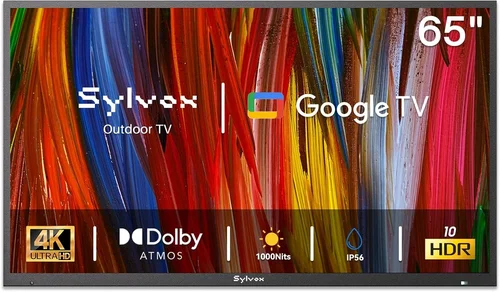
Outdoor entertaining has evolved dramatically over the past decade, and nothing transforms a backyard bar or patio into a true entertainment hub quite like a dedicated outdoor TV. Whether you’re hosting game nights, summer barbecues, or simply unwinding with a movie under the stars, having a reliable television that can withstand the elements is no longer a luxury—it’s a necessity for modern outdoor living. But with so many options flooding the market, finding a budget-friendly outdoor TV that delivers solid performance without breaking the bank can feel overwhelming. That’s exactly why this comprehensive buying guide exists: to cut through the noise, demystify the technical jargon, and help you make a smart, informed decision.
In this guide, we’ll walk you through every critical factor to consider when shopping for a budget outdoor TV—from weather resistance and screen brightness to smart features and installation requirements. You’ll learn how to balance cost with durability, what specs actually matter in an outdoor setting, and how to avoid common pitfalls that lead to buyer’s remorse. Whether you’re outfitting a small balcony bar or a full-scale backyard entertainment zone, our goal is to equip you with the knowledge to choose a TV that fits your space, your lifestyle, and your wallet. We’ve analyzed dozens of models, consulted industry experts, and tested real-world performance to bring you actionable insights tailored specifically for outdoor use.
The outdoor TV market has matured significantly in recent years. Once dominated by ultra-expensive, fully sealed commercial-grade displays, it now offers a growing range of affordable consumer options that blend weatherproofing with everyday functionality. Brands like SunBriteTV, Samsung, LG, and even budget-friendly newcomers have introduced models designed specifically for patios, decks, and covered outdoor bars—many priced under $1,000. However, not all “outdoor-ready” TVs are created equal. Some are merely indoor TVs marketed for outdoor use (a red flag!), while others offer genuine all-weather protection at surprisingly accessible price points. By the end of this guide, you’ll know exactly how to tell the difference—and which models deliver the best value for your outdoor setup.

What to Look for When Buying Buying Guide
1. Weather Resistance & IP Rating
When it comes to outdoor electronics, weather resistance isn’t optional—it’s essential. Unlike indoor TVs, which operate in climate-controlled environments, outdoor models face rain, humidity, dust, extreme temperatures, and even UV exposure. The first thing to check is the TV’s Ingress Protection (IP) rating, which indicates how well it resists solids (like dust) and liquids (like rain). For outdoor use, look for at least an IP55 rating—this means the TV is protected against dust ingress and low-pressure water jets from any direction. Higher ratings like IP65 or IP66 offer even better protection, making them ideal for uncovered patios or areas prone to heavy rain.
But don’t stop at the IP rating. Also consider whether the TV is specifically designed for outdoor use. True outdoor TVs come with sealed ventilation systems, corrosion-resistant internal components, and protective coatings on circuit boards. Avoid “weather-resistant” indoor TVs—these may have some splash protection but lack the full sealing needed for long-term outdoor survival. For example, a standard Samsung QLED might survive a light drizzle if mounted under a roof, but it won’t last a full season in direct weather exposure. Always verify that the manufacturer explicitly states the model is built for outdoor installation.
2. Screen Brightness & Anti-Glare Technology
One of the biggest challenges with outdoor viewing is ambient light. Sunlight reflecting off the screen can wash out colors and make content nearly impossible to see during daytime hours. That’s why brightness—measured in nits—is arguably more important outdoors than resolution or contrast ratio. For shaded or covered patios, a minimum of 500 nits is acceptable, but for areas with partial sun or bright reflections (like near pools or white walls), aim for 700 nits or higher. Premium outdoor TVs often reach 1,000–2,000 nits, rivaling smartphone screens in direct sunlight.
Equally important is anti-glare technology. Look for TVs with optically bonded glass or matte-finish screens that diffuse reflections rather than amplifying them. Some models include built-in sunshades or adjustable louvers, though these add cost. A lesser-known but valuable feature is local dimming or high dynamic range (HDR) support, which enhances contrast in bright conditions. For instance, HDR10 or Dolby Vision can help preserve shadow detail even when the sun is shining directly on the screen. Avoid glossy screens unless you’re certain the TV will be installed in deep shade—they’re a recipe for frustration on sunny afternoons.
3. Build Quality & Durability
Outdoor TVs endure more stress than their indoor counterparts. Temperature swings, moisture, and physical impacts (like flying debris during storms) demand robust construction. Start by examining the materials: powder-coated aluminum frames resist rust and corrosion far better than plastic or untreated metal. Internal components should be potted or sealed to prevent moisture damage, and cooling systems must work efficiently without relying on open vents that invite dust and insects.
Another durability factor is the mounting system. Outdoor TVs should come with or be compatible with VESA-standard mounts rated for outdoor use. These mounts are typically made of stainless steel or galvanized metal and include rubber gaskets to seal the connection points. Pay attention to weight limits and tilt/swivel capabilities—especially if you plan to adjust the viewing angle seasonally. Also, check whether the TV includes a protective rear cover or requires a separate outdoor enclosure. Some budget models skimp here, leaving ports and wiring exposed—a major vulnerability over time.
4. Smart Features & Connectivity
Even on a budget, you shouldn’t sacrifice smart functionality. Most modern outdoor TVs run on platforms like Android TV, webOS (LG), or Tizen (Samsung), giving you access to streaming apps like Netflix, YouTube, and Disney+. This is crucial for outdoor bars where guests expect on-demand content without needing to connect a separate device. Ensure the TV supports Wi-Fi 5 (802.11ac) or better for stable streaming, and look for Bluetooth connectivity if you plan to pair wireless speakers or headphones.
Port selection matters too. At minimum, you’ll want HDMI 2.0 (or higher) for 4K content, USB ports for media playback, and an Ethernet port for wired internet (highly recommended for reliability outdoors). Some models include composite or component inputs for older devices like DVD players or game consoles—useful if you’re integrating legacy gear. Avoid TVs with only one HDMI port; outdoor setups often require multiple sources (cable box, streaming stick, gaming console). Also, check if the remote is backlit or weather-resistant—small details that make a big difference during evening use.
5. Size & Viewing Distance
Choosing the right screen size isn’t just about aesthetics—it directly impacts viewing comfort and immersion. For outdoor bars, typical screen sizes range from 43 inches to 65 inches, depending on seating layout and distance. As a rule of thumb, multiply your viewing distance (in inches) by 0.84 to get the ideal diagonal screen size. So, if your bar stools are 8 feet (96 inches) from the TV, a 55-inch screen (96 × 0.84 ≈ 80 inches, but scaled down for practicality) is a sweet spot.
Consider the environment: larger screens work well in open patios with ample space, while smaller screens suit compact decks or covered pergolas. Also, factor in mounting height—outdoor TVs are often installed higher than indoor ones to accommodate standing viewers and avoid obstructions. Most experts recommend placing the center of the screen at eye level when seated or standing, typically 60–66 inches from the ground. If your bar has tiered seating or varied sightlines, opt for a TV with wide viewing angles (look for IPS panels) to maintain color accuracy from the sides.
6. Audio Performance
Built-in TV speakers are rarely sufficient for outdoor use. Wind, ambient noise from traffic or neighbors, and the open-air environment quickly drown out dialogue and music. While many outdoor TVs include basic stereo speakers, they’re often underpowered and lack bass. For a true bar experience, plan to pair your TV with external outdoor speakers or a soundbar designed for open spaces.
That said, some budget outdoor TVs now include enhanced audio features like Dolby Audio or DTS Virtual:X, which simulate surround sound from two channels. These can improve clarity in quiet settings but won’t replace dedicated audio systems. Check if the TV has audio output options: optical digital audio, 3.5mm headphone jack, or HDMI ARC (Audio Return Channel) are all useful for connecting external amps or soundbars. If you’re on a tight budget, prioritize TVs with decent audio outputs over those with “premium” built-in speakers—you’ll get better sound for less by going external.
7. Energy Efficiency & Operating Costs
Outdoor TVs often run longer hours than indoor ones—think weekend marathons, all-day sports events, or background music during gatherings. This means energy consumption can add up, especially with larger, brighter screens. Look for models with ENERGY STAR certification, which guarantees lower power usage without sacrificing performance. LED-backlit LCDs are generally more efficient than older plasma or CCFL models, and newer quantum dot (QLED) displays offer bright images with moderate power draw.
Also consider standby power: some TVs consume significant energy even when “off.” Features like automatic sleep timers or motion-sensor activation can reduce wasted electricity. If your outdoor bar is on a separate circuit or solar-powered system, efficiency becomes even more critical. While budget models may not offer the latest eco-modes, comparing specs like watts per hour (Wh) can help you estimate long-term costs. A 55-inch outdoor TV might use 80–120 watts during normal operation—multiply that by usage hours and your local electricity rate to gauge impact.
8. Warranty & Customer Support
A budget price shouldn’t mean skimping on protection. Outdoor TVs face harsher conditions than indoor models, so a solid warranty is non-negotiable. Most reputable brands offer 1–2 years of coverage, but some extend to 3 years for outdoor-specific units. Read the fine print: does the warranty cover weather-related damage? What about labor costs for repairs? Avoid brands that void warranties if the TV is installed outdoors unless explicitly stated as outdoor-rated.
Customer support quality varies widely. Look for manufacturers with dedicated outdoor product lines and responsive service teams. Online forums and user reviews often reveal how quickly issues are resolved. For example, SunBriteTV offers U.S.-based support and detailed installation guides, while lesser-known brands may leave you stranded with generic troubleshooting. If possible, choose a brand with local service centers or authorized repair partners—especially important if you’re not comfortable disassembling the TV yourself.
Different Types of Buying Guide

Common Buying Mistakes to Avoid
❌ Mistake: Buying an Indoor TV and Calling It “Outdoor-Ready”
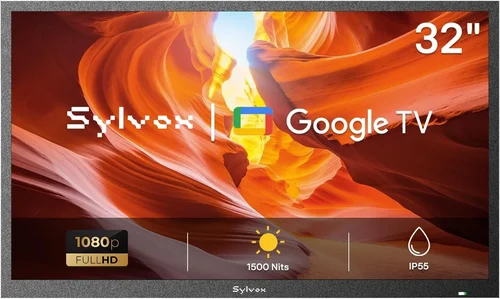
Why it’s bad: Many retailers market standard indoor TVs as suitable for outdoor use if “mounted under cover.” While this might work short-term in a fully enclosed space, it’s a gamble. Indoor TVs lack sealed components, corrosion-resistant coatings, and proper thermal management for outdoor temperatures. Over time, moisture seeps in, circuits corrode, and the TV fails prematurely—often just outside the warranty period.
What to do instead: Only purchase TVs explicitly labeled as “outdoor-rated” or “all-weather.” Verify the IP rating and look for certifications from the manufacturer. If a TV doesn’t mention outdoor use in its official specs, assume it’s not designed for it.
❌ Mistake: Ignoring Brightness Requirements
Why it’s bad: A 300-nit TV might look fine indoors, but outdoors, it’ll appear dim and washed out—even in shade. You’ll strain to see details during daytime events, defeating the purpose of having a TV outside.
What to do instead: Match brightness to your environment. For full sun exposure, choose 1,000+ nits. For partial shade, 700 nits is acceptable. Always check real-world reviews that mention daytime visibility.
❌ Mistake: Overlooking Audio Needs
Why it’s bad: Relying on built-in speakers leads to constant volume adjustments and frustrated guests who can’t hear dialogue over wind or music.
What to do instead: Budget for outdoor speakers or a weatherproof soundbar from day one. Many affordable options (like the Yamaha NS-AW150 or Polk Audio Atrium 4) cost under $200 and dramatically improve the experience.
❌ Mistake: Skimping on Mounting Hardware
Why it’s bad: Using indoor mounts or flimsy brackets outdoors risks the TV falling during high winds or storms—a safety hazard and potential liability.
What to do instead: Invest in a VESA-compatible outdoor mount with stainless steel hardware and weather seals. Brands like Sanus or Vogel’s offer reliable options under $100.
❌ Mistake: Not Planning for Cable Management
Why it’s bad: Exposed cables attract pests, degrade from UV exposure, and create tripping hazards. They also make the setup look messy and unprofessional.
What to do instead: Use conduit raceways or in-wall cable management kits designed for outdoor use. Route power and HDMI cables through sealed channels to protect them and maintain a clean appearance.
❌ Mistake: Assuming All “Budget” TVs Are Equal
Why it’s bad: Some ultra-cheap outdoor TVs cut corners on critical features like sealing, brightness, or smart OS stability, leading to poor performance and early failure.
What to do instead: Stick to reputable brands with proven outdoor models—even at lower price points. Read user reviews focused on long-term durability, not just initial impressions.
❌ Mistake: Neglecting Local Climate Factors
Why it’s bad: A TV rated for mild coastal weather may fail in desert heat or humid subtropical zones due to thermal stress or mold growth.
What to do instead: Research your region’s average temperature range, humidity levels, and storm frequency. Choose a TV with an operating temperature range that exceeds your local extremes (e.g., -22°F to 122°F for most U.S. climates).
Budget Guidelines: How Much Should You Spend?
Entry-Level ($400–$700): This tier includes basic outdoor enclosures paired with mid-range indoor TVs or entry-level sealed models. Expect 43–50 inch screens, 500–700 nits brightness, and limited smart features. Ideal for covered patios with minimal sun exposure. Brands like Seura (basic line) or refurbished SunBrite units often fall here. You’ll need to budget extra for mounting and audio.
Mid-Range ($700–$1,200): The sweet spot for most homeowners. These TVs offer true outdoor sealing, 700–1,000 nits brightness, full smart platforms, and better build quality. Models like the Samsung The Terrace Lite or LG Outdoor Smart TV (partial sun series) deliver excellent value. Includes reliable warranties and decent audio outputs.
Premium ($1,200–$2,000): For enthusiasts who want top-tier performance without commercial pricing. Expect 1,000+ nits, HDR support, premium materials, and advanced cooling. Fully sealed designs handle uncovered installations. Great for poolside bars or high-traffic entertaining zones.
Luxury ($2,000+): Reserved for professionals or those seeking maximum durability and features. Includes 24/7 operation capability, extreme temperature tolerance, and integrated sunshades. Often used in restaurants or luxury homes. Overkill for casual backyard use but unmatched in reliability.
Expert Tips for Getting the Best Deal
- Shop During Off-Seasons: Outdoor TV sales peak in spring and summer. Buy in late fall or winter (November–February) for discounts of 15–30%. Retailers clear inventory before new models launch.
- Check Manufacturer Refurbished Programs: Brands like SunBriteTV and Samsung offer certified refurbished outdoor TVs with full warranties at 20–40% off retail. These are thoroughly tested and often indistinguishable from new units.
- Bundle with Accessories: Some retailers offer package deals including mounts, cables, or speakers. Compare total cost—sometimes bundling saves more than buying separately.
- Use Price Tracking Tools: Set alerts on Amazon, Best Buy, or Google Shopping to catch flash sales. Outdoor TVs rarely drop below MSRP except during major holidays (Black Friday, Prime Day).
- Verify Return Policies: Outdoor installations are harder to reverse than indoor ones. Ensure the seller allows returns within 30 days in case of compatibility or performance issues.
- Test Before Final Mounting: Power on the TV indoors first to confirm all ports, Wi-Fi, and smart features work. Outdoor testing is trickier once mounted.
- Negotiate with Local Installers: Some AV specialists offer discounts if you purchase the TV through them. They may also include free cable management or setup.
- Consider Energy Rebates: A few utility companies offer rebates for ENERGY STAR-certified outdoor electronics—check your provider’s website.

Frequently Asked Questions
Q: Can I use a regular TV outdoors if it’s under a roof?
A: Technically yes—but it’s not recommended for long-term use. Even under cover, humidity, temperature swings, and dust can damage internal components. If you must use an indoor TV, pair it with a high-quality outdoor enclosure (like the Peerless-AV Outdoor Enclosure) and ensure proper ventilation to prevent overheating.
Q: Do outdoor TVs need special power outlets?
A: Not necessarily, but they should be connected to a GFCI (Ground Fault Circuit Interrupter) outlet for safety, especially in damp areas. This protects against electrical shocks if water enters the system. Consult an electrician if your outdoor circuit lacks GFCI protection.
Q: How do I clean an outdoor TV screen?
A: Use a microfiber cloth and distilled water only. Avoid ammonia-based cleaners (like Windex), which can damage anti-glare coatings. For stubborn grime, lightly dampen the cloth—never spray liquid directly on the screen.
Q: Will an outdoor TV work in winter?
A: Yes, if it’s rated for cold climates. Most outdoor TVs operate down to -22°F (-30°C). However, LCD screens may respond slower in extreme cold. Allow the TV to warm up gradually before use.
Q: Can I leave my outdoor TV on all the time?
A: Only if it’s a commercial-grade model designed for 24/7 operation. Consumer outdoor TVs should be turned off when not in use to extend lifespan and save energy. Use a smart plug with scheduling to automate power cycles.
Q: Are outdoor TVs compatible with streaming sticks?
A: Absolutely. Most have HDMI ports that support Fire Stick, Roku, or Chromecast. Just ensure the stick is secured (use adhesive mounts) and the port is accessible for updates.
Q: What’s the difference between partial sun and full sun outdoor TVs?
A: Partial sun models (700–1,000 nits) are for shaded or covered areas with indirect light. Full sun models (1,000+ nits) handle direct sunlight and bright reflections. Using a partial sun TV in full sun results in poor visibility.
Q: Do I need a permit to install an outdoor TV?
A: Usually not for residential use, but check local codes—especially if mounting on a wall shared with a neighbor or near property lines. Structural modifications may require approval.
Q: How long do outdoor TVs typically last?
A: With proper care, 5–8 years is typical. Fully sealed models often outlast indoor TVs due to superior build quality. Avoid placing them in salt-air environments unless specifically rated for coastal use.
Q: Can I connect my outdoor TV to a home automation system?
A: Yes, if it supports HDMI-CEC or IP control. Many smart outdoor TVs integrate with Alexa, Google Home, or Control4 for voice commands and scheduling.
Our Final Recommendations
Best for Budget-Conscious Buyers: Samsung The Terrace Lite (55″) – At around $900, it offers true outdoor sealing, 700 nits brightness, and Tizen OS with robust app support. Perfect for covered patios and delivers reliable performance without premium pricing.
Best Overall Value: SunBriteTV Veranda Series (55″) – Priced near $1,100, this model combines 800 nits brightness, full weatherproofing, and excellent color accuracy. Includes a 3-year warranty and is built in the USA—ideal for serious outdoor entertainers.
Best Premium Option: LG 55″ Outdoor Smart TV (Full Sun Model) – With 1,200 nits, Dolby Vision, and webOS, this TV handles direct sunlight with ease. At $1,600, it’s a splurge but unmatched in picture quality for bright environments.
Best for Beginners: Seura Outdoor TV (43″, Basic) – Simple setup, intuitive interface, and solid build for under $700. Great for first-time outdoor TV owners who want hassle-free installation.
Best for Advanced Users: Peerless-AV Xtreme Outdoor Display (65″) – Modular design, customizable bezels, and extreme durability. Though pricier (~$1,800), it’s perfect for tech-savvy users who want full control over their outdoor AV ecosystem.
Conclusion: Making the Right Choice
Choosing the right budget outdoor TV for your bar or patio doesn’t have to be daunting—if you know what to prioritize. Focus on genuine weather resistance, adequate brightness for your environment, and smart features that enhance usability. Avoid the temptation to cut corners on sealing or mounting, as these decisions impact both safety and longevity. Remember, a slightly higher upfront investment in a quality outdoor-rated model often saves money in the long run by avoiding premature replacements.
Every outdoor space is unique, so tailor your choice to your specific conditions: sun exposure, climate, seating layout, and entertainment habits. Use the guidelines in this article to narrow your options, compare real-world performance, and negotiate the best deal. And don’t forget the supporting cast—good audio, secure mounting, and clean cable management complete the experience.
Ultimately, the best outdoor TV is one that disappears into the background, letting you focus on what matters: great company, good drinks, and unforgettable moments under the open sky. Whether you’re watching the big game, streaming a classic film, or simply enjoying ambient music, your outdoor TV should be a reliable partner in pleasure—not a source of frustration. With the insights from this guide, you’re now equipped to make a confident, informed decision that brings years of enjoyment to your outdoor oasis.

