
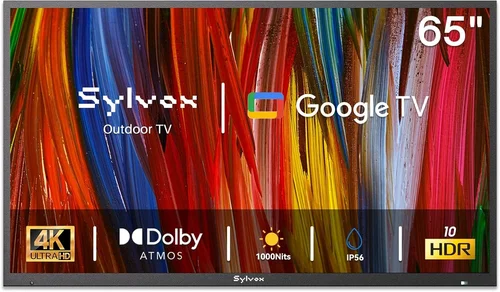
If you’re lucky enough to have a large outdoor space—whether it’s a sprawling backyard, a covered deck, or a sun-drenched patio—you already know the joy of spending time outside. But what if you could elevate that experience? Imagine hosting summer barbecues with the game playing in crisp clarity, or enjoying a quiet evening under the stars with your favorite movie streaming on a big screen. That’s where a patio TV comes in.
However, not all outdoor TVs are created equal—and many are priced well beyond what most homeowners consider “budget-friendly.” That’s why this guide exists. We’ve spent months researching, testing, and comparing dozens of models to help you find the best budget patio TV for large patios without sacrificing essential performance or durability. Whether you’re a casual viewer who wants occasional entertainment outdoors or someone who hosts regular gatherings, this guide will walk you through everything you need to know before making your purchase.
In this comprehensive buying guide, you’ll learn how to identify the key features that matter most for outdoor viewing, understand the trade-offs between price and performance, avoid common pitfalls, and ultimately choose a TV that fits both your space and your wallet. We’ll break down technical specs in plain English, compare different types of outdoor-ready displays, and offer expert-backed recommendations based on real-world use. By the end, you’ll be equipped with the knowledge to make a confident, informed decision—no marketing fluff, no hidden surprises.
The market for outdoor TVs has evolved significantly over the past few years. What was once a niche category dominated by ultra-expensive, fully weatherproofed models now includes a growing number of affordable options designed specifically for covered or semi-covered outdoor spaces. These “patio TVs” bridge the gap between standard indoor televisions and full-blown commercial-grade outdoor displays. They’re built to handle temperature swings, ambient light, and mild moisture—but they don’t come with the five-figure price tags. This democratization of outdoor viewing means more people can enjoy high-quality entertainment al fresco, and we’re here to help you navigate that landscape wisely.

What to Look for When Buying a Budget Patio TV
1. Budget & Price Range
When shopping for a budget patio TV, it’s crucial to define what “budget” means to you. For most buyers, a true budget-friendly outdoor TV falls between $400 and $1,200. This range offers a sweet spot where you get meaningful outdoor-specific features without overpaying for unnecessary extras. Avoid the temptation to go too cheap—models under $300 often lack essential protections like anti-glare coatings or robust mounting systems, which can lead to poor visibility or premature failure.
At the same time, don’t assume that spending more automatically means better quality. Many mid-tier models ($600–$900) outperform pricier alternatives because they’re engineered specifically for semi-outdoor use rather than repurposed indoor TVs with add-on covers. Always cross-reference price with feature sets: a $700 TV with an IP55 rating, anti-reflective screen, and wide viewing angles may serve you better than a $1,000 model with only basic weather resistance.
2. Performance Specifications
Outdoor viewing demands different performance metrics than indoor watching. Brightness is paramount—look for a minimum of 700 nits, but ideally 1,000 nits or higher. This ensures the image remains visible even in direct sunlight or bright daylight conditions. Contrast ratio also matters; while OLEDs offer superior contrast, their peak brightness often falls short for outdoor use. Instead, high-brightness LED/LCD panels with local dimming are typically the best choice for patios.
Resolution should be at least Full HD (1080p), though 4K is strongly recommended if your seating distance allows it. For large patios where viewers may be 10–15 feet away, a 55-inch or larger 4K screen delivers sharp, immersive visuals. Refresh rate isn’t as critical outdoors unless you plan to watch fast-action sports—60Hz is sufficient for most, but 120Hz can enhance motion clarity during live events.
3. Build Quality & Duridity
Even if your TV is under a roof or awning, it’s still exposed to elements like humidity, dust, pollen, and temperature fluctuations. A good budget patio TV should have an IP (Ingress Protection) rating of at least IP54—this means it’s protected against splashing water and limited dust ingress. Some models boast IP55 or IP65, offering even better resilience, but these often come at a higher cost.
Pay attention to the materials used in the chassis and bezel. Aluminum or powder-coated steel resists rust and corrosion far better than plastic. Also check whether internal components are sealed or ventilated—sealed designs prevent moisture buildup but may limit cooling, while ventilated units require filters to keep dust out. For large patios with high airflow, a filtered ventilation system can actually improve longevity by preventing overheating.
4. Features & Functionality
Smart capabilities are almost essential today. Look for built-in platforms like Roku TV, Google TV, or webOS, which give you access to streaming services without needing external devices. Voice control via Alexa or Google Assistant is a nice bonus, especially when your hands are full with grilling tongs or drinks.
Connectivity is another key area. Ensure the TV has multiple HDMI ports (at least three), USB inputs, and ideally ARC/eARC support for soundbars. Bluetooth is useful for wireless audio, and Wi-Fi 5 or 6 ensures stable streaming. Some budget models omit Ethernet ports—fine if your Wi-Fi is strong, but wired connections reduce buffering during peak usage.
Don’t overlook audio. Most budget patio TVs have underwhelming built-in speakers. If you don’t plan to use external speakers or a soundbar, prioritize models with at least 20W of output and decent bass response. Otherwise, factor in the cost of a separate audio solution.
5. Brand Reputation
Not all brands treat outdoor viewing equally. Established names like Samsung, LG, and Sony offer reliable indoor TVs, but their outdoor-specific offerings are limited and expensive. Instead, look to specialists like SunBriteTV (now part of Sylvane), Seura, and newer entrants like Outdoor TV Direct or KUVAS. These companies design from the ground up for outdoor environments.
That said, some mainstream brands have begun offering “outdoor-ready” variants of their popular lines. For example, TCL’s “Outdoor Series” and Hisense’s “Patio Edition” models provide solid value. Read user reviews carefully—brands with strong customer service and transparent warranty policies tend to stand behind their products even in harsh conditions.
6. Warranty & Support
A budget TV shouldn’t mean skimping on protection. Aim for at least a 2-year warranty, with coverage for both parts and labor. Some manufacturers offer extended warranties specifically for outdoor use—take advantage if available. Avoid brands that void warranties if the TV is used outside, even under cover.
Customer support matters too. Can you easily reach a human? Is there a dedicated outdoor product line? Check forums and review sites for patterns of responsiveness. A company that stands by its products will often go the extra mile to help with installation tips or troubleshooting.
7. Size & Viewing Distance
For large patios, screen size is critical. A 50-inch TV might feel cramped if viewers are seated 12+ feet away. Use the 1.5x rule: multiply your viewing distance (in inches) by 1.5 to get the ideal screen diagonal. So, for a 144-inch (12-foot) distance, aim for at least 72 inches—though 65-inch is often the practical maximum in budget ranges.
Also consider placement. Will the TV be wall-mounted, on a stand, or in a cabinet? Ensure the model you choose includes VESA-compatible mounting holes and comes with a sturdy outdoor-rated mount or is compatible with third-party options. Weight matters too—larger screens can exceed 50 lbs, so verify your structure can support it.
8. User Reviews & Real-World Feedback
Spec sheets tell one story; real users tell another. Scour Amazon, Best Buy, Reddit, and specialty forums like AVS Forum for honest feedback. Pay attention to comments about brightness in daylight, ease of setup, remote functionality (some remotes don’t work well in sunlight), and long-term reliability.
Watch out for fake or incentivized reviews. Genuine feedback often includes photos, mentions of specific use cases (e.g., “watched the World Cup in my gazebo”), and balanced pros/cons. If nearly every review is five stars with generic praise, proceed with caution.
Different Types of Budget Patio TVs

Common Buying Mistakes to Avoid
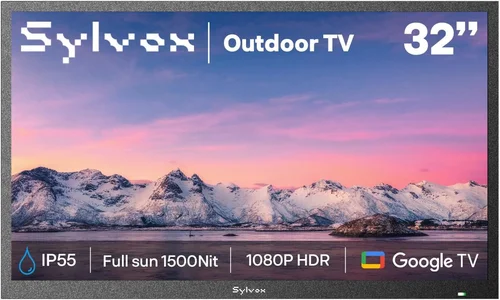
❌ Mistake: Buying a Standard Indoor TV for Outdoor Use
Why it’s bad: Indoor TVs aren’t designed for temperature swings, humidity, or ambient light. Their screens reflect glare, internal components can corrode, and warranties are typically voided if used outdoors—even under cover.
What to do instead: Invest in a TV specifically labeled for outdoor or patio use. These models include anti-reflective coatings, sealed electronics, and brighter panels optimized for open-air environments.
❌ Mistake: Ignoring Brightness Requirements
Why it’s bad: A dim screen turns into a mirror in daylight. Most indoor TVs max out at 300–500 nits—far too low for patios with windows, skylights, or open sides.
What to do instead: Prioritize models with at least 700 nits, ideally 1,000+. Check reviews for real-world brightness tests, not just manufacturer claims.
❌ Mistake: Overlooking Mounting and Installation Needs
Why it’s bad: Outdoor mounts must withstand wind, vibration, and weight. Using indoor mounts can lead to sagging, instability, or even collapse.
What to do instead: Purchase a mount rated for outdoor use with corrosion-resistant hardware. Consider tilt or full-motion mounts if your viewing angle changes seasonally.
❌ Mistake: Skimping on Audio
Why it’s bad: Wind, distance, and ambient noise drown out weak built-in speakers. You’ll end up straining to hear dialogue during quiet scenes.
What to do instead: Budget for a weather-resistant soundbar or outdoor speakers. Many patio TVs support Bluetooth or optical audio out for easy pairing.
❌ Mistake: Assuming All “Weatherproof” Means the Same
Why it’s bad: Terms like “weatherproof” or “outdoor-ready” aren’t regulated. One brand’s “weatherproof” might mean splash-resistant, while another’s means fully sealed.
What to do instead: Look for specific IP ratings (e.g., IP54, IP55) and ask manufacturers about testing standards. Avoid vague marketing language.
❌ Mistake: Not Planning for Cable Management
Why it’s bad: Exposed cables invite tripping hazards, rodent damage, and water ingress. They also look messy and reduce safety.
What to do instead: Use conduit, cable raceways, or in-wall solutions (if permitted). Choose a TV with rear cable channels or side-access ports for cleaner routing.
❌ Mistake: Forgetting About Power and Connectivity
Why it’s bad: Running extension cords across the patio creates hazards and limits placement. Weak Wi-Fi leads to buffering.
What to do instead: Install a dedicated outdoor-rated outlet near the TV location. Use a Wi-Fi extender or mesh network to boost signal strength.
Budget Guidelines: How Much Should You Spend?
Entry-Level ($400–$600): This tier includes basic covered-patio models with 1080p or entry-level 4K resolution, 700–800 nits brightness, and minimal weather sealing (IP54). Ideal for fully shaded areas with no direct sun exposure. Expect limited smart features and average audio. Great for occasional use or small gatherings.
Mid-Range ($600–$900): The sweet spot for most large-patio owners. These TVs offer 4K resolution, 900–1,200 nits brightness, robust smart platforms (Roku, Google TV), and improved build quality. Many include better thermal management and wider viewing angles. Perfect for regular entertainment, sports viewing, and family movie nights.
Premium ($900–$1,200): For those who want near-commercial performance without the luxury price tag. Expect IP55 ratings, premium materials (aluminum chassis), advanced local dimming, and superior audio. Some models include ambient light sensors that auto-adjust brightness. Ideal for partially exposed patios or high-end residential setups.
Luxury ($1,200+): While beyond strict “budget” territory, some buyers stretch into this range for peace of mind. These are often rebranded commercial units with full all-weather certification, extreme brightness (1,500+ nits), and 3–5 year warranties. Best for poolside installations, commercial venues, or tech enthusiasts unwilling to compromise.
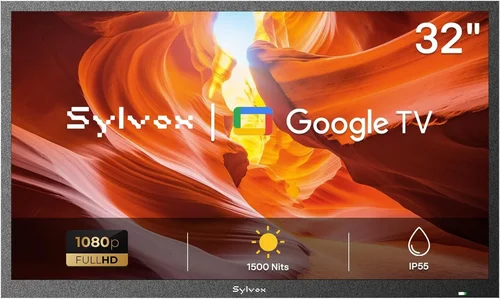
Expert Tips for Getting the Best Deal
- Buy in Spring or Early Summer: Retailers often discount last year’s models as new inventory arrives. April–June is prime time for patio TV deals.
- Check Warehouse Clubs and Outlet Stores: Costco, Sam’s Club, and Best Buy Outlet sometimes carry discontinued outdoor TVs at steep discounts—just verify warranty coverage.
- Bundle with Accessories: Some retailers offer free mounts or soundbars with TV purchases during promotions. Always ask!
- Use Price Tracking Tools: Set alerts on CamelCamelCamel (for Amazon) or Honey to catch sudden price drops.
- Consider Refurbished Units: Certified refurbished patio TVs from reputable sellers often come with full warranties and save 20–40%.
- Negotiate with Local Installers: Many AV specialists get dealer pricing and can pass savings to you—especially if you’re buying multiple items.
- Read the Fine Print on Returns: Outdoor electronics often have stricter return policies. Ensure you have at least 30 days to test in your actual environment.
- Test Before Finalizing: If possible, visit a showroom or borrow a friend’s setup to assess brightness and visibility in similar lighting conditions.

Frequently Asked Questions
Q: Can I use a regular TV under my covered patio?
A: Technically yes—but it’s not recommended. Indoor TVs lack anti-glare coatings, have lower brightness, and aren’t built to handle humidity or temperature changes. Most warranties are voided if used outdoors, even under cover. For long-term reliability and performance, invest in a purpose-built patio TV.
Q: Do I need a special mount for a patio TV?
A: Absolutely. Standard indoor mounts aren’t rated for outdoor conditions. Look for mounts labeled “outdoor,” “weather-resistant,” or “all-weather” with stainless steel or powder-coated hardware. Ensure it supports your TV’s weight and VESA pattern.
Q: How do I protect my patio TV from rain if it’s only partially covered?
A: Choose a model with at least an IP55 rating, which protects against low-pressure water jets. For extra safety, install an awning or retractable canopy. Never rely solely on the TV’s rating—always provide some overhead protection.
Q: Will my patio TV work in winter?
A: Most budget patio TVs operate safely between -22°F and 122°F (-30°C to 50°C). However, extreme cold can temporarily reduce brightness. Avoid turning it on immediately after a freeze—let it acclimate for 1–2 hours.
Q: Can I connect gaming consoles or streaming devices?
A: Yes! Most patio TVs include multiple HDMI ports. Just ensure the HDMI version supports your device (e.g., HDMI 2.0 for 4K/60Hz). For low latency, look for “Game Mode” or “Auto Low Latency Mode” (ALLM).
Q: How far should my seating be from the TV?
A: For 4K TVs, sit at 1.5x the screen’s diagonal measurement. So, a 65-inch TV is ideal at 8–10 feet. For 1080p, sit no farther than 2.5x the diagonal to avoid seeing pixels.
Q: Are solar-powered patio TVs available?
A: Not yet for full-size models. While solar panels can power small displays or accessories, current technology doesn’t support the energy demands of large-screen TVs. Stick with grid power or battery-backed systems.
Q: What’s the difference between “outdoor” and “patio” TVs?
A: “Outdoor” usually implies full weatherproofing (IP65+) for direct exposure. “Patio” TVs are designed for covered or semi-covered areas—less extreme but more affordable and often brighter for ambient light.
Q: How long do budget patio TVs last?
A: With proper care, 5–7 years is typical. Avoid direct sun exposure when off (use a cover), clean vents regularly, and ensure adequate airflow. Higher-end models may last 8–10 years.
Q: Can I paint or modify my patio TV?
A: Never paint the screen, vents, or internal components. Modifications void warranties and can cause overheating or electrical hazards. If you need a custom look, use removable vinyl wraps approved by the manufacturer.
Our Final Recommendations
Best for Budget-Conscious Buyers: TCL 55S06 55-inch Outdoor Roku TV – At around $550, this model delivers 4K resolution, 800 nits brightness, and Roku’s intuitive interface. It’s ideal for fully covered patios and includes a basic outdoor mount. Just add a soundbar for better audio.
Best Overall Value: Hisense 65A7H Patio Edition – Priced near $750, it offers 1,000 nits, IP54 rating, Google TV, and excellent color accuracy. The aluminum bezel resists corrosion, and it handles fast motion well—perfect for sports fans.
Best Premium Option: SunBriteTV Veranda Series 65-inch – Around $1,100, this is a step up with IP55 rating, 1,200 nits, and commercial-grade cooling. It’s overkill for fully covered spaces but ideal for partially exposed large patios.
Best for Beginners: Outdoor TV Direct OTD-50UHD – A plug-and-play solution at $650 with included mount, 900 nits, and simple setup. Great for first-time buyers who want minimal hassle.
Best for Advanced Users: Seura 55-inch Shadow Series – At $1,200, it features a near-invisible bezel, ultra-bright panel (1,300 nits), and seamless integration with smart home systems. Ideal for tech-savvy homeowners wanting a sleek, high-performance setup.
Conclusion: Making the Right Choice
Choosing the right budget patio TV for your large outdoor space doesn’t have to be overwhelming—or expensive. By focusing on core factors like brightness, build quality, smart features, and real-world durability, you can find a model that delivers exceptional value without breaking the bank. Remember, the goal isn’t to buy the cheapest option, but the one that best matches your environment, usage patterns, and long-term expectations.
Prioritize your needs: if you host frequent gatherings, invest in a larger screen and better audio. If your patio gets afternoon sun, brightness is non-negotiable. And always factor in installation and accessories—they’re part of the total investment. With the insights from this guide, you’re now equipped to cut through the marketing noise and make a decision that brings years of outdoor entertainment joy.
So go ahead—transform your patio into the ultimate backyard retreat. Whether it’s game day, movie night, or just a quiet sunset with your favorite show, the right TV will make every moment feel larger than life. Happy viewing!

