
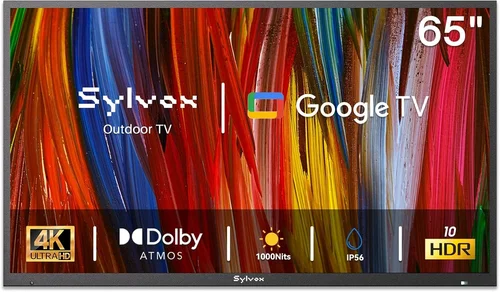
Outdoor kitchens have evolved from simple grilling stations into fully functional, year-round entertainment spaces. Whether you’re hosting summer barbecues, watching the big game under string lights, or enjoying a quiet dinner al fresco, having a reliable TV in your outdoor kitchen can transform the experience. But unlike indoor TVs, patio TVs face unique challenges—harsh sunlight, humidity, temperature swings, and even occasional rain. That’s why choosing the right budget-friendly outdoor TV requires more than just picking the cheapest screen you can find.
This comprehensive guide is designed to help you navigate the often-confusing world of outdoor televisions without overspending. We’ll walk you through everything you need to know—from essential performance specs and weatherproofing standards to smart features and installation tips—so you can make a confident, informed decision. Whether you’re building your first outdoor kitchen or upgrading an existing setup, this guide will ensure you get the best value for your money while avoiding costly mistakes.
The market for outdoor TVs has grown significantly in recent years, with more manufacturers offering affordable options that don’t sacrifice durability or picture quality. However, not all “outdoor-ready” TVs are created equal. Some are merely indoor models marketed for outdoor use (a red flag!), while others are purpose-built for the elements but come with premium price tags. Our goal is to help you find that sweet spot: a high-performing, weather-resistant TV that fits your budget and enhances your outdoor lifestyle. By the end of this guide, you’ll know exactly what to look for, what to avoid, and how to get the most bang for your buck.

What to Look for When Buying Buying Guide
1. Budget & Price Range
Setting a realistic budget is the first step toward finding the right patio TV. Outdoor TVs typically cost more than their indoor counterparts due to specialized engineering for weather resistance, brighter displays, and ruggedized components. However, “budget” doesn’t have to mean “low quality.” With smart shopping, you can find excellent options under $1,000 that still deliver solid performance and durability.
When determining your budget, consider not just the TV itself but also mounting hardware, cables, and potential installation costs. A TV priced at $600 might seem like a steal—until you realize it requires a $200 outdoor-rated mount and $100 in weatherproof conduit for wiring. Factor in these extras early to avoid surprise expenses.
2. Performance Specifications
Not all TVs perform equally well in bright outdoor environments. Key specs to prioritize include brightness (measured in nits), contrast ratio, refresh rate, and resolution. For outdoor use, brightness is arguably the most critical factor. Indoor TVs typically range from 300 to 500 nits, but even on a cloudy day, ambient light in an outdoor kitchen can exceed 1,000 nits. To combat glare and maintain visibility, look for a minimum of 700 nits—though 1,000+ nits is ideal for sunny patios.
Resolution should be at least Full HD (1080p), but 4K UHD is becoming the standard even in budget models. A higher resolution ensures crisp details, especially if you plan to sit closer to the screen or stream high-definition content. Refresh rate matters too: 60Hz is acceptable for casual viewing, but 120Hz reduces motion blur during fast-paced sports or action movies.
Don’t overlook color accuracy and viewing angles. OLED panels offer superior contrast and color but are rarely found in budget outdoor TVs due to cost and burn-in risks in static outdoor displays. Instead, look for IPS or VA panels with wide viewing angles (178 degrees) so everyone around your outdoor kitchen can enjoy the show without color distortion.
3. Build Quality & Durability
An outdoor TV must withstand more than just rain—it needs to resist UV rays, temperature extremes, dust, and humidity. The best way to assess durability is by checking the IP (Ingress Protection) rating. For outdoor use, aim for at least IP55 (protects against dust and water jets) or IP65 (dust-tight and protected against low-pressure water sprays). Avoid TVs with no IP rating—they’re not truly outdoor-ready.
Materials matter too. Aluminum or powder-coated steel housings resist rust and corrosion better than plastic. Sealed ports and connectors prevent moisture ingress, which can cause short circuits or audio issues over time. Also, check if the TV includes a protective glass layer over the screen—this helps reduce reflections and adds scratch resistance.
Temperature tolerance is another often-overlooked factor. Most outdoor TVs operate safely between -22°F and 122°F (-30°C to 50°C). If you live in an area with extreme winters or scorching summers, verify the manufacturer’s operating range before purchasing.
4. Features & Functionality
Modern budget outdoor TVs pack impressive features that rival indoor models. Smart TV platforms like Roku TV, Android TV, or webOS allow seamless streaming from Netflix, YouTube, Hulu, and more—no need for external devices. Voice control via Alexa or Google Assistant adds convenience, especially when your hands are busy cooking or handling drinks.
Connectivity is crucial. Ensure the TV has multiple HDMI ports (at least two), USB inputs, and Wi-Fi/Bluetooth support. Some models include built-in speakers, but for an immersive outdoor experience, consider connecting to weather-resistant Bluetooth speakers or a soundbar. Look for ARC (Audio Return Channel) support if you plan to use an external audio system.
Anti-glare and anti-reflective coatings are non-negotiable for sunny patios. These coatings diffuse ambient light, making the image visible even at midday. Additionally, some budget models now include ambient light sensors that automatically adjust brightness based on surrounding conditions—a handy feature that saves energy and improves visibility.
5. Brand Reputation
Not all brands are equally committed to outdoor innovation. Established names like Samsung, LG, and Sony offer reliable products but often at premium prices. However, several lesser-known brands specialize in outdoor electronics and deliver excellent value. Companies like SunBriteTV (now part of SnapAV), Seura, and Peerless-AV are leaders in the outdoor TV space, but their models tend to be expensive.
For budget-conscious buyers, consider brands like TCL, Hisense, or Vizio—they’ve expanded into outdoor-friendly models with solid build quality and smart features. Read customer reviews on Amazon, Best Buy, or Home Depot to gauge real-world reliability. Pay attention to comments about long-term durability, customer service responsiveness, and ease of setup.
Avoid generic or no-name brands sold exclusively through third-party Amazon sellers. These often lack proper certifications, warranties, or replacement parts. If a brand doesn’t have an official website or customer support line, proceed with caution.
6. Warranty & Support
A good warranty can save you hundreds in repair or replacement costs. Most reputable outdoor TV manufacturers offer at least a one-year limited warranty, but some extend coverage to two or three years. Look for warranties that cover both parts and labor, and check whether they include on-site service—especially important for wall-mounted units.
Support matters too. Can you easily reach customer service by phone or chat? Are troubleshooting guides and installation manuals available online? Brands with strong support ecosystems (like TCL’s dedicated outdoor TV support page) make ownership much smoother.
Be wary of “lifetime” warranties—they’re often misleading and come with fine-print exclusions. Stick to clearly defined terms. Also, register your product immediately after purchase to activate warranty coverage.
7. Size & Portability
Screen size should match your viewing distance and space constraints. For most outdoor kitchens, a 43-inch to 55-inch TV strikes the perfect balance between visibility and footprint. Measure your mounting area carefully—don’t forget to account for bezels and ventilation clearance (at least 2–3 inches on all sides).
If your outdoor kitchen is small or multi-functional, consider a portable outdoor TV with wheels or a lightweight design. Some models come with integrated stands or optional rolling carts, allowing you to move the TV between the patio, poolside, or garage. However, portability often sacrifices durability, so ensure the unit still meets IP ratings and temperature specs.
Wall mounting is the most common setup. Use a full-motion articulating mount if you want to angle the TV for different seating areas. Ceiling mounts work well under covered patios but require professional installation in most cases.
8. User Reviews & Ratings
Never buy an outdoor TV based solely on specs or marketing claims. Real user feedback reveals hidden flaws—like poor Wi-Fi range, flimsy remotes, or inconsistent brightness. Check verified purchase reviews on major retailers and cross-reference with forums like Reddit’s r/outdoortv or AV-focused communities.
Look for patterns in complaints. If multiple users report the same issue (e.g., “screen fades after six months” or “HDMI ports loosen over time”), it’s likely a design flaw. Conversely, consistent praise for ease of setup, picture clarity in sunlight, or responsive customer service are strong indicators of a quality product.
Pay attention to long-term reviews (6+ months after purchase). Outdoor conditions accelerate wear, so durability insights from seasoned owners are invaluable.
Different Types of Buying Guide

Common Buying Mistakes to Avoid
❌ Mistake: Buying an Indoor TV for Outdoor Use
Why it’s bad: Indoor TVs lack weatherproofing, UV protection, and sufficient brightness. Exposure to moisture can cause immediate failure, and sunlight will wash out the picture within weeks. Most indoor TVs also aren’t rated for temperature extremes, leading to premature component failure.
What to do instead: Only purchase TVs explicitly labeled for outdoor or all-weather use. Check for IP ratings and outdoor certifications. If a product description says “suitable for covered patios” but lacks an IP rating, it’s likely an indoor model repackaged for outdoor marketing.
❌ Mistake: Ignoring Brightness Requirements
Why it’s bad: A dim screen turns your outdoor movie night into a guessing game. Even under partial shade, ambient light can overwhelm a standard 400-nit display, making colors appear washed out and details invisible.
What to do instead: Prioritize brightness—aim for at least 700 nits, but 1,000+ is ideal. Look for terms like “high-brightness LED” or “sunlight-readable” in the specs. Some manufacturers list “outdoor luminance” separately from standard brightness—pay attention to this metric.
❌ Mistake: Overlooking Ventilation Needs
Why it’s bad: Outdoor TVs generate heat, and without proper airflow, internal components can overheat—especially in enclosed cabinets or direct sunlight. Overheating reduces lifespan and can trigger automatic shutdowns during peak usage.
What to do instead: Ensure at least 2–3 inches of clearance on all sides when mounting. Avoid sealing the TV in a cabinet unless it’s specifically designed for ventilation. Use mesh-backed enclosures if needed, and never block ventilation grilles.
❌ Mistake: Skimping on Mounting Hardware
Why it’s bad: Standard indoor mounts aren’t built to handle outdoor conditions. Rust, wind load, and thermal expansion can cause mounts to fail, risking damage to your TV and potential injury.
What to do instead: Invest in a weather-resistant, outdoor-rated mount from reputable brands like Sanus, Peerless, or Vogel’s. Look for powder-coated finishes, stainless steel hardware, and weight ratings that exceed your TV’s specs by at least 25%.
❌ Mistake: Neglecting Cable Management
Why it’s bad: Exposed cables are vulnerable to UV degradation, animal chewing, and water damage. Loose wires can also create tripping hazards or interfere with grill covers and cabinet doors.
What to do instead: Use UV-resistant, outdoor-rated HDMI and power cables. Run wires through conduit or cable raceways rated for exterior use. Seal all connections with silicone or waterproof tape to prevent moisture ingress.
❌ Mistake: Assuming All “Smart” Features Work Outdoors
Why it’s bad: Wi-Fi signals weaken outdoors due to distance from routers and interference from structures. Voice assistants may struggle with background noise from grills, wind, or music.
What to do instead: Use a Wi-Fi extender or mesh network node near your patio. Test voice commands before relying on them. Consider using a physical remote with backlighting for easier use in low light.
❌ Mistake: Forgetting About Theft Deterrence
Why it’s bad: Outdoor TVs are tempting targets for thieves, especially in visible or accessible areas. A stolen TV means losing your investment and disrupting your entertainment setup.
What to do instead: Use security screws or locking mounts. Install motion-sensor lights or cameras nearby. Consider removable models that can be stored indoors when not in use.
Budget Guidelines: How Much Should You Spend?
Entry-Level ($400–$700): This tier includes basic covered-patio models or indoor TVs paired with third-party enclosures. Expect 1080p or 4K resolution, 700–900 nits brightness, and limited smart features. Build quality is adequate for sheltered areas but may degrade faster in harsh conditions. Ideal for occasional use under solid roofs.
Mid-Range ($700–$1,200): The sweet spot for most homeowners. These TVs offer 1,000+ nits brightness, IP55 or higher ratings, robust smart platforms, and reliable durability. Brands like TCL and Hisense dominate this space with models that balance performance and value. Perfect for pergolas, screened patios, or areas with partial sun exposure.
Premium ($1,200–$2,000): Designed for full outdoor exposure, these models feature all-weather construction, anti-reflective coatings, and advanced cooling systems. Expect longer warranties, better customer support, and superior brightness (1,500+ nits). Great for open patios, pool decks, or regions with extreme weather.
Luxury ($2,000+): Reserved for commercial applications or enthusiasts who demand the best. These include ultra-bright commercial displays, custom installations, and 24/7 operation capabilities. Overkill for most residential kitchens but worth considering for high-end outdoor entertainment zones.
Expert Tips for Getting the Best Deal
- Shop during seasonal sales: Look for discounts in late winter (February–March) when retailers clear out old inventory, or during Black Friday/Cyber Monday for deep cuts on newer models.
- Buy from authorized dealers: Avoid gray-market sellers. Authorized retailers honor warranties and provide reliable support. Check the manufacturer’s website for a list of approved sellers.
- Bundle with installation: Some home improvement stores (like Lowe’s or Home Depot) offer free or discounted installation with TV purchase—factor this into your total cost.
- Check return policies: Ensure you have at least 30 days to test the TV in your actual outdoor environment. Picture quality can vary significantly from showroom conditions.
- Negotiate extended warranties: If buying in-store, ask if the warranty can be extended at a discount. Sometimes sales associates have flexibility.
- Consider refurbished models: Certified refurbished outdoor TVs from the manufacturer often come with full warranties and can save 20–30% off retail.
- Read the fine print on “outdoor” claims: If a TV doesn’t specify an IP rating or operating temperature range, it’s likely not truly outdoor-ready.
- Test brightness in person: If possible, view the TV in a bright showroom or ask the retailer if you can simulate outdoor lighting conditions.

Frequently Asked Questions
Q: Can I use a regular TV outdoors if it’s under a roof?
A: Technically yes, but it’s not recommended long-term. Even under cover, humidity, temperature swings, and indirect sunlight can damage internal components. For true peace of mind and longevity, invest in a purpose-built outdoor TV or use a certified outdoor enclosure.
Q: Do outdoor TVs consume more power?
A: Yes, due to higher brightness levels. Expect 20–40% higher energy use than comparable indoor models. Look for ENERGY STAR-certified outdoor TVs to minimize impact on your electricity bill.
Q: How do I protect my outdoor TV from rain?
A: Choose a model with an IP55 or higher rating. Ensure all ports are sealed, and use a weatherproof cover when the TV is off for extended periods (e.g., winter storage). Never spray water directly on the screen.
Q: Will my outdoor TV work in winter?
A: Most outdoor TVs operate down to -22°F (-30°C). However, LCD screens may respond slower in extreme cold. Allow the TV to warm up gradually before use in freezing conditions.
Q: Can I mount my outdoor TV on a brick or concrete wall?
A: Absolutely—but use appropriate anchors and a heavy-duty mount. Consult a professional if you’re unsure about wall integrity or drilling into masonry.
Q: Do I need special HDMI cables for outdoor use?
A: Standard HDMI cables work, but for runs over 25 feet or exposed to elements, use outdoor-rated, UV-resistant cables with protective jackets.
Q: How often should I clean my outdoor TV?
A: Wipe the screen and housing monthly with a microfiber cloth and mild cleaner. Avoid ammonia-based products, which can damage anti-reflective coatings.
Q: Are outdoor TVs compatible with streaming devices?
A: Yes—most have built-in smart platforms. But if yours lacks apps, you can connect a Roku, Fire Stick, or Apple TV using an outdoor-rated HDMI extender.
Q: What’s the average lifespan of an outdoor TV?
A: With proper care, 5–8 years is typical. Premium models may last longer. Avoid leaving the TV on 24/7, as continuous operation accelerates wear.
Q: Can I use my outdoor TV as a computer monitor?
A: Yes, via HDMI. However, ensure the TV supports the resolution and refresh rate your computer outputs. Some outdoor models have input lag that may affect gaming performance.
Our Final Recommendations
Best for Budget-Conscious Buyers: TCL 55S555 55-inch 4K UHD Outdoor TV – At around $650, this model delivers 1,000 nits brightness, Roku TV integration, and IP55 rating. Ideal for covered patios with occasional sun exposure.
Best Overall Value: Hisense 50R7G 50-inch Outdoor Roku TV – Priced under $800, it offers 4K HDR, 1,200 nits brightness, and excellent color accuracy. The aluminum chassis resists corrosion, and the included wall mount simplifies installation.
Best Premium Option: SunBriteTV Veranda Series 55-inch – Though pricier (~$1,800), it’s built for full exposure with IP65 rating, 2,000 nits brightness, and a 3-year warranty. Perfect for open-air kitchens in sunny climates.
Best for Beginners: Vizio D-Series 43-inch Outdoor Smart TV – User-friendly interface, solid 900 nits brightness, and straightforward setup make this a great entry point. Comes with a basic outdoor mount.
Best for Advanced Users: Peerless-AV Xtreme 65-inch All-Weather Display – Commercial-grade durability, modular design, and customizable mounting options suit tech-savvy users who want maximum control and longevity.
Conclusion: Making the Right Choice
Choosing a budget patio TV for your outdoor kitchen doesn’t have to be overwhelming—or expensive. By focusing on key factors like brightness, weather resistance, build quality, and smart features, you can find a TV that enhances your outdoor living space without breaking the bank. Remember, the cheapest option isn’t always the best value; investing in a properly rated outdoor TV saves money and frustration in the long run.
Prioritize your specific needs: Are you under a solid roof or fully exposed? Do you watch mostly sports or movies? How often will you use it? Answering these questions will guide you toward the right model. And don’t forget the extras—mounts, cables, and warranties—that complete the setup.
With the insights from this guide, you’re now equipped to shop confidently, avoid common pitfalls, and enjoy years of entertainment under the open sky. So fire up the grill, invite some friends over, and press play—your perfect outdoor TV experience awaits.

