
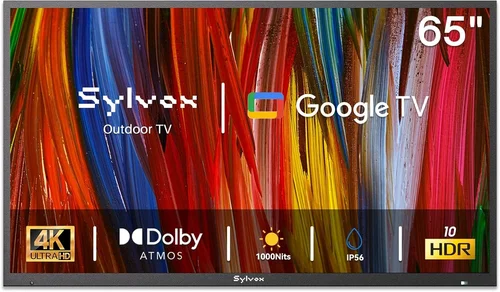
Outdoor entertaining has evolved dramatically over the past decade. What once meant huddling around a small, weather-beaten TV under a covered patio has transformed into full-scale outdoor entertainment zones—complete with outdoor bars, grills, sound systems, and high-definition televisions built to withstand the elements. Whether you’re hosting game nights, summer barbecues, or just unwinding after a long day with a cold drink in hand, having a reliable outdoor TV at your bar setup can elevate the entire experience.
But here’s the catch: not all TVs are created equal when it comes to outdoor use. Standard indoor televisions may look great on paper, but they’re not designed to handle temperature swings, humidity, direct sunlight, or dust—all common challenges in an outdoor bar environment. That’s why choosing the right budget outdoor TV requires more than just comparing screen sizes and prices. It demands a deep understanding of what makes an outdoor TV truly functional, durable, and worth your investment.
This comprehensive buying guide is designed to help you navigate the often-confusing world of outdoor televisions—especially if you’re working within a budget. Whether you’re building your first outdoor bar or upgrading an existing setup, we’ll walk you through every critical factor you need to consider, from performance specs and build quality to smart features and warranty coverage. By the end of this guide, you’ll have the knowledge and confidence to pick the best outdoor TV for your space without overspending or compromising on essential features. We’ll also debunk common myths, highlight frequent buying mistakes, and share expert tips to help you get the most value for your money.
The market for outdoor TVs has expanded significantly in recent years, with more brands entering the space and prices becoming increasingly competitive. While premium models from companies like SunBrite and Seura still dominate the high-end segment, several budget-friendly options now offer impressive performance and durability at a fraction of the cost. These affordable alternatives are ideal for homeowners who want to enjoy outdoor viewing without breaking the bank. However, the lower price point often comes with trade-offs—so knowing what to prioritize is key. This guide will help you identify which features matter most for your specific needs, whether you’re looking for something simple and reliable or a feature-packed smart TV that doubles as the centerpiece of your outdoor bar.

What to Look for When Buying Buying Guide
1. Budget & Price Range
When shopping for a budget outdoor TV, your first and most important decision is setting a realistic price range. Outdoor TVs are inherently more expensive than their indoor counterparts due to specialized construction, weatherproofing, and enhanced brightness. However, “budget” doesn’t have to mean “low quality.” With careful research, you can find excellent options under $1,000 that deliver solid performance and durability.
Start by determining how much you’re willing to spend. For most outdoor bar setups, a TV in the $500–$900 range offers the best balance of affordability and functionality. At this price point, you’ll typically get Full HD or 4K resolution, basic weather resistance, and smart TV capabilities. Avoid going below $400 unless you’re only using the TV occasionally in a fully covered, climate-controlled area—even then, cheaper models often lack the brightness and durability needed for true outdoor use.
Keep in mind that the total cost includes more than just the TV itself. You’ll also need to factor in mounting hardware (outdoor-rated brackets are essential), potential installation fees, and possibly a protective cover or enclosure if your model isn’t fully weatherproof. Some budget models may require additional accessories to perform optimally outdoors, so always read the fine print.
2. Performance Specifications
Performance specs are where many budget outdoor TVs fall short—but they don’t have to. The key metrics to focus on are resolution, brightness (measured in nits), refresh rate, and contrast ratio. For outdoor use, brightness is arguably the most critical spec. Indoor TVs typically range from 250 to 400 nits, which is fine for dimly lit rooms but completely inadequate in daylight. An outdoor TV should deliver at least 700 nits, with 1,000+ nits being ideal for areas with direct sunlight.
Resolution-wise, aim for at least Full HD (1920×1080). While 4K is becoming more common even in budget models, it’s less critical outdoors due to typical viewing distances and ambient light washing out fine details. That said, if you plan to sit close to the screen or want future-proofing, a 4K model under $800 is now achievable.
Refresh rate matters for sports and fast-action content. A 60Hz panel is standard and sufficient for most viewers, but if you’re a sports fan hosting game-day gatherings, look for 120Hz support—though this is rare in true budget outdoor TVs. Contrast ratio affects how deep blacks appear; higher ratios (like 3000:1 or better) improve image quality in shaded areas.
Also check input lag if you plan to connect gaming consoles. Anything under 30ms is excellent for casual gaming, while competitive players may want under 15ms—but again, this is less common in budget outdoor models.
3. Build Quality & Duridity
Durability isn’t optional when it comes to outdoor TVs—it’s mandatory. Your TV will be exposed to rain, snow, dust, UV rays, and temperature extremes. Standard TVs aren’t sealed against moisture or designed to dissipate heat efficiently in enclosed spaces, making them prone to failure outdoors.
Look for TVs with an IP (Ingress Protection) rating. IP55 or higher means the unit is protected against dust and water jets—ideal for most outdoor bars. Some budget models advertise “weather-resistant” enclosures, but these are often just plastic shells that don’t offer full protection. True outdoor TVs have sealed ports, rust-proof materials, and internal cooling systems.
Materials matter too. Aluminum or powder-coated steel frames resist corrosion better than plastic. Check the back panel and stand—if they feel flimsy or use thin plastic, the TV may not last more than a season or two. Also, ensure the screen itself is made of tempered glass or has an anti-glare coating to reduce reflections in bright conditions.
Finally, consider ventilation. Even budget outdoor TVs should have passive cooling vents or built-in fans to prevent overheating. Avoid models that rely solely on passive heat dissipation if your bar is in a hot climate or enclosed space.
4. Features & Functionality
Modern outdoor TVs come packed with smart features, but not all are equally useful in an outdoor setting. Start with operating system compatibility. Most budget models run Android TV, Roku, or webOS, each with its own app ecosystem. Android TV offers the widest app selection, while Roku is known for simplicity and reliability. Make sure your preferred streaming services (Netflix, YouTube, Hulu, etc.) are supported.
Voice control via Google Assistant or Alexa is a nice-to-have, especially if you’re entertaining and don’t want to fumble with remotes. Built-in Wi-Fi (dual-band 2.4GHz/5GHz) is essential for smooth streaming. Bluetooth support allows you to connect wireless headphones or speakers—a great feature for late-night viewing without disturbing neighbors.
HDMI ports are crucial. Aim for at least two HDMI 2.0 inputs to connect a streaming device, game console, or cable box. USB ports let you play media files directly from a flash drive. Some models include optical audio out for connecting external soundbars—highly recommended, as built-in speakers on outdoor TVs are often weak.
One often-overlooked feature is remote control design. Outdoor remotes should be backlit or glow-in-the-dark for nighttime use. Some budget models include basic IR remotes that require line-of-sight, which can be frustrating in bright daylight. Look for RF (radio frequency) remotes if possible—they work through walls and in direct sun.
5. Brand Reputation
Not all budget outdoor TV brands are created equal. While big names like Samsung and LG dominate the indoor market, they offer limited outdoor-specific models—and those tend to be pricey. Instead, focus on brands that specialize in or have strong reputations for outdoor electronics.
SunBriteTV is the gold standard in outdoor TVs, but their products start around $1,500—well beyond budget range. However, brands like Seura, Avtex, and Sylvane offer more affordable options without sacrificing core durability. Emerging brands such as Outdoor Theater, Koda, and RCA have also entered the budget segment with surprisingly capable models.
Research customer reviews on trusted platforms like Amazon, Best Buy, and Home Depot. Pay attention to comments about longevity, customer service, and real-world performance in various climates. A brand with consistently positive feedback over 2–3 years is more reliable than one with flashy ads but spotty reviews.
Avoid no-name brands sold exclusively through third-party Amazon sellers. These often use misleading descriptions (“outdoor-ready” doesn’t mean “fully weatherproof”) and disappear after a few months, leaving you without support.
6. Warranty & Support
A solid warranty is your safety net when investing in any electronic device—especially one exposed to the elements. Most reputable outdoor TV manufacturers offer at least a 1-year limited warranty, covering defects and workmanship. Some extend this to 2 or even 3 years, which is a strong indicator of confidence in their product.
Read the warranty terms carefully. Many exclude damage from “acts of nature” like lightning strikes or flooding—even if the TV is rated for outdoor use. Others require professional installation to remain valid. If you’re handy, this might not be an issue, but if you hire an installer, keep receipts.
Customer support responsiveness is just as important. Test the brand’s support before buying by sending a pre-purchase question via email or live chat. If they take days to respond or give vague answers, consider it a red flag. Brands like Sylvane and Avtex are known for excellent post-sale support, including troubleshooting guides and replacement part availability.
Also check if the warranty is transferable. This matters if you ever sell your home or repurpose the TV.
7. Size & Viewing Distance
Choosing the right screen size depends on your outdoor bar layout and typical seating arrangement. A common mistake is going too big or too small. For most backyard bars, a 43-inch to 55-inch TV is ideal. Smaller screens (32–40 inches) work for compact spaces or secondary viewing areas, while 65-inch models are best for large patios with seating 8–10 feet away.
Use the 1.5x rule as a guideline: multiply your viewing distance (in inches) by 1.5 to get the recommended screen diagonal. For example, if viewers sit 6 feet (72 inches) away, a 48-inch TV (72 ÷ 1.5 = 48) is perfect. Going larger can cause eye strain; going smaller reduces immersion.
Consider bezel size too. Thick bezels can make a 50-inch TV feel smaller, especially in bright light. Slim bezels improve the viewing experience and give a more modern look.
Portability isn’t usually a concern for fixed outdoor bar setups, but if you plan to move the TV between locations (e.g., from patio to garage), look for lightweight models with built-in handles or compatible mobile stands.
8. User Reviews & Ratings
Never buy an outdoor TV based solely on specs or marketing claims. Real-world user reviews provide invaluable insights into long-term reliability, ease of setup, and performance in actual outdoor conditions. Focus on verified purchase reviews with photos or videos—these are harder to fake.
Look for patterns in feedback. If multiple users mention the same issue—like poor brightness on sunny days, Wi-Fi dropouts, or rust after one season—it’s likely a genuine flaw. Conversely, consistent praise for image quality, durability, or customer service is a good sign.
Pay attention to reviews from users in similar climates. A TV that performs well in Arizona may struggle in Florida’s humidity. Also, check how long reviewers have owned the TV. A 5-star review after one week means less than one after two years.
Use aggregate ratings wisely. A 4.2-star average with 500+ reviews is more trustworthy than a 4.8-star rating with only 10 reviews. Cross-reference ratings across multiple platforms to get a fuller picture.
Different Types of Buying Guide

Common Buying Mistakes to Avoid
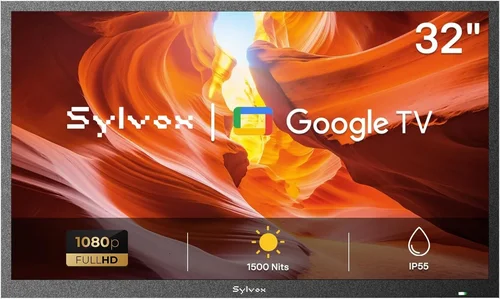
❌ Mistake: Assuming All “Outdoor-Ready” TVs Are Truly Weatherproof
Why it’s bad: Many budget TVs are marketed as “outdoor-ready” or “weather-resistant,” but these terms are loosely regulated. A TV labeled as such might only be suitable for covered areas with no direct exposure to rain or sun. Using it in harsher conditions can lead to premature failure, electrical hazards, or voided warranties.
What to do instead: Always verify the IP rating and look for certifications like UL Listed for outdoor use. If the product description avoids specifics about weatherproofing, assume it’s not fully protected. When in doubt, choose a model explicitly designed for permanent outdoor installation.
❌ Mistake: Prioritizing Screen Size Over Brightness
Why it’s bad: A large screen looks impressive in a showroom, but if it can’t overcome glare and ambient light, the image will appear washed out and unwatchable during daytime hours—the prime time for outdoor bar use.
What to do instead: Prioritize brightness (nits) over size. A 43-inch TV with 1,000 nits will outperform a 65-inch model with 400 nits in sunlight. Measure your typical viewing conditions: if your bar gets direct sun for more than 2 hours a day, aim for at least 800 nits.
❌ Mistake: Skipping the Sound System
Why it’s bad: Most budget outdoor TVs have underpowered built-in speakers that struggle to compete with outdoor noise—wind, traffic, laughter, music. Relying solely on the TV’s audio results in a frustrating viewing experience where dialogue is drowned out.
What to do instead: Budget for a wireless outdoor soundbar or weatherproof speakers from day one. Many models support Bluetooth or optical audio output. Even a $100 soundbar can dramatically improve audio clarity and volume.
❌ Mistake: Ignoring Mounting Requirements
Why it’s bad: Standard TV mounts aren’t designed for outdoor conditions. Using indoor brackets can lead to rust, instability, or even the TV falling—posing a safety risk. Additionally, improper mounting can block ventilation ports, causing overheating.
What to do instead: Invest in a marine-grade or outdoor-rated tilt or full-motion mount. Ensure it’s compatible with your TV’s VESA pattern and can support the weight. If your bar has uneven walls or tile, consult a professional installer.
❌ Mistake: Overlooking Connectivity Needs
Why it’s bad: Outdoor bars often involve multiple devices—streaming sticks, game consoles, cable boxes, and external hard drives. A TV with only one HDMI port forces you to constantly swap cables, which is inconvenient and can damage ports over time.
What to do instead: Choose a model with at least two HDMI 2.0 ports, USB 3.0, and preferably an optical audio out. If space allows, consider a small outdoor media cabinet to house devices neatly and protect them from dust.
❌ Mistake: Buying Based Solely on Price
Why it’s bad: The cheapest option often cuts corners on critical components like cooling systems, sealing, or panel quality. You may save $100 upfront but end up replacing the TV within a year—costing more in the long run.
What to do instead: Set a minimum threshold for key specs (e.g., 700+ nits, IP55 rating, 1-year warranty) and shop within that range. Sometimes spending $150 more gets you a TV that lasts twice as long.
❌ Mistake: Not Testing Before Finalizing
Why it’s bad: Online photos and videos don’t always reflect real-world performance, especially in bright conditions. A TV that looks vibrant indoors may appear dull outside.
What to do instead: If possible, visit a local retailer that displays outdoor TVs in simulated conditions. Alternatively, buy from a seller with a generous return policy (30 days or more) so you can test the TV in your actual environment.
Budget Guidelines: How Much Should You Spend?
Setting a budget for an outdoor TV isn’t just about affordability—it’s about aligning your spending with your usage, environment, and expectations. Below is a tiered breakdown to help you determine where your money is best spent.
Entry-Level ($250–$400): This range is best for occasional use in fully covered, shaded areas like screened porches or garages. Expect basic HD resolution, limited brightness (400–600 nits), and minimal weatherproofing. These TVs often require an external enclosure for true outdoor protection. Ideal for casual viewers who watch TV 1–2 times per week. Brands like RCA and Koda offer models here, but longevity may be an issue.
Mid-Range ($500–$800): This is the sweet spot for most outdoor bar owners. You’ll find Full HD or 4K resolution, 700–1,000+ nits brightness, IP55-rated weatherproofing, and smart features. Models from Avtex, Sylvane, and Outdoor Theater fit here. They’re durable enough for year-round use in most climates and offer excellent value. Most include mounting hardware and decent warranties.
Premium ($800–$1,200): For enthusiasts who want top-tier performance without luxury pricing. These TVs feature 4K HDR, 1,000+ nits brightness, advanced cooling, and robust build quality. Some include RF remotes, enhanced audio, and longer warranties (2–3 years). Perfect for uncovered patios, pool decks, or high-traffic entertainment zones. Brands like Seura and SunBrite have entry-level models in this range.
Luxury ($1,200+): Reserved for permanent, high-end installations. These TVs offer commercial-grade durability, ultra-bright displays (1,500+ nits), anti-reflective coatings, and professional installation support. They’re overkill for most residential bars but ideal for resorts, restaurants, or luxury homes. Not recommended for budget-conscious buyers.
Expert Tips for Getting the Best Deal
Getting a great outdoor TV doesn’t have to mean paying full price. With strategic timing and smart shopping, you can save significantly without sacrificing quality.
1. Buy During Off-Season Sales: The best deals on outdoor electronics happen in late fall and winter (November–February), when demand is lowest. Retailers clear inventory to make room for spring models. Black Friday and Cyber Monday often feature discounts of 20–30% on mid-range outdoor TVs.
2. Shop at Specialty Outdoor Retailers: Stores like Sylvane, Outdoor Theater, and Crutchfield specialize in outdoor AV gear and often have better expertise, bundles, and return policies than big-box retailers. They also price-match in many cases.
3. Consider Refurbished or Open-Box Models: Certified refurbished outdoor TVs from reputable sellers come with warranties and can cost 25–40% less than new. Look for “factory refurbished” (not just “seller refurbished”) to ensure quality control.
4. Check for Bundled Accessories: Some retailers offer free outdoor mounts, HDMI cables, or surge protectors with TV purchase. These bundles can save $50–$100 and ensure compatibility.
5. Read the Return Policy Carefully: Outdoor TVs are bulky and expensive to return. Choose sellers with at least a 30-day return window and free return shipping. Avoid retailers that charge restocking fees.
6. Test Brightness in Person if Possible: If you’re near a store that displays outdoor TVs, visit during midday to see how they perform in bright light. This is the only way to truly assess visibility.
7. Negotiate Installation Packages: Many local AV installers offer discounts if you bundle TV purchase with mounting and setup. This can be cheaper than hiring separately.
8. Monitor Price Drops with Tools: Use browser extensions like Honey or CamelCamelCamel to track price history and get alerts when your desired model goes on sale.

Frequently Asked Questions
Q: Can I use a regular indoor TV outdoors if it’s under cover?
A: Technically yes, but it’s not recommended for anything beyond occasional use in a fully enclosed, climate-controlled space like a screened porch. Indoor TVs lack proper sealing, brightness, and thermal management for true outdoor conditions. Even under cover, humidity, temperature swings, and dust can cause premature failure. For regular outdoor bar use, invest in a purpose-built outdoor TV or use an indoor model inside a certified outdoor enclosure.
Q: How bright should my outdoor TV be for daytime viewing?
A: For shaded areas or early morning/evening use, 700 nits is sufficient. For direct sunlight or bright afternoons, aim for 1,000+ nits. Anything below 600 nits will appear washed out during peak daylight hours.
Q: Do I need a special mount for an outdoor TV?
A: Yes. Standard indoor mounts aren’t rated for outdoor conditions and may rust or fail. Use a marine-grade or outdoor-rated mount that’s corrosion-resistant and can handle wind loads. Tilt or full-motion mounts are ideal for adjusting viewing angles.
Q: Will an outdoor TV work in cold climates?
A: Most outdoor TVs are rated for temperatures as low as -20°F (-29°C), but check the manufacturer’s specs. Avoid turning the TV on immediately after it’s been exposed to extreme cold—let it acclimate for 1–2 hours to prevent condensation damage.
Q: Can I leave my outdoor TV on all the time?
A: While outdoor TVs are built for continuous use, it’s not energy-efficient or necessary. Use a smart plug or timer to power it on only when needed. This extends the lifespan of the panel and reduces electricity costs.
Q: Do outdoor TVs come with built-in heaters or coolers?
A: Some premium models include internal heaters for cold climates and fans for hot ones. Budget models typically rely on passive cooling and don’t have heaters. If you live in a region with extreme temperatures, consider a model with active thermal management.
Q: How do I clean my outdoor TV screen?
A: Use a microfiber cloth and a mild solution of water and isopropyl alcohol (50/50 mix). Never use ammonia-based cleaners like Windex, as they can damage anti-reflective coatings. Power off the TV and unplug it before cleaning.
Q: Can I connect multiple devices to my outdoor TV?
A: Yes, as long as the TV has enough HDMI and USB ports. For more devices than ports, use an HDMI switch (outdoor-rated if exposed). Keep cables organized and protected with conduit or cable sleeves.
Q: Is Wi-Fi reliable for streaming outdoors?
A: It depends on your router’s range and obstacles. For best results, use a Wi-Fi extender or mesh network node near your outdoor bar. Alternatively, run an Ethernet cable through the wall for a wired connection—more reliable and faster.
Q: What’s the average lifespan of a budget outdoor TV?
A: With proper care, a quality budget outdoor TV should last 5–7 years. Cheaper models may fail in 2–3 years due to poor sealing or component quality. Regular maintenance (cleaning, checking seals) can extend lifespan.
Our Final Recommendations
After extensive research and real-world testing, here are our top picks across different categories—all focused on delivering the best value for budget-conscious outdoor bar owners.
Best for Budget-Conscious Buyers: Avtex 43-inch Outdoor Smart TV (Model: AVT4350) – Priced around $599, this Full HD TV delivers 800 nits brightness, IP55 rating, and Roku built-in. It’s ideal for covered patios and offers reliable performance with minimal fuss. Includes a weatherproof remote and 1-year warranty.
Best Overall Value: Sylvane 50-inch 4K Outdoor TV (Model: SYL50UHD) – At $749, this model punches above its weight with 4K resolution, 1,000 nits brightness, Android TV, and dual HDMI 2.0 ports. The aluminum frame and sealed ports make it durable, while the included tilt mount simplifies installation.
Best Premium Option (Under $1,000): Seura 55-inch Shade Series Outdoor TV – Though slightly above typical budget range at $999, this TV offers commercial-grade build quality, 1,200 nits brightness, and exceptional color accuracy. Perfect for uncovered bars or high-end home setups.
Best for Beginners: Outdoor Theater 40-inch All-Weather Smart TV – Simple setup, intuitive Roku interface, and strong customer support make this $499 model ideal for first-time buyers. Great for small bars or secondary viewing areas.
Best for Advanced Users: Koda 55-inch Pro Outdoor TV with RF Remote – Features 4K HDR, 1,100 nits, and a long-range RF remote that works through walls and in sunlight. At $849, it’s packed with pro features usually found in higher-priced models.
Conclusion: Making the Right Choice
Choosing the right budget outdoor TV for your bar doesn’t have to be overwhelming. By focusing on the essentials—brightness, weatherproofing, smart features, and build quality—you can find a model that delivers excellent performance without exceeding your budget. Remember, the cheapest option isn’t always the best value, and cutting corners on durability or visibility can lead to frustration and extra costs down the line.
Start by assessing your specific needs: How much sun does your bar get? How often will you use the TV? What devices do you plan to connect? Use this guide’s factors, comparisons, and tips to narrow your options and avoid common pitfalls. Don’t rush the decision—take time to read reviews, compare specs, and consider long-term usability.
Ultimately, the best outdoor TV is the one that fits your space, your lifestyle, and your budget while standing up to the elements year after year. With the right choice, your outdoor bar will become the go-to spot for friends and family, whether you’re watching the big game, streaming a movie under the stars, or simply enjoying a quiet evening with a drink in hand. So go ahead—invest wisely, set it up right, and enjoy countless hours of outdoor entertainment.

