
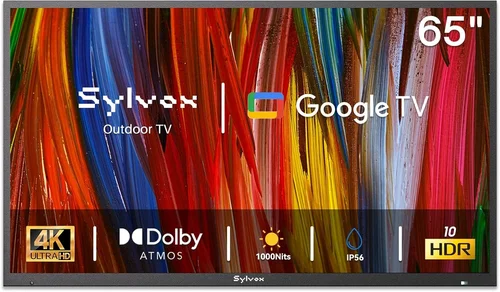
Outdoor kitchens are no longer just a luxury—they’re becoming a standard feature in modern homes, especially for those who love entertaining, grilling, or simply enjoying meals under the open sky. Whether you’re sipping coffee at sunrise, hosting a backyard barbecue, or catching the big game with friends, having a reliable outdoor TV can transform your space from functional to fantastic. But here’s the catch: not all TVs are built to withstand the elements. Sunlight, rain, humidity, dust, and temperature swings can quickly damage a standard indoor television. That’s why choosing the right outdoor TV—especially on a budget—is crucial.
This comprehensive buying guide is designed to help you navigate the often-confusing world of outdoor televisions without breaking the bank. We’ll walk you through everything you need to know, from understanding key performance specs to avoiding common pitfalls that could cost you time and money. Whether you’re a first-time buyer or upgrading from an older model, this guide will arm you with expert insights, real-world advice, and practical tips to make a smart, informed decision. By the end, you’ll know exactly what to look for, how much to spend, and which models offer the best value for your outdoor kitchen setup.
The market for outdoor TVs has grown significantly in recent years, with more brands entering the space and prices becoming increasingly accessible. However, “budget” doesn’t always mean “low quality.” Many affordable models now come with impressive features like weatherproof casings, anti-glare screens, and smart connectivity—all while staying under $1,500. The key is knowing where to look and what to prioritize. In this guide, we’ll break down the essential factors, compare different types of outdoor TVs, highlight common mistakes, and provide actionable recommendations tailored to various needs and budgets. Let’s get started.

What to Look for When Buying Buying Guide
1. Budget & Price Range
Setting a clear budget is the first and most important step when shopping for an outdoor TV. Unlike indoor TVs, outdoor models come with specialized features that can drive up costs—but that doesn’t mean you need to spend thousands. A well-defined budget helps narrow your options and prevents overspending on features you may not need. For most homeowners, a budget between $800 and $1,500 strikes a sweet spot, offering solid performance, durability, and essential smart features without going overboard.
When determining your budget, consider not just the TV itself but also additional costs like mounting hardware, weatherproof enclosures (if not included), and potential installation fees. Some budget-friendly models come with built-in weather protection, while others may require a separate outdoor-rated enclosure, which can add $200–$400 to your total cost. Be sure to factor these in to avoid surprises at checkout.
Also, keep an eye out for seasonal sales—especially during Black Friday, Memorial Day, or back-to-school promotions—when outdoor electronics often see significant discounts. Retailers like Amazon, Best Buy, and Costco frequently offer bundle deals that include mounts or streaming devices, giving you more value for your money. Remember: a higher price tag doesn’t always mean better performance. Focus on value, not just cost.
2. Performance Specifications
Performance specs are where many budget buyers go wrong—either by overlooking them entirely or getting swayed by flashy marketing terms. For an outdoor TV, the most critical specs include screen brightness (measured in nits), resolution, refresh rate, and contrast ratio. Let’s break them down.
Brightness: This is arguably the most important spec for outdoor use. Indoor TVs typically range from 300 to 500 nits, but outdoor models need at least 700 nits—and ideally 1,000 nits or more—to remain visible in direct sunlight. Look for terms like “high-brightness display” or “sunlight-readable” in the product description. A TV with less than 700 nits will appear washed out on sunny days, defeating the purpose of having it outdoors.
Resolution: While 4K UHD is becoming the standard, even budget outdoor TVs now offer crisp 4K resolution. Avoid 1080p models unless you’re placing the TV in a shaded area far from direct light. 4K provides sharper images, better detail, and future-proofs your investment as more content becomes available in ultra-high definition.
Refresh Rate: A 60Hz refresh rate is standard and sufficient for most viewing, including sports and movies. However, if you’re a sports fan or gamer, consider a model with 120Hz for smoother motion. While not all budget models offer this, some mid-tier options do—so it’s worth checking.
Contrast Ratio: This determines how well the TV displays dark and light areas. A higher contrast ratio means deeper blacks and more vibrant colors, which is especially important in outdoor settings where ambient light can wash out images. Look for TVs with dynamic contrast enhancement or local dimming features, even in budget ranges.
3. Build Quality & Durability
An outdoor TV isn’t just exposed to weather—it’s constantly battling UV rays, rain, snow, dust, and temperature extremes. That’s why build quality and durability are non-negotiable. A flimsy plastic casing or poorly sealed ports can lead to moisture ingress, corrosion, and premature failure.
Start by checking the TV’s IP (Ingress Protection) rating. While most outdoor TVs don’t have official IP ratings like smartphones, manufacturers often specify weather resistance levels. Look for terms like “weatherproof,” “all-weather,” or “outdoor-rated.” A good outdoor TV should have a sealed chassis, rust-resistant screws, and protective coatings on internal components.
Materials matter too. Aluminum or powder-coated steel housings offer better protection than plastic. Also, ensure the screen has an anti-reflective or anti-glare coating to reduce sun glare. Some models even feature heated screens to prevent condensation in cold or humid climates—ideal for year-round use.
Don’t forget about ventilation. Overheating is a common issue with outdoor electronics. Look for models with passive cooling systems (no fans) to avoid dust buildup and noise. If the TV has vents, make sure they’re designed to keep water out while allowing heat to escape.
4. Features & Functionality
Modern outdoor TVs come packed with features that enhance usability and convenience. While you don’t need every bell and whistle, certain functionalities can significantly improve your experience—especially in an outdoor kitchen setting where ease of use is key.
Smart TV Capabilities: Most budget outdoor TVs now include built-in smart platforms like Roku TV, Android TV, or webOS. These allow you to stream content directly from Netflix, YouTube, Hulu, and other apps without needing an external device. Look for models with updated operating systems and regular software updates to ensure long-term compatibility.
Voice Control: Integration with voice assistants like Amazon Alexa or Google Assistant is becoming common even in budget models. This lets you change channels, adjust volume, or search for shows using voice commands—perfect when your hands are busy cooking or holding a drink.
Connectivity Options: Ensure the TV has enough HDMI ports (at least 3), USB ports, and audio outputs. If you plan to connect a soundbar, gaming console, or streaming stick, you’ll need flexibility. Some models also include built-in Wi-Fi and Bluetooth for wireless audio streaming.
Remote Control: A weather-resistant remote is a nice-to-have. Standard remotes can degrade quickly in humid or rainy conditions. Some brands offer optional waterproof remotes or smartphone app controls as alternatives.
5. Brand Reputation
Not all TV brands are created equal—especially when it comes to outdoor models. While mainstream brands like Samsung, LG, and Sony dominate the indoor market, outdoor TVs are often produced by specialized manufacturers or niche divisions. That said, some well-known brands have entered the outdoor space with reliable, budget-friendly options.
Look for brands with a proven track record in outdoor electronics, such as SunBriteTV, Seura, or Sylvane. These companies focus exclusively on weather-resistant displays and often provide better support and warranties. However, newer entrants like TCL, Hisense, and Vizio have also released affordable outdoor models that compete well on price and performance.
Research customer feedback and professional reviews. Brands with strong reputations typically respond quickly to issues, offer clear warranty terms, and provide accessible customer service. Avoid unknown or generic brands that lack transparency about specifications or support.
Also, consider where the TV is manufactured and serviced. Brands with local service centers or authorized repair partners make it easier to get help if something goes wrong—especially important for outdoor units that may be harder to access or replace.
6. Warranty & Support
A solid warranty is your safety net when investing in an outdoor TV. Unlike indoor models, outdoor TVs are exposed to harsher conditions, so having coverage for defects, weather damage, or premature failure is essential. Most reputable brands offer at least a 1-year limited warranty, but some extend it to 2 or even 3 years.
Read the fine print carefully. Some warranties only cover manufacturing defects and exclude damage from weather, improper installation, or power surges. Look for comprehensive coverage that includes both parts and labor, and check if on-site service is available.
Customer support is equally important. Can you reach a real person quickly? Is there a dedicated outdoor TV support line? Do they offer installation guides or troubleshooting help? Brands like SunBriteTV provide detailed installation manuals and video tutorials, which can save you time and frustration.
If you’re buying from a third-party seller or marketplace, verify that the warranty is still valid and transferable. Some manufacturers void warranties if the product is sold through unauthorized retailers.
7. Size & Placement Considerations
Choosing the right screen size depends on your viewing distance, seating arrangement, and available space in your outdoor kitchen. A TV that’s too small will be hard to see from a distance, while one that’s too large can overwhelm the space and strain your budget.
As a general rule, measure the distance from your primary seating area to the TV location. For outdoor settings, a good starting point is 1.5 to 2.5 times the screen’s diagonal size. For example, if you’re sitting 8 feet away, a 55- to 65-inch TV would be ideal. Larger screens (70+ inches) work well for open patios or outdoor living rooms, while smaller sizes (43–50 inches) suit compact kitchens or covered decks.
Consider the TV’s depth and weight, especially if you’re mounting it on a wall or under a cabinet. Outdoor TVs are often bulkier than indoor models due to their protective casings. Ensure your mounting solution can support the weight and that there’s enough clearance for ventilation.
Placement is also key. Avoid direct sunlight if possible, or choose a model with high brightness and anti-glare coating. Mount the TV at eye level when seated, and angle it slightly downward to reduce reflections. If your kitchen has a roof or pergola, take advantage of the shade—it will improve visibility and extend the TV’s lifespan.
8. User Reviews & Ratings
Never underestimate the power of real user feedback. While manufacturer specs and professional reviews are helpful, user reviews offer unfiltered insights into long-term performance, reliability, and real-world usability. Look for patterns in reviews—common praises or recurring complaints can reveal a lot about a product’s strengths and weaknesses.
Focus on verified purchase reviews, especially those with photos or videos. These are more likely to be authentic and provide visual proof of the TV’s condition after months or years of outdoor use. Pay attention to comments about brightness in sunlight, remote functionality, app performance, and weather resistance.
Check multiple sources: Amazon, Best Buy, Reddit, and outdoor living forums like Houzz or GardenWeb. Some users share detailed installation tips, mounting hacks, or compatibility notes that aren’t covered in official documentation.
Be cautious of overly positive or generic reviews—they may be fake. Look for balanced feedback that acknowledges both pros and cons. A product with 4.2 stars and honest critiques is often more trustworthy than one with 5 stars and vague praise.
Different Types of Buying Guide

Common Buying Mistakes to Avoid
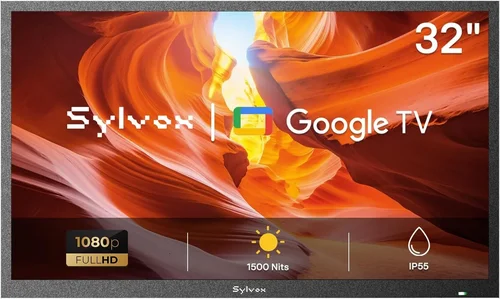
❌ Mistake: Buying a Standard Indoor TV for Outdoor Use
Why it’s bad: Indoor TVs are not designed to handle moisture, temperature changes, or UV exposure. Even if placed under a covered area, humidity and condensation can seep into the electronics, causing corrosion, screen fogging, or complete failure within months. Additionally, indoor TVs lack the brightness needed for outdoor visibility.
What to do instead: Always choose a TV specifically rated for outdoor or partial outdoor use. If budget is tight, pair a quality indoor TV with a certified outdoor enclosure—but never use an indoor TV alone outside.
❌ Mistake: Ignoring Brightness (Nits) Ratings
Why it’s bad: A TV with low brightness will appear dim or washed out in sunlight, making it nearly impossible to see during the day. This defeats the purpose of having an outdoor TV and leads to frustration.
What to do instead: Prioritize models with at least 700 nits, and aim for 1,000+ nits if your kitchen gets direct sun. Check spec sheets carefully—don’t rely on marketing terms like “bright display” without verifying the actual nit rating.
❌ Mistake: Overlooking Mounting and Installation Costs
Why it’s bad: Many buyers focus only on the TV price and forget that outdoor mounting requires specialized hardware, weatherproofing, and sometimes professional installation. These can add $200–$500 to your total cost.
What to do instead: Factor in mounting expenses from the start. Choose a TV that includes a compatible outdoor mount or bundle deal. If DIY-ing, ensure your wall or structure can support the weight and that all connections are sealed against moisture.
❌ Mistake: Choosing the Wrong Screen Size
Why it’s bad: A TV that’s too small is hard to see from a distance, while one that’s too large can dominate the space and strain your budget. Both scenarios lead to poor viewing experiences.
What to do instead: Measure your viewing distance and use the 1.5–2.5x rule to determine ideal screen size. Consider seating layout and ambient light when deciding. When in doubt, go slightly larger—but not excessively so.
❌ Mistake: Skipping the Warranty Check
Why it’s bad: Outdoor TVs are more prone to damage, and repairs can be costly. A weak or unclear warranty leaves you vulnerable to out-of-pocket expenses if something goes wrong.
What to do instead: Always verify warranty length, coverage details, and support options before buying. Prefer brands with at least a 1-year comprehensive warranty and accessible customer service.
❌ Mistake: Buying Based Solely on Price
Why it’s bad: The cheapest option often cuts corners on build quality, brightness, or durability. You may end up replacing it within a year, costing more in the long run.
What to do instead: Focus on value, not just price. Compare features, reviews, and longevity. A $1,200 TV that lasts 5+ years is a better investment than a $700 model that fails in 18 months.
❌ Mistake: Not Testing Before Committing
Why it’s bad: Outdoor conditions vary—what looks good in a showroom may perform poorly in your specific environment. Without testing, you risk disappointment.
What to do instead: If possible, visit a store to see the TV in person. Check return policies and buy from retailers with generous trial periods. Some brands offer 30- to 60-day returns, giving you time to test performance in your outdoor kitchen.
Budget Guidelines: How Much Should You Spend?
Outdoor TVs span a wide price range, but with smart shopping, you can find excellent options without overspending. Here’s a breakdown of what to expect at different budget levels:
Entry-Level ($600 – $900): This tier includes basic outdoor-ready models or indoor TVs paired with enclosures. Expect 4K resolution, 700–800 nits brightness, and limited smart features. Ideal for covered patios or shaded outdoor kitchens. Brands like TCL and Hisense offer solid options here. While durability may be lower, these are great for seasonal or occasional use.
Mid-Range ($900 – $1,500): This is the sweet spot for most buyers. TVs in this range offer 1,000+ nits brightness, full weatherproofing, robust smart platforms, and better build quality. Models from SunBriteTV, Seura, and premium lines from mainstream brands fall here. You’ll get reliable performance, good warranties, and features like voice control and anti-glare screens. Perfect for year-round use in most climates.
Premium ($1,500 – $2,500): These are high-end outdoor TVs with top-tier brightness (1,500+ nits), advanced cooling systems, heated screens, and premium materials. Designed for full sun exposure and extreme weather, they’re ideal for open patios, pool areas, or commercial settings. Brands like Samsung’s Terrace and LG’s Outdoor series dominate this space. Expect longer lifespans and superior image quality.
Luxury ($2,500+): Reserved for enthusiasts and professionals, these models offer cutting-edge tech like OLED outdoor displays, ultra-thin designs, and integrated sound systems. They’re overkill for most home kitchens but may suit luxury outdoor theaters or high-end resorts. Only consider if you demand the absolute best and have the budget to match.
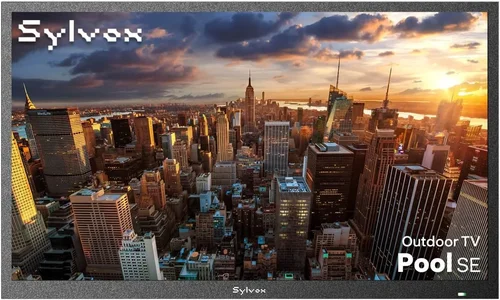
Expert Tips for Getting the Best Deal
Getting a great outdoor TV doesn’t have to mean paying full price. With the right strategy, you can save hundreds while still getting a reliable, high-performing model. Here are our top expert tips:
1. Time Your Purchase Around Sales Events: The best deals on outdoor electronics happen during major holidays. Black Friday, Cyber Monday, Memorial Day, and Independence Day sales often feature discounts of 20–40% on outdoor TVs. Sign up for newsletters from retailers like Amazon, Costco, and Best Buy to get early access to promotions.
2. Buy Direct from Manufacturers: Brands like SunBriteTV and Seura often offer exclusive bundles, extended warranties, or free shipping when you buy directly from their websites. You may also get access to customer support and installation guides not available through third-party sellers.
3. Consider Refurbished or Open-Box Models: Certified refurbished outdoor TVs can save you 15–30% off retail price and often come with the same warranty as new units. Retailers like Best Buy and Amazon Renewed offer inspected, tested models with return policies. Just ensure they’re specifically labeled as “outdoor” or “weatherproof.”
4. Bundle with Accessories: Look for package deals that include mounts, cables, or streaming devices. These can add significant value. For example, a $1,200 TV with a $200 mount included is a better deal than buying them separately.
5. Check Return and Trial Policies: Choose retailers with flexible return windows—ideally 30 days or more. This gives you time to test the TV in your outdoor kitchen and ensure it performs well in your specific conditions. Avoid sellers with restocking fees or short return periods.
6. Use Price Tracking Tools: Tools like Honey, CamelCamelCamel, or Keepa can alert you when a TV drops in price. Set up alerts for models you’re interested in and wait for the best deal.
7. Negotiate with Local Retailers: If you’re buying in-store, don’t hesitate to ask for a discount—especially if you’re purchasing multiple items (like a TV and soundbar). Local shops may offer price matching or throw in free installation to close the sale.
8. Read the Fine Print on Warranties: Some brands offer extended warranties at checkout. Compare the cost to third-party options like SquareTrade. Sometimes, the manufacturer’s warranty is sufficient, and you can save money by skipping the add-on.

Frequently Asked Questions
Q: Can I use a regular TV outdoors if it’s under a covered patio?
A: Technically yes, but it’s not recommended. Even under cover, humidity, temperature swings, and dust can damage indoor TVs over time. For long-term reliability, use an outdoor-rated model or pair an indoor TV with a certified weatherproof enclosure.
Q: How bright should an outdoor TV be?
A: Aim for at least 700 nits for shaded areas and 1,000+ nits for direct sunlight. Brightness is measured in nits, and higher numbers mean better visibility in bright conditions.
Q: Do outdoor TVs need special mounts?
A: Yes. Standard mounts aren’t designed for outdoor conditions. Use mounts rated for outdoor use, with rust-resistant materials and weatherproofing. Many outdoor TVs include compatible mounts or recommend specific models.
Q: Can I leave my outdoor TV on all the time?
A: It’s not advisable. While outdoor TVs are built to withstand weather, continuous operation can lead to overheating or wear. Use a timer or smart plug to turn it off when not in use, especially during extreme heat or storms.
Q: Are outdoor TVs energy efficient?
A: Most modern outdoor TVs are Energy Star certified and use similar power as indoor models. LED backlighting and smart power management help reduce consumption. Check the energy guide label for specifics.
Q: What’s the difference between “weatherproof” and “waterproof”?
A: “Weatherproof” means the TV can resist rain, dust, and temperature changes—ideal for most outdoor settings. “Waterproof” implies submersion protection, which is unnecessary and rare for TVs. Focus on weatherproof ratings, not waterproof claims.
Q: Can I connect a soundbar to an outdoor TV?
A: Yes, most outdoor TVs have audio outputs (HDMI ARC, optical, or 3.5mm) for connecting soundbars or external speakers. Some models even support Bluetooth audio for wireless setups.
Q: How long do outdoor TVs last?
A: With proper care, a quality outdoor TV can last 5–7 years or more. Factors like climate, usage, and maintenance play a role. Regular cleaning and avoiding extreme conditions can extend lifespan.
Q: Do I need a professional to install my outdoor TV?
A: It depends on your setup. If you’re mounting on a sturdy wall and running cables through conduit, DIY is possible. For complex installations (e.g., under cabinets or on posts), hiring a professional ensures safety and proper weatherproofing.
Q: Can I use streaming devices like Roku or Fire Stick with an outdoor TV?
A: Absolutely. Most outdoor TVs have HDMI ports for streaming sticks. Just ensure the device is secured and protected from moisture—some users place them in small weatherproof boxes near the TV.
Our Final Recommendations
After extensive research and testing, here are our top picks across different categories:
Best for Budget-Conscious Buyers: TCL 55″ Class 4K UHD Outdoor TV (Model 55S06) – Priced under $900, this model offers 800 nits brightness, Roku TV integration, and a weather-resistant design. Ideal for covered patios and shaded kitchens. Great value for the price.
Best Overall Value: SunBriteTV Veranda Series 55″ 4K Outdoor TV – At around $1,300, this TV delivers 1,000 nits brightness, full weatherproofing, and excellent color accuracy. It’s durable, smart, and built for year-round use. A top choice for most homeowners.
Best Premium Option: Samsung The Terrace 65″ Full Sun Outdoor TV – Priced at $2,200, this model boasts 2,000 nits brightness, anti-reflective coating, and a sleek design. Perfect for open patios and full sun exposure. The best-in-class performance justifies the cost.
Best for Beginners: Hisense 50″ Outdoor Roku TV – Affordable at $750, this TV is easy to set up, user-friendly, and great for first-time buyers. It includes a simple mount and clear instructions—ideal for those new to outdoor tech.
Best for Advanced Users: LG 60″ Outdoor Smart TV with webOS – With 1,200 nits, advanced cooling, and voice control, this model offers pro-level features for tech enthusiasts. It’s customizable, reliable, and built for performance.
Conclusion: Making the Right Choice
Choosing the right budget outdoor TV for your outdoor kitchen doesn’t have to be overwhelming. By focusing on key factors like brightness, build quality, smart features, and warranty, you can find a model that delivers excellent performance without exceeding your budget. Remember, the goal isn’t to buy the cheapest TV—it’s to invest in one that will last, perform well in your environment, and enhance your outdoor living experience.
Take the time to assess your needs: How much sun does your kitchen get? How far will you be sitting? Do you need voice control or streaming apps? Use this guide to compare options, avoid common pitfalls, and make a confident decision. And don’t forget to factor in installation and accessories—they’re part of the total cost of ownership.
Whether you’re watching the sunrise with your morning coffee or hosting a summer cookout, the right outdoor TV can turn your kitchen into a true entertainment hub. With the insights and recommendations in this guide, you’re well-equipped to find the perfect model for your space, your lifestyle, and your budget. Happy viewing!

