
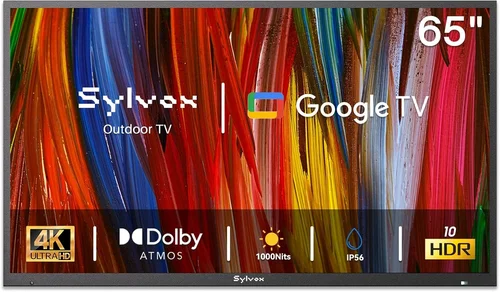
Outdoor living spaces have evolved dramatically over the past decade. What was once a simple patio with a grill and a few chairs has transformed into a fully equipped outdoor entertainment zone—complete with fire pits, outdoor kitchens, sound systems, and yes, even televisions. As more homeowners invest in creating comfortable, functional backyard oases, the demand for weather-resistant, high-performance outdoor TVs has surged. But here’s the catch: true outdoor-rated TVs from premium brands like SunBrite or Samsung’s The Terrace can cost thousands of dollars, putting them out of reach for many budget-conscious buyers.
That’s where this guide comes in. Whether you’re hosting weekend barbecues, watching the big game under the stars, or simply enjoying a quiet evening movie night on your covered deck, having a reliable outdoor TV can elevate your experience. However, you don’t need to break the bank to get a great viewing experience. With smart shopping, careful research, and an understanding of what truly matters in an outdoor TV, you can find a high-quality, durable, and feature-rich model that fits comfortably within your budget. This comprehensive buying guide is designed to help you navigate the often-confusing landscape of budget outdoor TVs, so you can make a confident, informed decision—without overspending.
In this guide, you’ll learn everything you need to know about selecting the best budget outdoor TV for a large patio. We’ll break down the key factors to consider—from brightness and weather resistance to smart features and installation requirements. You’ll discover the different types of outdoor TVs available, common pitfalls to avoid, and expert tips for getting the most value for your money. We’ll also provide real-world recommendations across various price tiers, so whether you’re spending $500 or $1,500, you’ll know exactly what to look for. By the end, you’ll be equipped with the knowledge to choose a TV that delivers excellent picture quality, stands up to the elements, and enhances your outdoor lifestyle—all without blowing your budget.

What to Look for When Buying Buying Guide
1. Brightness and Display Performance
When it comes to outdoor TVs, brightness isn’t just a nice-to-have—it’s essential. Unlike indoor TVs, which operate in controlled lighting environments, outdoor screens must compete with natural sunlight, glare, and ambient light. A standard indoor TV typically has a brightness of around 300 to 500 nits, which is fine for a dimly lit living room but completely inadequate for a sunny patio. For outdoor use, you’ll want a display with at least 700 nits of brightness, but ideally 1,000 nits or more for optimal visibility in direct sunlight.
Look for TVs with high peak brightness ratings and anti-reflective coatings. These coatings reduce glare from the sun or nearby lighting, making the screen easier to see during the day. Additionally, consider the panel technology. OLED screens offer excellent contrast and deep blacks, but they can struggle with brightness in bright environments. LED-LCD panels, especially those with full-array local dimming (FALD), often perform better outdoors due to their higher peak brightness and better resistance to glare.
Color accuracy and contrast ratio also matter. A TV with poor color reproduction will look washed out in daylight, even if it’s bright. Aim for models that support HDR (High Dynamic Range), such as HDR10 or Dolby Vision, which enhance color depth and contrast. While not all budget outdoor TVs support advanced HDR formats, even basic HDR10 can make a noticeable difference in image quality.
Another factor is viewing angle. On a large patio, viewers may be seated at various angles relative to the screen. TVs with narrow viewing angles will appear dimmer or distorted when viewed from the side. IPS (In-Plane Switching) panels generally offer wider viewing angles than VA (Vertical Alignment) panels, making them a better choice for group viewing.
2. Weather Resistance and Durability
Outdoor TVs must withstand a wide range of environmental conditions—rain, snow, humidity, dust, extreme temperatures, and even UV exposure. Unlike indoor TVs, which are designed for stable indoor climates, outdoor models need robust protection to ensure longevity and performance.
The most important metric here is the IP (Ingress Protection) rating. This two-digit code indicates how well the TV resists solids (like dust) and liquids (like water). For outdoor use, look for a minimum IP55 rating, which means the TV is protected against dust and water jets from any direction. Higher ratings like IP65 or IP66 offer even better protection, making them suitable for harsher climates or uncovered installations.
But IP rating isn’t the only consideration. The TV’s internal components must also be built to handle temperature fluctuations. Most outdoor TVs are designed to operate in temperatures ranging from -22°F to 122°F (-30°C to 50°C). If you live in an area with extreme winters or scorching summers, verify that the model you’re considering can handle your local climate.
Materials matter too. The housing should be made of corrosion-resistant metals like aluminum or stainless steel, not plastic, which can degrade over time when exposed to UV rays and moisture. Sealed ports and connectors are also crucial—look for models with rubber gaskets or protective covers for HDMI, USB, and power inputs.
Additionally, consider the mounting system. Outdoor TVs often come with specialized mounts that allow for tilt and swivel adjustments, which can help reduce glare and improve viewing angles. Ensure the mount is also weather-resistant and compatible with your wall or ceiling structure.
3. Size and Viewing Distance
Choosing the right screen size is critical for both comfort and immersion, especially on a large patio where viewers may be seated at varying distances. A TV that’s too small will be hard to see from across the yard, while one that’s too large can overwhelm the space and strain the eyes.
As a general rule, the ideal screen size depends on your viewing distance. For outdoor setups, a good starting point is the 1.5 to 2.5 times rule: multiply your distance from the screen (in inches) by 1.5 to 2.5 to determine the recommended diagonal screen size. For example, if your seating area is 10 feet (120 inches) away, a 60- to 80-inch TV would be appropriate.
On a large patio, 65-inch and 75-inch models are increasingly popular because they offer a cinematic experience without requiring you to sit too close. However, larger screens also come with higher price tags and greater power consumption, so balance your desire for size with your budget and installation constraints.
Consider the aspect ratio as well. Most modern TVs use a 16:9 widescreen format, which is perfect for movies and sports. Some ultra-wide or curved models exist, but they’re rare in the outdoor segment and often more expensive.
Also, think about placement. Will the TV be mounted on a wall, ceiling, or freestanding stand? Ensure there’s enough space and structural support for your chosen size. And don’t forget about cable management—larger TVs often have more ports and require longer cables, so plan your routing carefully.
4. Smart Features and Connectivity
Even on a budget, you don’t have to sacrifice smart functionality. Most modern outdoor TVs come with built-in streaming platforms like Roku, Android TV, or webOS, allowing you to access Netflix, YouTube, Disney+, and other services without needing an external device.
When evaluating smart features, consider the user interface. Is it intuitive and responsive? Does it support voice control via Alexa or Google Assistant? Can you easily install and update apps? A clunky or outdated OS can ruin the experience, even if the hardware is solid.
Connectivity is equally important. Look for multiple HDMI ports (at least two, preferably three), USB ports for media playback, and audio outputs for connecting external speakers or soundbars. Some models also include Ethernet ports for wired internet connections, which can be more stable than Wi-Fi, especially in outdoor environments where signal strength may vary.
Wi-Fi capability is a must, but check the supported standards. Wi-Fi 5 (802.11ac) is common, but Wi-Fi 6 (802.11ax) offers faster speeds and better performance in congested networks—useful if you have multiple devices streaming simultaneously.
Bluetooth support is another nice-to-have, enabling wireless audio streaming to headphones or portable speakers. This is especially useful for late-night viewing when you don’t want to disturb others.
5. Audio Quality and Sound Solutions
While picture quality often takes center stage, audio is just as important for an immersive outdoor experience. Unfortunately, most budget outdoor TVs come with underwhelming built-in speakers—thin, tinny, and lacking in bass. This is partly due to space constraints and the need to keep the design weather-resistant.
If you plan to rely solely on the TV’s internal speakers, look for models with at least 10W of output per channel and support for audio enhancements like Dolby Audio or DTS Virtual:X. However, for a large patio, these built-in systems are rarely sufficient.
The better approach is to pair your TV with an external sound system. A weather-resistant soundbar or outdoor speaker setup can dramatically improve audio clarity and volume. Look for models with IPX5 or higher ratings, and consider wireless options to reduce cable clutter.
Alternatively, you can use Bluetooth speakers or a portable PA system for casual gatherings. Just be mindful of local noise ordinances, especially in residential areas.
For a more permanent solution, consider installing in-ground or wall-mounted speakers connected to an outdoor amplifier. This setup delivers rich, room-filling sound and can be integrated with your TV via optical or RCA outputs.
6. Installation and Mounting Options
Proper installation is crucial for both performance and safety. Outdoor TVs are heavier and more complex to mount than indoor models, so don’t underestimate the importance of a secure setup.
First, assess your mounting surface. Is it a sturdy wall, a concrete pillar, or a wooden beam? Ensure it can support the weight of the TV and mount—most outdoor TVs weigh between 30 and 60 pounds, and larger models can exceed 80 pounds.
Use a weatherproof mounting bracket designed specifically for outdoor use. These mounts often include features like tilt adjustment, swivel, and extension arms, which help optimize viewing angles and reduce glare. Some even come with built-in cable management systems to keep wires hidden and protected.
If you’re mounting the TV under a roof or awning, ensure there’s adequate ventilation to prevent overheating. Avoid enclosing the TV in a tight cabinet unless it’s specifically designed for outdoor use with proper airflow.
For ceiling mounts, consider the height and angle. The screen should be positioned so that the center is at or slightly below eye level when seated. This reduces neck strain and improves comfort during long viewing sessions.
Professional installation is recommended if you’re unsure about structural integrity or electrical wiring. Many retailers offer installation services, or you can hire a local AV specialist.
7. Brand Reputation and Reliability
Not all budget outdoor TVs are created equal. While you may be tempted by ultra-low prices from unknown brands, these models often cut corners on build quality, components, and customer support.
Stick with reputable manufacturers that have a proven track record in outdoor electronics. Brands like LG, Samsung, TCL, and Hisense offer outdoor-compatible models or have partnerships with outdoor TV specialists. Even if they don’t market TVs as “outdoor,” many of their standard models can be used outdoors with proper enclosures and installation.
Research customer reviews and expert ratings. Look for feedback on durability, brightness, and long-term performance. Pay attention to recurring issues—like screen burn-in, connectivity problems, or premature failure—which can indicate design flaws.
Also, consider the availability of replacement parts and service centers. If something goes wrong, you’ll want to be able to get it fixed quickly, not wait weeks for a repair.
8. Warranty and Customer Support
A solid warranty is a strong indicator of a manufacturer’s confidence in their product. For outdoor TVs, which face harsher conditions than indoor models, a comprehensive warranty is essential.
Look for at least a one-year limited warranty, but two to three years is preferable. Some premium brands offer extended warranties or protection plans that cover accidental damage, power surges, or weather-related failures.
Read the fine print carefully. Many warranties exclude damage caused by improper installation, extreme weather, or unauthorized modifications. Make sure you understand what’s covered and what’s not.
Customer support is equally important. Can you reach a real person quickly? Is there a dedicated outdoor TV support line? Do they offer troubleshooting guides or video tutorials? A responsive support team can save you hours of frustration if issues arise.
Different Types of Buying Guide

Common Buying Mistakes to Avoid
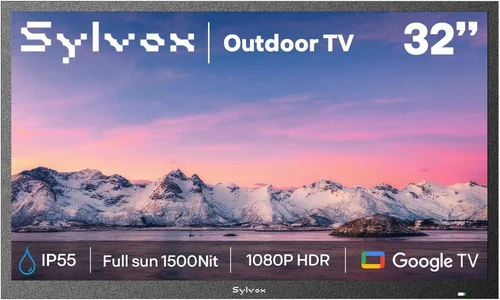
❌ Mistake: Buying an Indoor TV for Outdoor Use Without Protection
Why it’s bad: Indoor TVs are not designed to handle moisture, temperature swings, or UV exposure. Using one outdoors—even under a cover—can lead to condensation, overheating, corrosion, and premature failure. Most manufacturers void warranties if an indoor TV is used outside.
What to do instead: Either purchase a TV specifically rated for outdoor use or use a certified outdoor enclosure that provides full weather protection, proper ventilation, and UV shielding.
❌ Mistake: Ignoring Brightness Requirements
Why it’s bad: A dim screen will be nearly impossible to see during the day, especially in direct sunlight. You’ll end up squinting or watching with the curtains drawn—defeating the purpose of an outdoor TV.
What to do instead: Always check the nit rating. Aim for at least 700 nits for covered areas and 1,000+ nits for full sun exposure. Don’t rely on manufacturer claims—look for third-party reviews that test real-world brightness.
❌ Mistake: Overlooking Audio Needs
Why it’s bad: Built-in TV speakers are often weak and lack bass, making dialogue hard to hear over wind, traffic, or background noise. You’ll miss key moments in movies or sports broadcasts.
What to do instead: Plan for external audio from the start. Invest in weather-resistant speakers or a soundbar, or use wireless Bluetooth options for flexibility.
❌ Mistake: Choosing the Wrong Size
Why it’s bad: A TV that’s too small will be hard to see from a distance, while one that’s too large can dominate the space and cause eye strain. Both scenarios lead to a poor viewing experience.
What to do instead: Use the 1.5–2.5x viewing distance rule to determine the ideal size. Measure your patio and seating layout before buying.
❌ Mistake: Skimping on the Mount
Why it’s bad: A flimsy or indoor-rated mount can fail under the weight of an outdoor TV, especially in windy conditions. This poses a serious safety risk.
What to do instead: Invest in a heavy-duty, weatherproof mount with tilt and swivel features. Have it installed by a professional if needed.
❌ Mistake: Not Checking Return and Warranty Policies
Why it’s bad: Outdoor TVs are expensive, and if something goes wrong, you need assurance that you can return or repair it without hassle.
What to do instead: Read the fine print on warranties and return policies. Choose retailers with at least a 30-day return window and clear support channels.
❌ Mistake: Forgetting About Power and Connectivity
Why it’s bad: Running long cables across your yard is unsightly and can be a tripping hazard. Poor Wi-Fi signal can cause buffering and disconnections.
What to do instead: Plan your cable routes in advance. Use weatherproof conduits for power and data lines. Consider a Wi-Fi extender or mesh network to boost signal strength outdoors.
Budget Guidelines: How Much Should You Spend?
When shopping for a budget outdoor TV, it’s important to understand what you can expect at different price points. While “budget” is relative, we’ve broken down the market into four tiers based on performance, features, and durability.
Entry-Level ($400 – $700): At this price, you’re typically looking at indoor TVs used with outdoor enclosures or basic covered-patio models. These TVs may have lower brightness (500–700 nits), limited smart features, and minimal weather resistance. They’re best for shaded or partially covered areas and short-term use. Expect shorter lifespans and fewer warranty protections.
Mid-Range ($700 – $1,200): This is the sweet spot for most buyers. You’ll find TVs with 700–1,000 nits of brightness, decent smart platforms, and better build quality. Many models in this range are designed for covered outdoor use and come with improved audio, multiple HDMI ports, and reliable Wi-Fi. Look for brands like TCL, Hisense, or LG with outdoor-compatible models.
Premium ($1,200 – $2,000): Here, you start getting into true outdoor-rated TVs with IP55 or higher ratings, full weather sealing, and enhanced durability. These models often feature 1,000+ nits brightness, advanced HDR support, and robust mounting systems. They’re ideal for large patios, pool decks, or areas with frequent rain and sun exposure.
Luxury ($2,000+): At this level, you’re investing in top-tier performance and longevity. Brands like SunBrite, Samsung, and Seura offer fully sealed, commercial-grade displays with 2,000+ nits brightness, 24/7 operation capability, and extensive warranties. These are best for permanent installations in high-end homes or commercial settings.
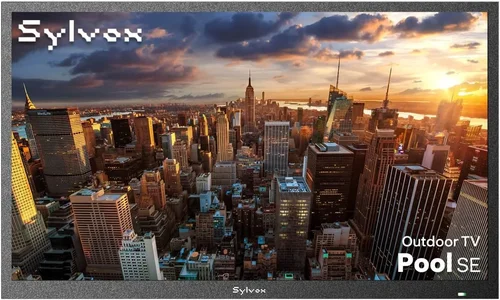
Expert Tips for Getting the Best Deal
1. Shop During Off-Season: Outdoor TVs are in highest demand during spring and summer. Prices tend to drop in fall and winter, especially around Black Friday, Cyber Monday, and post-holiday sales. You can save 15–30% by buying off-season.
2. Compare Retailers: Don’t just check Amazon. Look at Best Buy, Costco, B&H Photo, and specialty outdoor electronics stores. Some offer price matching, free installation, or extended warranties.
3. Look for Refurbished or Open-Box Deals: Certified refurbished models from reputable sellers often come with full warranties and can save you hundreds. Open-box items are typically returned due to minor issues and are resold at a discount.
4. Bundle with Accessories: Some retailers offer package deals that include mounts, cables, or soundbars. These can be more cost-effective than buying items separately.
5. Check for Rebates and Incentives: Utility companies or local governments sometimes offer rebates for energy-efficient electronics. While rare for TVs, it’s worth a quick search.
6. Read the Return Policy: Ensure you have at least 30 days to return the TV if it doesn’t meet your expectations. Outdoor installations can be tricky, and you may need time to test performance in real conditions.
7. Test Before Finalizing: If possible, view the TV in person or watch video reviews that show it in bright outdoor settings. Pay attention to glare, color accuracy, and audio quality.
8. Consider Future-Proofing: Choose a TV with HDMI 2.1, Wi-Fi 6, and support for emerging standards like HDR10+. This ensures compatibility with next-gen devices and streaming services.

Frequently Asked Questions
Q: Can I use a regular indoor TV outdoors?
A: Technically, yes—but only with a proper outdoor enclosure that provides weatherproofing, ventilation, and UV protection. Without it, indoor TVs are highly susceptible to damage from moisture, heat, and dust, and warranties are typically voided.
Q: How bright should an outdoor TV be?
A: For covered patios, aim for at least 700 nits. For full sun exposure, 1,000 nits or more is recommended. Higher brightness ensures the image remains visible and vibrant during the day.
Q: Do outdoor TVs need special mounts?
A: Yes. Use mounts specifically designed for outdoor use. They’re built to withstand wind, rain, and temperature changes, and often include features like tilt and swivel for optimal viewing.
Q: Can I leave my outdoor TV on all the time?
A: Most outdoor TVs are designed for continuous use, but check the manufacturer’s guidelines. Some models have duty cycle limits to prevent overheating.
Q: What’s the difference between IP55 and IP65?
A: IP55 protects against dust and low-pressure water jets. IP65 offers the same dust protection but with stronger resistance to water, making it better for harsher environments.
Q: Do outdoor TVs come with built-in apps?
A: Many do, especially mid-range and premium models. Look for platforms like Roku, Android TV, or webOS for access to streaming services.
Q: How do I improve Wi-Fi signal for my outdoor TV?
A: Use a Wi-Fi extender, mesh network, or powerline adapter. For best results, run an Ethernet cable from your router to the TV location.
Q: Can I use a soundbar outdoors?
A: Only if it’s rated for outdoor use (IPX5 or higher). Indoor soundbars can degrade quickly when exposed to the elements.
Q: What’s the average lifespan of an outdoor TV?
A: With proper care, most outdoor TVs last 5–7 years. Premium models with commercial-grade components can last 10+ years.
Q: Are outdoor TVs energy efficient?
A: Modern LED models are relatively efficient, but larger screens consume more power. Look for ENERGY STAR certification to reduce electricity costs.
Our Final Recommendations
Best for Budget-Conscious Buyers: TCL 6-Series 65″ (Used with Outdoor Enclosure) – At around $600, this TV offers excellent 4K HDR performance, Roku smart platform, and 800 nits brightness. Pair it with a quality outdoor enclosure for a cost-effective solution.
Best Overall Value: Hisense U8H 75″ – Priced around $1,000, this model delivers 1,200 nits brightness, Dolby Vision, and robust build quality. It’s ideal for covered patios and offers a great balance of features and price.
Best Premium Option: SunBrite Veranda 3 Series 65″ – At $1,800, this is a true outdoor TV with IP55 rating, 1,000+ nits brightness, and full weather sealing. Perfect for exposed areas and long-term use.
Best for Beginners: LG OLED C2 55″ in Seura Outdoor Enclosure – While the TV itself is indoor-rated, the Seura enclosure provides full outdoor protection. Great for those who want OLED quality without the premium outdoor TV price.
Best for Advanced Users: Samsung The Terrace 75″ – At $2,500+, this is a top-tier outdoor TV with 2,000 nits brightness, anti-reflective coating, and commercial-grade durability. Ideal for luxury patios and professional installations.
Conclusion: Making the Right Choice
Choosing the right budget outdoor TV for your large patio doesn’t have to be overwhelming. By focusing on key factors like brightness, weather resistance, size, and smart features, you can find a model that delivers excellent performance without exceeding your budget. Avoid common pitfalls like using indoor TVs without protection or ignoring audio needs, and always prioritize durability and warranty coverage.
Remember, the best TV is the one that fits your specific environment, usage, and financial situation. Whether you’re watching the sunset with a movie or hosting a game-day party, a well-chosen outdoor TV can transform your patio into a true entertainment hub. Take your time, do your research, and invest wisely—your outdoor oasis deserves it.

