
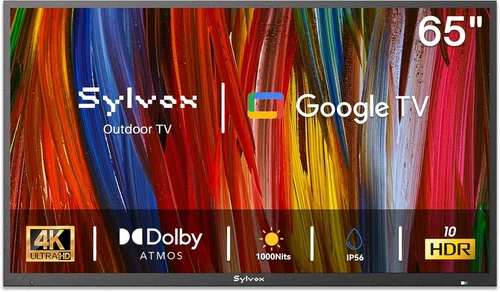
Outdoor living spaces have evolved dramatically over the past decade. What once consisted of a simple patio or deck has now transformed into fully functional entertainment zones—complete with grills, fire pits, sound systems, and yes, outdoor televisions. Whether you’re hosting summer barbecues, watching the big game under the stars, or simply relaxing by the pool, an outdoor TV can elevate your experience. But not all outdoor TVs are created equal—especially when you live in a humid climate.
Humidity is one of the most challenging environmental factors for electronics. It can corrode internal components, fog up screens, damage circuitry, and drastically shorten the lifespan of standard indoor TVs. That’s why choosing the right outdoor television for humid areas isn’t just about picture quality or smart features—it’s about durability, protection, and long-term reliability. In this comprehensive buying guide, we’ll walk you through everything you need to know to make a smart, informed decision. You’ll learn how to evaluate key factors like weather resistance, build quality, and performance specs, avoid common pitfalls, understand budget tiers, and ultimately find the best outdoor TV that fits your needs and environment.
The market for outdoor TVs has grown significantly, with more brands entering the space and offering a wider range of options. From fully weatherproof models designed for year-round exposure to semi-outdoor displays meant for covered patios, the choices can be overwhelming. Add humidity into the mix, and the decision becomes even more complex. Some manufacturers claim “weather-resistant” capabilities but fail to specify protection against moisture ingress or corrosion—critical details for coastal regions, tropical climates, or areas with high annual rainfall. This guide cuts through the marketing noise and delivers expert-level insights tailored specifically for buyers in humid environments. By the end, you’ll have the knowledge and confidence to choose a budget-friendly outdoor TV that performs well, lasts long, and stands up to the elements.

What to Look for When Buying Buying Guide
1. Weather Resistance & IP Rating
When shopping for an outdoor TV in a humid area, the first and most critical factor is weather resistance—specifically, the TV’s Ingress Protection (IP) rating. The IP rating tells you how well the device is protected against solids (like dust) and liquids (like water and humidity). For outdoor use in humid climates, you should look for a minimum IP55 rating, but ideally IP65 or higher.
An IP65 rating means the TV is dust-tight and protected against water jets from any direction, making it suitable for uncovered patios, pool decks, or coastal homes. Some premium models go even further with IP66 or IP67 ratings, offering protection against powerful water jets or temporary immersion. However, even with a high IP rating, humidity can still pose a threat if the TV isn’t specifically designed to manage condensation and moisture buildup inside the enclosure.
Look for TVs with sealed enclosures, anti-corrosion coatings on internal components, and built-in ventilation systems that prevent moisture accumulation. Some models feature hydrophobic coatings on circuit boards or use desiccant materials to absorb excess moisture. These features are essential in humid environments where daily temperature swings can cause condensation to form inside the TV, even if it’s not raining.
2. Budget & Price Range
Budget is a major consideration for most buyers, and outdoor TVs can vary widely in price—from under $500 to over $5,000. However, in humid areas, skimping on cost can lead to premature failure and costly replacements. That said, you don’t need to break the bank to get a reliable outdoor TV. The key is understanding what you’re paying for and prioritizing features that matter most in your climate.
Entry-level outdoor TVs typically range from $400 to $800. These models often use modified indoor TVs housed in weatherproof enclosures. While they may offer basic protection, they may lack advanced humidity management features, robust cooling systems, or long-term durability. They’re best suited for covered patios or screened-in porches where direct exposure to rain and high humidity is limited.
Mid-range models ($800–$1,500) offer a better balance of price and performance. These TVs usually feature purpose-built outdoor designs with improved sealing, better thermal management, and enhanced resistance to moisture and corrosion. Many include smart features, brighter displays, and wider viewing angles—ideal for partially shaded outdoor spaces.
Premium outdoor TVs ($1,500–$3,000) are engineered for full exposure and harsh environments. They often include features like anti-glare screens, high-brightness panels (2,000+ nits), built-in heaters and coolers, and advanced humidity control systems. These are the best choice for uncovered decks, pool areas, or coastal homes with constant humidity.
Luxury models ($3,000+) offer top-tier performance, custom installations, and extended warranties. While not necessary for most users, they’re ideal for luxury homes or commercial outdoor venues.
3. Performance Specifications
Performance specs are crucial for outdoor viewing, especially in bright or humid conditions. Unlike indoor TVs, outdoor models must contend with glare, ambient light, and temperature fluctuations—all of which can affect picture quality.
Start with brightness. Standard indoor TVs typically range from 300 to 500 nits, but outdoor TVs need significantly higher brightness to remain visible in daylight. Look for a minimum of 700 nits, but ideally 1,000 to 2,500 nits for areas with direct sun exposure. High-brightness panels use advanced backlighting and anti-reflective coatings to maintain clarity even in bright conditions.
Resolution is another key factor. Most outdoor TVs now offer Full HD (1080p) or 4K UHD resolution. While 4K provides sharper detail, it’s less critical outdoors due to typical viewing distances. However, if you plan to sit close to the screen or want future-proofing, 4K is worth considering.
Refresh rate matters for fast-moving content like sports or action movies. A 60Hz refresh rate is standard, but 120Hz models offer smoother motion and reduced blur. This is especially beneficial for outdoor entertainment where viewers may be moving around or watching from different angles.
Color accuracy and contrast ratio also play a role. Look for TVs with high dynamic range (HDR) support, such as HDR10 or Dolby Vision, which enhance color depth and contrast. However, ensure the TV’s brightness is sufficient to take full advantage of HDR outdoors.
Audio performance is often overlooked but important. Outdoor environments have more ambient noise, so built-in speakers should be loud and clear. Many outdoor TVs include enhanced audio systems or support for external soundbars and wireless speakers.
4. Build Quality & Durability
In humid areas, build quality can mean the difference between a TV that lasts five years and one that fails in two. Outdoor TVs must withstand not only moisture but also temperature extremes, UV exposure, dust, and physical wear.
Start with the materials. Look for enclosures made from marine-grade aluminum, stainless steel, or high-impact polycarbonate. These materials resist rust, corrosion, and fading. Avoid plastic housings unless they’re specifically rated for outdoor use and UV-stabilized.
Internal components should also be protected. High-quality outdoor TVs use conformal coatings on circuit boards to prevent moisture damage, sealed connectors, and corrosion-resistant screws and fasteners. Some models include internal heaters to prevent condensation during cold, humid nights—especially useful in tropical or subtropical climates.
Thermal management is another critical aspect. Electronics generate heat, and in humid environments, poor ventilation can lead to moisture buildup and component failure. Look for TVs with active cooling systems (like quiet fans) or passive heat sinks that dissipate heat without trapping moisture.
Mounting hardware should be included or compatible with outdoor-rated brackets. Ensure the TV can be securely mounted in your desired location—whether on a wall, under an eave, or on a freestanding pole. Vibration resistance is also important if the TV will be exposed to wind or nearby machinery.
5. Features & Functionality
Modern outdoor TVs come with a range of smart features, connectivity options, and convenience functions. While not all are essential, some can significantly enhance your outdoor entertainment experience.
Smart TV platforms like Android TV, Roku, or webOS allow you to stream content from Netflix, YouTube, Hulu, and other services directly on the TV. This eliminates the need for external streaming devices and simplifies setup. However, ensure the platform is regularly updated and compatible with your preferred apps.
Connectivity is important for versatility. Look for multiple HDMI ports (at least two), USB ports, Ethernet, and Wi-Fi. Some models include Bluetooth for wireless audio streaming to headphones or speakers. If you plan to connect a soundbar, gaming console, or cable box, ensure there are enough inputs.
Remote control functionality should be considered. Outdoor remotes are often larger, backlit, and designed for use in bright conditions. Some models include voice control via Google Assistant or Alexa, which can be helpful when your hands are busy.
Additional features may include built-in tuners for over-the-air broadcasts, scheduling timers, and energy-saving modes. Some premium models offer modular designs, allowing you to upgrade components like the display panel or smart module in the future.
6. Brand Reputation & Reliability
Not all outdoor TV brands are created equal. Some specialize in rugged, weatherproof designs, while others repurpose indoor models with basic enclosures. Choosing a reputable brand can save you from headaches down the road.
Top brands in the outdoor TV space include SunBriteTV, Seura, Samsung (via their Terrace line), and LG (with their outdoor-ready models). These companies have a proven track record of designing TVs specifically for outdoor use, with rigorous testing for humidity, temperature, and UV resistance.
SunBriteTV, for example, is known for its all-weather designs and excellent customer support. Their TVs are built with sealed enclosures, anti-glare screens, and advanced thermal management. Seura offers stylish outdoor TVs with integrated soundbars and sleek designs, ideal for modern patios.
Samsung’s Terrace line brings smart TV technology to outdoor spaces, with high brightness, HDR support, and a slim profile. LG’s outdoor models emphasize durability and energy efficiency, with features like anti-corrosion coatings and low-power modes.
When evaluating brands, look for customer reviews, warranty terms, and availability of replacement parts. A brand with a strong support network and local service centers can make repairs and maintenance much easier.
7. Warranty & Support
Warranty is especially important for outdoor electronics, which are exposed to harsh conditions. A standard one-year warranty may not be sufficient for a TV in a humid environment. Look for brands that offer extended warranties—typically two to three years—and cover both parts and labor.
Some manufacturers offer outdoor-specific warranties that include protection against moisture damage, corrosion, and temperature-related failures. These are invaluable in humid climates where standard warranties may exclude environmental damage.
Check the terms carefully. Some warranties require professional installation, regular maintenance, or specific mounting conditions. Others may void coverage if the TV is used in uncovered areas or exposed to salt air (common in coastal regions).
Customer support is equally important. Can you easily reach a technician? Are replacement parts available? Do they offer on-site service? Brands with dedicated outdoor TV support teams tend to provide better assistance and faster resolutions.
8. Size & Viewing Distance
Choosing the right screen size depends on your viewing distance and outdoor space. Unlike indoor TVs, outdoor models are often viewed from farther away, but brightness and resolution play a bigger role in perceived quality.
A general rule of thumb is to sit at a distance of 1.5 to 2.5 times the screen’s diagonal size. For example, a 55-inch TV is best viewed from 6.5 to 11 feet away. However, in bright outdoor settings, larger screens with higher brightness may be preferable for better visibility.
Consider the layout of your outdoor area. Will the TV be mounted on a wall, under an awning, or on a stand? Ensure there’s enough space for ventilation and access to ports. Also, think about glare—position the TV to avoid direct sunlight, or choose a model with an anti-reflective screen.
For smaller patios or balconies, a 43-inch to 50-inch TV may be sufficient. For larger decks, pool areas, or outdoor theaters, 65-inch or larger models provide a more immersive experience. Some brands offer modular systems that allow you to add additional screens for multi-zone viewing.
Different Types of Buying Guide

Common Buying Mistakes to Avoid
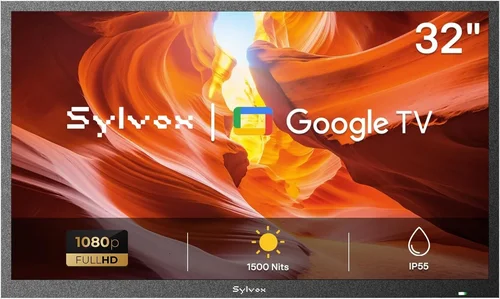
❌ Mistake: Buying an Indoor TV for Outdoor Use
Why it’s bad: Indoor TVs are not designed to handle moisture, temperature swings, or UV exposure. Even in covered areas, humidity can seep into the casing and damage internal components. Over time, this leads to screen fogging, circuit corrosion, and complete failure.
What to do instead: Always choose a TV specifically designed for outdoor use. Look for models with IP ratings, sealed enclosures, and weatherproof certifications. If budget is tight, consider a semi-outdoor model or an indoor TV in a certified outdoor enclosure.
❌ Mistake: Ignoring the IP Rating
Why it’s bad: Without a proper IP rating, you have no guarantee the TV can withstand humidity or rain. Some manufacturers use vague terms like “weather-resistant” without specifying protection levels.
What to do instead: Always check the IP rating. For humid areas, aim for IP55 or higher. Verify the rating with independent reviews or manufacturer specifications.
❌ Mistake: Overlooking Thermal Management
Why it’s bad: Poor ventilation can trap heat and moisture inside the TV, accelerating corrosion and component failure. In humid climates, this is a major risk.
What to do instead: Choose TVs with active cooling systems, heat sinks, or ventilation designed to prevent condensation. Avoid models that rely solely on passive cooling in high-humidity environments.
❌ Mistake: Choosing the Wrong Size for the Space
Why it’s bad: A TV that’s too small will be hard to see in bright conditions, while one that’s too large may overwhelm the space and increase glare.
What to do instead: Measure your viewing distance and choose a screen size accordingly. Consider brightness and anti-glare features to ensure visibility.
❌ Mistake: Skimping on Warranty and Support
Why it’s bad: Outdoor TVs are expensive to repair or replace. A short or limited warranty can leave you stranded if the TV fails.
What to do instead: Prioritize brands with extended warranties and strong customer support. Read the fine print to ensure coverage includes environmental damage.
❌ Mistake: Installing Without Professional Help
Why it’s bad: Improper installation can compromise the TV’s weatherproofing, void the warranty, or create safety hazards.
What to do instead: Hire a certified installer familiar with outdoor electronics. They can ensure proper mounting, ventilation, and cable management.
Budget Guidelines: How Much Should You Spend?
Entry-Level ($400 – $800): These are typically indoor TVs housed in basic outdoor enclosures. They offer minimal protection and are best for covered, low-humidity areas. Expect shorter lifespans and limited features.
Mid-Range ($800 – $1,500): The sweet spot for most buyers. These TVs are purpose-built for outdoor use with better sealing, improved brightness, and smart features. Ideal for partially covered patios and moderate humidity.
Premium ($1,500 – $3,000): Designed for full exposure and harsh conditions. Include high brightness, advanced humidity control, and robust build quality. Best for uncovered decks, pool areas, and coastal homes.
Luxury ($3,000+): Top-tier performance with custom installations, extended warranties, and commercial-grade durability. Suitable for luxury homes or professional outdoor venues.
Expert Tips for Getting the Best Deal
- Buy during off-season: Prices often drop in fall and winter when outdoor entertainment demand is lower.
- Compare retailers: Check Amazon, Best Buy, Costco, and specialty outdoor electronics stores for deals and bundles.
- Look for refurbished models: Certified refurbished outdoor TVs can save 20–30% and often come with full warranties.
- Check for trade-in programs: Some brands offer discounts when you trade in an old TV.
- Read return policies: Ensure you can return the TV if it doesn’t perform as expected in your climate.
- Test brightness in person: If possible, view the TV outdoors during the day to assess visibility.
- Consider financing: Many retailers offer 0% APR financing for large purchases.

Frequently Asked Questions
Q: Can I use a regular TV outdoors if it’s under cover?
A: Technically yes, but it’s not recommended—especially in humid areas. Even under cover, moisture can accumulate, and indoor TVs lack the sealing and corrosion resistance needed for long-term outdoor use. A better option is a semi-outdoor model or an indoor TV in a certified outdoor enclosure.
Q: How do I prevent condensation inside my outdoor TV?
A: Choose a TV with built-in heaters, desiccants, or active ventilation. Avoid covering the TV when not in use, and ensure proper airflow around the unit. Some models include humidity sensors that activate internal heaters during cold, damp conditions.
Q: Do outdoor TVs need special mounting hardware?
A: Yes. Use outdoor-rated brackets made from rust-resistant materials like stainless steel or powder-coated aluminum. Ensure the mount is rated for the TV’s weight and can withstand wind loads.
Q: Can I leave my outdoor TV on all the time?
A: Most outdoor TVs are designed for continuous use, but check the manufacturer’s guidelines. Avoid leaving it on during storms or extreme weather unless it’s specifically rated for such conditions.
Q: Are outdoor TVs energy efficient?
A: Many modern outdoor TVs include energy-saving modes, low-power standby, and efficient LED backlighting. Look for ENERGY STAR certification if efficiency is a priority.
Q: What’s the average lifespan of an outdoor TV in a humid climate?
A: With proper care, a quality outdoor TV can last 5–7 years or more. Cheaper models may fail in 2–3 years due to moisture damage.
Q: Can I connect a soundbar to an outdoor TV?
A: Yes, most outdoor TVs support external audio via HDMI ARC, optical audio, or Bluetooth. Ensure the soundbar is also weather-resistant if exposed to the elements.
Q: Do I need a surge protector for my outdoor TV?
A: Absolutely. Outdoor electronics are vulnerable to power surges from lightning or grid fluctuations. Use a high-quality outdoor-rated surge protector or consider a whole-home surge protection system.
Our Final Recommendations
- Best for Budget-Conscious Buyers: SunBriteTV Veranda Series – Offers excellent value with full weatherproofing, 1080p resolution, and smart features under $1,000.
- Best Overall Value: Samsung The Terrace – Combines 4K HDR, high brightness (2,000 nits), and a sleek design with strong humidity resistance.
- Best Premium Option: Seura Shade Series – Features integrated sound, anti-glare screen, and elegant design for luxury outdoor spaces.
- Best for Beginners: LG 55UN7300 – A reliable indoor TV in a certified outdoor enclosure, ideal for covered patios.
- Best for Advanced Users: SunBriteTV Pro Series – Commercial-grade durability, modular design, and extreme weather resistance for demanding environments.
Conclusion: Making the Right Choice
Choosing the right outdoor TV for a humid area requires careful consideration of weather resistance, build quality, performance, and budget. While it’s tempting to go for the cheapest option, investing in a purpose-built outdoor TV will save you money and frustration in the long run. Prioritize IP ratings, thermal management, and brand reputation, and don’t overlook warranty and support.
Remember, your outdoor TV is more than just a screen—it’s the centerpiece of your outdoor entertainment space. Whether you’re watching a movie under the stars or catching the game with friends, the right TV will deliver years of reliable, high-quality performance. Take your time, do your research, and choose a model that matches your climate, lifestyle, and budget. With the insights from this guide, you’re well-equipped to make a smart, confident decision.

